
Leaf
Neem Tree Leaf

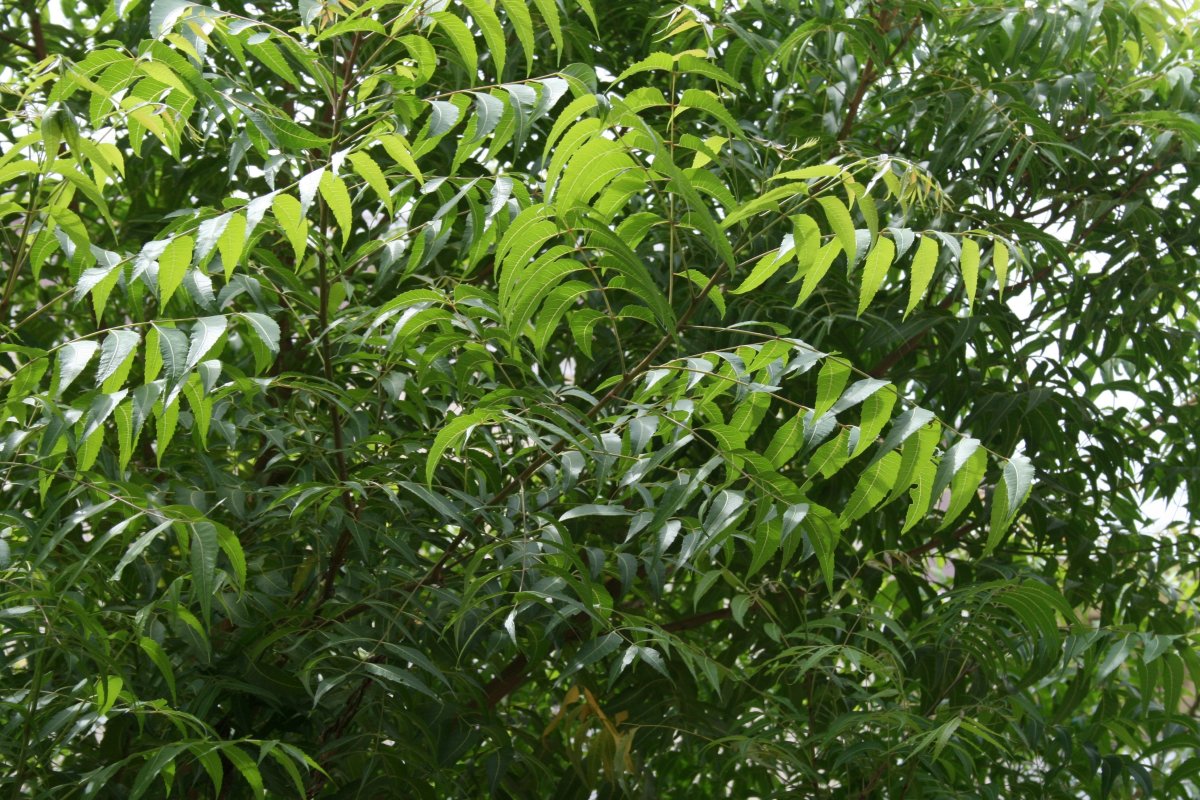
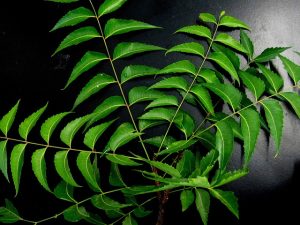
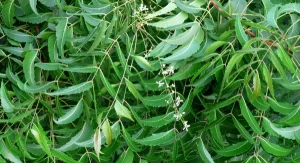
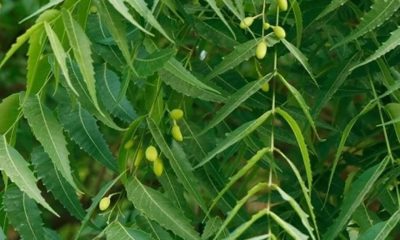
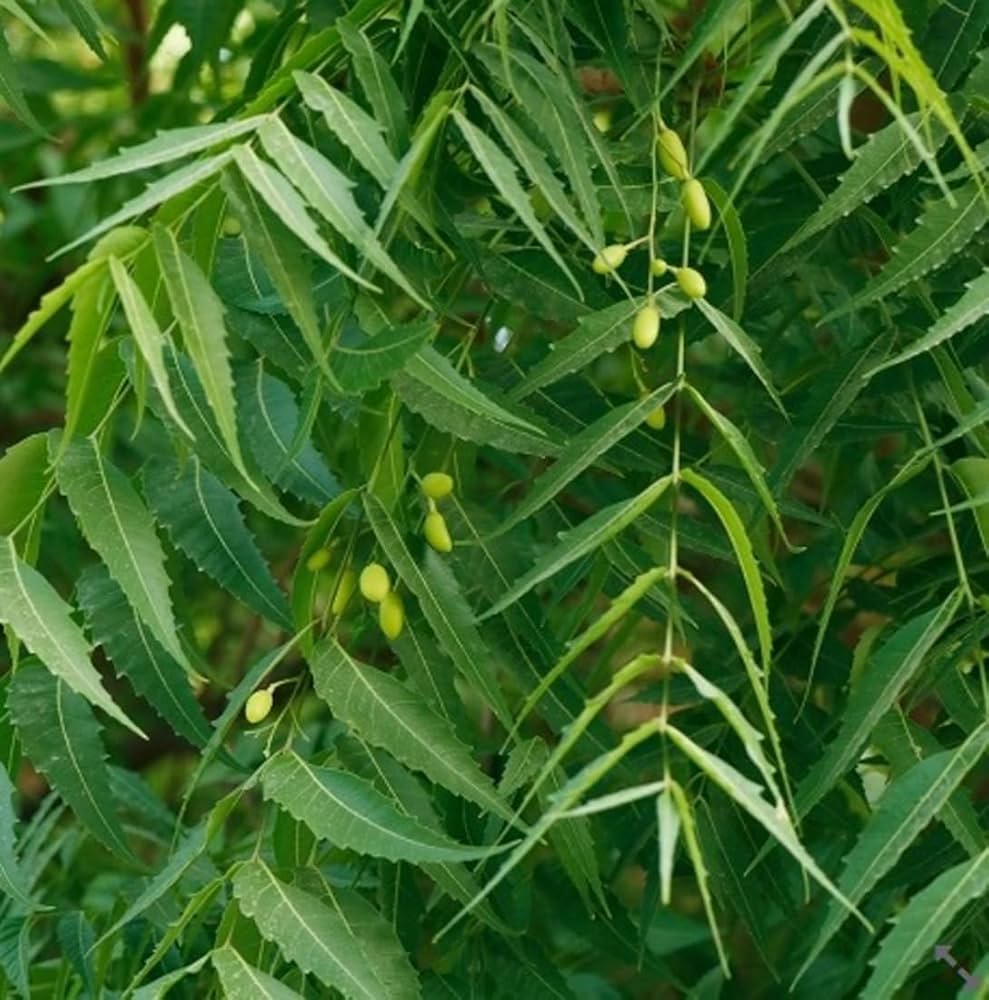
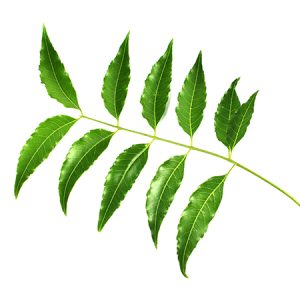
Neem tree leaf. The leaves of the neem tree, which is well-known for its therapeutic qualities, can be employed as an efficient natural insecticide. The procedures for preparing and using neem leaves to control pests in your garden will be described in this guide. Because of its antibacterial, anti-inflammatory, and antioxidant qualities, neem leaves contain more than 130 physiologically active chemicals that have a wide range of traditional and potential health advantages. For millennia, Ayurvedic medicine has employed them to treat a variety of ailments.
NEEM TREE LEAF
Azadirachtin, nimbin, and salannin are the main active chemicals found in neem trees that have insecticidal effects. These substances serve as growth regulators, repellents, and feeding deterrents, upsetting the life cycle of insects. Neem acts gradually, in contrast to synthetic pesticides, preventing pests from rapidly becoming resistant. An efficient and sustainable method of controlling garden pests is to use the leaves of neem trees as a natural pesticide
Benefits as a Pesticide;
– Environmentally Friendly:
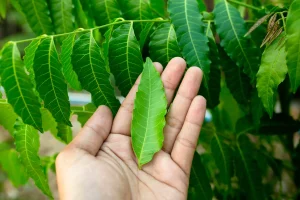
Neem leaves are biodegradable and do not harm the environment.
– Non-Toxic:
Safe for humans, pets, and beneficial insects like bees and butterflies.
• Broad-Spectrum: Effective against a wide range of pests, including aphids, whiteflies, and caterpillars.
Materials Needed;
– Fresh neem leaves (about 1 kg)
– Water (5 liters)
– A large container or bucket
– A strainer or cheesecloth
– A spray bottle
Step-by-Step Guide;
1. Collect Neem Leaves
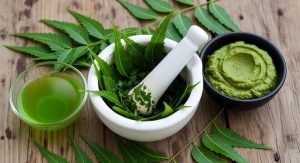
– Gather fresh neem leaves from a neem tree. Ensure the leaves are healthy and free from any disease or infestation.
2. Prepare the Neem Solution
– Chop the Leaves: Finely chop or crush the neem leaves to release their active compounds.
3. Strain the Mixture
– After soaking, strain the mixture using a strainer or cheesecloth to remove the solid leaf particles. The resulting liquid is your neem leaf pesticide.
4. Dilute the Neem Solution
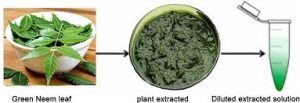
• For spraying, dilute the concentrated neem solution. Mix one part of the neem solution with two parts of water. This helps in preventing any potential phytotoxicity to the plants.
5. Add a Surfactant
• To enhance the sticking of the solution to plant surfaces, you can add a few drops of mild liquid soap or an eco-friendly surfactant to the mixture.
6. Transfer to a Spray Bottle
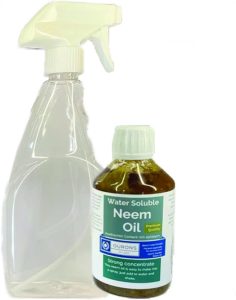
Neem tree leaf
• Pour the diluted neem solution into a clean spray bottle.
7. Application
– Timing: Spray the solution in the early morning or late afternoon to avoid direct sunlight, which can reduce its effectiveness.
Tips for Effective Use;
– Regular Monitoring: Keep an eye on your plants for any signs of pests and reapply the neem solution as needed.
– Combination with Other Methods: Integrate neem leaf pesticide with other pest management practices like manual removal of pests and promoting beneficial insects.
Safety Precautions;
– Personal Protection: Wear gloves and protective clothing while handling and spraying the neem solution.
– Storage: Store any leftover neem solution in a cool, dark place. Use it within a week, as the effectiveness decreases over time.
Additional Uses of Neem Leaves;

Neem tree leaf
Besides being used as a pesticide, neem leaves have various other applications in agriculture and horticulture:
1. Soil Amendment:
Neem leaves can be composted and added to the soil to improve its fertility and structure. They help in controlling soil-borne pests and diseases.
2. Mulching:

Neem tree leaf
Dried neem leaves can be used as mulch around plants to suppress weeds and maintain soil moisture.
Summary
You can make a safe, environmentally friendly, and plant-beneficial homemade neem solution by following the above instructions. Your garden will remain pest-free and healthy with consistent use and treatment.


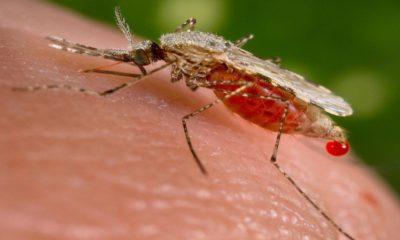



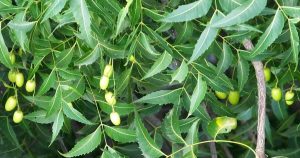
Medicinal properties of neem tree. Because of its potent therapeutic qualities, neem tree leaves provide a variety of health advantages. Neem leaves can be a useful natural remedy for a variety of conditions, including diabetes, digestive health, oral hygiene, and skin and malaria conditions. In addition to standard medical advice and treatments, neem should be used as a supplemental therapy. Before beginning a new supplement regimen, always get advice from your healthcare professional, particularly if you are taking other medications or have pre-existing medical concerns.
MEDICINAL PROPERTIES OF NEEM TREE
Skin disorders including eczema, acne, and ulcers can benefit from the neem tree’s many therapeutic qualities, which include anti-inflammatory, antiseptic, antifungal, and antioxidant benefits. Additionally, it helps control blood sugar, which may help manage diabetes. It is also used in oral care to lessen gingivitis and plaque. Additionally, studies indicate that neem has qualities that may boost immunity, guard against specific infections, and promote wound healing.
1. Malaria;
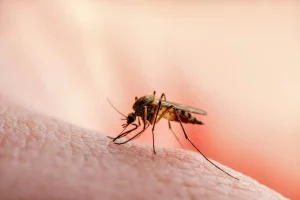
Neem leaves are well-regarded for their antimalarial properties:
-Antimalarial Compounds: Studies have demonstrated the antimalarial action of gedunin and quassinoids, which are found in neem leaves.
– Fever Reduction: Neem leaves can help reduce the fever associated with malaria. Drinking neem leaf tea or juice can alleviate some of the symptoms and provide relief.
– Immune Support: Neem helps bolster the immune system, aiding the body in fighting off the malaria parasite more effectively.
2. Treats Skin Disorders;

Neem leaves are widely used to treat various skin conditions:
– Acne: The antibacterial properties of neem help combat the bacteria that cause acne. Applying a paste made from neem leaves can reduce acne breakouts and prevent future occurrences.
– Eczema and Psoriasis: Neem’s anti-inflammatory properties can soothe irritated skin and reduce the redness and itching associated with eczema and psoriasis.
– Fungal Infections: Neem leaves are effective against fungal infections like athlete’s foot and ringworm. Applying neem paste or neem oil can help clear up these infections.
3. Digestive Issues;

MEDICINAL PROPERTIES OF NEEM TREE
Neem leaves support digestive health and can alleviate various gastrointestinal problems:
– Ulcers: Neem has been shown to have gastroprotective properties, making it effective in treating gastric ulcers. Consuming neem leaf extract can help heal ulcers and reduce stomach acidity.
– Constipation: Neem leaves can act as a mild laxative, helping to relieve constipation. Drinking neem leaf tea can promote regular bowel movements.
– Parasitic Infections: Neem is effective against intestinal worms and other parasites. Consuming neem leaf juice or a neem-based supplement can help eliminate these parasites from the digestive tract.
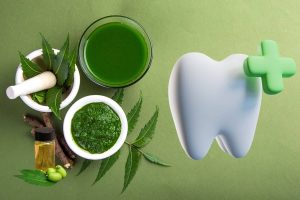
4. Oral Health;
MEDICINAL PROPERTIES OF NEEM TREE
Neem leaves are beneficial for maintaining oral hygiene and treating various dental issues:
– Gingivitis and Periodontitis: The antibacterial properties of neem help fight off the bacteria that cause gum disease. Rinsing with neem leaf extract can reduce gum inflammation and bleeding.
– Tooth Decay: Neem tree leaves can help prevent cavities by inhibiting the growth of bacteria that cause tooth decay. Chewing on neem leaves or using neem-based toothpaste can promote oral health.
– Bad Breath: Neem’s antimicrobial properties help eliminate the bacteria that cause bad breath, promoting fresher breath.
5. Diabetes Management;

MEDICINAL PROPERTIES OF NEEM TREE
Neem leaves can assist in managing diabetes by regulating blood sugar levels:
– Blood Sugar Control:
Neem leaves have been shown to improve insulin sensitivity and lower blood sugar levels. Drinking neem leaf tea or consuming neem leaf extract can help maintain stable blood glucose levels.
– Antioxidant Effects:
MEDICINAL PROPERTIES OF NEEM TREE
Neem leaves contain antioxidants that help protect pancreatic cells from oxidative stress, improving their function and aiding in better blood sugar regulation.
– Preventing Complications:
Regular consumption of neem leaves can help prevent diabetes-related complications such as nephropathy (kidney damage) and retinopathy (eye damage).
Summary
Neem tree leaves have been used in traditional medicine for thousands of years due to their strong therapeutic properties, particularly in Ayurvedic treatments. The antibacterial, antiviral, antifungal, and anti-inflammatory qualities of neem leaves are widely documented.

Nivea body wash for men

Business maintenance

Athlete conviction of murder

A Step-by-Step Guide to Deleting Reels on Instagram

A Comprehensive Guide to Setting Up a YouTube Premiere

How to Create a WhatsApp Group
-

 Health4 weeks ago
Carbonated drinks side effects
-

 Business4 weeks ago
Smart ideas for business startups
-

 Deodorants3 weeks ago
Reviewing tom ford oud
-

 Deodorants4 weeks ago
Reasons for wearing deodorants
-

 Deodorants4 weeks ago
Review for saint laurent black
-

 Deodorants3 weeks ago
Varieties of perfumes for men