vegetables
Nutritional Value of Green Peas

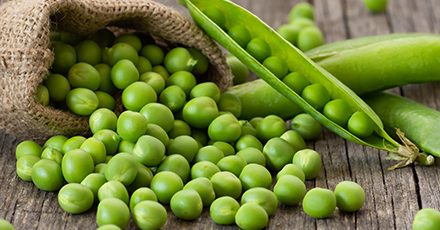
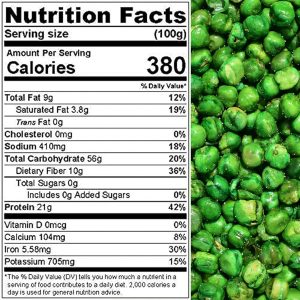
Nutritional value of green peas. They are a healthy and adaptable vegetable that can be used in many different recipes. They are a favorite in kitchens all around the world because of their delicious flavor, eye-catching color, and remarkable health advantages. Peas are a tasty and healthy complement to any meal, whether they are used in soups, salads, or as a straightforward side dish.
NUTRITIONAL VALUE OF GREEN PEAS
Because they are low in calories and fat and high in protein, fiber, vitamins (A, C, K, folate, B vitamins), and minerals (iron, magnesium, phosphorus, zinc), green peas are a great addition to a healthy diet for fullness and essential nutrient intake. They also offer benefits for digestion, muscle building, and the prevention of chronic diseases.
Culinary Uses;

Green peas are incredibly versatile and can be used in a wide range of dishes. In Western cuisine, they are often found in soups, stews, and casseroles. A classic example is the traditional British dish, mushy peas, served with fish and chips. Peas are also commonly added to pasta dishes, salads, and rice-based dishes like risotto and paella, providing a pop of color and a burst of sweetness.
In Indian cuisine, green peas are featured in dishes like matar paneer, a flavorful curry made with peas and Indian cheese, and in a variety of spiced rice dishes and samosas. They are also popular in stir-fries and as a simple side dish, often cooked with butter and herbs.
Nutritional Benefits;

NUTRITIONAL VALUE OF GREEN PEAS
Green peas are a nutritional powerhouse. They are an excellent source of vitamins A, C, and K, which are essential for immune function, skin health, and blood clotting. They also provide a good amount of fiber, which aids in digestion and helps maintain healthy cholesterol levels. Green pea are rich in protein for a vegetable, making them a valuable addition to vegetarian and vegan diets.
Health Benefits;

NUTRITIONAL VALUE OF GREEN PEAS
The health benefits of green pea are extensive. Their high fiber content supports digestive health and can help prevent constipation. The antioxidants in green peas, such as flavonoids, carotenoids, and polyphenols, help reduce inflammation and protect against chronic diseases like heart disease and cancer.
Green peas are also beneficial for blood sugar management. Their low glycemic index and high fiber content help regulate blood sugar levels, making them suitable for people with diabetes. The vitamins and minerals in green peas support overall health, with vitamin K playing a crucial role in bone health and vitamin C boosting the immune system.
Environmental Impact;

NUTRITIONAL VALUE OF GREEN PEAS
Green pea is an environmentally friendly crop. They require less water to grow compared to many other vegetables and have a low carbon footprint. As legumes, green peas can fix nitrogen in the soil, enhancing soil fertility and reducing the need for synthetic fertilizers. This makes them a sustainable choice for both farmers and consumers looking to reduce their environmental impact.
Summary
Garden peas, sometimes referred to as green peas, are a popular vegetable that are loved all over the world for its remarkable nutritional profile, vivid color, and sweet flavor. These tiny, spherical legumes are still a mainstay in many culinary traditions, having been grown for thousands of years.






Raw tomatoes impacts. A fun way to enjoy these health benefits is to include raw tomatoes in your diet through salads, sandwiches, salsas, or just as a snack. A balanced diet that includes a range of fruits and vegetables is essential for general well-being, but it’s crucial to remember that individual reactions to foods can differ.
RAW TOMATOES IMPACTS
Because of their high lycopene content and plenty of vitamins C, K, and potassium, raw tomatoes are beneficial for immune system performance, heart health, and skin protection. However, when ingested in excess, their high acidity and chemical concentration might result in allergic responses, renal stones, and acid reflux.
1. Vitamin C Boost:

Raw tomatoes are an excellent source of vitamin C, an essential antioxidant that supports the immune system, aids in collagen production for healthy skin, and helps protect cells from damage.
2. Antioxidant Content:
Tomatoes contain antioxidants, including lycopene, which has been associated with potential health benefits, such as reducing the risk of certain cancers and supporting heart health by combating oxidative stress.
3. Low in Calories,

High in Nutrients: Raw tomatoes are low in calories but high in essential nutrients like potassium, folate, and vitamin K. This makes them a nutritious addition to a balanced diet.
4. Hydration and Fibre:
With a high water content, raw tomatoes contribute to hydration. Additionally, the fiber content in tomatoes supports digestive health and can aid in weight management by promoting a feeling of fullness.
5. Eye Health:

The presence of lutein and zeaxanthin in tomatoes is beneficial for eye health. These antioxidants may help protect the eyes from age-related macular degeneration and other vision-related issues.
6. Heart Health:
Studies suggest that the nutrients in tomatoes, particularly potassium, may contribute to heart health by helping to regulate blood pressure. The antioxidants in tomatoes may also have a positive impact on cardiovascular health.
7. Skin Benefits:

Anti-Inflammatory Properties:
The combination of vitamin C and other antioxidants in tomatoes may contribute to healthy and radiant skin by protecting against oxidative damage and promoting collagen production.
8. Blood Sugar Regulation:
Some research suggests that components in tomatoes may help regulate blood sugar levels, potentially benefiting individuals with diabetes or those at risk of developing the condition.
9. Anti-Inflammatory Properties:

Anti-Inflammatory Properties:
Certain compounds in tomatoes exhibit anti-inflammatory properties, which may contribute to reducing inflammation in the body and supporting overall health.
10. Weight Management:

Anti-Inflammatory Properties:
The low calorie and high water content of raw tomatoes make them a satisfying and nutritious choice for those aiming to manage or lose weight. Stay tuned for more updates.
Summary
Tomatoes are a versatile and indispensable item in kitchens all around the world because of their rich red color and cool flavor. Even while cooked tomatoes can be used in a variety of recipes, such as soups and sauces, there’s something special about eating these fruits raw.

Relevance of munching cabbage. Cabbages are a low-cost, high-nutrient cruciferous vegetable. Among the substances that contribute to its health benefits are vitamin B6, folate, vitamin E, potassium, vitamin C, fiber, vitamin K, amino acids, polyphenols, and phytosterols. Consuming cabbage has been linked to a number of health advantages, such as antioxidant effects, immune system support, and a lower risk of cardiovascular disease and numerous cancers.
RELEVANCE OF MUNCHING CABBAGE
Eating raw, cooked, or fermented cabbage is very important for a balanced diet because of its great nutrient profile, affordability, and variety. This cruciferous vegetable, which is high in fiber, vitamin C, and vitamin K, has several health advantages, such as better digestion, decreased inflammation, and support for heart health.
Along with being low in calories, cabbage, like other cruciferous vegetables, is full of vitamins and minerals that your body needs. Although its nutritious composition makes it a superfood, it is sometimes overlooked in favor of more fashionable and stylish products like acai berries. Let’s examine the power that those cabbage leaves contain. The many health benefits of cabbage make it a popular vegetable. As a result, it is a key component of many diets worldwide
1. Preventive qualities against cancer;

Studies have shown that cabbage may help shield against certain types of cancer, particularly those that start in the gastrointestinal system. High quantities of fiber, antioxidants, folate, and anti-inflammatory qualities help fight cancer.
2. Aids in weight loss;
A cup of boiling cabbage only contains 33 calories. It has a lot of fiber and little fat. Additionally, cabbage promotes detoxification and excretion, which promotes liver health and accelerates weight loss.
3. Packed with nutrients;

Despite having a relatively low-calorie count, cabbage boasts an amazing nutritional profile. • It includes potassium, calcium, magnesium, dietary fiber, and manganese. • It has multiple vitamins, including as C, B6, A, K, and E.
4. Enhanced with fiber;
Two grams of fiber are present in half a cup of boiling cabbage. Because it contains a lot of fiber, cabbage helps reduce the symptoms of gastritis, which is inflammation of the stomach wall.
5. Prevents diabetes;

RELEVANCE OF MUNCHING CABBAGE
Research has shown that a diet heavy in cabbage may reduce the risk of type II diabetes because of its high fiber and antioxidant content.
6. Vitamin C Source;
Vitamin C, is a water-soluble vitamin and is abundant in cabbage, it improves the absorption of iron from plant and supports the health of the skin, blood vessels, bones, and teeth. It is an antioxidant that can eliminate free radicals that damage DNA and cell tissues.
7. Heals injuries;

RELEVANCE OF MUNCHING CABBAGE
Vitamin K, which is essential for healthy blood coagulation and wound healing, is abundant in cabbage. Its rich vitamin, mineral, and antioxidant content helps people recover more quickly and with less discomfort.
8. Reduces Inflammation;
The body fights inflammation with the help of various anti-inflammatory compounds found in cabbage. These compounds have the potential to alleviate joint pain, arthritis, and allergy symptoms.
9. Lowers blood pressure;

RELEVANCE OF MUNCHING CABBAGE
Because cabbage contains a lot of potassium, it helps regulate blood pressure by balancing the harmful effects of too much sodium in the body.
Summary
It’s one of those foods you don’t think about much unless you’re cooking corned beef or its famous companion. Actually, this vegetable is versatile and high in nutrients. Perhaps more focus should be placed on cabbage. Cabbages are thick, leafy vegetables. Although it looks like a head of lettuce, it is actually a vegetable that is in the same family as Brussels sprouts, radishes, broccoli, and kale.
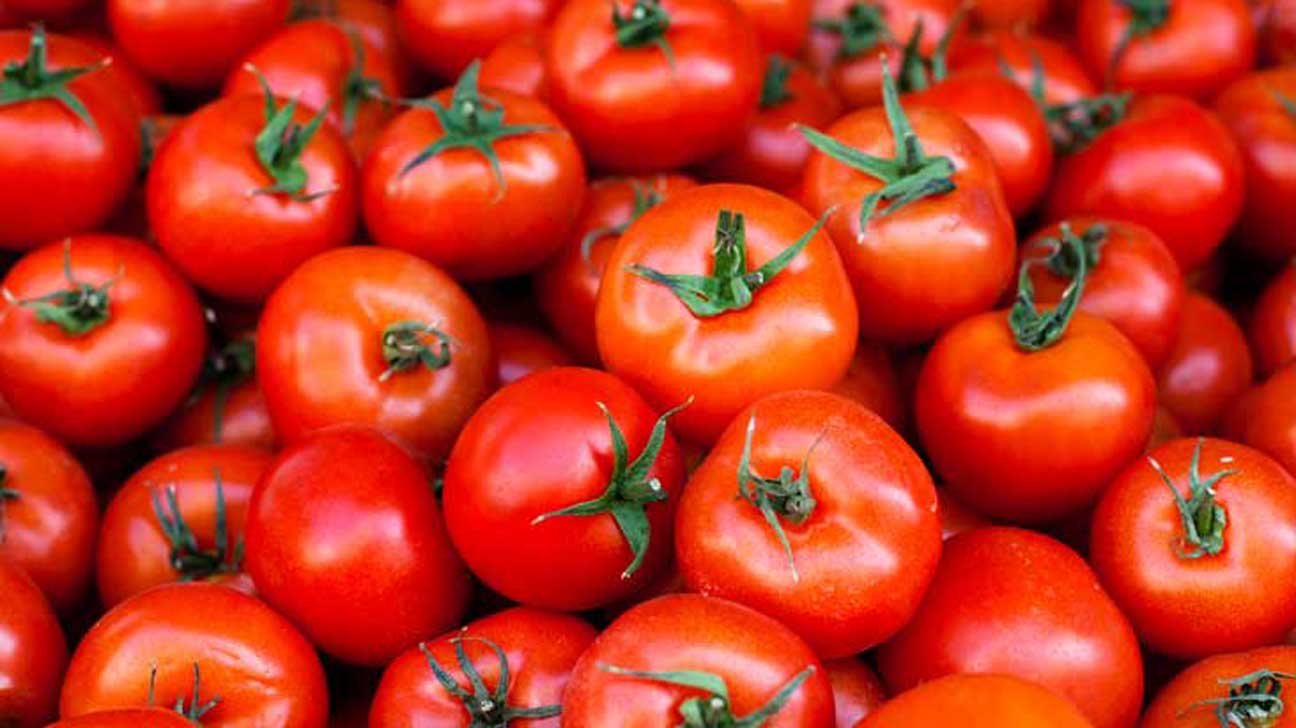
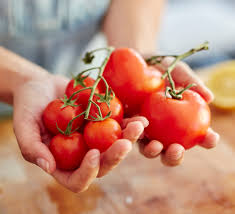
Fresh tomatoes health impacts. Though they can occasionally live longer in greenhouses, tomato plants are vines that are mostly annual and susceptible to frost. It is possible for the flowers to self-fertilize. The taste and flavor of the fruit have been diminished in modern types because they are engineered to ripen consistently crimson. There are many of varieties that differ in terms of flavor, size, color, and form. Numerous insect pests and nematodes attack tomatoes, while viruses, mildew, and blight fungi can cause illnesses.
FRESH TOMATOES HEALTH IMPACTS
Antioxidants like lycopene, vitamins C, A, and K, potassium, and fiber found in fresh tomatoes can lower the risk of cancer and heart disease, improve skin and eye health, increase immunity, help with digestion, and stabilize blood sugar by preventing free radical damage and promoting cellular function. They are an important component of a balanced diet because they are hydrating, promote bone health, and help prevent sun damage and digital eye strain.
1. Reduce cholesterol and the risk of heart disease;

FRESH TOMATOES HEALTH IMPACTS
However, Globally, heart disease is one of the main causes of death. However, a diet high in tomatoes, which are high in lycopene, has been found to help lower this risk. According to a study of 25 earlier studies, having high blood lycopene levels decreased the risk of heart disease by 14%.
2. A decreased risk of cancer;

FRESH TOMATOES HEALTH IMPACTS
Although, Consuming more tomatoes may reduce the incidence of stomach, prostate, and lung cancer, according to some research. Lycopene and beta-carotene in tomatoes are thought by researchers to lower your risk of developing cancer.
3. Defend yourself from sunburns;

FRESH TOMATOES HEALTH IMPACTS
Meanwhile, tomatoes are beneficial for your skin in addition to your internal health. People who consumed 40 grams of tomato paste with olive oil every day for 10 weeks saw 40% less sunburns, according to a research. It is thought by researchers that tomatoes’ lycopene is responsible for this UV protection.
4. Encourage the Health of the Brain;
Meanwhile, Lycopene and other antioxidants found in tomatoes may offer protection against AD, according to some research. People 70 years of age and older who consume more lycopene than others have been shown to experience a slower loss in cognitive function. To fully comprehend the potential preventive advantages of tomatoes, more human study is required, particularly on adults aged 60 to 65.
5. Stop Constipation;

However, Inadequate consumption of fiber might lead to constipation.7 Consuming tomatoes, which are high in insoluble and insoluble fiber, may remedy constipation issues.
6. Low Risk of Cancer;

Also, Men who eat a lot of tomatoes, especially cooked ones, are less likely to get prostate cancer, according to several studies.3 Antioxidants in tomatoes called beta-carotene and lycopene may have antitumor effects. The type of DNA damage in cells that can cause cancer to form and kill off cancer cells is prevented by antioxidants. Benefits
Summary
Tomatoes, which are high in powerful antioxidants, may lower the risk of cancer and enhance heart health. You seem to be able to do anything you want with tomatoes. They are present in every aspect of our meals, from the ketchup pouring from your fries to the salsa on your chips. And, of course, a crucial part of any salad.

Airline Travellers and Baggage Allowances

First Time Travellers and Airline Policies

Plane Tickets Relevance

A Step-by-Step Guide to Deleting Reels on Instagram

How to Create a WhatsApp Group