vegetables
Sugar Snap Peas Benefits


SUGAR SNAP PEAS BENEFITS
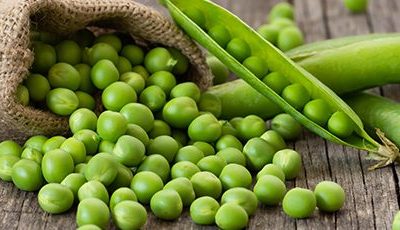
Sugar snap peas benefits. In lower climates, snap peas a hybrid of garden peas and snow peas grow on vines. Like other peas, they have a low glycemic index number, which means your blood sugar won’t surge. They are also naturally sweet and low in calories. Snap peas are a simple way to get vitamin C, vitamin K, iron, fiber, and vitamin A, which makes them health.
SUGAR SNAP PEAS BENEFITS
Because they are naturally sweet and low in calories, they are also a popular vegetable. They are often referred to as sugar peas or sugar snap peas. In reality, sugar snap peas are a non-starchy vegetable. These plump pea pods are a lot of pleasure to eat with nutritional benefits, and easy to grow. with a healthy ratio of protein to fiber.
1. Encourage Heart Health

Numerous elements found in sugar peas are linked to cardiovascular advantages. Sugar snap peas’ vitamin C reduces blood vessel inflammation, which can result in atherosclerosis, or artery hardening. Additionally, potassium, which is known to lower blood pressure, is found in sugar snap peas. Moreover, sugar snap peas’ soluble fiber has the potential to reduce cholesterol.
2. Encourage Weight Loss

One non-starchy food that can aid in weight loss is sugar snap peas. Experts advise filling more than half of your plate with non-starchy veggies, such as sugar snap peas, to help you feel full and obtain enough nutrients while losing weight. Sugar snap peas, whether cooked or raw, can help maintain a healthy weight.
3. Maintain Routine and Avoid Constipation
Adult men require 31 to 34 grams of fiber per day, while women require approximately 25 to 28 grams.Soluble and insoluble fiber are both present in sugar snap peas. Getting adequate fiber helps move food through the digestive tract and gives the stool more volume, which encourages regularity. Sugar snap peas are an excellent method to add more fiber to your diet by replacing processed snack foods.
4. Help Control Blood Sugar

Three to five servings of veggies a day are advised by health professionals. Particularly helpful are non-starchy veggies, such as sugar snap peas. A great snack for managing diabetes is sugar snap peas because of their high phytonutrient content and fiber, which helps to stabilize blood sugar.
5. Promote Eye Health

The plant-based carotenoids lutein and zeaxanthin, which function as concentrated antioxidants in the macula, a region of the retina, are found in small amounts in sugar snap peas. Increased consumption of foods high in lutein and zeaxanthin may help reduce the course of macular degeneration, an age-related condition that can cause irreversible visual loss.
Summary
They are a hybrid between garden peas and snow peas. In contrast to sugar snap peas, which have more rounder pods, snow peas have flat pods with tiny, premature peas. Their flavors are strikingly similar, and their nutritional profiles are identical. Nevertheless, sugar snap peas are typically sweeter and more tasty. Both snow peas and sugar snap peas are great additions to a diet that is well-balanced, despite their variances and similarities.







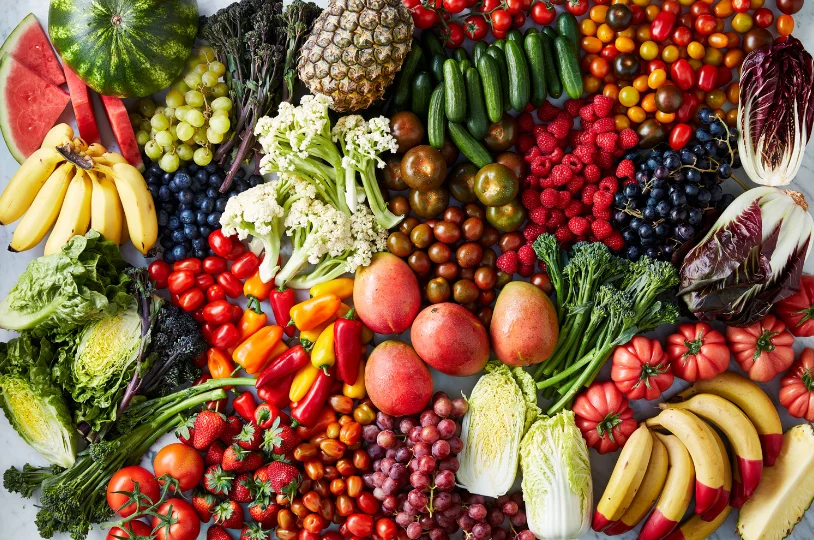
Fruits and Vegetables Relevance. Most Australians will benefit from eating more fruits and vegetables as part of an active lifestyle and a healthy, balanced diet. There are many different types of fruits and vegetables, and there are many ways to prepare, cook, and serve them. A minimum of five servings of vegetables and two servings of fruit should be consumed daily. Select several hues.
FRUITS AND VEGETABLES RELEVANCE
Fruits and vegetables should make up a significant portion of your daily diet. They include vitamins and minerals that can promote your health and are naturally nutritious. Additionally, they might help prevent some diseases. When fruits and vegetables are in season, they are best purchased. If not, consider using canned or frozen veggies, which are equally nutrient-dense and cost-effective.
Importance of Vegetables and Fruits;

1. Vitamins and minerals are abundant in fruits and vegetables. Nothing is more nutrient-dense than fruits and vegetables, which are a great source of folic acid, magnesium, zinc, phosphorus, and the vitamins A, C, and E. Eat lots of avocados, sweet potatoes, bananas, prunes, and even pureed tomato sauce if you’re looking to increase your intake of potassium, one of the most vital elements.
2. You get to enjoy a variety of flavors and textures. With all their unique and interesting flavors, plant-based foods let you get creative in the kitchen. You can try strong flavors like onions, olives, and peppers.
More Importance;
3. A ton of fiber—a ton of fiber. Although some fruits and vegetables have more fiber than others, most fruits and vegetables have enough to keep you full and improve intestinal health. other important of vegetables and fruits include;
4. They have little fat and few calories.

5. minimal in cholesterol and salt. Trace levels of salt are present in fresh fruits and vegetables.6. Any type of food—fresh, frozen, canned, or dried—is nutrient-dense. Whether you choose to consume fresh fruits and veggies or not, there aren’t many nutritional differences between frozen, canned, or dehydrated foods.
In actuality, the nutritional value of the majority of canned and frozen goods is rapidly locked in since they are processed within hours of harvest.

Fruits and Vegetables Relevance
6. Easy, quick, and convenient. For the most part, fruits and vegetables don’t require packaging, unlike granola bars or crackers.
Summary
Because they include critical dietary fiber, antioxidants, vitamins (such as A, C, and K), and minerals, fruits and vegetables are crucial for optimum health. Frequent intake improves immunity and digestion while dramatically reducing the incidence of long-term diseases like heart disease, stroke, obesity, and several types of cancer.
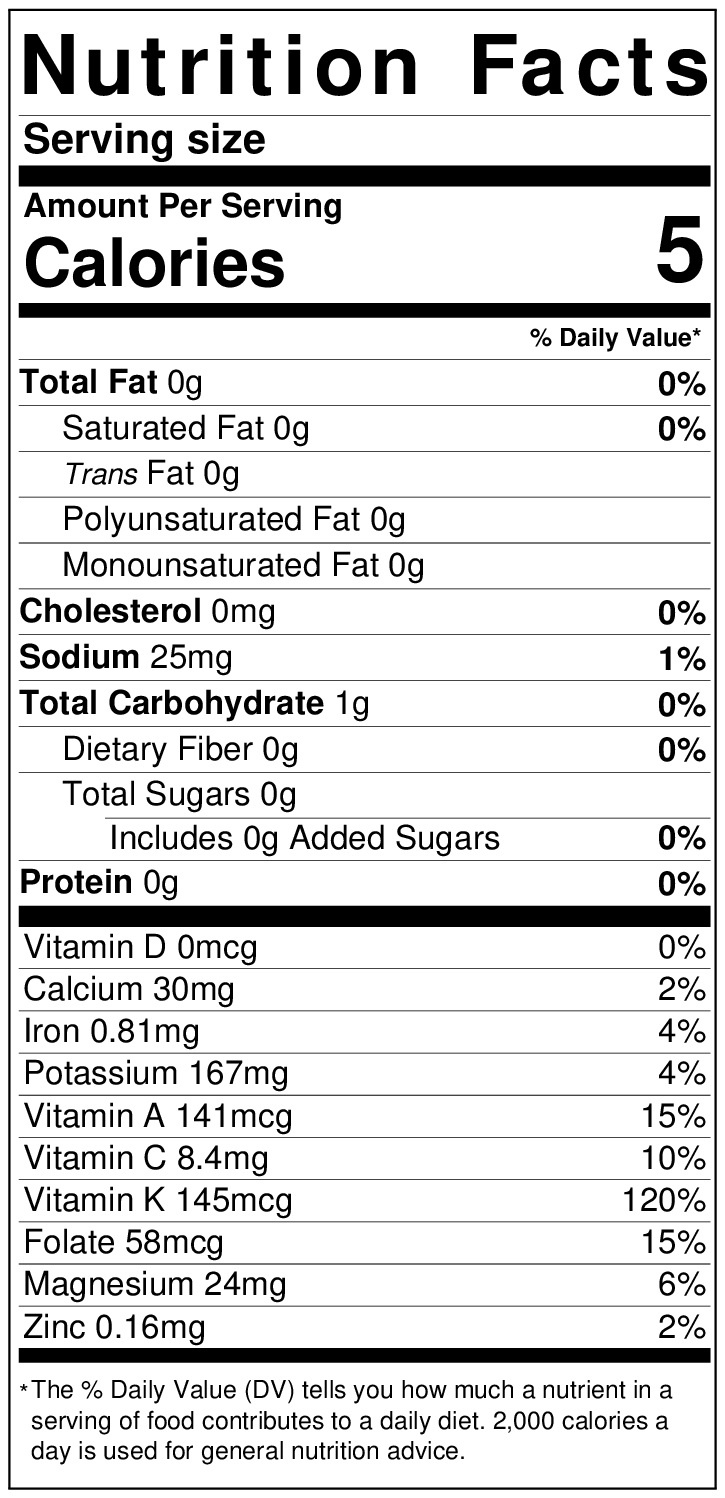
Spinach Nutritional Value. A nutritional powerhouse, spinaches enhance heart and bone health, strengthen the immune system, and improve digestion, among many other health advantages. Its culinary adaptability makes it simple to use in a variety of recipes, whether it’s cooked in soups and stews, blended into smoothies, or added fresh to salads. You can benefit from spinach’s many health advantages and enhance your general wellbeing by including it in your diet.
SPINACH NUTRITIONAL VALUE
Spinach is praised for its remarkable nutritional profile and adaptability. Regular spinach consumption has several health advantages. Including spinach in your diet is crucial for general health and wellbeing for the following five main reasons:
1. Rich in Essential Nutrients;

Spinach is packed with essential vitamins and minerals, including vitamins A, C, and K, as well as iron, calcium, and magnesium. Vitamin A supports vision and immune function, while vitamin C acts as an antioxidant and aids in collagen synthesis. Vitamin K is crucial for blood clotting and bone health, and the minerals in spinaches contribute to overall bodily functions and bone strength.
2. Supports Heart Health;
The high levels of nitrates in spinach help improve blood flow and reduce blood pressure. Spinaches also contains antioxidants like lutein and zeaxanthin, which help reduce inflammation and oxidative stress, both of which are risk factors for heart disease. Additionally, the fiber in spinach helps lower cholesterol levels, further supporting cardiovascular health.
3. Aids in Digestion;

Spinach Nutritional Value
Spinach is an excellent source of dietary fiber, which promotes healthy digestion and regular bowel movements. Fiber helps prevent constipation by adding bulk to the stool and promoting its smooth passage through the digestive tract. Additionally, the prebiotic properties of fiber support the growth of beneficial gut bacteria, contributing to overall digestive health.
4. Boosts Immune System;
Spinach is rich in vitamins and antioxidants that strengthen the immune system. Vitamin C boosts the production of white blood cells, enhancing the body’s ability to fight infections. The antioxidants in spinaches, such as beta-carotene and vitamin E, help protect cells from damage and support the body’s natural defense mechanisms.
5. Supports Bone Health;

Spinach Nutritional Value
The high vitamin K content in spinaches plays a crucial role in bone health by enhancing calcium absorption and promoting bone mineralization. Additionally, spinach provides a good amount of calcium and magnesium, both of which are essential for maintaining strong and healthy bones. Regular consumption of spinach can help reduce the risk of osteoporosis and bone fractures.
Summary
Native to Central and Western Asia, spinach is a leafy green blooming plant. It belongs to the Amaranthaceae family, subfamily Chenopodioideae, and order Caryophyllales. Its leaves are a popular vegetable that can be eaten raw, cooked, or stored.
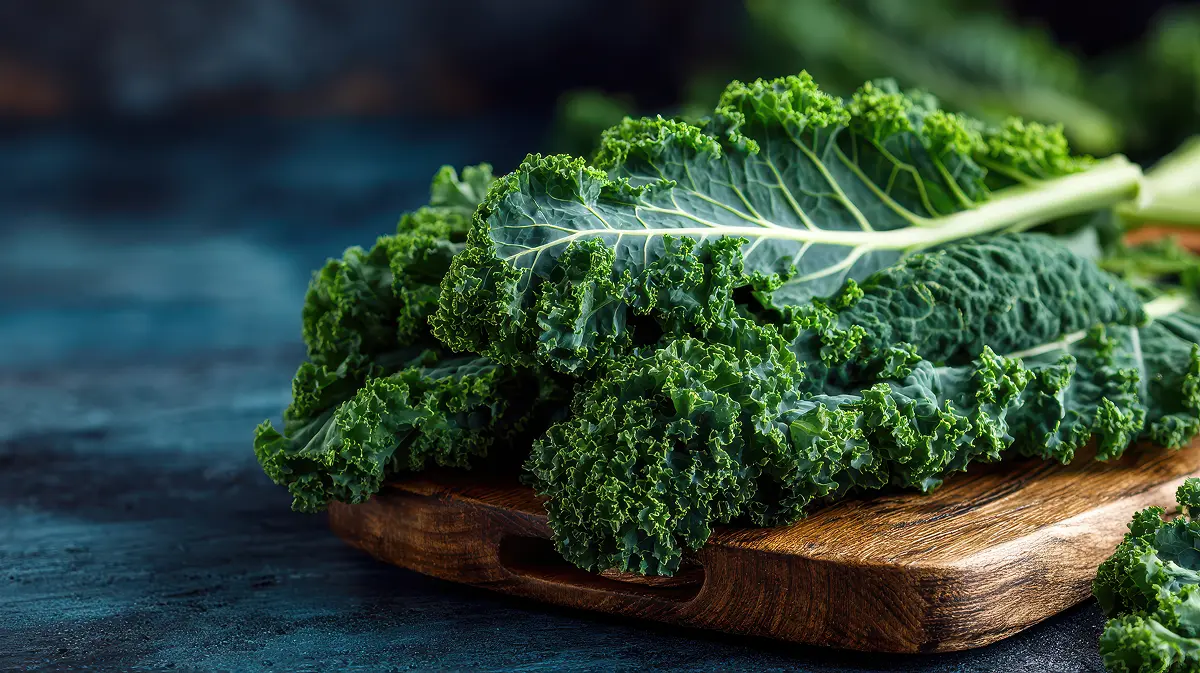
Nutritional Profile of Kale. More than just a popular superfood, kale is a nutrient-dense, adaptable vegetable that may greatly improve your diet. It is a beneficial addition to any meal because of its remarkable variety of vitamins, minerals, and antioxidants, which promote general health and wellbeing. Kale is a tasty method to increase your nutritional intake, whether it’s consumed raw, boiled, or mixed into smoothies.
NUTRITIONAL PROFILE OF KALE
In recent years, kale has become increasingly popular and has gained a reputation as a nutritious powerhouse. This leafy green vegetable, which is a member of the Brassica family, is praised for its many health advantages and rich nutrient profile. Kale is a useful and adaptable complement to your meals, whether you want to increase your vitamin intake or diversify your diet.
Nutritional Profile;

Kale is incredibly nutrient-dense, offering a wide array of vitamins and minerals in each serving:
Also, Kale is an excellent source of vitamins A, C, and K. Vitamin A supports vision and immune function. Vitamin C acts as a powerful antioxidant and boosts skin health, and vitamin K is crucial for blood clotting and bone health.
Alrhough, It provides significant amounts of calcium, potassium, and magnesium. All of which are essential for maintaining strong bones, muscle function, and cardiovascular health.
– Antioxidants: Kale is rich in antioxidants such as quercetin and kaempferol. This help protect the body from oxidative stress and inflammation.
– Fiber: High in dietary fiber, kale aids digestion, promotes a healthy gut, and can help lower cholesterol levels.
Health Benefits;

1. Improved Eye Health: The high content of vitamin A and antioxidants like lutein and zeaxanthin in kale support good vision and can help prevent age-related eye conditions.
2. Strong Bones: With substantial amounts of vitamin K and calcium, kale plays a crucial role in maintaining bone density and reducing the risk of osteoporosis.
3. Heart Health:

Nutritional Profile of Kale
Meanwhile, the fiber, potassium, and antioxidants in kale contribute to cardiovascular health by lowering blood pressure. Reducing cholesterol levels, and protecting against heart disease.
4. Anti-inflammatory Properties: The antioxidants and omega-3 fatty acids in kales help reduce inflammation, which is linked to chronic diseases such as arthritis, diabetes, and heart disease.
5. Cancer Prevention: Compounds in kales, like sulforaphane and indole-3-carbinol, have been shown to have anti-cancer properties, helping to protect against certain types of cancer.
Culinary Uses;

Nutritional Profile of Kale
Kale’s versatility makes it easy to incorporate into various dishes:
Also, Salads are raw kales can be massaged with olive oil and lemon juice to soften its texture and reduce bitterness, making it a hearty base for salads.
– Smoothies: Add a handful of kales to your morning smoothie for an extra nutrient boost without compromising on taste.
-Although, for Soups and Stews, kales can be added to soups, stews, and chilis, where it retains its texture and adds nutritional value.
– Sautéed or Steamed: Sautéing or steaming kales with garlic and olive oil makes for a delicious and nutritious side dish.
However, Baked kale chip can be seasoned with salt and spices, provide a healthy alternative to traditional snacks.
Summary
Meanwhile, kale is a low-calorie leafy green that is incredibly nutrient-dense. About 7 calories, less than 1 gram of carbs, and an abundance of vitamins A, C, and K may be found in one raw cup (21 grams). Additionally, it has potent antioxidants that promote heart health and reduce inflammation.

Earth Frozen Frontiers

Natural Majestic Wonders

Daily Life Hacks

A Step-by-Step Guide to Deleting Reels on Instagram

A Comprehensive Guide to Setting Up a YouTube Premiere