
Health
Nutritional Value of Vitamin A

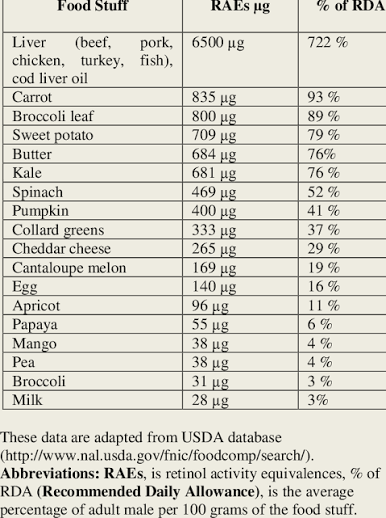
Nutritional Value of Vitamin A. It is an essential component that has several health advantages, from boosting immunity and vision to encouraging strong bones, healthy skin, and reproductive health. Maintaining these vital physiological processes and promoting general health and wellbeing can be achieved by ensuring a sufficient intake of it through a balanced diet. You may boost your body’s health and function by include foods high in vitamin A in your diet.
NUTRITIONAL VALUE OF VITAMIN A
One essential nutrient that is critical to preserving general health and wellbeing is vitamin A. This fat-soluble vitamin is present in many foods, such as fish, carrots, sweet potatoes, and spinach, and it promotes a number of vital body processes. Vitamin A is vital for your health for the following five main reasons:
1. Supports Vision Health;

Vitamin A is essential for maintaining good vision. It is a key component of rhodopsin, a protein in the eyes that absorbs light in the retinal receptors. Adequate intake of it helps prevent night blindness and age-related macular degeneration. Conditions that can impair vision and lead to blindness. Carotenoids, a type of Vitamin A found in plant-based foods, also contribute to eye health by protecting the retina and other eye tissues from damage.
2. Boosts Immune Function;
These vitamins plays a critical role in supporting the immune system. It helps maintain the integrity of the skin and mucous membranes, which act as the body’s first line of defense against infections. Additionally, Vitamin A is involved in the production and function of white blood cells, which help capture and clear pathogens from the bloodstream. A deficiency in Vitamin A can compromise the immune response, increasing susceptibility to infections.
3. Promotes Healthy Skin;

Nutritional Value of Vitamin A
These vitamins is essential for skin health. It helps in the production and maintenance of skin cells, promoting skin renewal and repair. Retinoids, derivatives of A-vitamin, are commonly used in skincare products to treat acne, reduce wrinkles, and improve skin texture. Adequate intake of it can help keep your skin healthy, reduce inflammation, and prevent skin conditions such as acne and eczema.
4. Supports Reproductive Health;
These vitamin is crucial for reproductive health in both men and women. In men, it plays a role in the production of sperm. In women, it is involved in the regulation of the menstrual cycle and supports fetal development during pregnancy. Adequate levels of the vitamins are necessary for the proper growth and differentiation of tissues in the developing fetus, including the heart, lungs, kidneys, eyes, and bones.
5. Promotes Bone Health;
Nutritional Value of Vitamin A
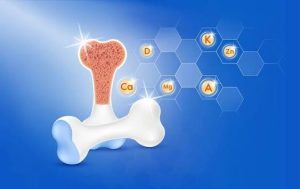
These Vitamins contributes to maintaining strong and healthy bones. It is involved in the regulation of bone growth and development. These vitamin works in synergy with other nutrients, such as Vitamin D, calcium, and phosphorus, to ensure proper bone formation and remodeling. Adequate levels of it can help prevent bone-related disorders, such as osteoporosis, by supporting bone density and strength.
Summary
Your immune system, eyesight, reproductive health, and embryonic development are all supported by vitamin A, a crucial fat-soluble vitamin. It’s important to get enough, but taking too much might be dangerous. Your body needs vitamin A. It can be taken as supplements or found naturally in diet.














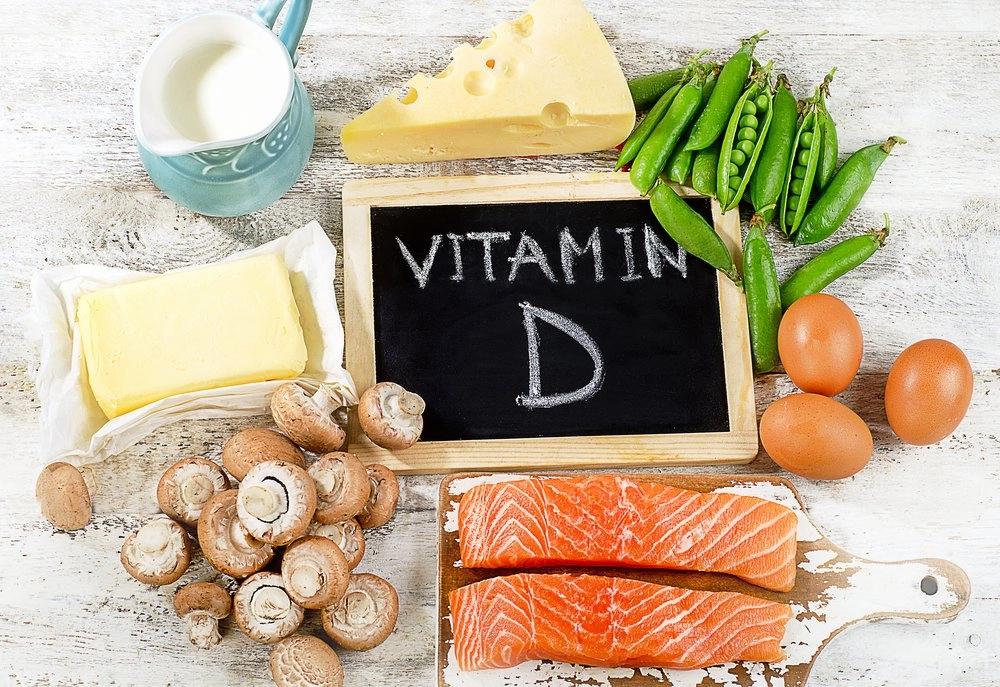
Nutritional Value of Vitamin D. These vitamins are necessary for many facets of health, including boosting immunity and maintaining bone and muscular function. both mental and cardiac wellbeing. Maintaining enough amounts of it through diet, sun exposure, and supplementation as needed can support general health and wellbeing and help preserve these essential processes. You can promote your body’s optimal function and guard against a variety of health problems by making vitamin D intake a priority.
NUTRITIONAL VALUE OF VITAMIN D
Also, vitamin D, often referred to as the “sunshine vitamin,” is essential for maintaining optimal health. This fat-soluble vitamin can be obtained through sun exposure, certain foods, and supplements. It plays a crucial role in various bodily functions. Here are five key reasons why Vitamin D is important for your body:
1. Supports Bone Health;

Nutritional Value of Vitamin D
However, vitamin D is vital for maintaining strong and healthy bones. It enhances the absorption of calcium and phosphorus from the gut, two minerals that are critical for bone formation and maintenance. Adequate levels of Vitamin D help prevent bone-related disorders such as rickets in children and osteoporosis in adults by ensuring proper bone density and strength.
2. Boosts Immune Function;
Meanwhile, Vitamin D plays a significant role in supporting the immune system. It helps regulate the immune response, reducing the risk of infections and autoimmune diseases.
Although, these Vitamin enhances the pathogen-fighting effects of monocytes and macrophages—white blood cells that are essential for immune defense—and decreases inflammation. Adequate levels of these Vitamin are associated with a lower risk of respiratory infections, including influenza and COVID-19.
3. Supports Muscle Function;

Nutritional Value of Vitamin D
Although, these Vitamins is crucial for maintaining muscle function and strength. It contributes to the health of muscle fibers, improving muscle contraction and reducing the risk of falls and fractures, especially in older adults. Sufficient levels of these Vitamin are associated with improved physical performance and reduced muscle pain and weakness.
4. Promotes Heart Health;
Meanwhile, emerging research suggests that Vitamin D plays a role in cardiovascular health. Adequate levels of it are linked to a lower risk of heart disease, hypertension, and stroke. It helps regulate blood pressure, reduces inflammation, and improves the function of blood vessels. Vitamin D’s ability to influence calcium metabolism also contributes to the prevention of arterial calcification, a risk factor for heart disease.
5. Enhances Mood and Mental Health;

Nutritional Value of Vitamin D
Also, these Vitamin has been connected to mood management and mental wellness, making it crucial for brain health. An elevated risk of mental disorders has been linked to low vitamin D levels. including seasonal affective disorder (SAD) and depression.
However, the brain regions implicated in mood regulation have vitamin D receptors, and healthy levels of this nutrient can support both emotional stability and cognitive function.
Summary
In order to facilitate regular bone mineralization and avoid hypocalcemic tetany, which is characterized by involuntary muscular contraction that causes cramps and spasms, vitamin D helps the intestines absorb calcium and maintains appropriate serum calcium and phosphate concentrations.
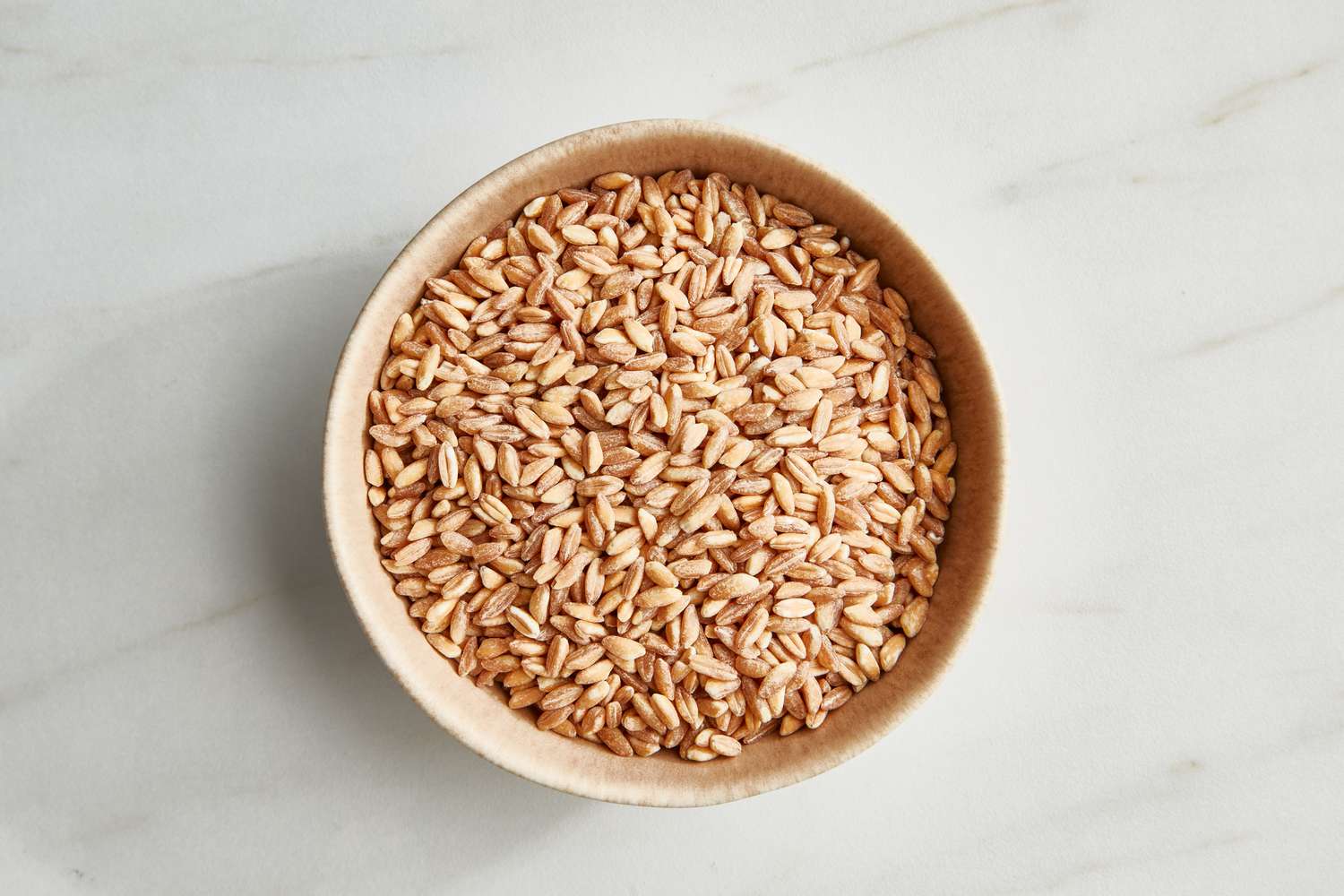
Farro Grain Nutritional Value. Including farro in your diet can help with digestion, help you control your weight, and supply vital nutrients and antioxidants, among other health benefits. It is a simple and tasty ingredient to many different dishes due to its adaptability in the kitchen. You may take advantage of farro’s delicious flavor and potent health-promoting qualities by incorporating it into your diet.
FARRO GRAIN NUTRITIONAL VALUE
Due to its remarkable health advantages and culinary diversity, farro, an ancient grain with a millennium-long history, has experienced a rebirth in popularity. This nutrient-dense grain has many benefits and is frequently included in Mediterranean diets. Including farro in your diet has the following main advantages:
1. Rich in Nutrients;
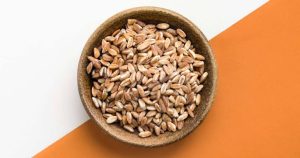
Farro is a powerhouse of essential nutrients. It is an excellent source of fiber, protein, and complex carbohydrates, making it a nutritious addition to any meal. Additionally, it contains a variety of vitamins and minerals, including magnesium, zinc, and B vitamins, which are crucial for overall health and well-being.
2. High Fiber Content;
One of the standout benefits of it is its high fiber content. Fiber aids in digestion, helps maintain a healthy gut, and can prevent constipation. A diet rich in fiber can also lower the risk of chronic diseases such as heart disease, diabetes, and certain types of cancer.
3. Protein-Rich;
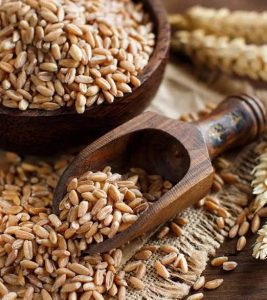
For those looking to increase their protein intake, farros are an excellent option. It contains more protein than many other grains, making it a great choice for vegetarians, vegans, and anyone looking to build or maintain muscle mass. Protein is also essential for repairing tissues and supporting a healthy immune system.
4. Supports Weight Management;
Farro’s combination of fiber and protein makes it a satiating food that can help with weight management. These nutrients help you feel full longer, reducing the likelihood of overeating. Including farro in your diet can support healthy weight loss or maintenance goals by keeping you satisfied and less likely to snack between meals.
5. Rich in Antioxidants;
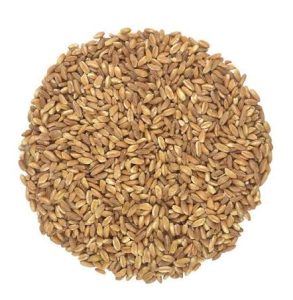
Farro Grain Nutritional Value
Farro is packed with antioxidants, which help combat oxidative stress and inflammation in the body. These antioxidants can protect cells from damage and reduce the risk of chronic diseases such as heart disease and cancer. The presence of polyphenols and carotenoids in farro further enhances its protective benefits.
6. Versatile and Delicious;
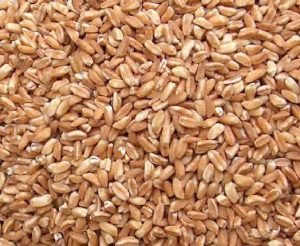
Farro Grain Nutritional Value
Beyond its health benefits, farro is also incredibly versatile and delicious. Its nutty flavor and chewy texture make it a great addition to salads, soups, and stews. It can also be used as a substitute for rice or quinoa in various dishes. Farro’s adaptability in the kitchen means you can easily incorporate it into your diet in numerous tasty ways.
Summary
An ancient, nutrient-dense whole wheat grain, farro is high in dietary fiber, plant-based protein, and vital minerals like zinc, magnesium, and iron. A cup of dry, whole farro has around 170 calories, 6 grams of protein, 5 grams of fiber, and 34 grams of complex carbs.
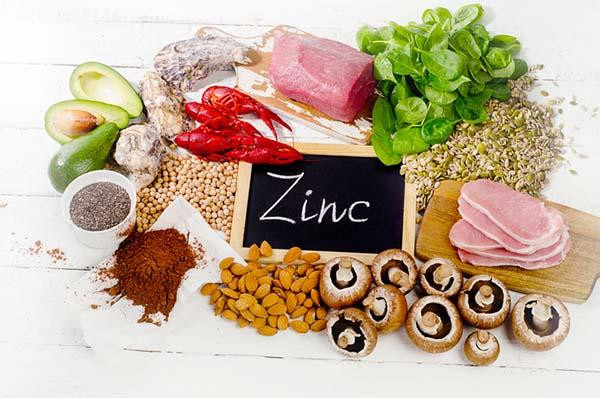
Zinc Nutritional Value. It is an essential mineral that has several health advantages, including boosting immunity and wound healing, encouraging growth and development, improving cognitive function, and increasing metabolic health. Maintaining these vital body processes and promoting general health and wellbeing can be achieved by ensuring sufficient intake through a balanced diet or supplements. You can promote your body’s optimal function and guard against a number of health problems by making foods high in zinc a priority in your diet.
ZINC NUTRITIONAL VALUE
Zinc is an essential trace mineral that plays a crucial role in numerous biological functions. Found in foods like meat, shellfish, legumes, and seeds, zinc is vital for maintaining overall health. Here are five key reasons why zinc is important for your body:
1. Supports Immune Function;

Zincs are vital for a healthy immune system. It helps in the development and function of immune cells such as T-cells and white blood cells. Adequate zinc levels are crucial for the body’s ability to fight off infections and illnesses. Zinc also acts as an antioxidant, protecting cells from damage caused by free radicals and reducing inflammation.
2. Promotes Wound Healing;
Zinc plays a significant role in wound healing and tissue repair. It is essential for collagen synthesis, cell proliferation, and immune function, all of which are necessary for the healing process. People with it’s deficiency may experience delayed wound healing and increased susceptibility to infections.
3. Supports Growth and Development;

Zinc Nutritional Value
Zincs are crucial for proper growth and development, particularly during pregnancy, childhood, and adolescence. It is involved in DNA synthesis, cell division, and protein production. Adequate intake of it is essential for normal physical development and cognitive function in children, and it supports reproductive health in adults.
4. Zinc Enhances Cognitive Function;
It is important for brain health and cognitive function. It plays a role in neurotransmitter function, which affects mood, memory, and learning. Adequate zinc levels are associated with improved mental performance and a lower risk of neurodegenerative diseases such as Alzheimer’s. Zincs also helps protect the brain from oxidative stress and inflammation.
5. Supports Metabolic Function;

Zinc Nutritional Value
It is involved in numerous enzymatic reactions in the body, influencing metabolism and energy production. It is essential for the metabolism of carbohydrates, proteins, and fats. Zincs also plays a role in insulin regulation and blood sugar control, making it important for maintaining healthy metabolic function and reducing the risk of metabolic disorders such as diabetes.
Summary
For adult men, the recommended daily allowance for zinc is 11 mg, whereas for adult women, it is 8 mg. The recommended daily allowance for women who are pregnant or nursing is 11 mg and 12 mg, respectively.

Nutritional Value of Mangoes

Spinach Nutritional Value

Liver Rich Foods

A Step-by-Step Guide to Deleting Reels on Instagram

A Comprehensive Guide to Setting Up a YouTube Premiere

How to Create a WhatsApp Group
-

 Health4 weeks ago
Harmful side effects of earphones
-

 Self esteem4 weeks ago
Tips for self esteem improvement
-

 Exercise4 weeks ago
Regular physical activities importance
-

 Health4 weeks ago
Headphones safety tips
-

 Business3 weeks ago
Local business promotion
-

 Entertainment3 weeks ago
Women and British dance music