stress
Older adults and stress


Older adults and stress. In order to effectively help older persons and enhance their quality of life, it is crucial to comprehend the causes of their stress. Caregivers and loved ones can assist reduce some of the pressures that affect older individuals by addressing health issues, financial concerns, loneliness and loss, and the dread of losing independence. Their general sense of security and happiness can be greatly increased by establishing a nurturing atmosphere that promotes social, emotional, and physical well-being.
OLDER ADULTS AND STRESS
As people age, they often face unique challenges and stressors that can significantly impact their mental and physical well-being. Understanding these stressors is crucial for providing effective support and improving the quality of life for older adults. Here are four common reasons why older adults may experience increased stress.
1. Health Issues and Physical Decline;

Description:
One of the primary sources of stress for older adults is declining health and the onset of chronic illnesses. Conditions such as arthritis, heart disease, diabetes, and mobility issues can lead to physical pain and discomfort, making everyday activities more challenging.
Impact:
Health problems can cause significant anxiety and depression. The loss of independence due to physical limitations can also lead to feelings of helplessness and frustration. Regular doctor visits, medication management, and dealing with the healthcare system add layers of stress to their daily lives.
Support Strategies:
– Encourage regular medical check-ups and adherence to treatment plans.
– Provide assistance with managing medications and attending medical appointments.
– Promote a healthy lifestyle, including balanced nutrition and appropriate physical activities tailored to their capabilities.
2. Financial Concerns;

Description:
Many older adults live on fixed incomes, relying on pensions, social security, or savings. Rising healthcare costs, inflation, and unexpected expenses can create financial strain.
Impact:
Financial insecurity can lead to constant worry about meeting basic needs, paying for medical care, or maintaining a comfortable lifestyle. This stress can exacerbate health problems and negatively impact mental well-being.
Support Strategies:
– Offer guidance on financial planning and budgeting.
– Provide information on government assistance programs and community resources.
– Encourage discussions about financial concerns to alleviate feelings of isolation and anxiety.
3. Loss and Loneliness;
Older adults and stress
Description:
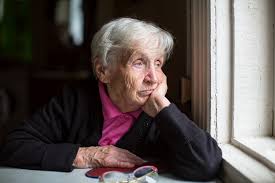
The loss of loved ones—spouses, friends, and family members—is a significant source of stress for older adults. As their social circles shrink, they may experience profound loneliness and isolation.
Impact:
Loneliness can lead to depression, anxiety, and a decline in physical health. The lack of social interaction and emotional support exacerbates feelings of isolation, making it difficult to cope with daily stressors.
Support Strategies:
– Encourage participation in social activities and community groups.
– Facilitate connections with family and friends through regular visits, phone calls, and video chats.
– Consider volunteer opportunities or senior centers that offer social programs and support networks.
4. Fear of Losing Independence;

Older adults and stress
Description:
Many older adults fear losing their independence as they age. The prospect of needing help with daily activities, moving into assisted living facilities, or losing the ability to drive can be distressing.
Impact:
The fear of dependency can cause significant stress, leading to anxiety about the future and reluctance to accept necessary help. This stress can manifest in resistance to using assistive devices or receiving care, further complicating their situation.
Summary
Due to age-related changes, older persons frequently have longer and more powerful physiological reactions to stress, which slows down recovery. Chronic disease, the death of a loved one, financial hardship, and caring obligations are common causes. Social interaction, frequent movement, and expert assistance are necessary for managing it.


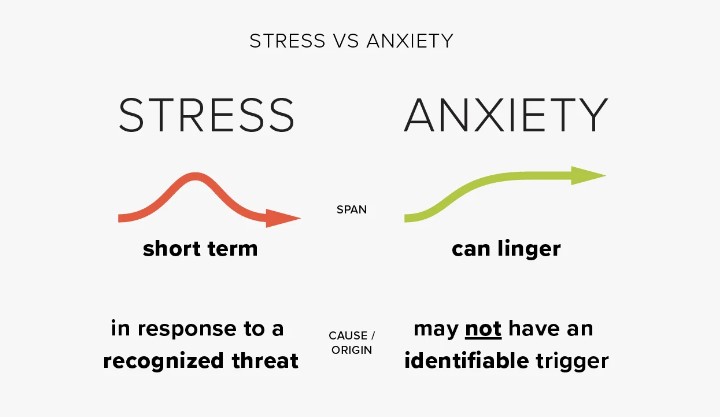
Anxiety and Stress Differences. Anxiety is a continual, internal emotion that can happen without a clear trigger, whereas stress is usually a reaction to an external issue and is frequently transient. Choosing the right coping mechanisms and asking for assistance when necessary can be made easier by being aware of the differences.
ANXIETY AND STRESS DIFFERENCES
Although stress and anxiety are sometimes used synonymously, they are two different sensations with different causes and consequences. To help distinguish between the two, here is a quick summary:
1. Nature and Causes

• Stress is a response to external pressures or demands, such as work deadlines, financial challenges, or personal responsibilities. It’s often situational and tends to subside once the stressor is removed.
• Anxiety, on the other hand, is more internal and persistent. It often involves excessive, ongoing worry or fear that may not have a clear or immediate cause. Anxiety can occur even without a specific trigger.
2. Symptoms
• Stress may lead to symptoms like irritability, fatigue, difficulty concentrating, and physical tension. It can be short-term or chronic, depending on how long the stressor lasts.
• Anxiety can include similar symptoms but is often accompanied by excessive worry, restlessness, rapid heartbeat, and sometimes panic attacks. It tends to last longer and may interfere with daily life.
3. Duration
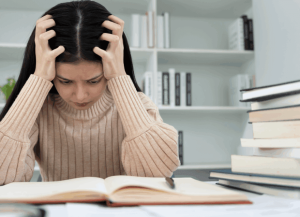
Anxiety and Stress Differences
• Stress usually resolves once the challenging situation is managed or completed.
• Anxiety may persist even after the stressor is gone and can develop into an anxiety disorder if it becomes overwhelming and unmanageable.
Summary
Anxiety is a prolonged feeling of dread or fear that frequently remains without a clear explanation, whereas stress is a transient physical or emotional response to an external trigger.

Stress Test Validity. A medical examination called a stress test, sometimes referred to as an exercise stress test or treadmill test, is used to assess how effectively the heart performs during physical effort. This test is frequently used to evaluate exercise tolerance and diagnose heart problems. and keep an eye on how well patients with documented cardiac problems are responding to treatment.
STRESS TEST VALIDITY
When it comes to identifying clogged arteries, a stress test is typically very accurate. They become more dependable when imaging tests like an echocardiography or nuclear imaging are added. However, stress tests might overlook minor obstructions or problems in the absence of these additional photos.

During a stress tests, the patient is typically asked to walk on a treadmill or pedal a stationary bike. Gradually increasing the intensity of the exercise. While the patient exercises, their heart rate, blood pressure, and breathing are closely monitored. At the same time, an electrocardiogram (ECG) records the heart’s electrical activity. In some cases, imaging tests like echocardiography or nuclear imaging are also used in conjunction to provide detailed views of the heart’s structure and function.
Why Stress Test;

Stress Test validity
The goal of the stress test is to make the heart work harder and pump faster. Which can reveal problems that might not be visible when the heart is at rest. For instance, it can help identify areas of the heart muscle that are not receiving enough blood flow due to blocked or narrowed arteries. A condition known as coronary artery disease. It can also help detect arrhythmias, or irregular heartbeats, that may only occur during physical exertion.
Summary
Stress tests are useful in the diagnosis and treatment of cardiac disorders. They assist in determining the right amount of exercise for a patient, direct treatment choices, and evaluate the likelihood of subsequent heart-related incidents.In conclusion, a stress test is an essential cardiology technique that assesses how well the heart functions under pressure. supplying crucial data for the diagnosis and management of cardiac disorders.
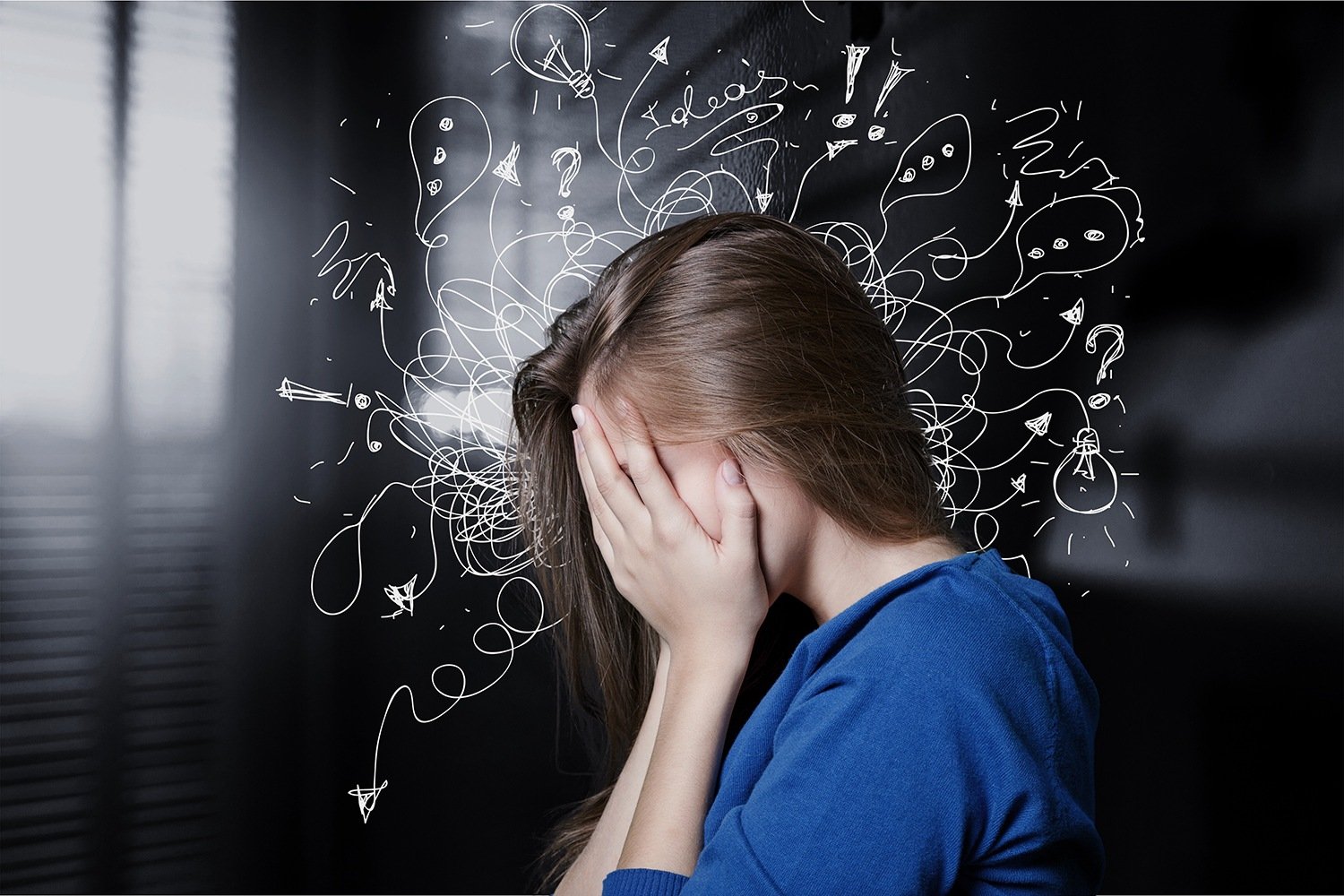
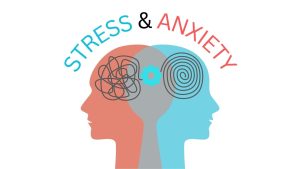
Anxiety and stress analysis. They are two different but linked emotional reactions to pressure. Usually, stress is a response to recognizable, outside threats that subsides as the circumstance passes. Anxiety is frequently characterized by excessive, ongoing anxiety that doesn’t have a direct cause and shows up as fear or dread. Insomnia and tense muscles are common physical signs of both, but anxiety can seriously interfere with day-to-day functioning.
ANXIETY AND STRESS ANALYSIS
Anxiety is a continuous, internal emotion that can happen without a clear reason, whereas stress is usually a reaction to an external circumstance and is frequently transient. Knowing the difference can make it easier to select the best coping mechanisms and ask for assistance when necessary. Although the terms stress and anxiety are frequently used interchangeably, they are two different experiences with different causes and outcomes. To help distinguish between the two, here is a quick summary:
1. Nature and Causes;
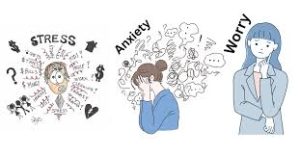
• Stress is a response to external pressures or demands, such as work deadlines, financial challenges, or personal responsibilities. It’s often situational and tends to subside once the stressor is removed.
• Anxiety, on the other hand, is more internal and persistent. It often involves excessive, ongoing worry or fear that may not have a clear or immediate cause. Anxiety can occur even without a specific trigger.
2. Symptoms;
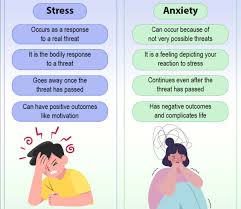
Anxiety and stress analysis
• Stress may lead to symptoms like irritability, fatigue, difficulty concentrating, and physical tension. It can be short-term or chronic, depending on how long the stressor lasts.
• Anxiety can include similar symptoms but is often accompanied by excessive worry, restlessness, rapid heartbeat, and sometimes panic attacks. It tends to last longer and may interfere with daily life.
3. Duration;
Anxiety and stress analysis
• stress usually resolves once the challenging situation is managed or completed.
• Anxiety may persist even after the stressor is gone and can develop into an anxiety disorder if it becomes overwhelming and unmanageable.
Summary
Anxiety is a chronic, excessive fear or worry that frequently persists after a stressor has passed, whereas stress is a response to an external, current threat or demand (such as deadlines). Both have similar symptoms, such as weariness, sleeplessness, and a fast heartbeat. Changes in lifestyle, counseling, and, if required, medication are all part of management.

Torchlight Selection

Best Practices for Face Exfoliation

Chemical Face Exfoliation

A Step-by-Step Guide to Deleting Reels on Instagram

A Comprehensive Guide to Setting Up a YouTube Premiere