oil
Onion Oil and Health

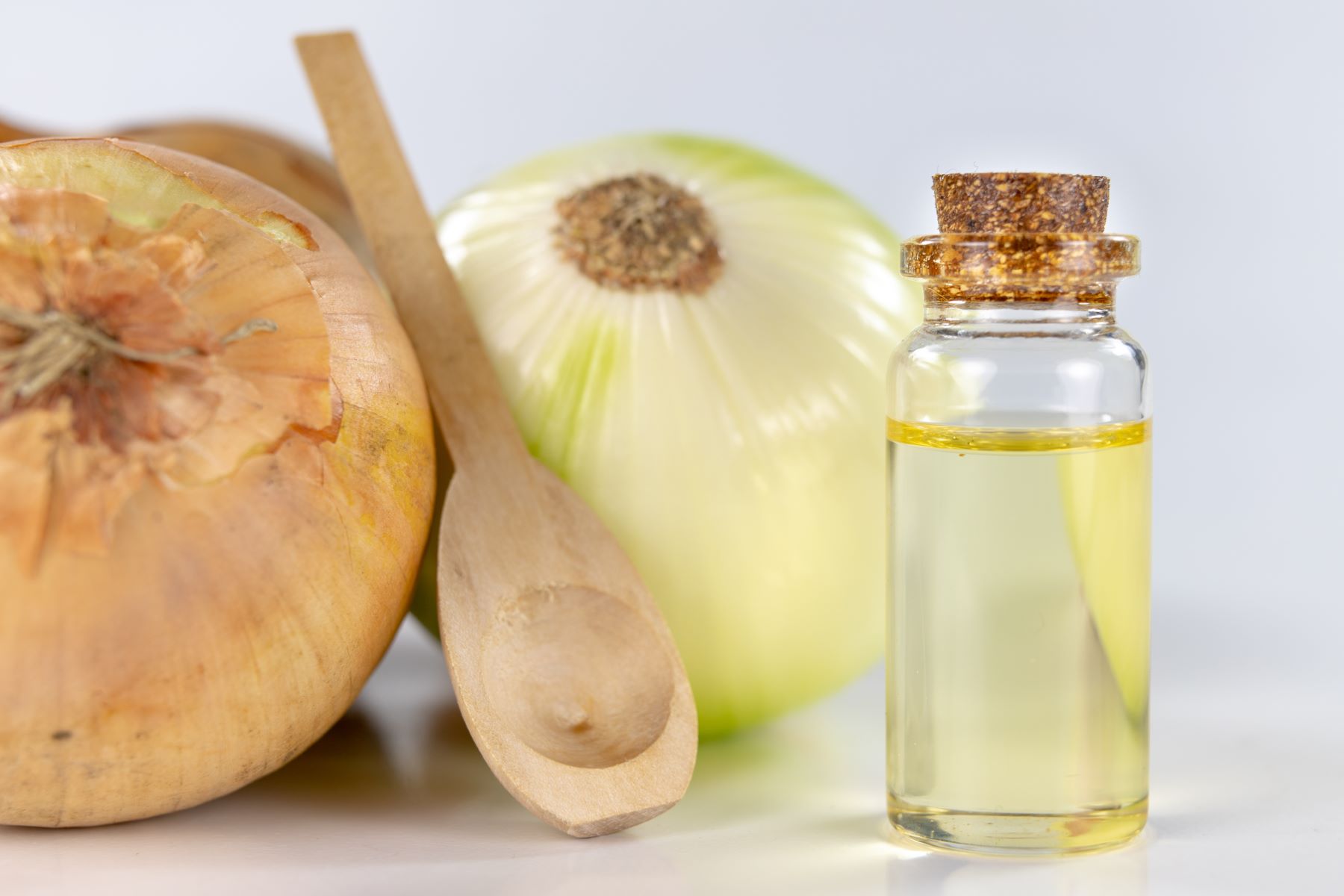

Onion oil and health. It can be added to food, utilized in hair and skincare products, or used topically to the skin and scalp. Because of its powerful qualities and potent scent, it must be used sparingly. A useful and adaptable complement to culinary and health practices is onion oil. It is a useful natural medication because of its antibacterial, antioxidant, and skin and hair care qualities. Whether utilized as a tasty ingredient in cooking or in cosmetic procedures. Numerous benefits of onion oil improve general health. Onion oil, which is extracted or infused from onions, is becoming more and more popular due to its many uses and health advantages. renowned for its strong qualities and unique scent. For generations, onion oil has been utilized in both traditional medicine and cooking.
ONION OIL AND HEALTH
Because onion oil is rich in sulfur compounds, antioxidants like quercetin, and vitamins A, C, and E, it may have health benefits. It is well-known for its antioxidant and anti-inflammatory qualities, which may promote cardiovascular health, control blood sugar, and promote wound healing and scar reduction. By stimulating hair follicles and enhancing circulation, it is used in hair care to encourage growth and fight dandruff. However, use onion oil sparingly because some people may experience allergic reactions, skin irritation, or gastrointestinal distress.
Nutritional and Therapeutic Benefits;

ONION OIL AND HEALTH
Onions oil is packed with antioxidants such as quercetin and sulfur compounds, which help combat oxidative stress and inflammation. These antioxidants can support overall health and may reduce the risk of chronic diseases.
2. Supports Hair Health:
Often used in hair care, onions oil is believed to stimulate hair growth, strengthen hair follicles, and reduce dandruff. Its rich sulfur content can improve blood circulation to the scalp, promoting healthier hair.
3. Boosts Immunity:
The antimicrobial properties of onion’s oil may help fight infections and enhance immune function. Regular use can contribute to a strengthened immune system.
4. Improves Skin Health:
Onion oil’s antioxidants and anti-inflammatory properties can benefit the skin by reducing acne and promoting a healthy complexion. It also helps in wound healing and reducing scars.
Culinary Uses;

ONION OIL AND HEALTH
In cooking, onions oil can be used to infuse dishes with a subtle onion flavor without the texture of fresh onions. It is particularly useful in dressings, marinades, and as a base for sautéing, providing a rich, aromatic taste.
Summary
By nourishing hair follicles and boosting blood flow to the scalp, onion oil, a sulfur-rich hair and skin treatment, is said to encourage hair growth, lessen hair loss, and combat dandruff. Additionally, it possesses antioxidant and antibacterial qualities that can help the skin by preventing damage, minimizing scarring, and curing acne. The oil comes in pre-made mixes with other healthy oils like argan and coconut oil, and it may be applied to the skin or scalp.














Uses of Castor Oil. For many years, castor oil has been promoted as a flexible, all-natural treatment with numerous advantages for skin, hair, and general health. For generations, traditional medicine and cosmetic procedures have utilized this thick, rich oil that is extracted from the seeds of the castor plant (Ricinus communis). Does it, however, live up to the hype? This is an overview of castor oil’s several applications.
USES OF CASTOR OIL
Castor oil is a potent natural medicine that has several advantages, including hydrating dry skin and encouraging hair growth. It is a mainstay in many cosmetic regimens due to its rich composition and therapeutic qualities. Like any product, tho, it’s crucial to use it correctly and be aware of any possible responses. The oil is a flexible and useful choice that is worth trying, regardless of whether you want to improve your skin, hair, or lashes.
Benefits;
1. Hair Growth and Strengthening;

One of the most popular uses for castor oil is promoting hair growth. Rich in ricinoleic acid, a type of fatty acid, castor oil is believed to increase circulation to the scalp, nourish hair follicles, and stimulate hair growth. Many users apply it to their scalp and eyebrows or lashes to encourage thicker, fuller hair.
2. Moisturizing Dry Skin;
Castor oil is an excellent moisturizer, especially for those with dry or flaky skin. Its thick consistency forms a protective barrier on the skin, locking in moisture and providing relief from dryness. It’s often used to treat rough areas like elbows, knees, and heels.
3. Healing Properties;

Uses of Castor Oil
The anti-inflammatory and antimicrobial properties of castor oil make it a popular choice for treating minor wounds, cuts, and skin irritations. It can help reduce inflammation and protect the skin from infection while promoting faster healing.
4. Acne Treatment;
While it might seem counterintuitive to apply oil to acne-prone skin, castor oil’s anti-inflammatory properties can help reduce redness and swelling associated with acne. It also contains fatty acids that help restore the skin’s natural moisture balance, potentially reducing breakouts.
5. Eyelash and Eyebrow Enhancer;

Uses of Castor Oil
Many people swear by castor oil as a natural way to enhance eyelashes and eyebrows. By applying a small amount to lashes and brows nightly, users report stronger, longer, and more defined hairs over time.
Uses;
• For Hair: Warm a small amount of the oil in your hands and massage it into your scalp. You can also apply it to the ends of your hair to prevent split ends. Leave it on for at least 30 minutes, or overnight for deeper conditioning, before washing it out with shampoo.
• For Skin:

Uses of Castor Oil
Apply a small amount of the oil to dry areas of your skin and massage it in until absorbed. For best results, use it as part of your nighttime routine, allowing it to work overnight.
• For Eyelashes and Eyebrows: Use a clean mascara wand or cotton swab to apply a thin layer of the oil to your lashes and brows before bed.
Potential Drawbacks;

While the oil is generally safe for most people, it can cause allergic reactions in some individuals, leading to redness, itching, or irritation. Always perform a patch test on a small area of skin before using it more broadly.
Summary
Castor bean seeds are used to make castor oil, a viscous vegetable oil. Its primary medical application is as a natural laxative to relieve transient constipation.

Importance of Clove Oil. A powerful and adaptable natural medicine, clove oil can be particularly helpful for dental health. The oil has a number of medicinal advantages, whether you’re seeking for a natural solution to freshen your breath or are coping with a toothache or gum irritation. To prevent irritation or negative effects, it should be used carefully and diluted appropriately due to its potency. As with any natural therapy, it’s crucial to speak with a healthcare provider for an accurate diagnosis and course of treatment if you have ongoing symptoms or health issues
IMPORTANCE OF CLOVE OIL
The dried flower buds of the clove tree (Syzygium aromaticum) are used to make clove oil, a potent essential oil. Clove oil has been used for millennia in traditional medicine, especially for oral health, due to its strong analgesic, anti-inflammatory, and antibacterial qualities. Here’s a closer look at the health benefits and safe usage of clove oil.
Benefits;

1. Pain Relief: The most well-known use of clove oil is for relieving toothache pain. The active compound in the oil, eugenol, acts as a natural anesthetic, numbing the affected area and providing temporary relief from pain. This makes the oil a popular home remedy for toothaches, sore gums, and mouth ulcers.
2. Antibacterial Properties: Clove oil has strong antibacterial effects that can help combat infections in the mouth. It can inhibit the growth of bacteria that cause dental issues, such as cavities and gum disease. Using the oil can support overall oral hygiene and help prevent oral infections.
3. Anti-Inflammatory Effects:

In addition to pain relief, clove oil’s anti-inflammatory properties can help reduce swelling and irritation in the gums. This is particularly useful for conditions like gingivitis or inflamed gums due to a toothache.
4. Digestive Aid: the oil is also used to alleviate digestive issues like bloating, indigestion, and nausea. When diluted and consumed properly, it can help soothe the stomach and support digestion.
How to Use Clove Oil;

Importance of Clove Oil
– For Toothaches: Dip a cotton ball or swab into a few drops of the oil and apply it directly to the painful tooth or gums. Let it sit for about 15-20 minutes, then rinse your mouth with warm water. Be careful not to swallow clove oil, as it can be strong and cause irritation.
– For Gum Health: Mix a few drops of the oil with a carrier oil, such as coconut or olive oil, and gently massage it into your gums. This can help reduce inflammation and keep your gums healthy.
– As a Mouthwash: Add 2-3 drops of the oil to a cup of warm water and use it as a mouthwash. This can help freshen your breath, kill bacteria, and soothe minor mouth irritations.
Safety Considerations;

Importance of Clove Oil
While the oil is a powerful natural remedy, it’s important to use it with caution:
– Dilution: the oil is highly concentrated and should always be diluted with a carrier oil (such as coconut or olive oil) before applying it to the skin or gums.
– Sensitivity: Some people may be sensitive to the oil, especially when used in high concentrations. It’s advisable to perform a patch test on a small area of skin before using it more broadly. If you experience any irritation or discomfort, discontinue use.
Summary
Medicine is made from dried flower buds, leaves, stems, and clove oils. Eugenol, a compound found in clove oil, may help reduce pain and combat infections. Another common element in cigarettes is clove.

Clove Oil and Oral Health. A powerful and adaptable natural medicine, clove oil can be particularly helpful for dental health. The oil has a number of medicinal advantages, whether you’re seeking for a natural solution to freshen your breath or are coping with a toothache or gum irritation. To prevent irritation or negative effects, it should be used carefully and diluted appropriately due to its potency. As with any natural therapy, it’s crucial to speak with a healthcare provider for an accurate diagnosis and course of treatment if you have ongoing symptoms or health issues.
CLOVE OIL AND ORAL HEALTH
The dried flower buds of the clove tree (Syzygium aromaticum) are used to extract clove oil, a potent essential oil. Clove oil has been used for centuries in traditional medicine, especially for dental health, due to its strong analgesic, anti-inflammatory, and antibacterial qualities. Here’s a closer look at the health benefits and safe application of clove oil.
Benefits;
1. Pain Relief:

The most well-known use of clove oil is for relieving toothache pain. The active compound in the oil, eugenol, acts as a natural anesthetic, numbing the affected area and providing temporary relief from pain. This makes the oil a popular home remedy for toothaches, sore gums, and mouth ulcers.
2. Antibacterial Properties: Clove oil has strong antibacterial effects that can help combat infections in the mouth. It can inhibit the growth of bacteria that cause dental issues, such as cavities and gum disease. Using the oil can support overall oral hygiene and help prevent oral infections.
3. Anti-Inflammatory Effects: In addition to pain relief, clove oil’s anti-inflammatory properties can help reduce swelling and irritation in the gums. This is particularly useful for conditions like gingivitis or inflamed gums due to a toothache.
4. Digestive Aid:

the oil is also used to alleviate digestive issues like bloating, indigestion, and nausea. When diluted and consumed properly, it can help soothe the stomach and support digestion.
How to Use Clove Oil;
– For Toothaches: Dip a cotton ball or swab into a few drops of the oil and apply it directly to the painful tooth or gums. Let it sit for about 15-20 minutes, then rinse your mouth with warm water. Be careful not to swallow clove oil, as it can be strong and cause irritation.
– For Gum Health: Mix a few drops of the oil with a carrier oil, such as coconut or olive oil, and gently massage it into your gums. This can help reduce inflammation and keep your gums healthy.
– As a Mouthwash:

Clove Oil and Oral Health
Add 2-3 drops of the oil to a cup of warm water and use it as a mouthwash. This can help freshen your breath, kill bacteria, and soothe minor mouth irritations.
Safety Considerations;
While the oil is a powerful natural remedy, it’s important to use it with caution:
– Dilution: the oil is highly concentrated and should always be diluted with a carrier oil (such as coconut or olive oil) before applying it to the skin or gums.
– Sensitivity: Some people may be sensitive to the oil, especially when used in high concentrations. It’s advisable to perform a patch test on a small area of skin before using it more broadly. If you experience any irritation or discomfort, discontinue use.
– Ingestion:

Clove Oil and Oral Health
While the oil can be used for oral health. It should not be swallowed in large amounts as it can cause stomach upset, respiratory issues, or other adverse effects. Always use it in moderation and consult a healthcare professional before ingesting clove oil, especially if you have underlying health conditions or are pregnant.
Summary
Clove oil has been found to be effective against a variety of bacteria, including Streptococcus mutans, which is the primary cause of tooth decay. Clove helps keep your mouth clean and lower your risk of cavities by stopping the formation of harmful germs.

Music Recording Apps for Phones

Review of Bandlab Music App

N-Track Studio Review

A Step-by-Step Guide to Deleting Reels on Instagram

A Comprehensive Guide to Setting Up a YouTube Premiere