Connect with us

Health

Understanding Antioxidants: Their Role and Benefits

Published

on

Antioxidants are essential compounds that play a crucial role in maintaining our health and well-being. Found in a variety of foods, these substances help protect the body from damage caused by harmful molecules known as free radicals. Understanding what antioxidants are, how they work, and their benefits can empower individuals to make informed dietary choices to support their overall health.

What are Antioxidants?

Antioxidants are molecules that inhibit the oxidation of other molecules. Oxidation is a chemical reaction that can produce free radicals, leading to chain reactions that may damage cells. Free radicals are unstable molecules that can cause oxidative stress, contributing to aging and various diseases, including cancer, heart disease, and neurodegenerative disorders.

Types of Antioxidants

Antioxidants come in various forms and can be categorized into several types:

1. Endogenous Antioxidants: These are produced naturally by the body and include enzymes like superoxide dismutase, catalase, and glutathione peroxidase.

2. Exogenous Antioxidants: These are obtained from the diet and include:
– Vitamin C (Ascorbic Acid): Found in citrus fruits, strawberries, and bell peppers.

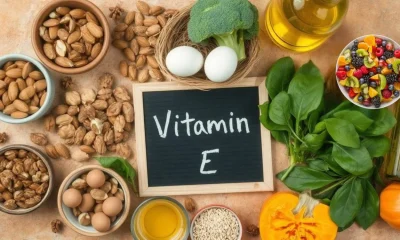
– Vitamin E (Tocopherol): Found in nuts, seeds, and green leafy vegetables.

– Beta-Carotene and Other Carotenoids: Found in colorful fruits and vegetables like carrots, sweet potatoes, and spinach.

Polyphenols: Found in tea, coffee, red wine, chocolate, and many fruits and vegetables.

Selenium: A trace mineral found in nuts, seafood, and meats.

How Antioxidants Work

Antioxidants neutralize free radicals by donating an electron, thereby reducing their reactivity. This process helps to prevent the free radicals from causing cellular damage. The body relies on a balance between free radicals and antioxidants to maintain optimal physiological function. An imbalance, with more free radicals than antioxidant, leads to oxidative stress.

Benefits of Antioxidant

Antioxidants offer a wide range of health benefits, primarily through their ability to combat oxidative stress and support overall cellular health. Here are some of the key benefits:

1. Prevention of Chronic Diseases: By neutralizing free radicals, antioxidant help reduce the risk of chronic diseases such as cancer, cardiovascular diseases, and neurodegenerative disorders like Alzheimer’s and Parkinson’s disease.

2. Immune System Support: Antioxidants boost the immune system by protecting immune cells from damage, thereby enhancing the body’s ability to fight off infections and illnesses.

3. Skin Health: Antioxidants such as vitamins C and E protect the skin from damage caused by ultraviolet (UV) radiation and pollution, reducing the signs of aging, such as wrinkles and age spots.

4. Eye Health: Certain antioxidants, like lutein and zeaxanthin, are essential for eye health and can help prevent age-related macular degeneration and cataracts.

5. Anti-Inflammatory Properties: Many antioxidants have anti-inflammatory properties, helping to reduce inflammation throughout the body. This can be particularly beneficial for conditions like arthritis and other inflammatory diseases.

6. Heart Health: Antioxidants help improve heart health by preventing the oxidation of low-density lipoprotein (LDL) cholesterol, which can reduce the risk of atherosclerosis (hardening of the arteries) and subsequent heart attacks or strokes.

Sources of Antioxidant

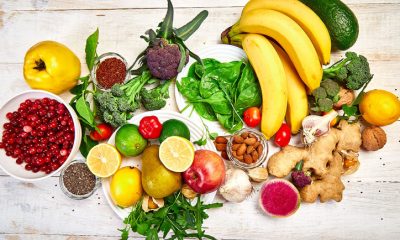
A diet rich in antioxidants is essential for maintaining good health. Here are some foods that are high in antioxidant:

Fruits: Berries (such as blueberries, strawberries, and raspberries), citrus fruits, grapes, apples, and cherries.

Vegetables: Leafy greens (such as spinach and kale), bell peppers, broccoli, carrots, and sweet potatoes.

Nuts and Seeds: Almonds, walnuts, sunflower seeds, and flaxseeds.

Beverages: Green tea, black tea, coffee, and red wine (in moderation).
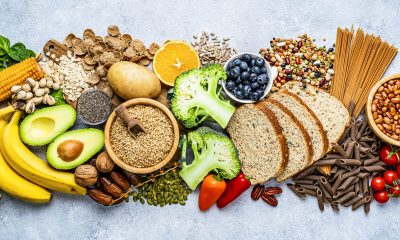
• Others: Dark chocolate, whole grains, and legumes.

Incorporating Antioxidant into Your Diet

To maximize the benefits of antioxidant, it is important to incorporate a variety of antioxidant-rich foods into your diet. Here are some tips:

Eat a Rainbow: Consume a wide range of colorful fruits and vegetables to ensure you are getting a diverse array of antioxidant.

Snack Smart: Choose nuts, seeds, and fruits as snacks instead of processed foods.

Drink Wisely: Opt for beverages like green tea or natural juices instead of sugary drinks.

Cook Lightly: Some antioxidant can be lost during cooking. Try to eat some fruits and vegetables raw or lightly steamed to preserve their nutritional value.


Antioxidants are vital components of a healthy diet, offering protection against oxidative stress and contributing to the prevention of chronic diseases, the maintenance of healthy skin, and overall well-being. By understanding the importance of antioxidants and incorporating a variety of antioxidant-rich foods into your daily diet, you can support your health and enhance your quality of life.

Health

Relevance of water consumption

Published

on

Relevance of water consumption. With the chemical formula H2O, water is an inorganic substance. It is a chemical compound that is translucent, tasteless, odorless, and almost colorless. It serves as a solvent in the fluids of all known living things and is the primary component of Earth’s streams, lakes, and oceans. Strong intermolecular hydrogen bonding occurs in water because it is a polar molecule, which greatly influences its chemical and physical characteristics.

RELEVANCE OF WATER CONSUMPTION

Also, including fluids from food and drink, the recommended daily water intake is around 11.5 cups (2.7 liters) for women and 15.5 cups (3.7 liters) for men. Health, activity, and climate all affect daily requirements, with food typically accounting for 20% of intake. While excessive water consumption might result in intoxication, proper hydration is essential for body functions.

Alleviates Indigestion and Heartburn;

• Increased stomach acidity and acid reflux in the esophagus might result in heartburn and ingestion. Water dilutes the stomach and pushes down acidity when consumed first thing in the morning. • The water’ will lessen the acidity in your stomach, allowing you to feel comfortable when it’s time for breakfast.

Aids in Losing Weight; • When you drink water as soon as you wake up, your body releases toxins that cause your intestines to start moving. This is in addition to making you feel less hungry and reducing cravings. Your digestive system will heal and get better thanks to this procedure.

Enhances Skin Brightness for Perfect Complexion;

Relevance of water consumption

Relevance of water consumption

• Drinking water helps your body expel toxins more quickly, giving your skin the vibrancy and glow you may purchase products to achieve. • In fact, studies have shown that drinking 500 mL of water will improve blood flow, brighten your skin, and boost the creation of new blood cells. • Deeper pores and early wrinkles might also result from your body’s deficiency of water.

Strengthens Immune System;

• Drinking wat-er first thing in the morning flushes out the stomach and therefore balances the lymphatic system. A stable lymphatic system will help build a strong immune system, which will prevent us from getting sick as often.

Increase Shine and Hair Texture;

Relevance of water consumption

Relevance of water consumption

However, did you know that wate r makes up 25% of the weight of a single hair? By reducing water consumption, you are actually causing your hair to turn thin and delicate. Just yet another reason why drinking wa-ter on an empty stomach will increase hair growth.


Summary

Maintaining homeostasis, which supports vital body processes including temperature regulation, nutrition transportation, joint lubrication, and waste disposal, requires consuming enough water. Maintaining adequate water improves digestion, prevents kidney stones, increases energy, and improves cognitive function.


Continue Reading

Health

Why eat Ginger

Published

on

Why eat Ginger. It is a flowering plant whose rhizome, often known as ginger root or ginger, is used extensively as a spice and in traditional medicine. It is a herbaceous perennial with narrow leaf blades that produces annual pseudostems, or artificial stems constructed of the curled bases of leaves, that are about one meter tall. The inflorescences grow directly from the rhizome on distinct branches and produce blooms with pale yellow petals with purple borders.

WHY EAT GINGER

Packed in gingerol, ginger is a powerful natural cure with anti-inflammatory and antioxidant properties that improve digestion, lessen nausea (including morning sickness and chemotherapy-related nausea), soothe muscular soreness, and lower blood sugar. It is frequently used to alleviate motion sickness, dyspepsia, and the symptoms of arthritis.

1) Improved Digestion;

Ginger can assist expedite the digestion process and help your stomach empty more quickly if you’re experiencing indigestion. It may provide comfort for someone suffering from digestive problems including ulcers, constipation, or IBS if they incorporate it into their normal diet. According to recent research, people who eat ginger digest twice as quickly as others who don’t. It stimulates good enzymes that aid in the breakdown of the food we eat and improves flow within the digestive system. Because of this, it’s fantastic substance for soothing the stomach and reducing bloating and pain. Recall that little bit of ginger goes long way.

2) Boosts Immunity;

The bioactive substance called gingerol, which is present in the raw root, is what gives ginger its enchantment. Gingerol’s antibacterial and antifungal qualities help to strengthen immunity. In addition, ginger has strong anti-inflammatory and antioxidant qualities, making it powerful protection against common illnesses.

3) Help Out with Cancer;

Why eat Ginger

Why eat Ginger

Due to its ability to reduce inflammation in the body and limit the growth of some cancer cells, ginger has shown promise as an adjunct to conventional cancer treatments. Research on ginger has indicated that some of the health advantages of gingerol may be able to prevent some malignancies, including pancreatic, ovarian, and colon cancer. Its anti-inflammatory and antioxidant qualities can assist shield your body, but they are not panacea.

4) Weight-Loss Tool;

Studies have indicated that eating ginger may facilitate weight loss. Ginger’s thermogenic qualities enable it to raise body temperature and aid in burning calories. Ginger also helps with post-workout recovery and regulates insulin levels. Ginger can speed up your metabolism and make you feel fuller so you don’t overeat when it comes to weight loss.

5) Brightens The Skin;

Why eat Ginger

Why eat Ginger

Additionally, ginger helps to brighten the face by encouraging blood circulation, which results in healthy glow and natural shine. Raw ginger can aid with acne scarring and its antiseptic qualities can help with acne symptoms. The anti-inflammatory qualities of ginger also help to soothe inflamed skin.

How to Incorporate More Ginger in Your Diet

1)  Ginger Tea

Tea is one of the most popular forms of ginger consumption. Ginger tea is made by simply steeping pieces of chopped, sliced, or minced ginger in water. Use ingredients like honey or lemon to enhance the flavor even further. While some prepared tea bag manufacturers offer ginger variants, fresh ginger may be more helpful.


Summary

Ginger Extract The easiest way to get your ginger fix is with daily injection of ginger juice. They can be prepared at home with juicer. If they prefer to drink it raw or don’t need to prepare meal, some people even do so for faster health benefits.

Continue Reading

Fruits

Healthy impacts of fruit salad

Published

on

Healthy impacts of fruit salad. By offering a concentrated source of vital vitamins, minerals, fiber, and antioxidants that improve digestion, strengthen the immune system, and promote heart health, fruit salad offers substantial health advantages. Its high water and fiber content encourages hydration and fullness, which helps control weight. Frequent use offers long-lasting natural energy, enhances skin health, and lowers the risk of chronic diseases.

HEALTHY IMPACTS OF FRUITS SALAD

Meanwhile, the mature ovary or ovaries of one or more flowers are called fruits. Aggregate fruits, numerous fruits, and simple fruits are the three primary anatomical categories in which they are found. A fleshy aril or sarcotesta are examples of fruit-like structures that can grow straight from the seed instead of the ovary.

Health Benefits;

Although, since fruit salad is composed of a variety of fruits, it has all the healthy components found in each individual fruit. Because of this, fruit salads are healthier than those made with just one fruit. Fruit salad has several health advantages

1) Promotes Weigh Loss

Fruits have no calories and are mostly made of water. It is therefore great choice for those who wish to reduce weight.

2) High Energy Levels

Also, people that exercise tend to consume more fruits because most of them have vitamins that can increase energy levels. good fruit salad can provide you with energy comparable to that of fighter.

3) Gives You Healthy Skin and Hair

Healthy impacts of fruit salad

Healthy impacts of fruit salad

Although. vibrantly colored fruits are packed with carotenoids, which can lessen the sensitivity of your skin to the sun. Fruits include vitamin C, which aids in the production of collagen, an enzyme that fortifies the capillaries that supply the hair shaft. This results in healthy skin and hair for you.

4) Gives You A Healthy Immune System

However, vitamin C, which is the most abundant vitamin in fruit, is excellent for our immune systems. Your immune system can weaken and you may become ill if you don’t get enough vitamin C. For this reason, eating fruit salad every day is crucial to maintaining strong immune system.

5) Helps to Prevent Heart Diseases

Healthy impacts of fruit salad

Healthy impacts of fruit salad

Also, heart disease risk is decreased as a result Additionally, fruits have relatively little cholesterol and cannot raise your blood cholesterol levels. Select a fruit salad to keep your heart health


Summary

Fruit salad is a meal made with a variety of fruits, occasionally served with a liquid, such as a syrup or juice. Fruit salad can be served as a side salad or as an appetizer in a variety of ways. A fruit cocktail or fruit cup is another name for a fruit salad.


Continue Reading

Trending

Copyright © 2024 Simplexplainer.com. Designed by mypworld@gmail.com