DIY
Onions Juice: Benefits and Uses for Hair Growth


Onions juice is a natural remedy known for promoting hair growth and reducing hair loss. Rich in sulfur, antioxidants, and antibacterial properties, it helps strengthen hair, nourish the scalp, and stimulate hair follicles.
Benefits of Onions Juice for Hair
1. Promotes Hair Growth
Onions juice boosts blood circulation to the scalp, stimulating hair follicles and encouraging hair regrowth.
2. Reduces Hair Loss
The sulfur content in onions strengthens hair strands, reducing breakage and hair fall.
3. Fights Dandruff and Scalp Infections
Onions juice has antibacterial and antifungal properties that help eliminate dandruff and scalp infections.
4. Strengthens Hair and Prevents Thinning
It nourishes hair roots, making hair stronger, thicker, and healthier.
5. Delays Premature Graying
Antioxidants in onions juice help prevent premature graying by reducing oxidative stress on hair cells.
How to Use Onion Juice for Hair Growth
1. Pure Onion Juice

– Extract juice from one onion.
– Apply directly to the scalp using a cotton ball.
– Leave it on for 15–30 minutes.
– Rinse with a mild shampoo to remove the smell.
2. Onion Juice and Coconut Oil
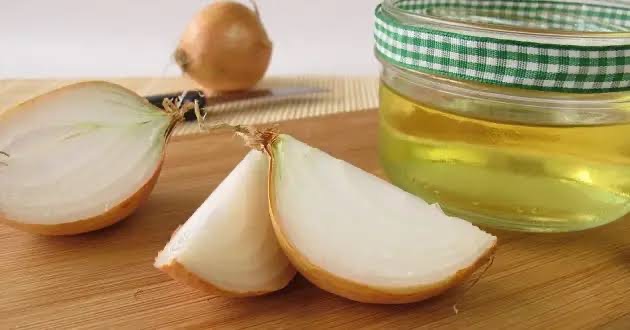
– Mix 2 tablespoons of onion juice with 1 tablespoon of coconut oil.
– Massage into the scalp and leave for 30 minutes.
– Wash with a gentle shampoo.
3. Onion Juice and Aloe Vera

– Combine onion juice with aloe vera gel for a soothing effect.
– Apply to the scalp and rinse after 30 minutes.
4. Onion Juice and Honey

– Mix 1 tablespoon of onion juice with 1 teaspoon of honey.
– Apply to the scalp and rinse after 20 minutes.
Precautions
– Always do a patch test before applying onion juice to check for allergies.
– Avoid using onion juice on an irritated or sensitive scalp.
– Use 2–3 times a week for best results.
Onion juice is a powerful, natural solution for hair growth, helping to strengthen and nourish the scalp while reducing hair loss.









Types of DIY Home Decorations. One of the projects in this roundup is worth attempting, regardless of your style—eclectic, modern, rustic, or minimalist. There are do-it-yourself projects that suit all skill levels and interests, whether you’re interested in sewing, painting, or woodworking. If you’ve never done any of these crafts before, we’ve included beginner-friendly projects like DIY colored glassware, a hanging photo collage, and decorated candlesticks.
TYPES OF DIY HOME DECORATIONS
Consider the chic cabinet constructed from shutters, the succulent planter made from wooden crates, and the artificial flowers produced from egg cartons. Many of these projects are also excellent instances of upcycling. We’ve included some seasonal accents, including DIY Christmas décor (gilded candle holders, for example) and fall décor ideas (a gallery wall with an autumnal motif).
Types;

1. First, the live edge shelf This breakfast bar is constructed using live-edge wood and a homemade floating shelf kit. All it takes is a basic shelf to transform an underutilized nook into food service.
2. Decorative Mantel Try painting the headboard from wall to wall as a renter-friendly method to make a big visual impact in the bedroom.
3. Cupboard Cabinet Stylish and evocative of classic apothecary cabinets,

Types of DIY Home Decorations
this case holds nine roomy cubbies to store everything from workplace and school materials to seasonal treasures. All the materials you need to get the appearance are fairly inexpensive, roughly $15.
More Home Decorations;
4. However, the Floral Candlestick If you’re having a dinner party, these ordinary taper candles can be transformed into artistic home décor. Wipe the candlesticks with alcohol to remove any dust or debris before adding your favorite floral designs with acrylic paint or paint markers. Our recommendations? To avoid smearing your work, decorate one side at a time.

Types of DIY Home Decorations
5. Also, headrest Banquet Adding backrests to a seating area will make a neutral nook more comfortable. Since most curtain rods are adjustable, designer Ali Henries’ use of brass metal drapery rods to suspend pillows was a reasonably easy undertaking.
Summary
Budget-friendly wall art, painted glass or plastic bottles, personalized picture frames, and textured plant pots are popular do-it-yourself home décor ideas. These imaginative crafts allow you to update your living area with basic craft supplies, common objects, and thrifted goods.
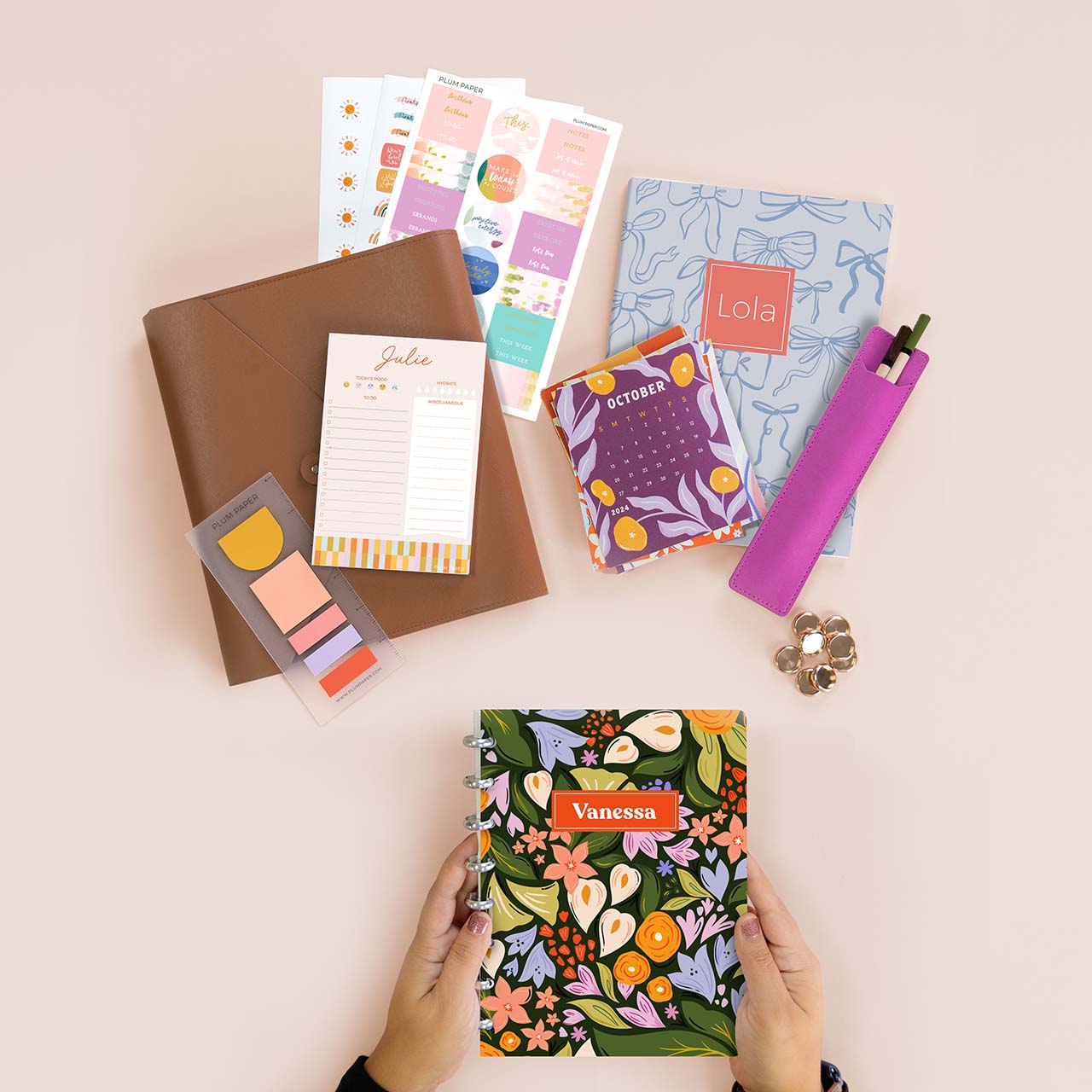
A Guide for DIY Projects. You are aware of how costly it may be to hire someone to do a basic household task. For instance, hiring a roofer to fix your house is a great idea because they are experts, but as soon as they are done, they will send you an invoice. Do-it-yourself projects enable you do some tasks while saving money. The only tools you’ll need are supplies, your hands, and a workstation. We wanted to honor the do-it-yourselfers out there today by offering them some tips to help them finish a variety of projects.
A GUIDE FOR DIY PROJECTS
It takes a combination of careful preparation, appropriate equipment, and practical project selection to finish a do-it-yourself job successfully. Whether you want to learn a new skill, save money, or modify your living area, taking a methodical approach to a project guaranties a polished outcome and avoids frequent mistakes.
What are DIY Projects?

You see and hear the abbreviation “DIY” everywhere, and you presumably already know what it means: “Do it Yourself.” It appears to be an easy concept. However, the term “DIY” may conjure up quite diverse visions for various people because it can refer to so many things.
Guidelines;
1. Always Be Safe. Of course, you should not be careless. You’re doing this project alone to save money. Nonetheless, it would be foolish to preserve some funds just to pay a hospital cost.
2. Get a clear picture. Before starting any project, The good thing about DIY is that it is addictive; once you start, you can’t stop. As a result, you will most likely be switching between projects.
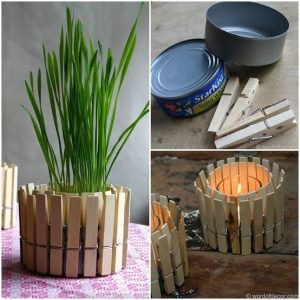
3. Ensure adequate working space to prevent fatalities. Begin by having your own personal place.
4. Focus on a project until it is completed. Regardless of how difficult or easy a project is, make sure you complete it. You may be quite motivated when you first start a career, but it may be difficult to leave.
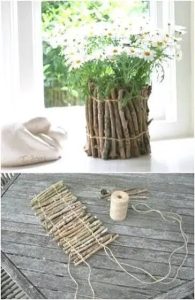
A Guide for DIY Projects
5. Keep Your Tools Clean. Always get high-quality tools. This can help you avoid problems like broken brushes within the first month of use or shattered hammers, especially if you hit a sturdy platform.
Summary
DIY projects are accessible, affordable ways to acquire new skills, organize your house, or personalize your environment. You can take on everything from basic 10-minute crafts to complex house repairs, depending on your interests and degree of competence.

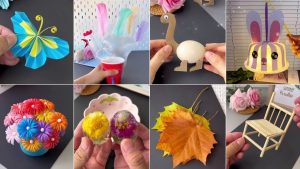
DIY projects guidelines. Advice on DIY projects. You are aware of how costly it may be to hire someone to do a basic household task. For instance, hiring a roofer to fix your house is a great idea because they are experts, but as soon as they are done, they will send you an invoice. Do-it-yourself projects enable you do some tasks while saving money. The only tools you’ll need are supplies, your hands, and a workstation. We wanted to honor the do-it-yourself out there today by offering them some tips to help them finish a variety of projects.
DIY PROJECTS GUIDELINES
The guidelines for a do-it-yourself project include planning (selecting an appropriate project, establishing a budget, listing materials/tools), preparation (organizing your space, prioritizing safety gear like goggles/gloves), execution (working methodically, taking your time, measuring accurately, pre-drilling for wood), and finishing (sanding, painting/staining for protection), all while learning from mistakes and knowing when to ask for help, especially for complex tasks like major electrical work.
What are DIY Projects?
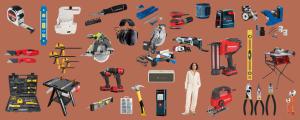
You see and hear the abbreviation “DIY” everywhere, and you presumably already know what it means: “Do it Yourself.” It appears to be an easy concept. However, the term “DIY” may conjure up quite diverse visions for various people because it can refer to so many things.
Guidelines;

DIY projects guidelines
1. Always Be Safe. Of course, you should not be careless. You’re doing this project alone to save money. Nonetheless, it would be foolish to preserve some funds just to pay a hospital cost.
2. Get a clear picture. Before starting any project, The good thing about DIY is that it is addictive; once you start, you can’t stop. As a result, you will most likely be switching between projects.

DIY projects guidelines
3. Ensure adequate working space to prevent fatalities. Begin by having your own personal place.
4. Focus on a project until it is completed. Regardless of how difficult or easy a project is, make sure you complete it. You may be quite motivated when you first start a career, but it may be difficult to leave.

DIY projects guidelines
5. Keep Your Tools Clean. Always get high-quality tools. This can help you avoid problems like broken brushes within the first month of use or shattered hammers, especially if you hit a sturdy platform.
Summary
DIY projects include crafts (jewelry, candles, paper mache), useful goods (organizers, garden seats, air pumps), and home décor (painting, gallery walls, furniture upcycling). Numerous ideas are available on well-known websites like YouTube, Pinterest, and Instructables, ranging from simple weekend projects like creating abstract art to more ambitious undertakings like constructing a clubhouse or garden furniture.

Earth Frozen Frontiers

Natural Majestic Wonders

Daily Life Hacks

A Step-by-Step Guide to Deleting Reels on Instagram

A Comprehensive Guide to Setting Up a YouTube Premiere