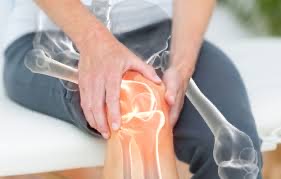

Weak bones, or low bone density, can make your skeleton fragile and increase your risk of fractures and conditions like osteopenia or osteoporosis. Bone weakening often...


Stomach cramps are common and usually refer to pain or discomfort in the abdominal area. They can range from mild to severe and may come in...


Donating blood is a generous and life-saving act, but not everyone can donate at any time. To protect both the donor and the recipient, there are...


Urine naturally has an odor, but when it bad-smelling, sweet, or foul, it may be a sign that something’s going on in your body. While a...
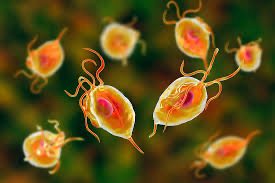

Trichomoniasis (pronounced trik-uh-muh-NEYE-uh-sis) is a common sexually transmitted infection (STI) caused by a tiny parasite called Trichomonas vaginalis. It affects both men and women, but women...
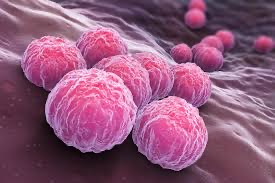

Chlamydia is one of the most common sexually transmitted infections (STIs) in the world. It’s caused by the bacteria Chlamydia trachomatis and spreads through unprotected sexual...


Tissue paper is a simple yet essential part of daily hygiene. Whether it’s for wiping your face, cleaning your nose, or using the restroom, using tissue...


Watery stools—also known as diarrhea—occur when your bowel movements are loose, runny, or liquid. While it’s common and often not serious, frequent or prolonged watery stools...


Dehydration happens when your body loses more fluids than it takes in, making it harder for your body to function properly. Water is essential for digestion,...


Norovirus, often called the “winter vomiting bug,” is a highly contagious virus that causes gastroenteritis—an inflammation of the stomach and intestines. It spreads quickly and can...