plants
Parsnips


PARSNIPS
Parsnips. Similar to parsley root and carrots, parsnips are a type of root vegetable. They contain a number of vital minerals and antioxidants that may boost digestion, strengthen immunity, and promote weight loss. For thousands of years, people have grown and consumed this delectable kind of root vegetable all across the world.
PARSNIPS
Parsnips are a type of vegetable that resembles carrots and parsley roots. They have long, cream-colored, tuberous roots that taste sweet and slightly nutty. Parsnips not only give a distinctive flavor to your food but are also very nutrient-dense and have been linked to numerous health advantages.
1. Packed with Antioxidants

Apart from their excellent nutritional value, parsnips are also a great source of Antioxidants. Antioxidants are substances that promote health by reducing cell damage and preventing oxidative stress. Consuming more antioxidants may also help prevent long-term illnesses like diabetes, heart disease, and cancer. Specifically, ascorbic acid (vitamin C), a water-soluble vitamin that also functions as a potent antioxidant, is abundant in parsnips.
2. Aid weight loss
Parsnips are a great addition to a healthy weight loss diet because they are low in calories and high in fiber, which helps you feel fuller for longer and may decrease your appetite and food intake. One review found that increasing your daily intake of 14 grams of fiber can reduce your calorie intake by up to 10%, resulting in a weight loss of 4 pounds (1.9 kg) in four months.
3. The Immune System

One serving of parsnips provides approximately 25% of your daily need for vitamin C. A water-soluble vitamin that is essential for immune function is vitamin C. One review suggests that consuming adequate vitamin C may help reduce the severity and length of the common cold and other respiratory tract illnesses. It may also benefit in preventing and treating other illnesses, including as pneumonia, malaria, and gastrointestinal infections.
4. Adding to Your Diet Is Simple
Like carrots, parsnips are sweet, but they also have an earthy, nutty flavor. They offer a deep flavor to a variety of meals and can be mashed, roasted, sautéed, boiled, baked, grilled, or fried. They are particularly good in soups, stews, casseroles, gratins, and purees. In your favorite dishes, they may also be simply substituted for almost any other root vegetable, such as turnips, potatoes, carrots, and rutabagas.
5. High levels of both soluble and insoluble fiber

It should come as no surprise that parsnips support proper digestion given their high fiber content. They may also help with diverticulitis and reflux, among other gut-related disorders. Parsnips, which are high in soluble and insoluble fiber, support a more diverse range of healthy gut microorganisms.
6. Calming effects

Both parsnips and carrots contain falcarinol, which helps prevent fungal infections. About 70% of falcarinol is lost during cooking, but the rest is absorbed and can pass through the blood-brain barrier, where it may have a sedative, calming effect. Falcarinol is also serotonergic, which means it affects the feel-good brain chemical serotonin.
Summary
Parsnips are rich in fiber, anti-inflammatory, antioxidant, and healthy for weight loss. They are frequently connected to warm and cozy winter meals, but they can be utilized in a wide range of dishes. They are a good item to start including into stews and soups because of their nutritional value in a balanced diet, which can help with weight maintenance.


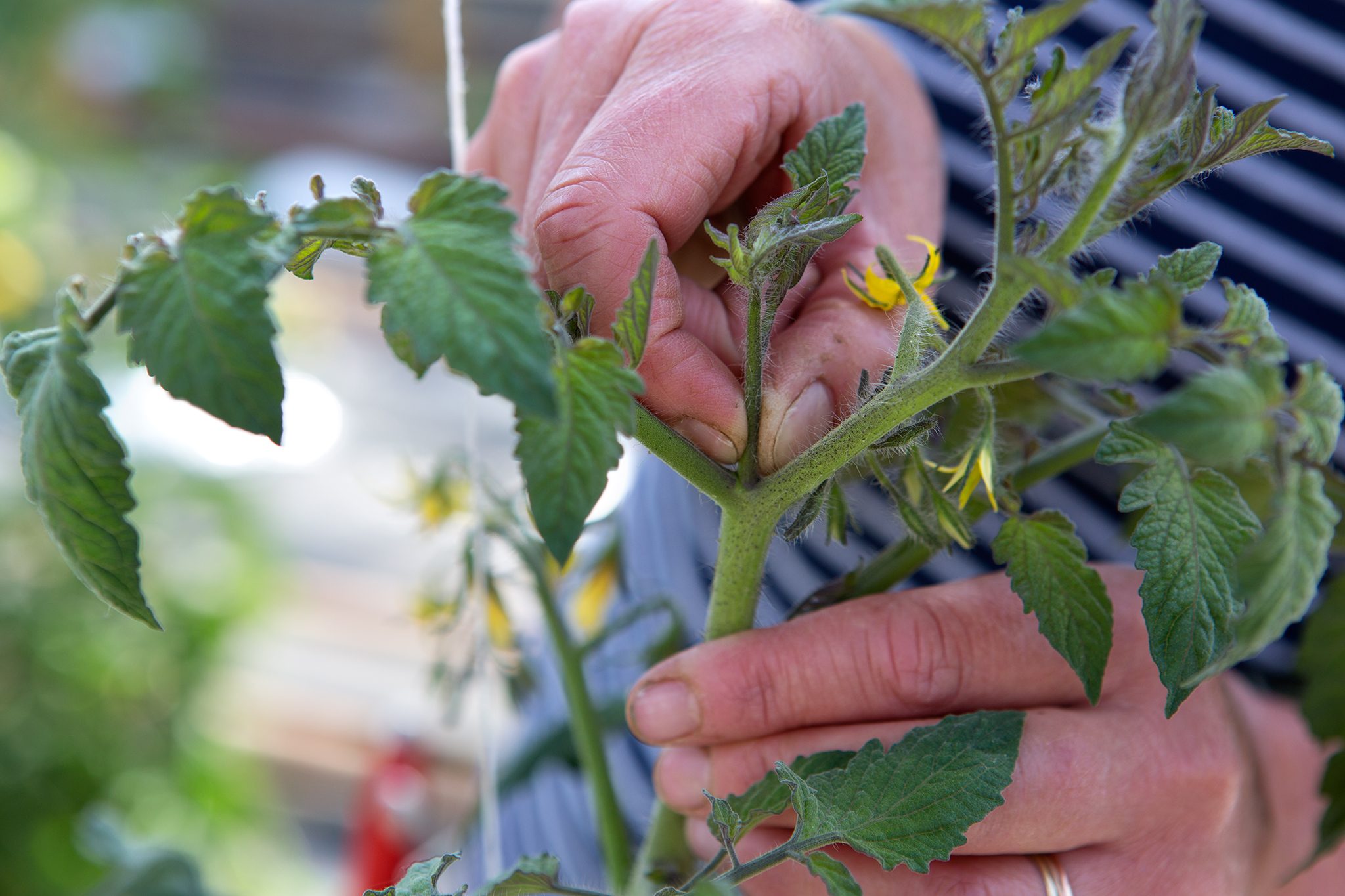
Pruning Tomatoes Plants. An edible berry that is consumed as a vegetable is the fruit of the tomato plant. The nightshade family, which also includes potatoes, tobacco, and chili peppers, includes tomatoes. It may have been domesticated in Mexico, Central America, or western South America, where it first appeared.
PRUNING TOMATOES PLANTS
Pruning indeterminate tomatoes involves trimming the lowest 6 to 12 inches of foliage and snapping off the little “suckers” that develop between the 45-degree angles between the main stem and leaves. This minimizes soil-borne illnesses, enhances ventilation, and reroutes energy to fruit development. Determinate (bush) kinds require very little pruning.
Pruning Tomatoes Tips;
1. Get to know your tomato plants. Tomatoes are categorized according to their growing habits. A tomato cultivar is characterized as determinate or indeterminate. Determine a height of 4 or 5 feet before stopping and beginning to produce fruit. All fruit on a determinate tomato plant ripens in roughly 4 to 6 weeks.
2. Begin pruning tomato plants once the blossoms have appeared. After the first flower buds form and open, tomato plants begin to produce suckers, or extra stems with foliage that is unnecessary. This usually happens a few months after planting young transplants in the garden. Tomato plants often blossom in June or July.
3. Eliminate suckers. Tomato plants develop main stems and leaf branches. Fruit grows on the primary leaf branches. Suckers emerge at the juncture of the main stem and primary leaf branches.
More Tips;
They’re easy to spot once you know what to look for.
4. Get rid of the lowest leaves. Pruning tomato plants to remove leaves from the lower 6 to 12 inches. the main stem keeps disease-causing bacteria and fungi in the soil from spilling onto the plant when it rains or you water it.
5. While slicing tomatoes, thin out the fruit. Tomato cultivars that yield slicing fruit, such as ‘Celebrity,’ ‘Jet Star,’ and ‘Brandywine,’. produce more fruit when the plant’s fruit clusters are reduced to one or two tomatoes. Simply remove the developing fruit, leaving only the largest one or two tomatoes in the cluster.
Pruning Tomatoes Plants
6. Always keep it clean. Pruning tomato plants results in open wounds. Wounds, like cuts, serve as entry routes for infection. When pruning tomatoes, always wash your hands with soap and water or use hand sanitizer. tomato plants.
Summary
Naturally, this produces a large number of leaves but comparatively few fruits. On the other hand, you may simply balance the production of leaves and fruit by pruning tomato plants. In addition to producing more tomatoes per plant, trimming excess foliage also yields larger, better-quality fruit.

The sensitivity of aloe vera. It is a succulent plant with gel-filled leaves that is used for a variety of skincare and medical applications because of its calming and restorative qualities. Although it is said to have originated in the Arabian Peninsula, it may today be found growing in many warm-climate regions, including as sections of the Americas, Africa, and Asia.
THE SENSITIVITY OF ALOE VERA
Although aloe vera is typically harmless and calming, some people may be sensitive to it, which could produce skin irritation, redness, burning, or stinging sensations. Allergic reactions (contact dermatitis) are uncommon but can happen, especially to people who are allergic to plants of the Liliaceae family (garlic, onions, and tulips). Before broad use, a patch test is advised.
Aloe vera is used for the following:
1. Skincare:

It is used in skincare products like lotions and creams due to its hydrating and soothing properties. It helps moisturize the skin without a greasy feel.
2. Sunburn Relief: The gel from aloe vera leaves is often applied topically to soothe sunburned skin. It provides a cooling sensation and may aid in reducing inflammation.
3. Wound Healing:

Aloe vera has been used traditionally to promote wound healing. Its gel contains compounds that may assist in accelerating the healing process for minor cuts and burns.
4. Anti-Inflammatory: The plant’s anti-inflammatory properties make it useful for alleviating skin conditions such as eczema or psoriasis.
5. Hair Care: Aloe vera is sometimes used in hair care products for its moisturizing qualities. It may help reduce dandruff and promote a healthier scalp.
6. Cosmetic Products:

The sensitivity of aloe vera
Aloe vera is included in various cosmetics like makeup, cleansers, and moisturizers for its beneficial effects on the skin.
7. Digestive Health:
Some people consume the juice for potential digestive benefits. However, this should be done cautiously, as excessive ingestion may lead to adverse effects.
Always ensure the quality and purity of aloe vera products, and if you have specific health concerns, consult with a healthcare professional before use.
While it is generally considered safe for topical use, it can have side effects, especially when ingested.
1. Tropical Use:

The sensitivity of aloe vera
Some individuals may be allergic to it, leading to skin irritation or redness. It’s advisable to do a patch test before widespread use.
2. Ingestion: Consuming It’s products internally, especially in large amounts, can cause digestive discomfort, cramps, and diarrhea. The latex layer, found just under the skin of the leaf, contains compounds that can be harsh on the digestive system.
3. Pregnancy:

The sensitivity of aloe vera
Also, pregnant women are advised to avoid ingesting it, as it may stimulate uterine contractions. Stay tuned for more informations.
Summary
Particularly before taking aloe vera internally, it’s critical to adhere to suggested usage guidelines, be mindful of personal sensitivities, and speak with a healthcare provider.


Plants and climates. Heat, drought, extreme weather) stresses plants, forcing them to adapt, migrate, or face extinction, affecting ecosystem services like food and carbon storage. In turn, plants have a significant impact on weather and climate through their ability to absorb CO2 (photosynthesis), release moisture (transpiration), and change land surfaces. This produces a feedback loop in which the climate is moderated by healthy vegetation, but plants are harmed by climate disruption, which further affects the climate.
PLANTS AND CLIMATES
Use mulch to keep soil moisture, especially in hot or dry conditions, water deeply in the morning, and avoid wetting foliage while caring for plants in different regions. For arid regions, select drought-tolerant plants, while for humid regions, make sure there is adequate drainage. Maintain healthy, compost-rich soil for resistance, provide shade during extreme heat, and fertilize sparingly during heatwaves.
Tips for Choosing the Right Plant;

PLANTS AND CLIMATES
1. Recognize Your Hardiness Zone: Establishing your hardiness zone should be one of your priorities. Knowing your hardiness zone will help you choose plants that will thrive in the variety of temperatures in your location.
2. Recognize Temperature Extremes: Whether it’s sweltering summers or bitterly cold winters, every climate has temperature extremes. When choosing plants, it is imperative to take these extremes into account. Choose plants that can survive in the least and maximum typical temperatures in your region.

PLANTS AND CLIMATES
3. Take Temperature Preferences into Account: Knowing the different plants’ preferred temperatures is just as vital as knowing about temperature extremes. While some plants need warmer temperatures to thrive, others do best in cooler settings.
4. Evaluate Rainfall Patterns: varying regions have somewhat varying rainfall patterns. While some regions have distinct rainy and dry seasons, others see year-round adequate rainfall. Selecting plants that are suited to the local water availability will be made easier if you are aware of the patterns of rainfall in your area.

PLANTS AND CLIMATES
5. Assess Soil Conditions: The fertility and composition of the soil have a big impact on plant growth. Consider the pH level, drainage ability, and nutritional content of your soil before selecting plants to grow in it. While some plants favor neutral or alkaline soil, others flourish in acidic soil.
Summary
selecting a plant that is appropriate for your climate. Choosing plants for your yard may be an enjoyable and fulfilling endeavor. However, it’s crucial to select suitable plants. By keeping your climate, rainfall, and temperature in mind, you can ensure the long-term success of your garden. In this blog post, we’ll go over some key recommendations to help you choose the ideal plants for your surroundings.

Earth Frozen Frontiers

Natural Majestic Wonders

Daily Life Hacks

A Step-by-Step Guide to Deleting Reels on Instagram

A Comprehensive Guide to Setting Up a YouTube Premiere