Health
Pelvic Organ Prolapse


PELVIC ORGAN PROLAPSE
Pelvic organ prolapse. Prolapse of the pelvic organs such as the uterus, bladder,, rectum, and vagina is known as pelvic organ prolapse. The muscles, ligaments, and tissues that support your pelvic organs known as the pelvic floor become insufficiently strong to keep your organs in place. Like a hammock, the pelvic floor provides support for the organs in your pelvis from below. The organs they support may droop into the vagina or move out of position if these supports get too loose. Your pelvic floor may become weaker as you age or after giving birth.
PELVIC ORGAN PROLAPSE
It is a disorder in which one or more organs (the vagina, uterus, bladder, and rectum) sag due to weak pelvic muscles. In more extreme situations, an organ protrudes outside of your body or onto another organ. Treatments to correct the prolapse and alleviate your symptoms may be suggested by your healthcare practitioner.
Types
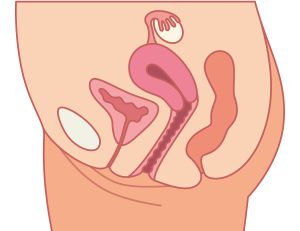

prolapse of the anterior vaginal wall (bladder drop). Your bladder may slide out of position and protrude into your vagina if the pelvic floor muscles above it are weak. Cystocele is another name for this kind of prolapse. The most prevalent kind of POP is anterior vaginal wall prolapse.
Urethrocele. If you have weak pelvic floor muscles, your urethra may descend. A fallen bladder is frequently followed by a dropped urethra.
prolapse of the posterior vaginal wall (rectocele). Your rectum may protrude onto the rear wall of your vagina due to weak pelvic floor muscles between it and your vagina.
Signs
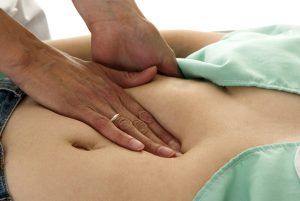

Feeling as though something is dropping out of your vagina is the most typical symptom. Other signs and symptoms include:
Pressure or fullness in your vagina
Pelvic fullness, pressure, or soreness
Dyspareunia, or pressure or pain during sexual activity
Changes in the way you urinate or defecate
The location of the prolapse determines your symptoms. Your doctor can identify the areas where your pelvic floor is weaker if you tell them about your problems.
Causes
giving delivery vaginally. The most frequent reason for prolapse is this. Your pelvic floor muscles are more likely to deteriorate if you have twins or triplets, have many vaginal deliveries, have a huge baby (fetal macrosomia), or have a vacuum or forceps delivery.
the process of aging. As you age, your muscles become weaker. Declining estrogen is one of the factors. Your body makes less estrogen while you go through menopause. Your pelvic floor’s supporting connective tissues may deteriorate as a result of the deterioration.
weighing more than average. According to studies, those who are overweight or obese have a higher risk of developing POP than those who are within a healthy weight range.
Treatment
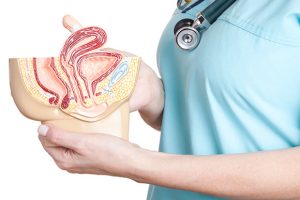

pessary vaginal. To keep a drooping organ in place, your healthcare professional can install this detachable silicone device into your vagina.
Kegel exercises for the pelvic floor. These are pelvic floor strengthening exercises. To evaluate the strength of specific muscles and teach you specific exercises to train them, your healthcare physician could recommend that you see a pelvic floor specialist or urogynecologist.
A shortened vagina is the consequence of the obliterative operation known as colpocleisis. It stops any organs from protruding from your body. If you no longer want penetrative sex and are too weak for reconstructive surgery, this is a good alternative.
Reconstructive surgery restores the organs to their normal position and strengthens the weak areas of your pelvic floor.
Summary
Pelvic organ prolapse is not a life-threatening condition, but it doesn’t mean you have to accept it. You may experience symptoms that make it difficult to fully enjoy life and engage in activities you enjoy. Recognize that you are not alone and that women frequently experience pelvic floor problems. If you believe that your pelvic floor is weak, don’t be afraid to discuss it with your doctor.
Pingback: Pelvic Floor Therapy: What It Is and How It Can Help You - SimplExplainer