legumes
Pinto Beans: Nutrition Legume

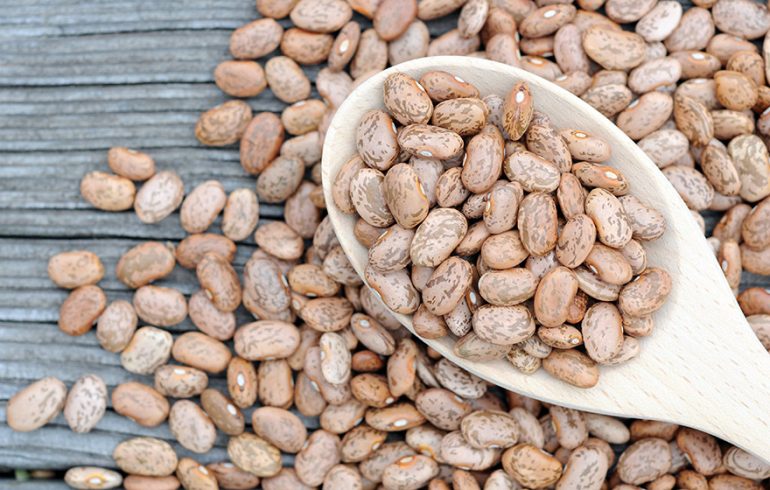

Pinto beans: nutrition legume. Packed with complex carbohydrates, plant-based protein, and outstanding fiber, pinto beans are a powerful legume that supports blood sugar regulation and digestion. They are low in fat and cholesterol and high in vital minerals like iron, magnesium, potassium, folate (B9), copper, and manganese that support energy, bone health, and oxygen transport.
PINTO BEANS: NUTRITION LEGUME
Pintos are a healthy and adaptable bean that enhances many recipes. They continue to be a favorite in kitchens all around the world because of their rich flavor, creamy texture, and several health advantages. Pinto beans are a monument to the ongoing appeal of healthy, plant-based cuisine, whether they are used in a straightforward salad, a robust chili, or a classic Mexican dis
Culinary Uses;

Pintos legume are a key ingredient in Mexican and Southwestern cuisines. They are famously used in refried beans, a staple in burritos, tacos, and as a side dish. These beans are often cooked with garlic, onions, and spices to enhance their flavor before being mashed and fried.
In Tex-Mex cuisine, pintos are frequently featured in chili, providing a hearty base for the dish. They are also popular in bean salads, soups, and stews, where their creamy texture and ability to absorb flavors make them a versatile component. Pinto beans are also used in dishes like Brazilian feijoada, a black bean stew where pinto beans can be a delicious alternative.
Nutritional Benefits;
PINTO BEANS: NUTRITION LEGUME
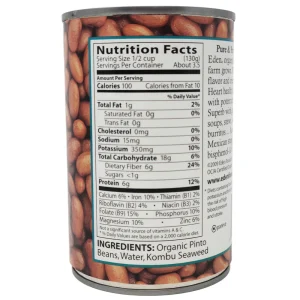
Pinto beans are a nutritional powerhouse. They are an excellent source of plant-based protein, making them ideal for vegetarians and vegans. They are rich in dietary fiber, which promotes digestive health and helps maintain stable blood sugar levels. Pinto beans also provide essential vitamins and minerals, including folate, iron, magnesium, and potassium, which contribute to overall health and well-being.
Health Benefits;

PINTO BEANS: NUTRITION LEGUME
The high fiber content in pintos supports digestive health and can help lower cholesterol levels, reducing the risk of heart disease. Their low glycemic index makes them a suitable option for individuals managing diabetes, as they help regulate blood sugar levels. The protein in pinto beans aids in muscle repair and growth, while their iron content helps prevent anemia.
Their folate content is particularly beneficial for pregnant women, supporting fetal development and reducing the risk of birth defects.
Environmental Impact;
PINTO BEANS: NUTRITION LEGUME
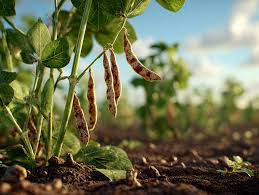
Pinto beans are an environmentally friendly crop. They require less water and fewer resources to grow compared to many animal-based protein sources. As legumes, pintos also improve soil health by fixing nitrogen, which reduces the need for synthetic fertilizers and enhances soil fertility for future crops. This makes them a sustainable choice for eco-conscious consumers.
Summary
In many culinary traditions, pinto beans are a favorite legume because of their unique speckled skin and creamy texture. These adaptable beans, which have their origins in the Americas, are praised for their flavor, health advantages, and simplicity of preparation.



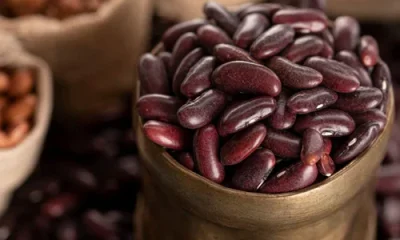




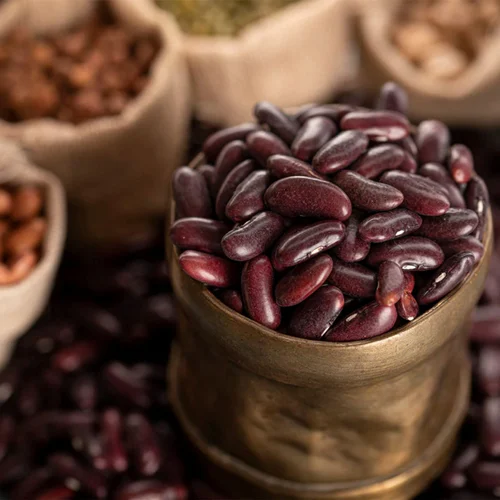
Kidney legumes. Known for their high protein, fiber, carbohydrate, vitamin, and mineral content, kidney beans are a popular kidney-shaped legume that is used all over the world in salads, curries (rajma), and chili dishes. However, they must be cooked thoroughly to eliminate toxins. They are a low-fat, nutrient-dense supplement to any diet and are a flexible, reasonably priced plant-based staple available in red, dark red, and white (cannellini) types.
KIDNEY LEGUMES
A versatile and nutrient-dense legume, kidney beans complement a variety of recipes. their strong taste. They continue to be a favorite in kitchens all around the world because of their substantial health advantages and favorable effects on the environment. Beans are proof of the timeless popularity of healthful, plant-based foods, whether they are consumed in a straightforward salad, a hearty curry, or a fiery chili.
Culinary Uses;
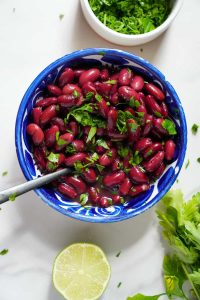
Kidney beans are a cornerstone in many traditional dishes, especially in Latin American, Indian, and Caribbean cuisines. In Mexican cuisine, they are commonly used in chili con carne, where they add heartiness and flavor to the dish. Indian cuisine features kidney beans in rajma, a popular North Indian curry served with rice or naan.
In Caribbean cooking, kidney beans are often found in rice and peas, a traditional dish made with coconut milk, herbs, and spices. Additionally, they are used in salads, soups, and stews across various cultures, showcasing their versatility and ability to absorb flavors.
Nutritional Benefits;

KIDNEY LEGUMES
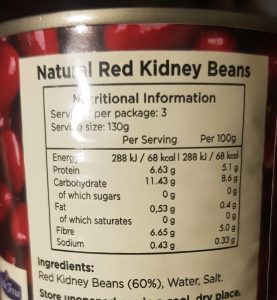
Kidney beans are a powerhouse of nutrition. They are an excellent source of plant-based protein, making them an ideal food for vegetarians and vegans. They are also rich in dietary fiber, which aids in digestion and helps maintain healthy cholesterol levels. Kidney beans provide essential vitamins and minerals, including folate, iron, potassium, and magnesium, all of which support overall health and well-being.
Health Benefits;
KIDNEY LEGUMES
The high fiber content in beans supports digestive health and can help prevent constipation. Their low glycemic index makes them suitable for individuals managing diabetes, as they provide a steady release of energy and help regulate blood sugar levels. The protein in kidney beans is essential for muscle repair and growth, while their iron content is crucial for preventing anemia.
Kidney beans also contain antioxidants, which help reduce inflammation and protect against chronic diseases such as heart disease and cancer. Their folate content is particularly beneficial for pregnant women, as it supports fetal development and reduces the risk of birth defects.
Environmental Impact;

KIDNEY LEGUMES
Kidney bean are environmentally friendly, requiring less water and fewer resources to grow compared to many animal-based protein sources. As legumes, they also improve soil health by fixing nitrogen, reducing the need for synthetic fertilizers and enhancing soil fertility for future crops. This makes them a sustainable choice for both farmers and consumers looking to reduce their environmental footprint.
Summary
Named for their unique color and shape, kidney beans are a common ingredient in many different cuisines across the world. These beans are a great addition to a well-balanced diet because of their strong flavor and creamy texture, as well as their abundance of vital elements.


Black beans nutritional value. Beans are a healthful and adaptable component that improves many different recipes. They continue to be a favorite in kitchens all around the world because of their rich flavor, substantial health advantages, and beneficial effects on the environment. Black beans are a monument to the timeless appeal of straightforward, healthful foods, whether they are used in classic recipes or creative new creations.
BLACK BEANS NUTRITIONAL VALUE
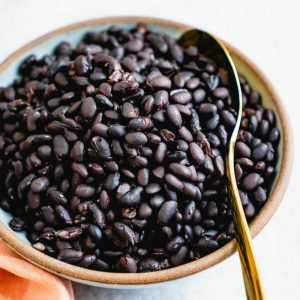
A cooked cup of black beans contains about 227 calories, 15g protein, 41g carbs, 15g fiber, and important B vitamins and minerals. Black beans are nutritional powerhouses, full of fiber, plant-based protein, complex carbohydrates, folate, magnesium, iron, and antioxidants that help with digestion, heart health, and blood sugar regulation.
Culinary Uses;
black beans nutritional value
Black beans are a key component in numerous dishes across Latin American, Caribbean, and Southwestern cuisines. In Latin America, they are a staple in dishes like Brazilian feijoada, a hearty black bean stew with pork, and Cuban black beans and rice, a simple yet flavorful dish often seasoned with garlic, onion, and bell peppers.
In Mexican cuisine, black beans are used in everything from burritos and tacos to soups and salads. They are also popular in the United States, particularly in vegetarian and vegan recipes, where they serve as a protein-rich alternative to meat. Beans burgers, black bean soups, and spicy beans dips are just a few examples of their culinary versatility.
Nutritional Benefits;

black beans nutritional value
They are are a nutritional powerhouse. They are an excellent source of plant-based protein and dietary fiber, which aid in digestion and help maintain healthy blood sugar levels. There are also rich in essential vitamins and minerals, including folate, magnesium, iron, and potassium. The antioxidants in beans, such as anthocyanins, contribute to their health benefits, including reducing inflammation and protecting against chronic diseases.
Health Benefits;
black beans nutritional value
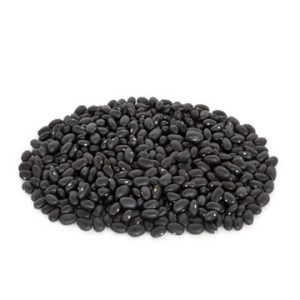
The high fiber content in them promotes a healthy digestive system and can help lower cholesterol levels, reducing the risk of heart disease. Their low glycemic index makes them a good option for individuals managing diabetes, as they provide a steady release of energy without causing spikes in blood sugar. The protein in black beans supports muscle growth and repair, making them an important part of a balanced diet, particularly for vegetarians and vegans.
Environmental Impact;
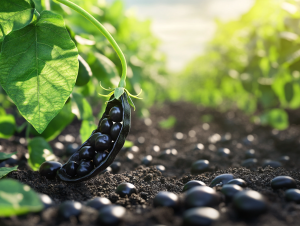
Black beans are not only good for health but also for the environment. As a legume, black beans improve soil health by fixing nitrogen, reducing the need for synthetic fertilizers. They are also water-efficient and have a relatively low carbon footprint compared to many animal-based protein sources, making them a sustainable choice for eco-conscious consumers.
Summary
Hence, a staple of many culinary traditions worldwide, black beans are prized for their velvety texture and rich, earthy flavor. These legumes, which are native to the Americas, have gained popularity as a food because of their sustainability, health advantages, and adaptability.
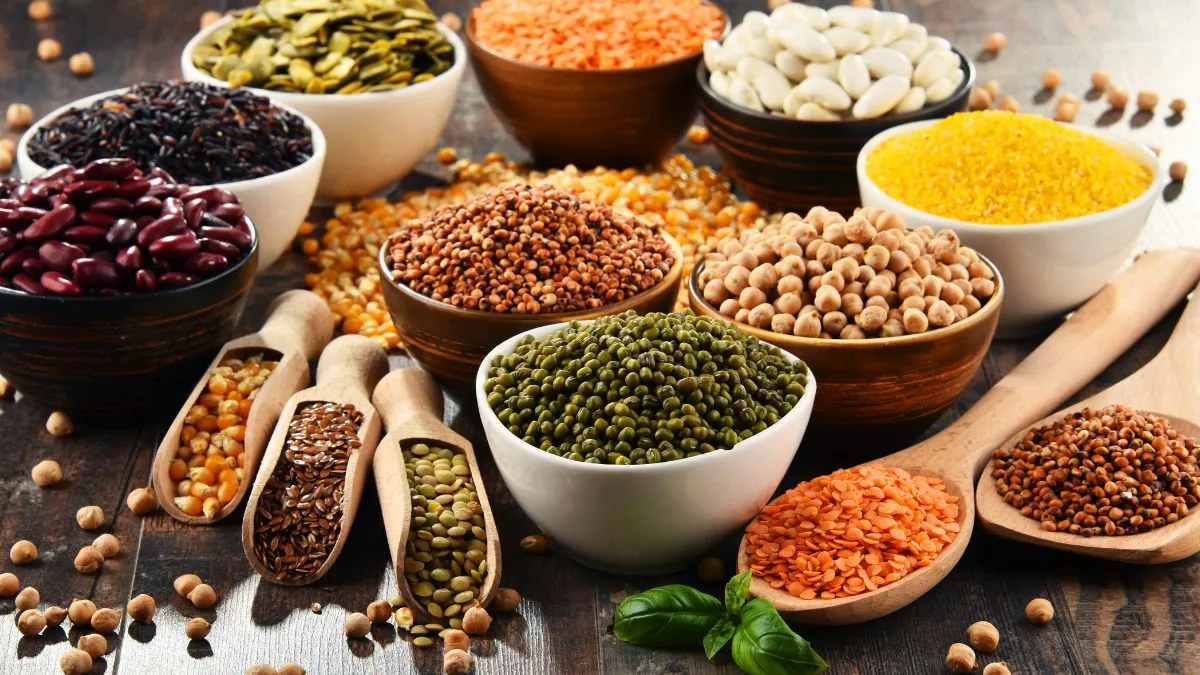
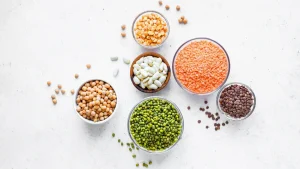
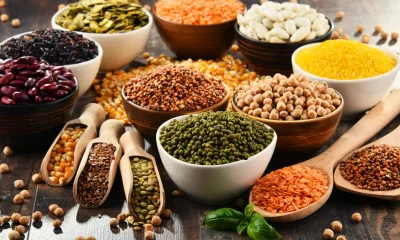
Legumes and diet. These include beans, lentils, peas, chickpeas, and soybeans, and they are nutritional powerhouses that provide plant-based protein, plenty of fiber, complex carbohydrates, vitamins (B, folate), and minerals (iron, zinc, magnesium, potassium). Because they are low in fat and cholesterol, legumes are essential for heart health, blood sugar regulation, weight management, and gut health. They fit into many diets, including Mediterranean, vegetarian, vegan, and low-GI plans for improved satiety and disease prevention.
LEGUMES AND DIET
Beans, peas, and lentils are examples of legumes, which are well known for their high nutrient content and health advantages. They are vital parts of a healthy diet since they are great providers of fiber, protein, vitamins, and minerals. Ten legumes that you should be aware of are as follows:
1. Chickpeas;
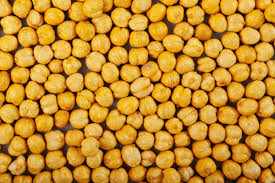
Chickpeas are vegetables, versatile and nutritious, commonly used in dishes like hummus and salads. They are high in protein, fiber, iron, and folate, making them excellent for heart health, digestion, and energy levels.
2. Lentils;
Lentils come in various colors, including green, brown, red, and black. They are a fantastic source of protein, fiber, and essential nutrients like iron, magnesium, and potassium. Lentils cook quickly and are great in soups, stews, and salads.
3. Black Beans;
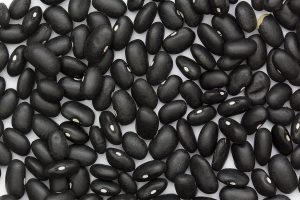
Rich in antioxidants, fiber, and protein, black beans are a staple in Latin American cuisine. They support digestive health, blood sugar regulation, and provide sustained energy. Black beans are perfect for soups, burritos, and salads.
4. Kidney Beans;
Kidney beans are known for their distinctive shape and rich red color. They are packed with protein, fiber, iron, and folate. These beans are commonly used in chili, stews, and rice dishes, supporting heart health and stable blood sugar levels.
5. Pinto Beans;
Pinto beans are popular in Mexican cuisine and are often used in refried beans and burritos. They are high in protein, fiber, and antioxidants, which help promote heart health and digestive wellness.
6. Navy Beans;
LEGUMES AND DIET
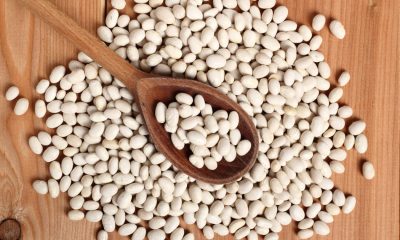
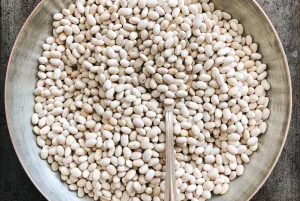
Navy beans, also known as haricot beans, are small, white, and commonly used in baked beans. They are rich in protein, fiber, and essential minerals like magnesium and iron, promoting cardiovascular health and muscle function.
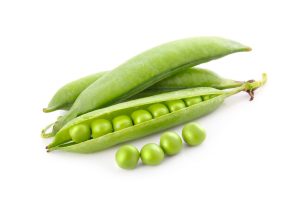
7. Green Peas;
LEGUMES AND DIET
Green peas are sweet and nutritious, offering a good source of protein, fiber, vitamins A, C, and K, and folate. They can be eaten fresh, frozen, or canned and are excellent in soups, salads, and side dishes.
8. Fava Beans;
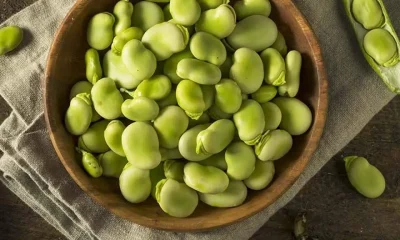
Fava beans are large, flat beans with a creamy texture and nutty flavor. They are high in protein, fiber, iron, and folate, supporting muscle growth, energy production, and overall health. Fava beans are delicious in stews, salads, and dips.
9. Soybeans;
Soybeans are incredibly versatile and are used to make products like tofu, tempeh, and soy milk. They are a complete protein source, providing all essential amino acids, and are rich in fiber, vitamins, and minerals. Soybeans support heart health, bone health, and hormonal balance.
10. Black-Eyed Peas;

LEGUMES AND DIET
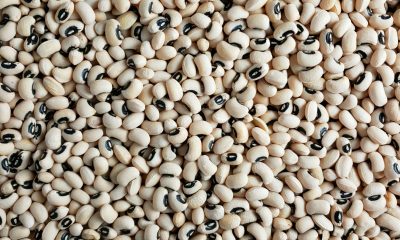
Black-eyed peas, with their distinctive black spot, are rich in protein, fiber, folate, and magnesium. They are traditionally used in Southern cuisine, particularly in dishes like Hoppin’ John. These peas promote digestive health and provide sustained energy.
Incorporating Legumes into Your Diet;

– Salads: Add cooked legumes to salads for a protein and fiber boost.
– Soups and Stews: Use legumes as a hearty base for soups and stews.
– Side Dishes: Serve seasoned legumes as a nutritious side dish.
– Main Dishes: Incorporate legumes into main dishes like burritos, casseroles, and curries.
– Snacks: Enjoy roasted chickpeas or edamame as a healthy snack.
Summary
Legumes are nutrient-dense foods with several health advantages, such as improving digestion and heart health and supplying vital vitamins and minerals. Including a range of legumes in your diet can improve your general health and offer a tasty, adaptable, and long-lasting source of nutrition.

Airline Travellers and Baggage Allowances

First Time Travellers and Airline Policies

Plane Tickets Relevance

A Step-by-Step Guide to Deleting Reels on Instagram

How to Create a WhatsApp Group