Exercise
Plank exercise implications for pregnancy

Plank exercise implications for pregnancy. Pregnant women can benefit from plank exercises in a number of ways, such as better posture, stronger core, and less lower back pain. To guarantee comfort and safety, it is essential to carry them out with the appropriate adjustments and safety measures. Before beginning any fitness regimen while pregnant, always see a healthcare professional so that the workouts can be customized to each woman’s needs and situation.
PLANK EXERCISE IMPLICATIONS FOR PREGNANCY
Plank exercise can be beneficial for pregnant women when performed with proper precautions and modifications. They can help maintain core strength, support posture, and reduce back pain. However, it’s essential to consult with a healthcare provider before starting any exercise routine during pregnancy. Here are some impacts of plank exercises on pregnant women:
Benefits
1. Improved Core Strength
• Plank exercises engage the entire core, including the transverse abdominis, which is crucial for maintaining abdominal support during pregnancy. Strengthening these muscles can help support the growing uterus and reduce strain on the lower back.
2. Enhanced Posture
• As the pregnancy progresses, the shift in the center of gravity can lead to postural changes. Planks help maintain proper alignment and strengthen the muscles that support good posture, potentially reducing the likelihood of back pain and other discomforts associated with poor posture.
3. Reduced Lower Back Pain
• Strengthening the core muscles through plank exercise can help alleviate lower back pain, a common issue during pregnancy. A strong core provides better support for the spine and reduces the load on the lower back.
4. Preparation for Labor
• Maintaining core strength and overall fitness during pregnancy can aid in the physical demands of labor and delivery. Strong abdominal and pelvic muscles can contribute to more effective pushing during childbirth.
Precautions and Modifications
1. Avoid Overstraining;
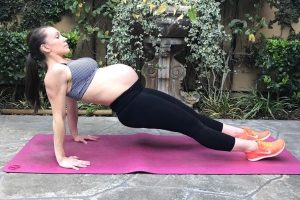
• It’s important not to overstrain the abdominal muscles, especially as the pregnancy progresses. Overexertion can lead to diastasis recti, a condition where the abdominal muscles separate. Modifications, such as performing plank exercise on the knees or against a wall, can reduce strain.

2. Modify as Needed;
• As the pregnancy progresses, modifications may be necessary to ensure comfort and safety. Side planks or modified planks (e.g., on knees) can be gentler alternatives while still providing core benefits.
3. Focus on Proper Form;

Plank exercise implications for pregnancy
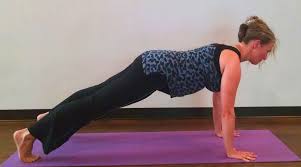
• Proper form is crucial to avoid unnecessary strain on the lower back and abdominal muscles. Keeping the body in a straight line, engaging the core, and avoiding sagging or arching the back are essential for performing planks safely.
4. Listen to the Body;
• Pregnant women should pay close attention to their bodies and stop exercising if they experience any pain, discomfort, or unusual symptoms. It’s essential to prioritize comfort and safety over intensity.
5. Consult Healthcare Providers;


Plank exercise implications for pregnancy
• Before starting or continuing any exercise routine during pregnancy, it’s vital to consult with a healthcare provider or a prenatal fitness specialist. They can provide personalized advice and ensure that the exercises are safe and appropriate for the individual’s stage of pregnancy and health condition.
Summary
During pregnancy, planks can be a safe and beneficial core workout, but as your belly swells, you’ll need to adjust your technique. In order to safeguard your pelvic floor and avoid abdominal muscle separation (diastasis recti), controlling intra-abdominal pressure (IAP) is crucial.