Environmental pollution
Plastic water bottle hazards

Plastic water bottle hazards. Although plastic water bottles are accessible and convenient, it is impossible to overlook the risks they pose. from health hazards and damage to marine life to chemical leaks and environmental contamination. Plastic bottles have detrimental repercussions that go well beyond their initial use. Reducing reliance on single-use plastics and choosing cleaner, more sustainable alternatives is essential to safeguarding both human health and the environment. like reusable water bottles made of glass or stainless steel. We can all contribute to building a healthier and more sustainable future by making thoughtful decisions that lessen plastic waste and encourage eco-friendly substitutes.c
PLASTIC WATER BOTTLE HAZARDS
Plastic water bottles have become ubiquitous in modern society, offering convenience and portability for staying hydrated on the go. However, the widespread use of plastic bottles comes with hidden dangers that can impact both human health and the environment. In this article, we’ll explore the harmful effects of using plastic water bottles and provide insights into safer and more sustainable alternatives.
1. Chemical Leaching:
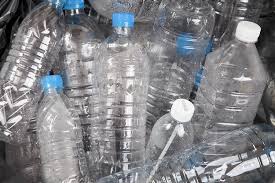

One of the primary concerns associated with plastic water bottles is the potential leaching of harmful chemicals into the water. Most plastic bottles are made from polyethylene terephthalate (PET) or polycarbonate, both of which can release chemicals like bisphenol A (BPA) and phthalates into the water, especially when exposed to heat or sunlight. These chemicals have been linked to various health issues, including hormonal disruption, reproductive problems, and increased risk of certain cancers.
2. Environmental Pollution:
The production, use, and disposal of plastic water bottles contribute significantly to environmental pollution. Plastic bottles are made from non-renewable fossil fuels, and their manufacturing process generates greenhouse gas emissions and toxic byproducts. Additionally, billions of plastic bottles end up in landfills or pollute oceans and waterways each year, posing serious threats to marine life and ecosystems.
3. Microplastics Contamination:

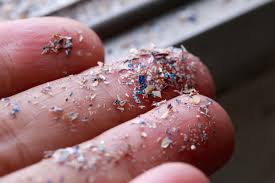
Plastic water bottle hazards
Over time, plastic water bottles can degrade and release microplastics into the water. Especially when exposed to heat or mechanical stress. These tiny plastic particles can leach harmful chemicals and contaminants, which may be ingested by humans and animals, leading to potential health risks. Microplastics have been found in drinking water sources worldwide, raising concerns about their long-term effects on human health.
4. Health Risks:
In addition to chemical leaching, plastic water bottles may harbor harmful bacteria and pathogens. Especially if they are reused without proper cleaning and sanitation. Studies have found that reusable plastic bottles can become breeding grounds for bacteria like E. coli and Salmonella, posing risks of foodborne illness and gastrointestinal infections.
5. Negative Impact on Marine Life:

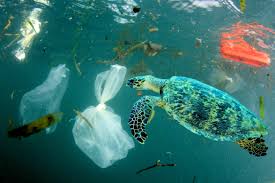
Plastic water bottle hazards
Plastic water bottles that end up in oceans and waterways pose serious threats to marine life. Marine animals can become entangled in plastic debris or ingest it, leading to injury, suffocation, and death. Additionally, the toxins released by plastic pollution can accumulate in the food chain. Potentially harming marine ecosystems and endangering human health through seafood consumption.
Summary
The leaching of endocrine-disrupting substances like BPA and phthalates, which are connected to cancer and infertility, is one of the major health and environmental risks associated with plastic water bottles. Up to 90,000 microplastic particles can be consumed annually as a result of daily use. Additionally, they negatively impact marine life by significantly contributing to environmental contamination.