Poverty
Poverty

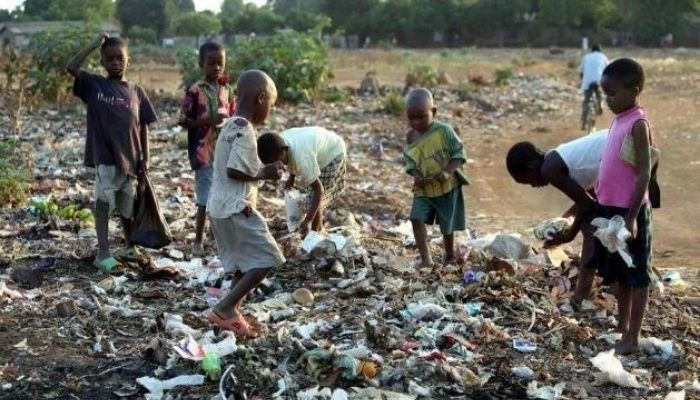
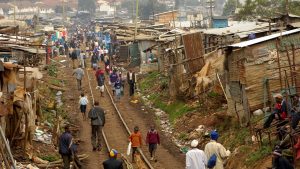
Poverty. Absolute (extreme deprivation) and relative (below societal standards) are two types. It is the state of not having enough money or necessities for a minimum standard of living, such as food, clean water, shelter, healthcare, and education. It manifests as an inability to meet basic human needs and fully participate in society. Although it is sometimes assessed by income levels (such as the World Bank’s <$2.15/day, it is a complicated issue driven by variables including unemployment, inequality, and conflict that result in poor health, limited prospects, and social exclusion.
POVERTY
Malnutrition, poor physical and mental health, developmental problems in children, reduced educational achievement, increased stress, and cycles of adversity are just a few of the serious and interrelated consequences of it. It contributes to homelessness, increased crime, social marginalization, shortened life expectancy, that lasts for generations by restricting access to high-quality healthcare, education, and resources.
1. Absolute poverty;
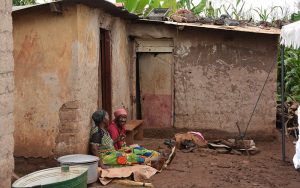
The lack of access to basic necessities like food, clean water, housing, healthcare, education, and information is referred to as absolute, extreme, or abject poverty. It is associated with hardship and a high rate of child mortality from avoidable illnesses like cholera, malaria, and illnesses linked to water contamination. Generally speaking, absolute poverty is rare in wealthy nations.
2. Relative Poverty;
poverty
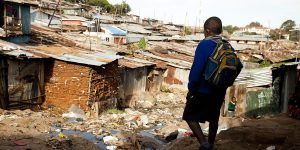
This term is defined from a social point of view as the living standard in relation to the economic standards of the local populace. As such, it serves as a gauge of income disparity. The fraction of the population that earns less than a predetermined percentage of the median income is typically used to calculate it.
3. Situational Poverty;
poverty
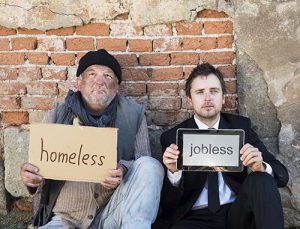
This type is transient and is caused by unfavorable events such as natural disasters, job loss, and serious health issues. Even with a little aid, people can help themselves because it is the result of terrible events.
4. Generational Poverty;

It is passed on from generation to generation to families and individuals. Because people are stuck in its cause and unable to get the necessary tools to escape, this is even more difficult because there is no way out.
5. Poor Living Conditions;
poverty
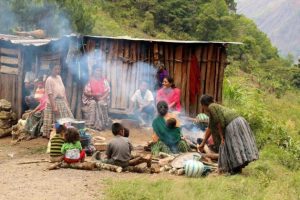
It happens in remote locations where fewer than 50,000 people live. It is the region with fewer employment options, fewer service accessibility points, fewer opportunities for high-quality education, and less assistance for people with disabilities. People typically rely on farming and other manual labor that is available in their surroundings to support themselves. e annually.
6. Urban Poverty;
poverty
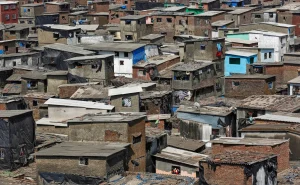
Also, this condition affects cities with a population of 50,000 or more. The urban poor encounter the following significant obstacles: • Limited educational and health opportunities. • Insufficient housing and services. • An unpleasant and violent environment due to congestion. • There is little to no social safety net.
Summary
People in this situation of economic distress do not have access to resources that are essential for human survival, such as money and material belongings. As a result, poverty is a multifaceted concept with social, economic, and political aspects.


Tips for Emotional stress

Anxiety and stress reduction

Face cleansing tips

A Step-by-Step Guide to Deleting Reels on Instagram

A Comprehensive Guide to Setting Up a YouTube Premiere

How to Create a WhatsApp Group
-

 Social media2 weeks ago
How to Delete Reels on IG
-

 Social media2 weeks ago
Tips for likes and Followers on Facebook
-

 Music2 weeks ago
Lyrics for Iké Nilé
-

 Photography2 weeks ago
Photography and Outdoors
-
 Social media2 weeks ago
Guidelines for Creating a Facebook Page
-

 Social media2 weeks ago
Guidelines for Uploading Videos on Youtube