Life
Relevance of Wearing Seat Belts

RELEVANCE OF WEARING SEAT BELTS

Relevance of wearing seat belts. It should be a natural habit to always fasten your seat belt when you get into your car these days. The advantages of wearing a seat belt are still not widely recognized by some people, though. Instead, they are putting themselves in more risk because they won’t be protected in the case of an accident by the vehicle’s safety features.
Relevance of Wearing Seat Belts
Since 75% of auto accidents and injuries happen within 25 miles of a person’s house, you can increase safety by always wearing a seatbelt when driving, even if you’re just within your estate. Also, low speeds (less than 40 mph) account for more than half of all automotive accidents that cause injuries. If you don’t think wearing a seatbelt is vital or you don’t enjoy wearing one, these reasons might convince you otherwise.
1. It ensures the safety of all occupants and other drivers
Even if you drive an older car without airbags, seat belts are still life-saving, as several studies and research have concluded.

2. It maintains your position when hits occur
By keeping you in your seat, the seat belt prevents you from being flung through the windshield or tossed around the car.

3. It is made to cooperate with your airbags
In addition to your seat belt, airbags are made to help hold you in place. You cannot use the airbag system if you are not wearing it.

4. You can avoid being fined for not wearing one
There are seat belt laws, as was previously noted, and failing to wear one could result in a traffic citation, a fine, and a record of the infraction on your driving record.

5. It lowers the chance of death and severe injuries
Some people have survived serious collisions in which their vehicles were completely destroyed, yet they only suffered minor injuries because they were wearing seat belts.
6. It may impact the cost of auto insurance
When it comes time to renew your auto insurance, if you receive a traffic ticket for not wearing your seatbelt, your rates may increase dramatically since you are viewed as a high-risk driver, or your policy may not be renewed at all.

7. After an accident, it affects your capacity to get compensation
The person who caused the accident or your motor insurance company may claim that you should receive less money because you were at fault for not wearing a seat belt, even if you were not at fault.

8. Stops Ejection
The Insurance Institute for Highway Safety reports that when a person is ejected from a car, fatalities are more likely to occur. Wearing a seat belt improves your chances of surviving an accident by keeping you inside your vehicle.
9. Impact Force
Distribution The force will be distributed over your strongest body parts by your shoulder and lap belts. Compared to a concentrated hit on your head, chest, or abdomen, which is more likely to occur if you are not restrained, this is less likely to result in harm.
10. Preserves Your Spine and Brain
Also, Brain damage is likely to result from hitting your head in an accident. The severity of brain injuries can vary from minor concussions to diffuse axonal damage and potentially lethal coup-counters.

Summary
Seat belts can cut the risk of severe injuries in half. 45% fewer people die in accidents when they wear seat belts. This means that seat belts save an average of 15,000 lives annually.


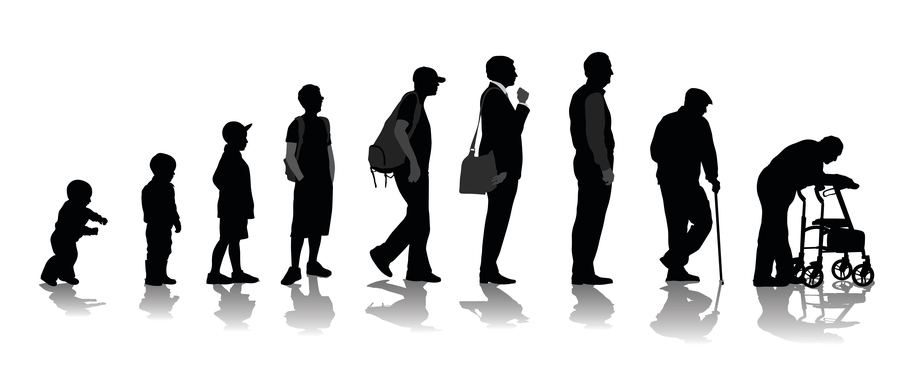
Life stages. Matter with biological functions, like signaling and self-sufficiency, is called life. The ability to maintain homeostasis, organize, metabolize, develop, adapt, respond to stimuli, and reproduce is a descriptive definition. All life finally ends in death, and none of it is eternal. Self-organizing systems are one of the many philosophical definitions of living systems that have been put forth. Viruses, which only reproduce in host cells, and the potential for alien life, which might differ greatly from life on Earth, further complicate the definition of life.
LIFE STAGES
The stages of life, or human development, are typically divided into prenatal development, infancy, childhood (early, middle), adolescence, and adulthood (early, middle, late), which frequently ends with old age or aging. Different models break these down into more specific periods, such as toddler hood, adolescence, and senior years, each of which is characterized by distinct physical, emotional, and cognitive growth.
1. Infancy;

A person’s infancy starts the moment they are born and lasts until they are eighteen months old. This phase is predominantly defined by the infant’s bond with their caregiver and the tension between suspicion and trust.
2. Toddlerhood;
The early childhood phase lasts from the age of eighteen months to 3years. Toddlers start learning independently at this age.
3. Preschool years;

Preschool spans the years three through five. The main struggle at this age is between initiative and guilt. This is a sign of their attempts to learn on their own and develop into more fully realized human beings.
4. Early school years;
Children are five to twelve years old during the early school years. They struggle with a sense of inadequacy and industry. A youngster at this age develops a growing sense of self-awareness. The process of achieving self-actualization entails emotional and social growth.
5. Adolescence;

Life stages
The most basic desire of any teenager is to fit in with their peers. An adolescent will investigate the various grownup roles that are available to them. It’s a time of intense self-discovery, and the path can be somewhat perplexing.
6. Young adulthood;
Between the ages of eighteen and forty is known as young adulthood. At this point in their lives, most people are laying the financial and social foundations they will need for the remainder of their lives.
7. Middle adulthood;

Life stages
Erikson claimed that middle age begins at forty and concludes at sixty-five. The main struggle at this middle-age stage is between generativity and stagnation. Kindness
8. Late adulthood;

Life stages
In life, late adulthood is the eighth and last stage. Everybody over the age of 65 is considered to be in this stage. It’s common to contemplate and introspectively ponder deeply in late adulthood. Feeling content with your life is a sign that you are proud of it. theories of human development
Summary
When talking about the concept of life, three distinct phases instantly come to mind: childhood, adulthood, and old age. The life cycle of a human, however, is more intricate. We all feel, think, and experience things differently as we get older because we are all different.

How to cope with life challenges. Personal health problems, marital difficulties, financial stress, work changes, and bereavement are just a few examples of the unavoidable, universal experiences that come with life. Even while these challenges are frequently upsetting and emotionally taxing, they present chances for development, resiliency, and gaining fresh insight. Proactive time management, creating solid support systems, and cultivating an optimistic, flexible mindset are all effective coping mechanisms.
HOW TO COPE WITH LIFE CHALLENGES
Personal health problems, marital difficulties, financial stress, work changes, and bereavement are just a few examples of the unavoidable, universal experiences that come with life. Even while these challenges are frequently upsetting and emotionally taxing, they present chances for development, resiliency, and gaining fresh insight. Proactive time management, creating solid support systems, and cultivating an optimistic, flexible mindset are all effective coping mechanisms.
Tips on How to Cope with Life Challenges;

How to cope with life chalenges
1. daily Rush:
Trying to get through your daily ritual quickly can make for a bad start to the day. The solution is to get up a little earlier so you have more time. Assemble your clothes and make breakfast the night before, if possible. To maintain organization, make a checklist.
2. Issue:

How to cope with life chalenges
Addiction to Smartphones: Prolonged use of screens might result in worse social and productivity levels. One possible solution could be to set screen time limits, track your usage with applications, and set aside particular periods for screen-free activities.
3. The third issue is procrastination;

How to cope with life chalenges
Delaying work can cause anxiety and missed deadlines. Solution: Divide work into more manageable, smaller steps. Try working in 25-minute blocks of concentrated work followed by a 5-minute break using the Pomodoro technique, and establish your deadlines.
More Tips;
4. Issue:
Unhealthy Eating Habits • Weariness and health problems can be caused by poor dietary decisions. The answer is to plan your meals ahead of time, eat more fruits and vegetables, and consume fewer processed and sugar-filled foods.
5. The Fifth Issue: A Disorganized Living Space:

An untidy home can lead to stress and lower productivity. Solution: Create spaces for things, constantly declutter your living area, and think about taking a minimalist stance on belongings.
6. The sixth issue is traffic jams.
These can be a significant cause of stress daily. Approach: Examine substitute modes of transportation like bicycling, public transportation, and carpooling. Get the best routes and times to travel by using navigation applications.
7. Issue: Overcommitting.

Accepting an excessive number of commitments can result in exhaustion. One way to deal with overload is to practice saying “no.” Make time for self-care and set priorities for your responsibilities.
8. Issue:
Insufficient Exercise. Health issues can arise from a sedentary lifestyle.
Solution:
Choose an exercise regimen you love, make realistic fitness objectives, and include physical activity into your daily schedule.
Summary
The path of life is intricate and fraught with daily challenges. Everybody faces challenges on a daily basis, some of which may seem insurmountable. However, most of these issues can be resolved with practical solutions. In this blog, we’ll examine common problems that arise in everyday life and provide practical solutions.


Hacks for life events. Life hacks are ingenious methods, shortcuts, or strategies to increase productivity and efficiency in day-to-day activities. These include organizing (make your bed, prepare the night before), cleaning (use vinegar for dirt, use OxiClean soak for dishes), preparing food (use dish towels for grapes, freeze chips), and productivity (disable notifications, set a 2-minute rule for habits, time-box chores). By making tiny, astute adjustments like establishing clear objectives or making narratives to live by, they streamline chores, save time, and enhance wellbeing. Thanks to the internet, some people have decided to inform the world about the terrifying experiences they’ve had that have had a lasting impact on them. You might believe the stories in this collection sound like they came from a terrifying movie.
HACKS FOR LIFE EVENTS
Planning and time management (time blocking, 2-minute rule, daily lists), self-care (daily “me time,” journaling, saying no), household shortcuts (vinegar for shower heads, paper towels under vegetables), and financial/personal growth (investing in oneself, calling lenders, using password managers) are some of the life hacks for major events that help reduce stress and increase efficiency during hectic or difficult life transitions like moving, new jobs, or family changes. These stories may not be original, but if followed, they can be life-changing. They remind us that even minor changes can have a significant impact on our lives. Most of the time, we can figure out why things happen to us, but there are occasions when we are completely surprised.
Meaning;

Hacks for life events
Happening in the real world rather than in a story, a person’s genuine life. A woman once decided to take her little son, who had grown addicted to sugar, to Gandhiji for help. After a long and exhausting journey, she arrived at Gandhiji’s ashram and urged him to warn her kid to stop consuming sugar because it was bad for his health. Gandhiji declined to assist at the time and urged the woman to return the child to him after two weeks. The mother, perplexed and upset, took the boy home. Two weeks later, she returned. This time, Gandhiji addressed the youngster directly, saying, “You should stop eating sugar.” It is not healthy for your health. The youngster nodded and vowed he wouldn’t. The boy’s mother was puzzled. She inquired, “Why?”
Events and Takeaways;
1. Leaders must exemplify the behavior they expect from their subordinates.
2. A leader must live an exemplary life.
3. A leader should be honest.
A leader should not be self-centered.

4. Leaders are to be trustworthy.
5. Leaders are supposed to be honest.
6. A leader must have self-confidence.
7. A leader must be God-fearing
Summary
Life events are noteworthy occurrences or shifts in a person’s life. They can range from happy milestones like marriage and childbirth to stressful ones like divorce, losing one’s work, or losing a loved one. All of these can cause disruptions to routines and have an impact on a person’s future and well-being. They are frequently grouped according to how much of an impact they have, ranging from significant life changes (death, illness, major relationship transitions) that necessitate a large readjustment to smaller but nevertheless significant events like moving or taking up a new interest that still influence personal narratives.

Kids and Reading Loud

Lips Breakage Remedies

Healthy Tips for Chapped Lips

A Step-by-Step Guide to Deleting Reels on Instagram

How to Create a WhatsApp Group