
Citrus
Satsuma Citrus Fruits

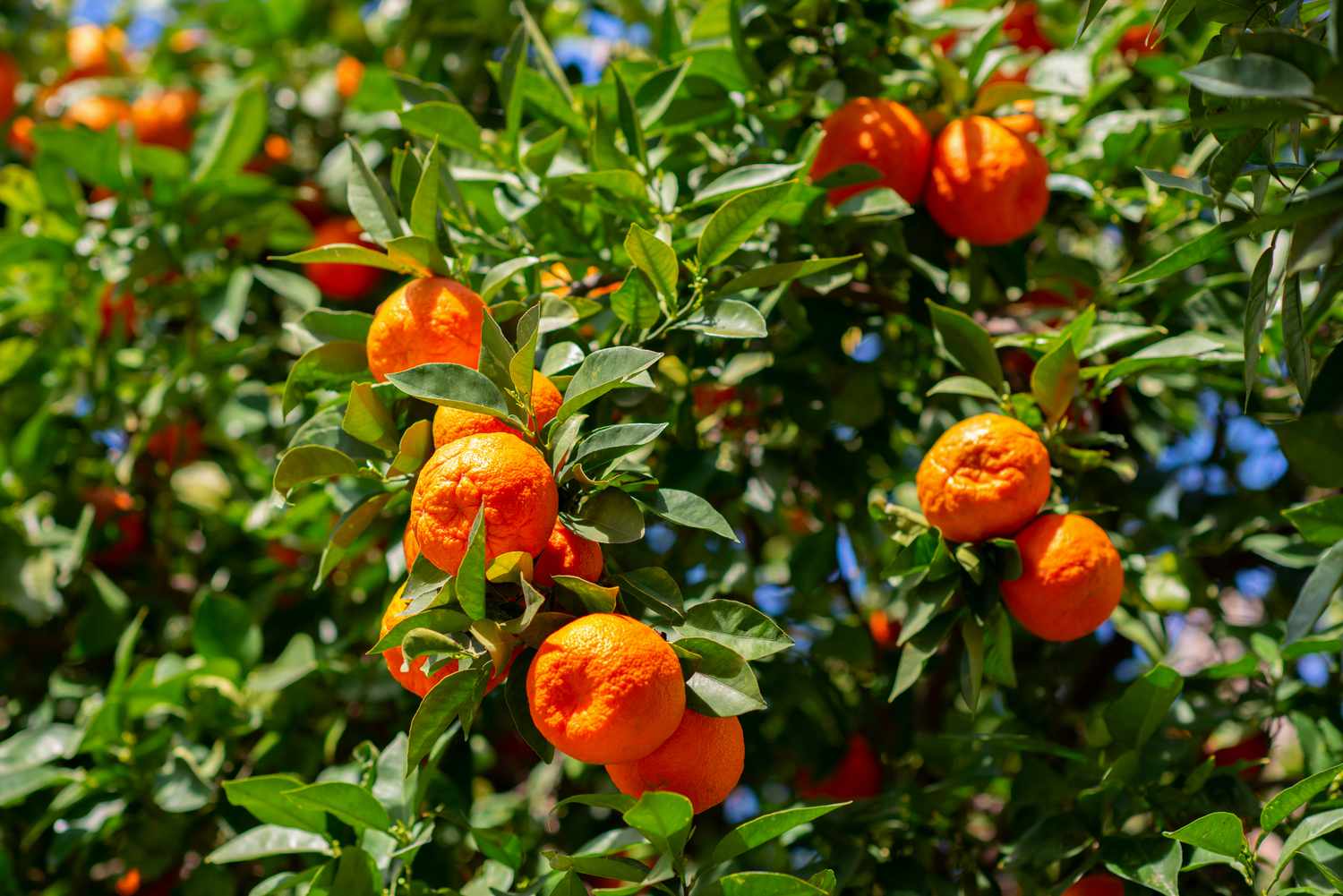

Satsuma citrus fruits. They are pleasant and nutrient-dense citrus fruits, distinguished by its seedlessness, easy-to-peel skin, and sweet flavor. They are a fantastic addition to a variety of meals and snacks because of their adaptability. Regular consumption of satsumas can improve your diet due to their many health advantages and fresh flavor.The superior flavor of the Owari Satsuma mandarin is highly valued. Usually juicy and sweet, the fruit has a little hint of tartness.
SATSUMA CITRUS FRUITS
Satsuma citrus fruits are a variety of seedless, easily peeled mandarin oranges that are valued for their light flavor and sweet, soft flesh. Their characteristic “zipper-skin” is loose and leathery, which makes peeling them a breeze. Because of their delicate nature, they are frequently sold as canned mandarins and are widely regarded as one of the sweetest citrus fruits, despite their occasional little acidity.
Characteristics;
Satsuma oranges are typically small to medium-sized, with a bright orange, thin skin that peels off effortlessly. They are known for their loose skin, which separates easily from the segments, making them ideal for snacking. The fruit’s flesh is tender, juicy, and sweet, with a subtle tang that enhances its flavor profile. Satsumas are usually seedless, which adds to their convenience and appeal.
Nutritional Benefits;

SATSUMA CITRUS FRUITS
Satsuma oranges are a nutritious choice, offering several health benefits. They are an excellent source of vitamin C, which supports immune function, skin health, and overall vitality. In addition to vitamin C, satsumas provide dietary fiber, which aids digestion and helps maintain healthy cholesterol levels. They also contain antioxidants that help combat oxidative stress and contribute to overall health.
Culinary Uses;

SATSUMA CITRUS FRUITS
Also, satsumas are versatile in the kitchen. Their sweet and juicy segments can be enjoyed fresh, added to salads, or used as a topping for yogurt and desserts. Satsuma juice is a refreshing beverage that can be used in cocktails, marinades, and dressings. The fruit’s zest can also be incorporated into various recipes to add a hint of citrus flavor.
Selecting and Storing;

When selecting satsumas, look for fruits that are firm, heavy for their size, and have a vibrant, unblemished skin. Avoid satsumas with soft spots or signs of mold. They can be stored at room temperature for up to a week or in the refrigerator for up to two weeks to maintain freshness. To extend their shelf life, keep them in a perforated plastic bag in the crisper drawer.
Summary
Satsuma oranges, also just called satsumas, are a type of mandarin orange that is prized for its sweet taste, seedlessness, and easy-to-peel skin. This citrus fruit, which is native to Japan, is prized for its ease of use and cool flavor. Citrus lovers love it because of its flavor, which is frequently described as a balance between sweet and acidic.
















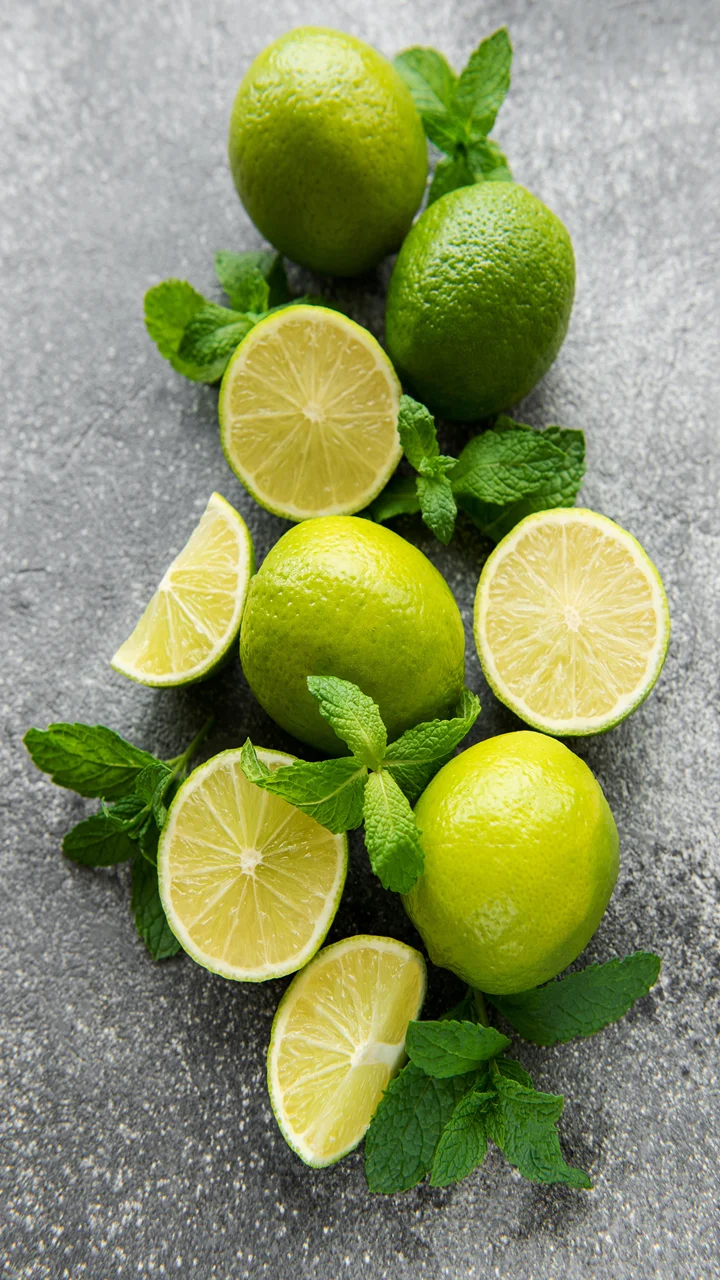
Sweet lime importance. With their mild flavor and various health advantages, are a favored fruit in many tropical and subtropical countries.They are a lovely addition to both savory and sweet meals due to their soft, refreshing taste and adaptability in the kitchen. It can be used as a culinary element, a refreshing beverage, or a fresh fruit. A tasty and nourishing approach to reap the health benefits of citrus is with sweet limes.
SWEET LIME IMPORTANCE
Sweet lime, sometimes called Citrus limettioides or Mosambi, is a citrus fruit that is well-known for its refreshing properties and mildly sweet flavor. originating in Southeast and South Asia. This fruit has acquired popularity in various regions of the world for its delicious taste and several health advantages.
Characteristics and Cultivation;
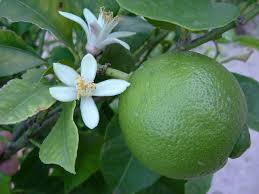
Sweet limes are medium-sized, round fruits, typically about 2-3 inches in diameter. Their skin is smooth and can range in color from green to yellow as they ripen. Unlike other lime varieties, sweet limes have a relatively low acidity, which contributes to their mild. Sweet flavor that is often compared to a cross between an orange and a lime.
The trees that bear sweet limes thrive in warm, subtropical climates and are grown extensively in India, Egypt, and other parts of the Middle East. These trees prefer well-drained soil and full sunlight. Producing fruit primarily in the winter months, although they can bear fruit year-round in optimal conditions.
Culinary Uses;

Sweet lime importance
Sweet limes are typically consumed fresh, either on their own or as juice. The juice of sweet limes is a popular beverage in many tropical regions, prized for its refreshing taste and hydrating properties. Unlike the tart and acidic juices of other citrus fruits. Sweet lime juice is gentle on the palate, making it a favorite among those who prefer milder flavors.
In addition to being consumed as a fresh fruit or juice, sweet limes are also used in salads, desserts, and as a garnish for various dishes. Their mild sweetness pairs well with both savory and sweet recipes, adding a subtle citrus note without overwhelming other flavors.
Nutritional Benefits;
Sweet limes are a rich source of vitamin C, which is essential for immune function, skin health, and antioxidant protection. They also provide vitamins A and B, potassium, and dietary fiber. The high water content and natural sugars in sweet limes make them an excellent choice for hydration and energy, especially in hot climates.
Medicinal Uses;

Sweet lime importance
In traditional medicine, sweet limes are often used to treat dehydration, jaundice, and digestive issues. Their mild acidity and high vitamin C content make them suitable for soothing sore throats and boosting the immune system. The fruit’s gentle nature also makes it a preferred choice for those recovering from illness or looking for a natural, nutritious way to maintain health.
Summary
Because sweet lime contains a lot of vitamin C and other antioxidants, it boosts immunity. These nutrients strengthen the body’s defenses against infections and aid in the neutralization of dangerous free radicals. Additionally, the fruit has vital nutrients that boost immunity, such as calcium and magnesium.
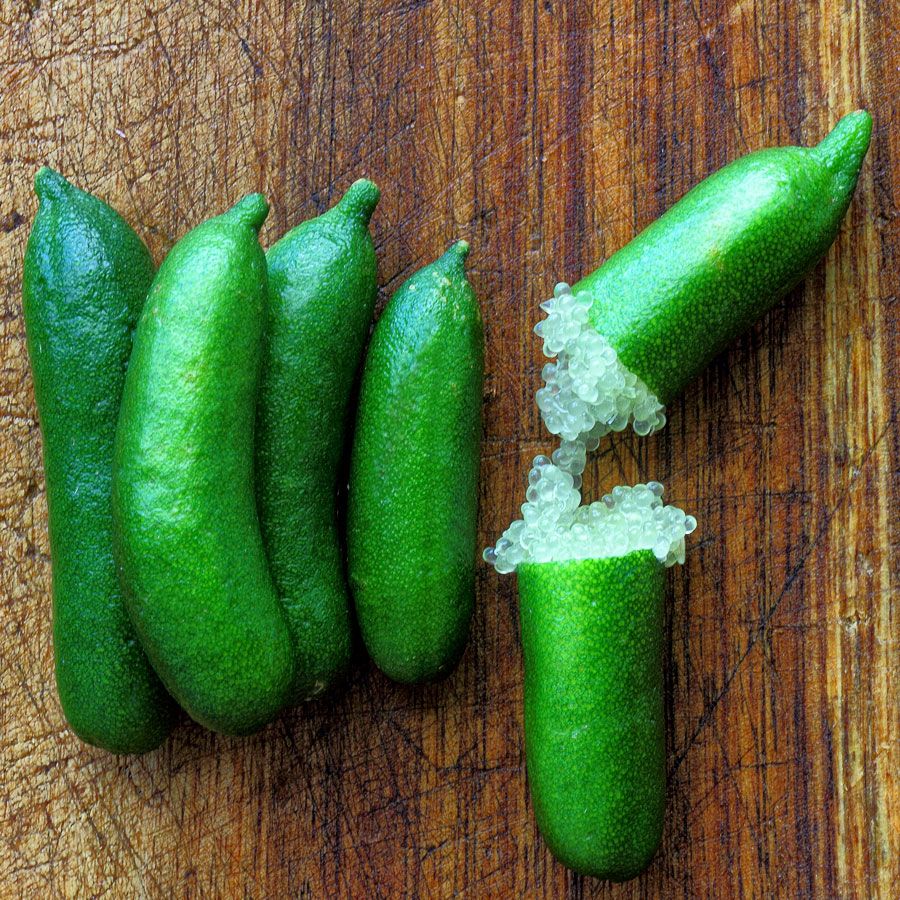
Healthy impacts of finger limes. Finger limes, with their caviar-like texture and bright flavor, are a true gem in the world of citrus fruits. Their unique appearance and versatility in both savory and sweet dishes have made them a favorite among chefs and food enthusiasts alike. Whether it’s a visual treat, a garnish, or a way to increase flavor. Finger limes reinforce their reputation as the caviar of citrus by adding a touch of refinement and surprise to culinary creations.
HEALTHY IMPACTS OF FINGER LIMES
Finger limes, scientifically known as Citrus australasica, are a unique and exotic citrus fruit native to the rainforests of Eastern Australia. Renowned for their elongated shape and caviar-like interior. Finger limes have become a sought-after ingredient in gourmet cuisine, prized for their distinctive texture and vibrant flavor.
Characteristics and Cultivation;

Finger lime is small, cylindrical fruits, typically ranging from 2 to 4 inches in length. Their skin can vary in color, from green to brown to deep red, often with a slightly bumpy texture. The most striking feature of finger limes is their interior, which is filled with tiny, pearl-like vesicles that burst with a tangy, lemon-lime flavor when bitten into. This unique texture has earned them the nickname “citrus caviar.”
These limes grow on small, thorny trees that thrive in well-drained soil and a subtropical climate. They require plenty of sunlight and are relatively hardy, with some tolerance to drought conditions. Finger limes are typically harvested between May and June in Australia, although they can be found year-round in other parts of the world due to varied growing conditions.
Culinary use;

Healthy impacts of finger limes
Finger limes are celebrated for their versatility and the burst of flavor they add to dishes. The caviar-like vesicles are used as a garnish in a variety of culinary creations. From seafood dishes and salads to desserts and cocktails. Their refreshing, tangy taste and unique texture make them a perfect topping for oysters, sushi, and ceviche. Adding both visual appeal and a pop of citrus flavor.
In desserts, finger lime pearls can be used to embellish cakes, tarts, and sorbets, offering a contrasting texture and zesty taste. Bartenders also love incorporating finger limes into cocktails, where the citrus pearls provide a surprising burst of flavor in every sip.
Nutritional Benefits;

Healthy impacts of finger limes
Finger limes are rich in vitamin C, which supports immune health and acts as a powerful antioxidant. They also contain folate, potassium, and vitamin E, contributing to overall wellness. The low calorie and high fiber content make them a healthy addition to any diet. Promoting digestion and aiding in hydration.
Summary
Flavonoids are the main substance present in finger limes. Because of their strong anti-inflammatory and antioxidant qualities, flavonoids are especially advantageous and can promote general health in a number of ways.
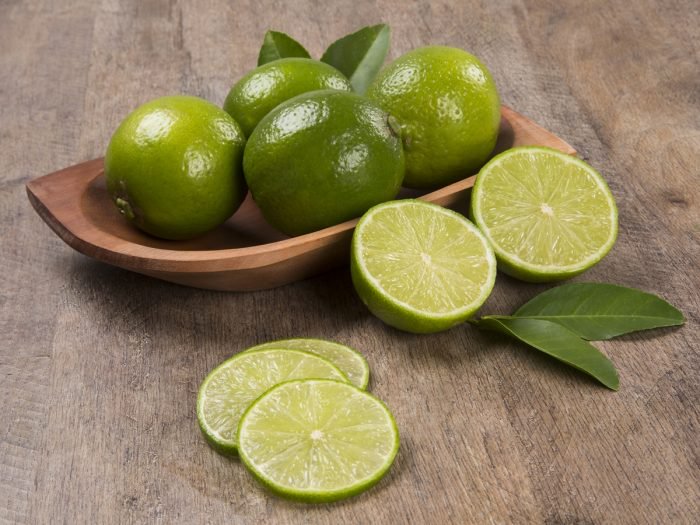
Importance of Persian limes. Also known as Tahiti limes) are the most widely produced and consumed lime variety globally. Their commercial significance relies on their seedless flesh, larger size, thicker skin (which extends shelf life), and the absence of thorns on the tree.
IMPORTANCE OF PERSIAN LIMES
Persian limes, also known as Tahiti limes or Citrus x latifolia, are one of the most commonly found and widely used lime varieties in the world. Known for their smooth, bright green skin and juicy, seedless interior. Persian limes have become a staple in kitchens and bars globally due to their versatile flavor and numerous culinary applications.
Characteristics and Cultivation;
Persian limes are larger than their counterparts, such as Key limes, typically measuring around 2 to 2.5 inches in diameter. They have a thicker skin and are seedless, which makes them particularly convenient for cooking and juicing. The fruit has a slightly less intense tartness compared to Key limes, offering a well-balanced acidity that complements a variety of dishes and drinks.
Originating from a hybridization of Key limes and lemons, Persian limes thrive in warm, subtropical climates. Major producers include Mexico, Brazil, and the United States, particularly in Florida and California. These limes grow on thornless trees that can reach heights of up to 20 feet, preferring well-drained soil and full sunlight to produce the best yields.
Culinary Use;

Importance of Persian limes
Persian limes are incredibly versatile in the kitchen. Their juice is a key ingredient in many beverages, such as margaritas, mojitos, and limeade, providing a refreshing and tangy flavor. The zest is often used to add a citrusy aroma and taste to baked goods, marinades, and dressings.
In savory dishes, Persian lime juice is commonly used in marinades for meats and seafood. Enhancing the flavors and acting as a tenderizer. It’s also a crucial component in many Mexican, Middle Eastern, and Southeast Asian recipes, adding brightness to salsas, ceviches, and salads.
Nutritional Benefits;

Importance of Persian limes
Rich in vitamin C, Persian limes support immune health, skin vitality, and antioxidant protection. They also contain small amounts of other vitamins and minerals, such as vitamin A, calcium, and potassium. The high water content and low calorie count make them an excellent addition to a healthy diet, aiding in hydration and digestion.
Summary
The most commonly grown and consumed type of lime in the world is Persian lime, sometimes referred to as Tahiti lime. Their larger size, thicker skin (which prolongs shelf life), seedless flesh, and lack of thorns on the tree all contribute to their commercial relevance.
Foods Rich in Zinc

Appetite Enhancement Tips

Nutritional Value of Rolled Oats

A Step-by-Step Guide to Deleting Reels on Instagram

A Comprehensive Guide to Setting Up a YouTube Premiere

How to Create a WhatsApp Group
-

 Health4 weeks ago
Harmful side effects of earphones
-

 Self esteem4 weeks ago
Tips for self esteem improvement
-

 Exercise4 weeks ago
Regular physical activities importance
-

 Business3 weeks ago
Local business promotion
-

 Health4 weeks ago
Headphones safety tips
-

 Entertainment3 weeks ago
Women and British dance music