Children
Signs of Infant Teeth Growth


Signs of infant teeth growth.When your baby’s teeth begin to erupt through their gum line, it’s known as teething. It is also known as odontiasis. The emergence of a baby’s teeth might cause discomfort. One popular theory is that teething pain is caused by newborn teeth piercing the gums. However, hormones have already torn down that portion of your baby’s gums before the tooth’s crown shows.
SIGNS OF INFANT TEETH GROWTH
It’s crucial to remember that not every baby will have every symptom, and that each person may have symptoms that differ greatly in intensity. Furthermore, although teething might be difficult, it usually doesn’t result in serious pain or sickness. See a pediatrician for advice and assistance if you are worried about your baby’s teething symptoms or if they appear especially upset.
1. Drooling:
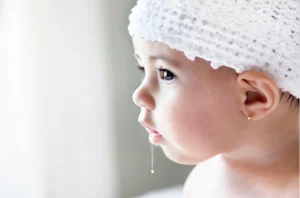
Increased saliva production is a typical sign of teething. You may notice your infant drooling more than usual, which can sometimes lead to facial rashes or chafing.
2. Irritability:
Teething can cause discomfort and irritability in infants. They may become fussier than usual, especially during feeding or sleeping times.
3. Gum discomfort:

Swollen, tender gums are often a clear indicator of teething. Your infant may try to alleviate the discomfort by biting or gnawing on objects or fingers.
4. Chewing and biting:
The pressure from erupting teeth can lead to a natural instinct to chew and bite on objects for relief. Providing safe teething toys or chilled (not frozen) teething rings can help soothe sore gums.
5. Changes in eating and sleeping patterns:

SIGNS OF INFANT TEETH GROWTH
Discomfort from teething can affect an infant’s appetite and sleep patterns. They may refuse to eat or have difficulty sleeping due to the discomfort.
6. Ear pulling and cheek rubbing:

SIGNS OF INFANT TEETH GROWTH
Some infants may tug at their ears or rub their cheeks as they experience referred pain from tooth growth or teething. This behavior is a response to the discomfort in their gums.
7. Mild fever:
While controversial, some infants may experience a slight increase in body temperature (generally below 100.4°F or 38°C) during teething. However, it’s essential to monitor for other signs of illness and consult a healthcare provider if the fever persists or if your infant displays other concerning symptoms.
8. Loose stools:

SIGNS OF INFANT TEETH GROWTH
Tooth growth or teething can sometimes disrupt an infant’s digestive system, leading to looser stools than usual. However, severe diarrhea or other signs of illness should be evaluated by a healthcare provider.
Summary
Teething occurs whenever a tooth is prepared to erupt through the gums; it is not a continuous stage. The molars erupt between 13 and 19 months after the majority of baby teeth (primary teeth) erupt by around 12 months. By the time they are three years old, most baby teeth fall out.








Kids screen time. According to screen time standards, children under the age of two should not use screens (except from video chats), children between the ages of two and five should use screens for no more than an hour each day (co-viewing is advised), and older children should use screens for no more than two hours per day (quality/balance). Prioritizing in-person interactions, establishing screen-free periods (meals, sleep), selecting informative content, and setting an example with your own screen usage are all important pieces of advise because excessive screen time can have negative effects on behavior and development.
KIDS SCREEN TIME
Kids’ and older kids’ screen time. Given the widespread use of electronics, keeping an eye on a child’s screen time can be challenging. To make matters more complicated, children’s social and academic development can benefit from screen time. So how do you manage your children’s screen time? This is a summary of how to keep an eye on your children’s media and screen time.
Do the following:

kids screen time
1. Check out shows, games, and applications before letting them watch or use them. You may get reviews and ratings for television from organizations like Common Sense Media to assist you decide what is suitable for your child’s age. Even better, use them, watch them, or play with your youngster.
2. Choose interactive options that your child can participate in instead of ones that only need them to stare at a screen or push and swipe.
3. To restrict or prohibit online content, use parental controls. To ensure that you can monitor your child’s activities during screen time, make sure they are close by.

4. Ask your child frequently about the apps, games, and programs they have used during the day.
5. Talk about the shows you’re viewing and teach your kids about ads and advertising when you’re watching TV together. Additionally, steer clear of violent content,
apps with a lot of distracting content, and fast-paced programming, which young children to remove any advertising from apps, as young kids sometimes struggle to establish boundaries with older kids:

kids screen time
6. Give your kids clear guidelines and appropriate time restrictions for using digital media. Take into account these suggestions: • Promote free-form, unstructured playtime.
Establish tech-free areas or periods, such as dinnertime or one evening per week.
7. Establish curfews and daily or weekly screen time limits, such as an hour before bedtime when no electronics or screens are allowed. Consider these five ways slimming screen time is good for your family’s health.
Summary
The amount of time spent using an electronic device with a display screen, such as a computer, tablet, smartphone, television, or video game console, is known as screen time. Significant study is being done on the idea in relation to mental health and digital media consumption.

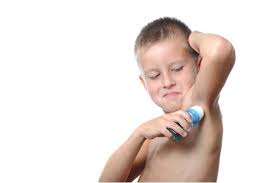
Kids and deodorants. For children, body odor is a typical part of growing up. Children start to smell unpleasant on their bodies when puberty sets in and hormones start to change. For females, this usually happens between the ages of 8 and 13, and for boys, between the ages of 9 and 14. However, it may also be natural to begin puberty later or earlier. Taking a bath every day might help lessen body odor, especially in hot weather or after perspiring a lot. It can also be beneficial to wear new shirts, socks, and underwear every day. But many parents also don’t know when to start their kids using deodorant.
KIDS AND DEODORANTS
Children can safely use deodorants and antiperspirants. The primary ingredients are the same, but some include packaging or fragrances intended to appeal to younger consumers. Despite their “natural” name, some products aren’t healthier than conventional ones. Use whatever makes you and your child feel at ease.
What Are the Types of Deodorant?
Deodorants

Kids and deodorants
mask the stench of body odor, typically with perfumes.
Antiperspirants
Sweat or perspiration should cease or dry up. They accomplish this by momentarily obstructing the pores that produce perspiration.
Deodorants, antiperspirants, and combo products are available in a variety of retail locations and are available in sticks, roll-ons, gels, sprays, and creams.
When Should Kids Start Using Deodorant?

Kids and deodorants
The age at which children can begin using antiperspirants or deodorants is not specified. When they do begin, they must to study the instructions and adhere to them. Before they are mature enough to use spray (aerosol) products properly without getting it in their face or in their lungs, younger children should use stick, roll-on, or cream products instead of aerosol ones.
What Kind of Deodorant Is Best for Kids?

Kids and deodorants
Children may benefit from deodorant early on. When sweating rises later in adolescence, switching to a solution that addresses both odor and perspiration may be helpful. Children can safely use deodorants and antiperspirants. The primary ingredients are the same, however some add smells or packaging aimed toward younger consumers. Though some have the name “natural,” they are no more healthful than conventional solutions. Use whatever works for both you and your child.
Summary
With Nectar Beauty Hub’s original deodorants, which have potent formulas that offer long-lasting protection against perspiration and odor without irritating the skin, you can feel confident and odor-free throughout the day, no matter what life throws at you.

Sound and child development. Children’s verbal, cognitive, social, and emotional development are all greatly impacted by sound. While music and sound play create cerebral connections for math, reading, and memory through patterns and rhythm, early exposure to noises aids infants in perceiving differences essential for language. Additionally, through music and movement, sound exploration promotes the development of motor skills, fosters social relationships, and aids in children’s emotional expression.
SOUND AND CHILD DEVELOPMENT
Sound plays a crucial role in a child’s development, influencing cognitive, emotional, and social growth from the earliest moments of life. From the rhythmic heartbeat heard in the womb to the diverse sounds encountered in the environment, auditory experiences are fundamental to how children understand and interact with the world around them.
1. Cognitive Development;

Sound is pivotal in cognitive development, especially in the realms of language acquisition and learning. Even before birth, fetuses can respond to sounds, recognizing their mother’s voice and other familiar noises. This early exposure sets the stage for language development, as infants learn to differentiate between various sounds and eventually associate them with meaning.
Studies have shown that babies begin to recognize and respond to their native language within the first few months of life. This auditory learning continues as children grow, with language skills developing rapidly through listening and mimicking sounds. Engaging with different types of sounds, such as music, storytelling, and conversation, enhances vocabulary, comprehension, and critical thinking skills.
2. Emotional Development;

Sound and child development
Sound also significantly impacts a child’s emotional well-being. Soothing sounds, such as a parent’s lullaby or gentle music, can comfort and calm an infant, fostering a sense of security and emotional stability. Conversely, loud or harsh noises can cause distress and anxiety.
Music, in particular, has a profound emotional effect. Exposure to various musical genres can help children express their emotions, develop empathy, and understand complex emotional concepts. Singing and listening to music together can strengthen bonds between children and caregivers, creating lasting emotional connections.
3. Social Development;
Social development is deeply intertwined with auditory experiences. Sounds facilitate communication, which is the cornerstone of social interaction. From the coos and babbles of infancy to the complex conversations of adolescence, the ability to produce and interpret sounds is essential for building relationships and engaging with others.
Participating in group activities that involve sound, such as music classes, storytelling sessions, or playgroups, helps children learn to cooperate, share, and develop social norms. These interactions are crucial for developing social skills and a sense of community.
4. Environmental Awareness;
Sound and child development
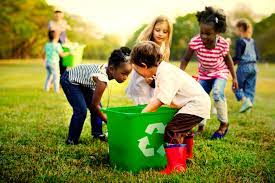
Sound also enhances a child’s awareness of their environment. Children learn to identify and respond to different sounds, which helps them navigate their surroundings safely and effectively. For example, recognizing the sound of traffic can prevent accidents, while distinguishing between friendly and alarming animal noises can enhance a child’s understanding of nature.
5. Therapeutic Uses of Sound;

Sound and child development
Sound therapy is increasingly used to support children with developmental delays, learning disabilities, and emotional challenges. Techniques such as music therapy, auditory integration training, and sound-based interventions can improve communication skills, reduce anxiety, and enhance cognitive functioning.
For children with autism, for instance, music therapy can be particularly beneficial. It can help improve social interactions, communication abilities, and sensory processing skills, making it easier for these children to engage with the world around them.
Summary
It is impossible to overestimate the importance of sound in a child’s growth. A child’s experiences and development are greatly influenced by sound, which influences everything from social interaction and environmental awareness to cognitive and emotional development.

AI and the Future

Essence of Time Management

Personal Finances

A Step-by-Step Guide to Deleting Reels on Instagram

How to Create a WhatsApp Group