
Children
Kids and Health


Kids and health. When evaluated by adult standards, children are typically considered healthy, and significant progress has been made in lowering juvenile illnesses and fatalities. However, the nation shouldn’t be deceived by these facts: there are notable health disparities among American children, and a number of indicators of children’s health indicate that more work needs to be done. Additionally, American children perform worse than their European counterparts on a number of health-related measures. It is necessary to maintain the recent gains in children’s health and to make additional efforts to maximize them.
KIDS AND HEALTH
Children are essential to the future and present of the country. Typically, parents, grandparents, aunts, and uncles are dedicated to giving their children every benefit, as well as to making sure they are healthy and have the opportunity they require to reach their full potential. Despite our best efforts, our children are constantly in contact with microorganisms. This is particularly true when they interact with other children at the playground, at school, or through sports. By adhering to our ten recommendations for staying healthy at school ( and every where else), parents may help minimize sick days and maintain their kids’ robust immune systems.
1. Get adequate sleep;

You should establish a regular nighttime schedule for your child’s health. Kids in kindergarten through sixth grade need to sleep for nine to eleven hours a night. The capacity to fend against illnesses, eating patterns, and behavior are all closely correlated with the quality of one’s sleep. In addition to increasing appetites for junk food, sleep deprivation frequently causes mood swings, tantrums, and an increased risk of infection.
2. Reduce screen time;
Any screen time which includes using computers, video games, tablet, phones, televisions that isn’t related to homework should be kept to two hours a day or less. Screen light has the potential to lower melatonin levels, which can interfere with sleep cycles and make it harder to fall asleep.
3. Practice healthy eating habits;

KIDS AND HEALTH
Eat a healthy breakfast, lunch, and dinner for your child and make sure they stay hydrated all day support their health. Encourage them to choose nutritious drinks like milk and water. Limit or completely give up caffeinated and sugar- sweetened beverages. Caffeine can raise your child’s blood pressure and pulse rate, disrupt their sleep, and make them tense and irritable.
4. Wash hands frequently;
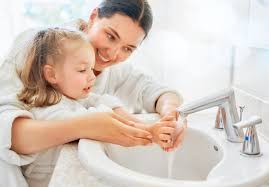
While washing, teach your kid to sing the happy birthday song twice, taking about 20 seconds each time. When washing hands isn’t an option, make sure your child has access to hand sanitizer. Instruct children to cough or sneeze into their arm or shoulder and to keep their hands away from their faces.
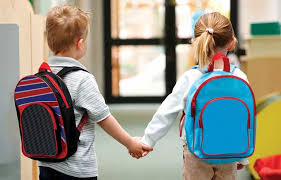
5. Promote proper backpack safety;
KIDS AND HEALTH
A full backpack should not weigh more than 10% of your child’s weight. Heavy backpacks can cause pain in the neck, shoulders, and back. Give your child a good backpack with two straps and cushioned padding.
Summary
Children are not doing as well as the general public may believe, especially those from low-income and minority backgrounds. This lowers the prospects for these children now and in the future, as well as for the country overall. If the country wants to successfully maximize the potential of all of its children and secure the health of the country in the future, it must take into account the importance of figures like these and implement sensible measures to improve children’s health.










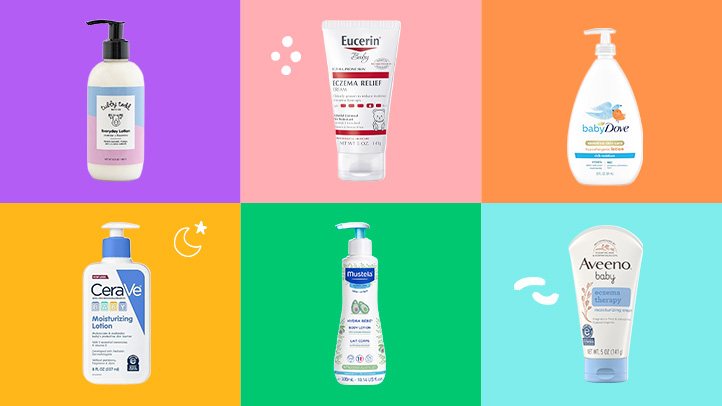
Infants best lotions. When it comes to taking care of your baby’s skin, pick a mild lotion. It must be efficient and devoid of unpleasant chemicals. The aforementioned lotions are made with calming, natural ingredients that give sensitive infant skin long-lasting moisture and protection. whether your infant has dry, sensitive, or easily irritated skin. These lotions provide the nutrients and care required to maintain their skin’s health, softness, and happiness.
INFANTS BEST LOTIONS
Maintaining your baby’s sensitive skin depends on the type of lotion you use. Because babies’ skin is more delicate and prone to dryness, irritation, and other problems, applying a mild yet effective lotion can help keep their skin hydrated and healthy. These four top lotions are made to give babies the finest possible care and protection.
1. Aveeno Baby Daily Moisture Lotion;
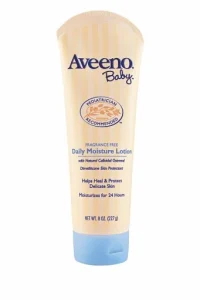
– Key Benefits: Aveeno Baby Daily Moisture Lotion is formulated with natural colloidal oatmeal, which is known for its soothing and moisturizing properties. This non-greasy, fast-absorbing lotion is clinically proven to moisturize for 24 hours, providing long-lasting hydration for your baby’s skin.
– Why It’s Great for Infants: The gentle, hypoallergenic formula is free from parabens, phthalates, and fragrances, making it suitable for sensitive skin. The natural oatmeal helps to soothe irritation and protect the skin’s moisture barrier, keeping it soft and smooth.
2. CeraVe Baby Moisturizing Lotion;
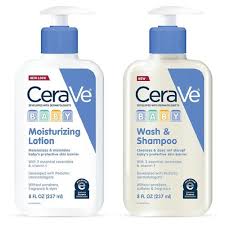
– Key Benefits: CeraVe Baby Moisturizing Lotion contains essential ceramides and vitamins to help restore and maintain the skin’s natural barrier. It provides all-day hydration with a lightweight, non-greasy formula that is free from parabens, sulfates, and fragrances.
– Why It’s Great for Infants: This lotion is developed with pediatric dermatologists and is gentle enough for daily use on sensitive baby skin. The inclusion of ceramides helps to strengthen the skin’s barrier, preventing dryness and irritation while keeping the skin well-hydrated and healthy.
3. Mustela Hydra Bébé Body Lotion;
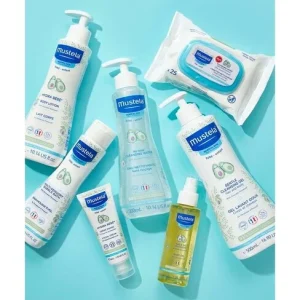
Infants best lotions
– Key Benefits: Mustela Hydra Bébé Body Lotion is enriched with natural ingredients like Avocado Perseose, a patented ingredient that helps protect and hydrate the skin. The formula is light, easily absorbed, and provides long-lasting moisture without leaving a greasy residue.
– Why It’s Great for Infants: This lotion is hypoallergenic and free from parabens, phthalates, and phenoxyethanol, making it safe for daily use on delicate infant skin. The natural ingredients nourish and protect the skin, ensuring it stays soft and supple.
4. Eucerin Baby Lotion;
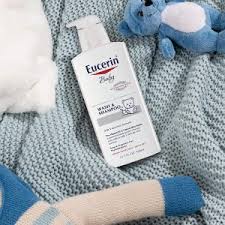
Infants best lotions
Although, eucerin Baby Lotion is a gentle, fragrance-free lotion that is designed to moisturize and protect a baby’s sensitive skin. It is enriched with pro-vitamin B5 and natural shea butter. Which help to soothe and nourish the skin, providing up to 24 hours of hydration.
– Why It’s Great for Infants: The formula is hypoallergenic and free from parabens, dyes, and fragrances. Making it ideal for babies with sensitive skin or eczema. The inclusion of shea butter helps to lock in moisture and prevent dryness, ensuring the skin remains soft and comfortable.
Summary
Also, to preserve delicate skin, the best baby lotions are hypoallergenic, fragrance-free, and made with natural, plant-based ingredients. Earth Mama Simply Non-Scents Baby Lotion and Aveeno Baby Daily Moisturizing Cream are two top pediatrician-recommended options that lock in hydration without leaving greasy residues.
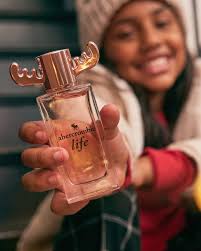
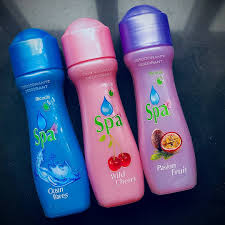
Kids and perfumes. The potential hazards of putting perfumes on newborns much outweigh any perceived benefits, even though the image of a sweet-smelling baby could be alluring. Extra care and attention are necessary due to the sensitive nature of an infant’s skin, respiratory system, and general growth. Parents can protect their infant’s health and comfort while avoiding the risks associated with perfumes by selecting safer, carefully made products.
KIDS AND PERFUMES
While perfumes and fragrances are often used by adults to enhance personal scent, their use on infants is strongly discouraged. Here are four critical reasons why perfumes are not suitable for infants:
1. Sensitive Skin;
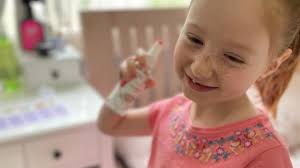
Infants have incredibly delicate and sensitive skin, which is much thinner than that of adults. This makes them more prone to irritation and allergic reactions. The chemicals and alcohol present in most perfumes can cause redness, rashes, and dryness. Given the immaturity of an infant’s skin barrier, applying perfume can lead to significant discomfort and skin issues.
2. Respiratory Concerns;
Infants have developing respiratory systems that can be easily affected by strong scents. The volatile organic compounds (VOCs) found in perfumes can contribute to respiratory problems such as wheezing, coughing, and in some cases, more severe conditions like asthma. Infants’ lungs and nasal passages are particularly sensitive, and exposure to strong perfumes can exacerbate these vulnerabilities.
3. Potential Allergens;
Kids and perfumes
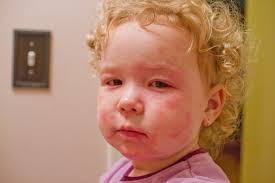
Many perfumes contain a variety of ingredients that can act as allergens, including synthetic fragrances, essential oils, and preservatives. Infants, with their still-developing immune systems, are at a higher risk of experiencing allergic reactions to these substances. Symptoms can range from mild, like itching and swelling, to severe, such as difficulty breathing and hives.
4. Endocrine Disruption;
Some ingredients commonly found in perfumes, such as phthalates, are known endocrine disruptors. These chemicals can interfere with the body’s hormonal systems and have been linked to various health issues, including developmental problems. Given that infants are in a critical stage of growth and development, exposure to endocrine disruptors can have long-lasting and potentially serious consequences.
Safer Alternatives for Infants;
Kids and perfumes
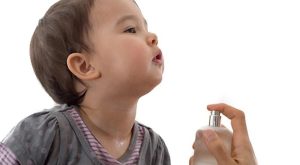
Instead of using perfumes, parents and caregivers should opt for products specifically designed for infants. Mild, fragrance-free baby lotions, shampoos, and soaps are formulated to be gentle on sensitive skin and free from harmful chemicals. Keeping infants clean through regular bathing and ensuring their clothing and bedding are washed with hypoallergenic detergents can also help maintain a pleasant and fresh scent without the risks associated with perfumes.
Summary
Safety and skin sensitivity are the top priorities when it comes to children and perfumes. Because adult perfumes contain strong alcohol and compounds like phthalates that can cause skin irritation or respiratory discomfort, pediatricians typically advise against applying them on young children. Instead, choose kid-friendly, gentle, alcohol-free, and hypoallergenic formulas.
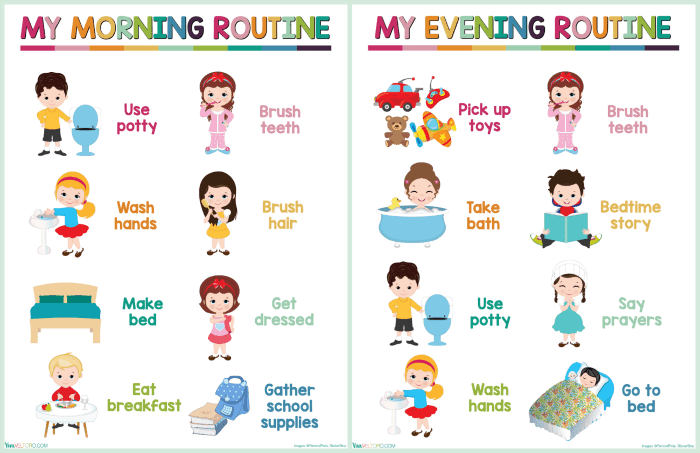
Morning routine and kids. Preparation, consistency, and the development of independence are necessary for a good morning routine with children; ideally, it should take 45 to 60 minutes to avoid hurrying. To promote independence and lessen morning stress, important tactics include making a visual checklist, preparing supplies the night before, and allowing children to pack bags and get ready independently.
MORNING ROUTINE AND KIDS
Within ten minutes of waking up, a productive morning routine supported by science emphasizes consistency, drinking, and exposure to natural light. Delaying phone use to prevent distraction, mild exercise (such as walking or stretching), and eating a high-protein breakfast are important strategies. To control cortisol levels, avoid caffeine for the first half hour.
It’s not always a given that your morning will go smoothly from waking up to leaving the house if you live with other early risers. There are a few simple things you can do to establish an easy morning routine for kids that will help keep the early hours from becoming a lesson in chaos, whether you need a refresher or are getting ready for newly busy days.
Make sure the kids get enough sleep;

It’s a simple reality that children who don’t get enough sleep will not be happy when the light comes on in the morning.
Prep backpacks the night before;
When everyone is in high gear, it helps retain the flow and your sanity. There’s no better feeling than doing your schoolwork and packing it up the night before. It’s one less thing to do in the morning.
Wake up at the same time every day;

Morning routine and kids
Who hasn’t at least once considered hitting the snooze button? Your internal body clock determines when it’s time to get up and shine since the most successful morning individuals wake up at the same time every day. Your best bet for a successful weekday morning routine is getting up at the same time every day, regardless of how much you enjoy sleeping in on the weekends.
Let the light shine in;
Lift the window shades to let in the morning light as soon as the alarm goes off. Compared to the dark, light causes our body to wake up more quickly. When your children wake up, have them open the curtains or blinds. Get out of bed and turn on the light if you wake up before the sun rises.
Start with a power jam;

Morning routine and kids
Theme tunes have a certain inspirational quality. Play their all-time favorite song or a timeless masterpiece like Eye of the Tiger at seven in the morning to energise the troops. Play your go-to tune every day or create a playlist that you can switch up every week. Let’s start the celebration this morning!
Summary
By creating a proactive, organized start to the day, a regular morning routine lowers stress, increases productivity, and improves mental clarity. It reduces decision fatigue, promotes intentional habits that improve physical health, and increases emotional resilience, enabling a more composed and regulated response to day-to-day issues.
Foods Rich in Zinc

Appetite Enhancement Tips

Nutritional Value of Rolled Oats

A Step-by-Step Guide to Deleting Reels on Instagram

A Comprehensive Guide to Setting Up a YouTube Premiere

How to Create a WhatsApp Group
-

 Health4 weeks ago
Harmful side effects of earphones
-

 Self esteem4 weeks ago
Tips for self esteem improvement
-

 Exercise4 weeks ago
Regular physical activities importance
-

 Business3 weeks ago
Local business promotion
-

 Health4 weeks ago
Headphones safety tips
-

 Entertainment3 weeks ago
Women and British dance music