Children health
Signs of teething

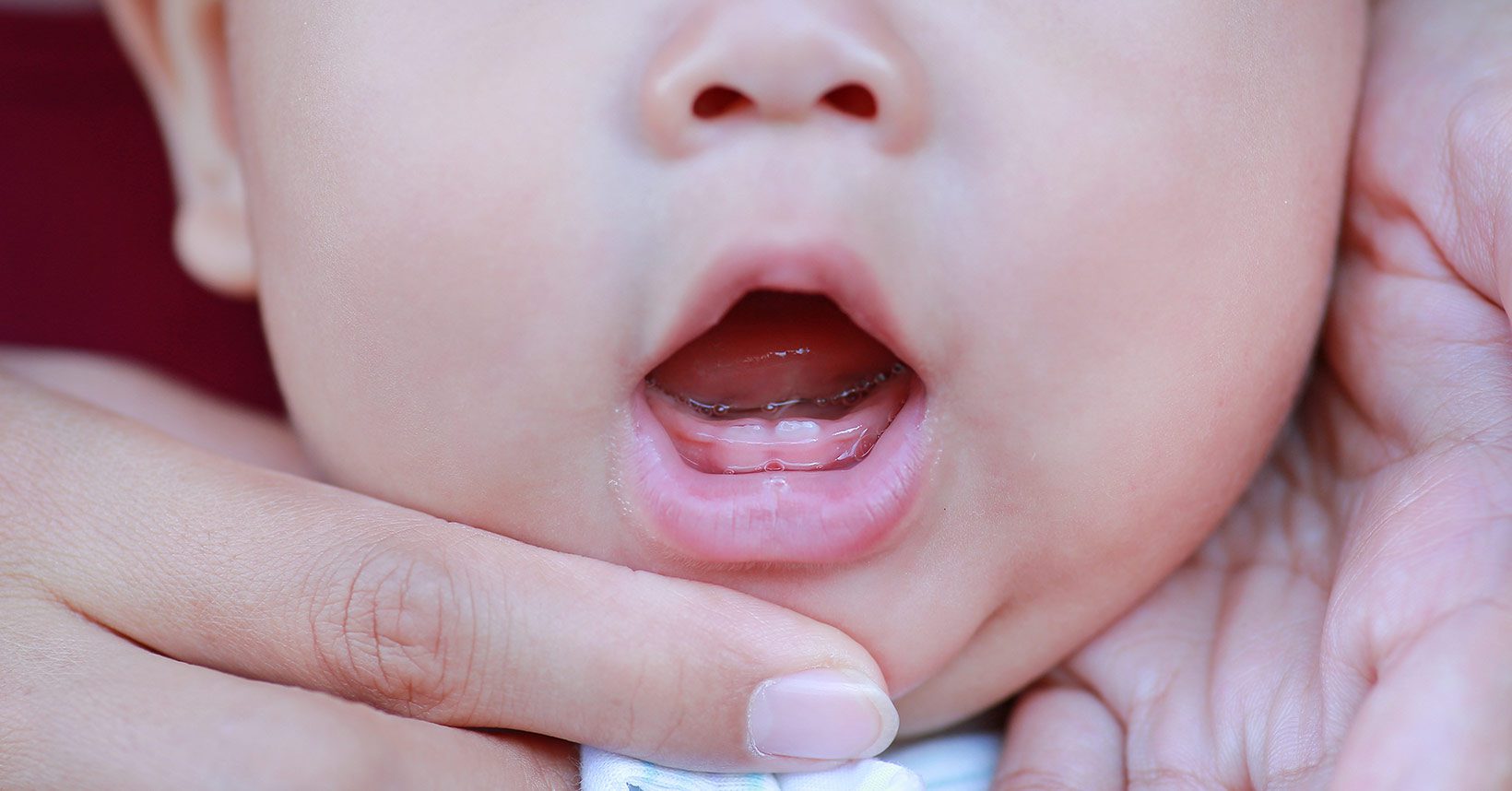
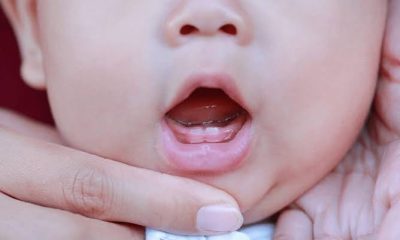
Signs of teething. It’s crucial to remember that not every baby will exhibit every symptom, and that each person’s symptoms might differ greatly in intensity. Furthermore, although teething might be difficult, it usually doesn’t result in serious discomfort or sickness. See a pediatrician for advice and assistance if you are worried about your baby’s teething symptoms or if they appear especially upset.
SIGNS OF TEETHING
A baby’s first set of teeth, referred to as primary or baby teeth, start to show through the gums during the natural process of teething. Although each kid experiences teething differently, typical signs include:
1. Drooling:
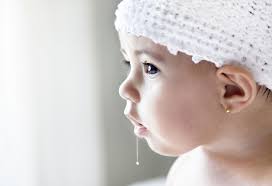
Increased saliva production is a typical sign of teething. You may notice your infant drooling more than usual, which can sometimes lead to facial rashes or chafing.
2. Irritability: Teething can cause discomfort and irritability in infants. They may become fussier than usual, especially during feeding or sleeping times.
3. Gum discomfort:
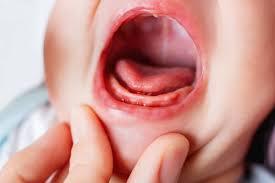
Signs of teething
Swollen, tender gums are often a clear indicator of teething. Your infant may try to alleviate the discomfort by biting or gnawing on objects or fingers.
4. Chewing and biting: The pressure from erupting teeth can lead to a natural instinct to chew and bite on objects for relief. Providing safe teething toys or chilled (not frozen) teething rings can help soothe sore gums.
5. Changes in eating and sleeping patterns: Discomfort from teething can affect an infant’s appetite and sleep patterns. They may refuse to eat or have difficulty sleeping due to the discomfort.
6. Ear pulling and cheek rubbing:
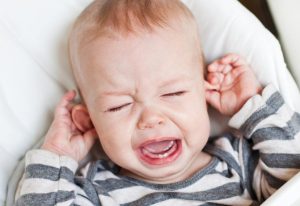
Signs of teething
Some infants may tug at their ears or rub their cheeks as they experience referred pain from tooth growth or teething. This behavior is a response to the discomfort in their gums.
7. Mild fever: While controversial, some infants may experience a slight increase in body temperature (generally below 100.4°F or 38°C) during teething. However, it’s essential to monitor for other signs of illness and consult a healthcare provider if the fever persists or if your infant displays other concerning symptoms.
8. Loose stools:

Signs of teething
Tooth growth or teething can sometimes disrupt an infant’s digestive system, leading to looser stools than usual. However, severe diarrhea or other signs of illness should be evaluated by a healthcare provider.
Summary
Swollen or sensitive gums, profuse drooling, irritability, and a desire to chew on hard things are typical signs of teething. Additionally, babies may have minor temperature elevation (less than 38°C or 100.4°F), ear pulling, cheek rubbing, and disturbed sleep. Usually, three to five days before the tooth erupts, symptoms begin.




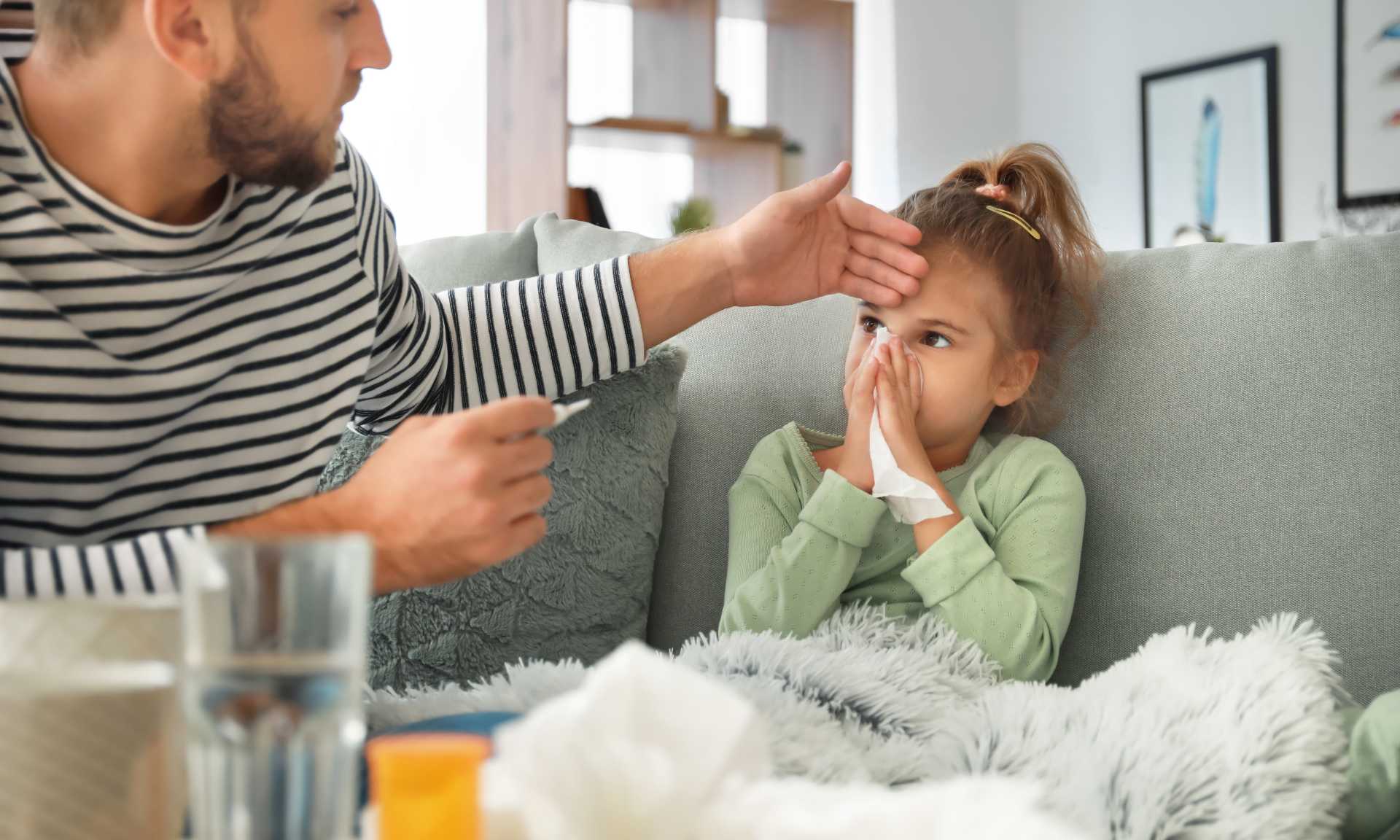
Childhood illnesses. Respiratory diseases (colds, influenza, croup, pneumonia), gastrointestinal viruses (stomach flu), ear infections, and skin rashes (chickenpox) are common childhood illnesses. Many are infectious and spread swiftly in schools and daycare centers. Serious diseases including whooping cough, mumps, and measles can be avoided with vaccinations.
CHILDHOOD ILLNESSES
From minor infections (colds, flu, COVID-19) to chronic ailments, illnesses are states of poor health, diseases, or maladies that cause dysfunction in the body or mind. They frequently exhibit symptoms including fever, exhaustion, and discomfort, necessitating a range of interventions from expert medical care to at-home care.
Every youngster should have access to top-notch healthcare. To ensure your child is receiving the best care possible, it is crucial for parents to be informed about the most recent treatment guidelines.
Sore Throat;
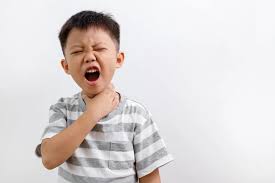
Children frequently get sore throats, which can be quite painful. Antibiotics are not necessary for a viral sore throat, though. In certain circumstances, your child should recover in seven to ten days without the need for any special medication. In some situations, a streptococcal infection (strep throat) may be the source of a painful throat.
Ear Pain;
Children frequently experience ear discomfort, which can stem from various factors such as an ear infection (otitis media), swimmer’s ear (a skin infection in the ear canal), pressure from a cold or sinus infection, pain from teeth that travels up the jaw to the ear, and more. Your child’s ear will need to be examined by your pediatrician in order to make the distinction. Actually, the most accurate approach for your pediatrician to diagnose you is still through an in office examination.
Urinary Tract Infection;
Childhood illnesses
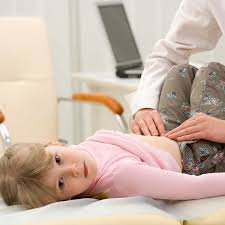
Bacteria accumulate in the urinary tract and cause bladder infections, often known as urinary tract infections or UTIs. Children as young as infants, adolescents, and adults can all get a UTI. Abdominal pain, side or back pain, frequent or urgent urination, bed wetting, or accidents by a youngster who knows to use the restroom are all signs of a urinary tract infection (UTI).
Skin Infection;
The majority of children with infections may require a skin test ( swab or culture) in order to identify the best course of action. Inform your physician of your kid has ever had an MRSA, staph, or other resistant bacteria infection; also let them know if they have come into touch with any other family members or contacts who have resistant bacteria.
Common Cold;

Childhood illnesses
Viruses in the upper respiratory tract produce colds. A lot of young kids especially those who are in daycare can have six or eight colds annually. A cold symptoms, which can include congestion, runny nose and cough, can linger for up to 10days.
Summary
Any illness that is acquired or manifests symptoms prior to the legal age of majority is referred to as a childhood sickness. Adults can also get several of these illnesses.
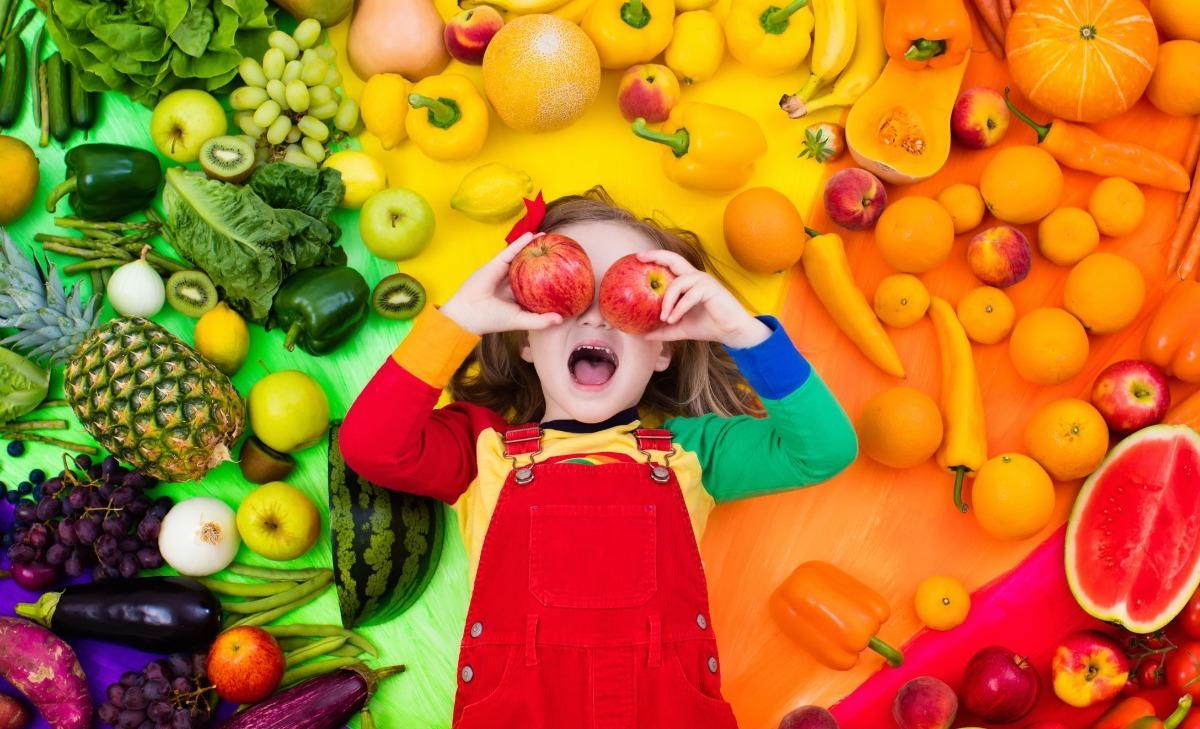
Healthy kids tips. Kids need regular, nutrient-dense meals, active play, and enough sleep to develop good behaviors. Important advice includes minimizing sugar-filled beverages, promoting at least 60 minutes of daily movement, filling plates with vibrant fruits, vegetables, and lean proteins, and establishing regular bedtime habits. Involve kids in the kitchen to promote better decisions.
HEALTHY KIDS TIPS
Despite our best efforts, our children are constantly in contact with microorganisms. This is particularly true when they interact with other children at the playground, at school, or through sports. By adhering to our ten recommendations for staying healthy at school ( and every where else), parents may help minimize sick days and maintain their kids’ robust immune systems.
Get adequate sleep;
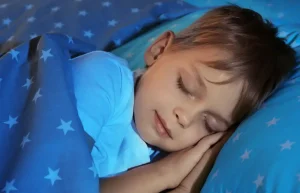
You should establish a regular nighttime schedule for your child’s health. Kids in kindergarten through sixth grade need to sleep for nine to eleven hours a night. The capacity to fend against illnesses, eating patterns, and behavior are all closely correlated with the quality of one’s sleep. In addition to increasing appetites for junk food, sleep deprivation frequently causes mood swings, tantrums, and an increased risk of infection.
Reduce screen time;
Any screen time which includes using computers, video games, tablet, phones, televisions that isn’t related to homework should be kept to two hours a day or less. Screen light has the potential to lower melatonin levels, which can interfere with sleep cycles and make it harder to fall asleep.
Practice healthy eating habits;

Healthy kids tips
Eat a healthy breakfast, lunch, and dinner for your child and make sure they stay hydrated all day support their health. Encourage them to choose nutritious drinks like milk and water. Limit or completely give up caffeinated and sugar- sweetened beverages. Caffeine can raise your child’s blood pressure and pulse rate, disrupt their sleep, and make them tense and irritable.
Wash hands frequently to reduce spread of germs;
While washing, teach your kid to sing the happy birthday song twice, taking about 20 seconds each time. When washing hands isn’t an option, make sure your child has access to hand sanitizer. Instruct children to cough or sneeze into their arm or shoulder and to keep their hands away from their faces.
Promote proper backpack safety;

Healthy kids tips
A full backpack should not weigh more than 10% of your child’s weight. Heavy backpacks can cause pain in the neck, shoulders, and back. Give your child a good backpack with two straps and cushioned padding.
Summary
Health is more than just the absence of illness or disability; it is a state of whole physical, mental, and social well-being. It is a tool for day-to-day living that includes social interaction, bodily functionality, and emotional stability. Preventative treatment, moderate exercise, and a balanced diet are all necessary for maintaining health.

Analysing kidney stones

Common causes of red urine

Honey benefits

A Step-by-Step Guide to Deleting Reels on Instagram

A Comprehensive Guide to Setting Up a YouTube Premiere

How to Create a WhatsApp Group
-

 Photography4 weeks ago
Photography and Outdoors
-
 Social media4 weeks ago
Guidelines for Creating a Facebook Page
-

 Music4 weeks ago
Lyrics for Iké Nilé
-

 Social media4 weeks ago
Tips for likes and Followers on Facebook
-

 Business3 weeks ago
Business plan advantages
-

 Social media3 weeks ago
Tips for editing whatsapp messages