Children health
Signs of teething

Signs of teething. It’s crucial to remember that not every baby will exhibit every symptom, and that each person’s symptoms might differ greatly in intensity. Furthermore, although teething might be difficult, it usually doesn’t result in serious discomfort or sickness. See a pediatrician for advice and assistance if you are worried about your baby’s teething symptoms or if they appear especially upset.
SIGNS OF TEETHING
A baby’s first set of teeth, referred to as primary or baby teeth, start to show through the gums during the natural process of teething. Although each kid experiences teething differently, typical signs include:
1. Drooling:
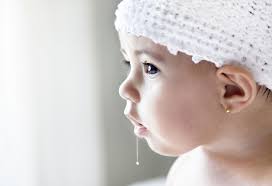

Increased saliva production is a typical sign of teething. You may notice your infant drooling more than usual, which can sometimes lead to facial rashes or chafing.
2. Irritability: Teething can cause discomfort and irritability in infants. They may become fussier than usual, especially during feeding or sleeping times.
3. Gum discomfort:

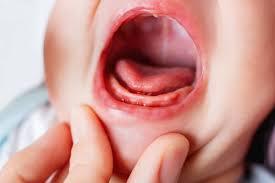
Signs of teething
Swollen, tender gums are often a clear indicator of teething. Your infant may try to alleviate the discomfort by biting or gnawing on objects or fingers.
4. Chewing and biting: The pressure from erupting teeth can lead to a natural instinct to chew and bite on objects for relief. Providing safe teething toys or chilled (not frozen) teething rings can help soothe sore gums.
5. Changes in eating and sleeping patterns: Discomfort from teething can affect an infant’s appetite and sleep patterns. They may refuse to eat or have difficulty sleeping due to the discomfort.
6. Ear pulling and cheek rubbing:

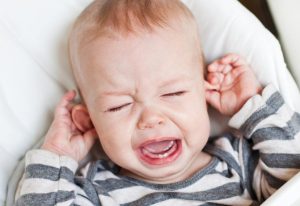
Signs of teething
Some infants may tug at their ears or rub their cheeks as they experience referred pain from tooth growth or teething. This behavior is a response to the discomfort in their gums.
7. Mild fever: While controversial, some infants may experience a slight increase in body temperature (generally below 100.4°F or 38°C) during teething. However, it’s essential to monitor for other signs of illness and consult a healthcare provider if the fever persists or if your infant displays other concerning symptoms.
8. Loose stools:

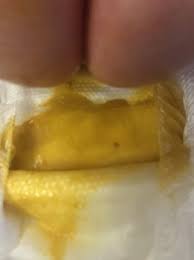
Signs of teething
Tooth growth or teething can sometimes disrupt an infant’s digestive system, leading to looser stools than usual. However, severe diarrhea or other signs of illness should be evaluated by a healthcare provider.
Summary
Swollen or sensitive gums, profuse drooling, irritability, and a desire to chew on hard things are typical signs of teething. Additionally, babies may have minor temperature elevation (less than 38°C or 100.4°F), ear pulling, cheek rubbing, and disturbed sleep. Usually, three to five days before the tooth erupts, symptoms begin.