
leadership
Skills for Management and Leadership

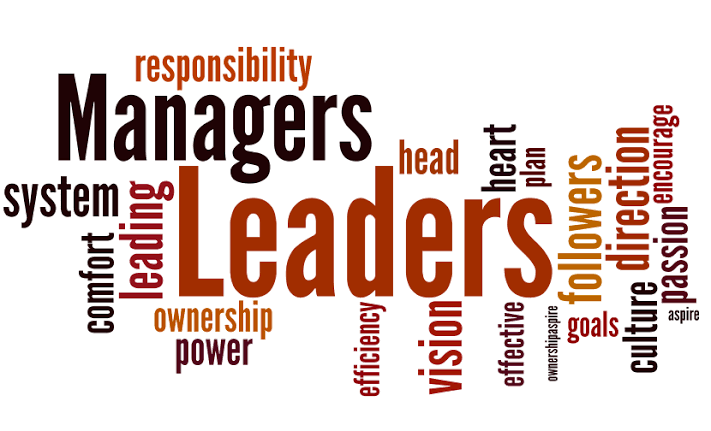
Skills for Management and Leadership. Organizing teams, communicating a clear vision, and resolving challenging issues are all made easier by having management and leadership abilities. These skills transform weak groupings into powerful teams that accomplish their objectives. Proficiency in this domain also increases productivity and maintains employee satisfaction.
SKILLS FOR MANAGEMENT AND LEADERSHIP
Whether you want to work as an operations manager or as a team leader, enrolll in a leadership and management course to acquire the skills required to thrive in your role. These skills are not only crucial for individuals in high executive roles; they may benefit people at all levels.
Definition of management skills:
The talents and abilities needed to plan and oversee tasks and resources are included in management skills.
What are leadership skills?

Conversely, the focus of leadership abilities is on encouraging people to accomplish shared objectives.
1. Strategic Planning
Every business has difficulties. You can foresee these future possibilities and problems with the help of strategic planning skills. This guarantees that your team is ready by providing a clear path for them to follow so they can make wise decisions and adjust to changing conditions for ongoing success.
2. Effective Communication
The foundation of effective leadership is this ability. Whether communicating verbally or in writing, you’ll learn how to express your ideas and views succinctly and effectively. Developing good relationships and trust within your team requires this talent.
3. Team Building and Motivation

You can develop the abilities to lead teams by enrolling in a leadership and management course. You will learn how to empower your team to collaborate harmoniously toward shared goals, recognize and develop individual strengths, and assign duties effectively.
4. Decision-Making
Decisions in business are usually made quickly, therefore they must also move quickly. You’ll discover how to make deft, thoughtful choices even under pressing circumstances. Courses on leadership and management offer frameworks and instruments to assist you in evaluating risks and deciding on the best course of action.
5. Conflict Resolution
Since conflict is a given in the job, it’s important to make sure you have the skills necessary to handle it effectively. These abilities include practical conflict resolution techniques that will assist in resolving conflicts within your team and upholding a cordial work atmosphere.
7. Financial Management

Skills for Management and Leadership
Effective resource and budget management requires a solid understanding of financial concepts. It entails scheduling financial resource utilization in a way that is planned and optimized.
8. Time Management
A valuable resource is time. Productivity, stress reduction, and a better work-life balance all depend on efficient time management. transformational leader
Summary
While management concentrates on allocating resources and carrying out duties, leadership focuses on motivating individuals and establishing a vision. Both skill sets are necessary to lead a team and translate objectives into tangible outcomes.



Leadership Roles for Women. The phrase “glass ceiling” refers to the subtle but significant barriers that prevent women from progressing in their careers. It symbolizes the gender disparities that remain in many businesses where skilled and capable women are employed.
LEADERSHIP ROLES FOR WOMEN
In today’s rapidly evolving world, women are also breaking through the glass ceiling and assuming significant leadership positions in a range of professions. Gender equality in leadership roles has come a long way, but there is still much to be done. This article explores the significant progress made by female CEOs, the persistent challenges they face, and the vital role they play in breaking the glass ceiling.

However, their roles in leadership. Women have battled against cultural prejudice and societal conventions for millennia to be acknowledged and granted equal rights in a variety of spheres of life. Women have achieved tremendous progress in the corporate sector, politics, entrepreneurship, and other domains in the past few decades, shattering the “glass ceiling” that has impeded their ability to assume leadership roles. From being an anomaly to a force for change, women in leadership roles are now defying stereotypes and changing the balance of power and influence.
Roles;;
Meanwhile, the diversity of perspectives that women bring is one of the main advantages of their presence. Women typically approach issues and challenges in different ways than men, and their viewpoints might reveal fresh approaches and opportunities that could have gone unnoticed.

Leadership Roles for Women
Furthermore, studies have indicated that businesses with a higher proportion of female leaders typically have higher levels of success and profitability. This is because women frequently have excellent interpersonal and teamwork abilities, which can support the development of strong teams and a favorable work atmosphere.
Roles;
Fighting against gender norms
Compassion
Different points of view

Leadership Roles for Women
Achieving communication and collaboration
promoting creativity
Adaptable work schedules
Summary
Approximately 3 out of 10 executive positions and 27% of board seats worldwide are held by women, although just 6% of them are CEOs. Diverse leadership improves financial performance, creativity, and governance despite underrepresentation. Women in leadership positions in the public, corporate, and nonprofit sectors greatly benefit organizations.
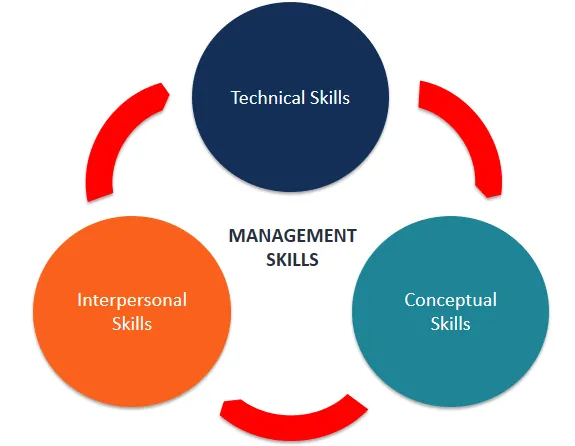

Skills for management and leadership. While management is about procedures, organization, and execution, focusing on the “how,” making sure that tasks and resources align to meet goals, leadership is about vision, inspiration, and motivating people to drive change, focusing on the “why.” Both are different but complementary, requiring skills like communication, problem-solving, and strategic thinking; the best professionals blend both to effectively guide people and systems.
SKILLS FOR MANAGEMENT AND LEADERSHIP
To improve team performance and accomplish corporate objectives, essential management and leadership skills include technical, interpersonal, and strategic aptitudes. Effective communication, decision-making, delegation, emotional intelligence, and conflict resolution are examples of core competences. Mentoring, change management, and strategic thinking are important topics.
Definition of management skills:
The talents and abilities needed to plan and oversee tasks and resources are included in management skills.
What are leadership skills?

Conversely, the focus of leadership abilities is on encouraging people to accomplish shared objectives.
1. Strategic Planning;

SKILLS FOR MANAGEMENT AND LEADERSHIP
Every business has difficulties. You can foresee these future possibilities and problems with the help of strategic planning skills. This guarantees that your team is ready by providing a clear path for them to follow so they can make wise decisions and adjust to changing conditions for ongoing success.
2. Effective Communication;

SKILLS FOR MANAGEMENT AND LEADERSHIP
The foundation of effective leadership is this ability. Whether communicating verbally or in writing, you’ll learn how to express your ideas and views succinctly and effectively. Developing good relationships and trust within your team requires this talent.
3. Team Building and Motivation;

SKILLS FOR MANAGEMENT AND LEADERSHIP
You can develop the abilities to lead teams by enrolling in a leadership and management course. You will learn how to empower your team to collaborate harmoniously toward shared goals, recognize and develop individual strengths, and assign duties effectively.
4. Decision-Making;

Decisions in business are usually made quickly, therefore they must also move quickly. You’ll discover how to make deft, thoughtful choices even under pressing circumstances. Courses on leadership and management offer frameworks and instruments to assist you in evaluating risks and deciding on the best course of action.
5. Conflict Resolution;

Since conflict is a given in the job, it’s important to make sure you have the skills necessary to handle it effectively. These abilities include practical conflict resolution techniques that will assist in resolving conflicts within your team and upholding a cordial work atmosphere.
7. Financial Management;
Effective resource and budget management requires a solid understanding of financial concepts. It entails scheduling financial resource utilization in a way that is planned and optimized.
8. Time Management;
A valuable resource is time. Productivity, stress reduction, and a better work-life balance all depend on efficient time management. transformational leader
Summary
Whether you want to work as an operations manager or as a team leader, enroll in a leadership and management course to acquire the skills required to thrive in your role. These skills are not only crucial for individuals in high executive roles; they may benefit people at all levels.


Women and leadership. The phrase “glass ceiling” refers to the subtle but significant barriers that prevent women from progressing in their careers. It symbolizes the gender disparities that remain in many businesses where skilled and capable women are employed. In today’s rapidly evolving world, women are also breaking through the glass ceiling and assuming significant leadership positions in a range of professions. Gender equality in leadership roles has come a long way, but there is still much to be done. This article explores the significant progress made by female CEOs, the persistent challenges they face, and the vital role they play in breaking the glass ceiling.
WOMEN AND LEADERSHIP
Although, Innovation, inclusive workspaces, and increased corporate success are all greatly aided by their positions. However, obstacles including work-life balance constraints, gender bias, and the glass ceiling still prevent women from advancing.
However, Women have battled against cultural prejudice and societal conventions for millennia to be acknowledged and granted equal rights in a variety of spheres of life. Women have achieved tremendous progress in the corporate sector, politics, entrepreneurship, and other domains in the past few decades, shattering the “glass ceiling” that has impeded their ability to assume leadership roles. From being an anomaly to a force for change, their roles are now defying stereotypes and changing the balance of power and influence.
The roles of women in leadership;

Women and leadership
Meanwhile, the diversity of perspectives that women bring to leadership roles is one of the main advantages of their presence. Women typically approach issues and challenges in different ways than men, and their viewpoints might reveal fresh approaches and opportunities that could have gone unnoticed.
Furthermore, studies have indicated that businesses with a higher proportion of female leaders typically have higher levels of success and profitability. This is because women frequently have excellent interpersonal and teamwork abilities, which can support the development of strong teams and a favorable work atmosphere.
Roles of Women;

Women and leadership
Fighting against gender norms
Compassion
Different points of view
Achieving communication and collaboration
promoting creativity

Women and leadership
Adaptable work schedules
Summary
Also, leadership is a crucial skill for success in any field. It can be found in formal roles or as a quality that anyone can cultivate. Leadership is the capacity to influence and guide individuals or groups toward achieving a common goal, involving setting vision, motivating people, making decisions, and fostering collaboration. Direction, alignment, and commitment are created by effective leaders, who frequently exhibit qualities like communication, integrity, and flexibility.

The Causes of Political Apathy

Child Neglect and Causes

Environment Care Tips

A Step-by-Step Guide to Deleting Reels on Instagram

A Comprehensive Guide to Setting Up a YouTube Premiere

How to Create a WhatsApp Group
-

 Business4 weeks ago
How to Promote your Business
-

 Fashion3 weeks ago
Fashion Guide for Beginners
-

 Business2 weeks ago
Customers Satisfaction
-

 Business3 weeks ago
Business Name Selection Tips
-

 Business4 weeks ago
Tips for Running Online Business
-

 TECHNOLOGY4 weeks ago
Artificial Intelligence and the Future