Skin health
Skin and Abnormal Growths

Skin and Abnormal Growths. From regular moles and skin tags to fatty lumps known as lipomas, the majority of skin growths are benign and noncancerous. However, in order to rule out skin cancer, any new, rapidly expanding, or changing area needs to be evaluated by a medical professional (such as a dermatologist via Good Skin MD).
SKIN AND ABNORMAL GROWTHS
Skin lesions, often known as tumors, are abnormal growths on the skin that can take many different forms and cause concern for many. Early detection is crucial for appropriate treatment of these growths, which may be benign (non-cancerous) or malignant (cancerous).
Common Types;
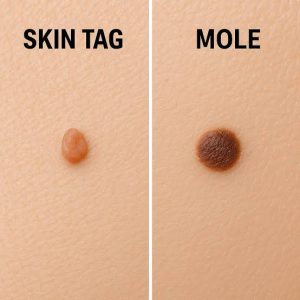

Moles are small, often pigmented growths caused by clusters of pigmented cells. Skin tags are small, soft pieces of skin that hang from the body, usually harmless but can be bothersome.
2. Warts: Caused by a viral infection (human papillomavirus, or HPV), warts are rough, raised growths that can appear anywhere on the skin.
3. Lipomas: These are soft, fatty lumps that grow under the skin. Lipomas are generally harmless but may be removed if they cause discomfort or cosmetic concerns.
4. Cysts:

Skin and Abnormal Growths
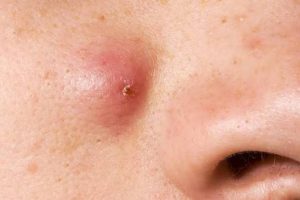
Cysts are fluid-filled sacs that develop under the skin. While usually non-cancerous, they can become infected or inflamed, requiring medical attention.
5. Actinic Keratosis: A rough, scaly patch of skin that results from sun exposure, actinic keratosis can be a precursor to skin cancer and should be monitored by a doctor.
When to See a Doctor;

Skin and Abnormal Growths
While many skin growths are benign, it’s important to seek medical advice if you notice any of the following:
– Rapid changes in size, shape, or color.
– Bleeding or itching.
– Persistent sores or unusual textures.
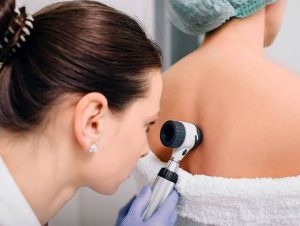
A healthcare professional can perform a biopsy or other tests to determine whether a growth is malignant and needs further treatment.
Summary
Although abnormal skin growths are frequently benign, it’s crucial to keep an eye out for any changes that can point to a more serious illness. The optimum course of action can be ensured by early detection and dermatologist advice.