Skin health
Skin cancer remedies

Skin cancer remedies. One of the most prevalent cancers worldwide, skin cancer is becoming more common due to a number of reasons, such as increased sun exposure, ozone layer depletion, and changing lifestyles. When skin cells experience aberrant alterations, mainly as a result of exposure to ultraviolet (UV) radiation from the sun or artificial sources like tanning beds, skin cancer occurs. Skin cancer can be fatal if left untreated, but it is very treatable when discovered early. For early detection and efficient treatment, it is essential to comprehend the types, risk factors, symptoms, and preventive actions related to skin cancer.
SKIN CANCER REMEDIES
Surgical removal, such as excision or Mohs surgery, is the main method of curing skin cancer, especially if it is discovered early. Chemotherapy creams, freezing (cryotherapy), scraping (curettage), photodynamic therapy, or radiation are other typical therapies for tiny, surface tumors. Immunotherapy or targeted therapy may be necessary for advanced tumors in order to boost the body’s immune system and eliminate cancer cells.
Types of Skin Cancer:
1. Basal Cell Carcinoma:
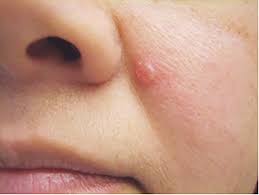

BCC is the most common type of skin cancer, typically appearing as a small, shiny bump or a red, scaly patch. It tends to grow slowly and rarely spreads to other parts of the body, but can cause disfigurement if left untreated.
2. Squamous Cell Carcinoma (SCC): SCC often appears as a firm, red bump or a scaly patch, and may grow rapidly. While it usually remains localized, SCC can metastasize to other parts of the body if not treated promptly.
3. Melanoma:
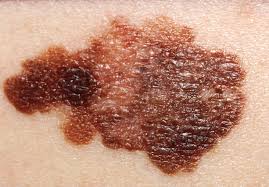

Melanoma is less common but more aggressive than BCC and SCC. It often develops from existing moles or as new pigmented growths on the skin. Melanoma can spread quickly to other organs if not detected early, making it the deadliest form of skin cancers.
Risk Factors for Skin Cancers:
1. UV Exposure: Prolonged exposure to UV radiation from the sun or tanning beds is the primary risk factor for skin cancer. Sunburns, particularly during childhood, increase the risk of developing skin cancers later in life.
2. Fair Skin:

Skin cancer remedies
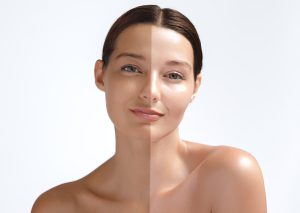
People with fair skin, light-colored eyes, and blond or red hair are at higher risk of developing skin cancers due to lower levels of melanin, the pigment that provides some protection against UV radiation.
3. Family History: A family history of skin cancer, particularly melanoma, increases the risk of developing the disease.
4. Moles: Having a large number of moles or atypical moles (dysplastic nevi) increases the risk of melanoma.
5. Immune Suppression:

Skin cancer remedies
Conditions or medications that weaken the immune system, such as organ transplantation or immunosuppressive drugs, can increase the risk of skin cancers.
Summary
The aberrant, fast proliferation of skin cells, mostly brought on by UV radiation, is known as skin cancer. Melanoma is the most dangerous kind, but basal cell carcinoma (slow-growing) and squamous cell carcinoma are the most prevalent. New moles, shifting patches, or non-healing lesions are early warning indicators. Excision, Mohs surgery, freezing, and creams are among the treatments.