Skincare
Skincare Routine for Dark Skin Women


Skincare is not one-size-fits-all, and women with dark skin often have unique needs that require a tailored approach. Dark skin tends to have more melanin, which can provide some natural protection against sun damage but also makes the skin more prone to hyperpigmentation and certain types of scarring. Here’s a comprehensive skincare routine designed to address the specific needs of dark skin.
Morning Routine
1. Cleansing

Start your day with a gentle, hydrating cleanser that removes impurities without stripping your skin of its natural oils. Look for a sulfate-free formula that suits your skin type (dry, oily, combination, or sensitive).
Recommended Product Types:
• Hydrating gel cleansers
• Cream cleansers
2. Toning
A good toner helps to balance your skin’s pH and remove any leftover impurities. Choose an alcohol-free toner with ingredients like witch hazel, rose water, or hyaluronic acid to soothe and hydrate the skin.
Recommended Product Types:
• Alcohol-free toners
• Hydrating mists
3. Serum
Apply a serum that targets specific skin concerns such as hyperpigmentation, dullness, or uneven skin tone. Serums containing vitamin C, niacinamide, or hyaluronic acid are excellent choices for brightening and hydrating the skin.
Recommended Ingredients:
– Vitamin C
– Niacinamide
– Hyaluronic acid
4. Moisturizing

Hydration is key for maintaining healthy skin. Opt for a lightweight, non-comedogenic moisturizer that hydrates without clogging pores. Ingredients like glycerin, hyaluronic acid, and ceramides are beneficial.
Recommended Product Types:
• Gel moisturizers
• Lightweight lotions
5. Sun Protection
Sunscreen is a must for all skin tones. Choose a broad-spectrum sunscreen with at least SPF 30. Mineral sunscreens with zinc oxide or titanium dioxide are less likely to leave a white cast on dark skin.
Recommended Product Types:
• Broad-spectrum SPF 30+ sunscreens
• Tinted sunscreens (to avoid white cast)
Evening Routine
1. Double Cleansing
Start with an oil-based cleanser to remove makeup and sunscreen, followed by a water-based cleanser to clean the skin thoroughly.
Recommended Product Types:
• Cleansing oils or balms
• Gentle foaming cleansers
2. Exfoliating
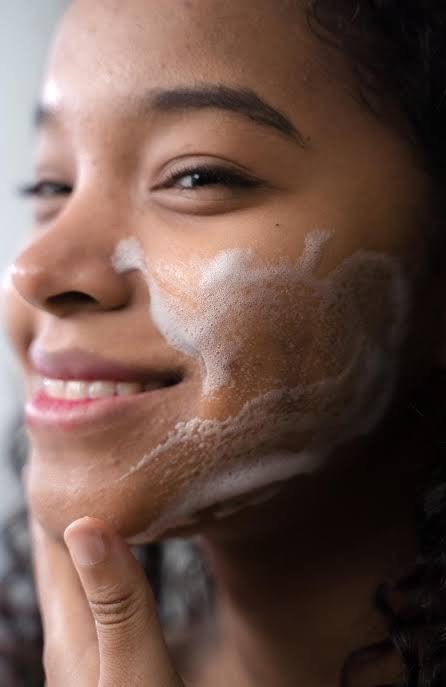
Exfoliation helps remove dead skin cells and promote cell turnover. Use a chemical exfoliant containing AHAs (like glycolic acid) or BHAs (like salicylic acid) 2-3 times a week, depending on your skin’s tolerance.
Recommended Product Types:
• Glycolic acid exfoliants
• Salicylic acid exfoliants
3. Toning
Apply your toner to prepare the skin for better absorption of subsequent products.
Recommended Product Types:
• Alcohol-free toners
• Hydrating mists
4. Treatment
Incorporate treatments that address specific concerns such as hyperpigmentation, acne, or fine lines. Products with ingredients like retinol, alpha arbutin, and licorice extract can be effective.
Recommended Ingredients:
– Retinol
– Alpha arbutin
– Licorice extract
5. Moisturizing
Use a richer moisturizer at night to repair and hydrate your skin as you sleep. Look for products with ingredients like shea butter, ceramides, and peptides.
Recommended Product Types:
• Cream moisturizers
• Overnight masks
Additional Tips
1. Masking
Use a hydrating or brightening mask once or twice a week to give your skin an extra boost. Look for masks with ingredients like hyaluronic acid, vitamin C, and antioxidants.
2. Spot Treatment

For dark spots or hyperpigmentation, use a targeted spot treatment with ingredients like hydroquinone, kojic acid, or azelaic acid.
3. Healthy Lifestyle
Maintain a balanced diet rich in fruits, vegetables, and omega-3 fatty acids. Stay hydrated by drinking plenty of water, and ensure you get adequate sleep to help your skin repair and regenerate.
4. Regular Check-ups
Visit a dermatologist regularly to address any persistent skin concerns and to get personalized skincare advice.
A tailored skincare routine can help address the unique needs of dark skin, promoting a healthy, radiant complexion. By focusing on gentle cleansing, hydration, sun protection, and targeted treatments, you can effectively manage common concerns like hyperpigmentation and maintain beautiful, glowing skin. Remember, consistency is key, and it’s important to listen to your skin’s needs and adjust your routine as necessary.



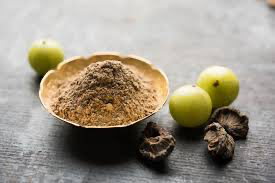



Sunburn and remedies. Overexposure to ultraviolet (UV) light from the sun or artificial sources, such as tanning beds, can result in sunburn, a skin response. It results in skin that is uncomfortable, red, and perhaps hot to the touch. Sunburn symptoms include swelling, blistering, and peeling, and they can vary in severity. Overexposure to ultraviolet (UV) radiation is the main cause of sunburn. The following are some particular causes of sunburn:
SUNBURN AND REMEDIES
Applying aloe vera or soy-based lotions, taking cold showers, drinking plenty of water, and taking ibuprofen or aspirin to relieve pain and inflammation are all effective ways to treat sunburns. When healing, stay out of the sun, avoid using harsh soaps, and refrain from popping blisters. Seek medical attention if you experience severe blistering, fever, or lightheadedness.
1. UVB and UVA Radiation:
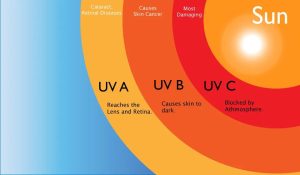
Prolonged exposure to both UVB and UVA rays from the sun can damage the skin. UVB rays cause sunburn, while UVA rays can contribute to premature aging.
2. Intensity of the Sun: The risk increases during periods of high sun intensity, typically between 10 a.m. and 4 p.m.
3. Sun Sensitivity: Some individuals are more susceptible to sunburn due to their skin type, which may include fair skin, light hair, and light-colored eyes.
4. Altitude and Location:

UV radiation is more intense at higher altitudes and closer to the equator, increasing the risk of sunburn.
5. Reflection: Surfaces like water, sand, and snow can reflect UV rays, intensifying exposure and the risk of sunburn.
6. Lack of Sunscreen: Not using or inadequately applying sunscreen with sufficient sun protection factor (SPF) can leave the skin vulnerable to sunburn.
7. Medications: Certain medications, like some antibiotics and acne treatments, can increase sensitivity to UV radiation, making sunburn more likely.
8. Duration of Exposure:

Sunburn and remedies
Spending extended periods outdoors without protection increases the likelihood of sunburn.
It’s important to take preventive measures, such as wearing sunscreen, protective clothing, and seeking shade to reduce the risk of sunburn.
To alleviate the discomfort of sunburn and promote healing, consider the following remedies:
1. Cool Compress: Apply a cool, damp cloth or compress to the affected area. Avoid using ice directly on the skin.
2. Hydration: Drink plenty of water to stay hydrated, as the situation can lead to dehydration.
3. Aloe Vera Gel:

Sunburn and remedies
Apply pure aloe vera gel to the sunburned area. Aloe vera has soothing and anti-inflammatory properties.
4. Over-the-Counter Creams: Use over-the-counter creams containing ingredients like hydrocortisone or calamine to relieve itching and inflammation.
5. Pain Relievers: Take over-the-counter pain relievers like ibuprofen or acetaminophen to help reduce pain and inflammation.
6. Avoid Sun Exposure: Stay out of the sun until it has healed to prevent further damage.
7. Moisturize:
Sunburn and remedies
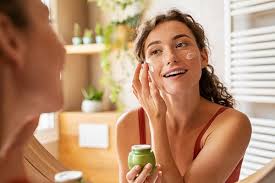
Apply a gentle, fragrance-free moisturizer to keep the skin hydrated and prevent peeling.
8. Avoid Harsh Soaps: Use mild, fragrance-free soaps and avoid scrubbing the sunburned skin.
9. Loose Clothing: Wear loose, breathable clothing to avoid further irritation of the sunburned area.
10. Avoid Popping Blisters: If blisters form, avoid popping them, as this can increase the risk of infection.
Summary
See a medical expert if it is severe or if there are indications of an infection. It is still essential to prevent sunburns in the first place by wearing protective clothing and applying sunscreen.

Skincare and face serum. Thin-viscosity topical preparations with concentrated concentrations of active chemicals are called serums. The idea behind a serum is that for maximum efficacy, higher concentrations of active molecules may be able to permeate the skin’s surface. Additionally, it usually takes less time to observe noticeable results because of the increased attention.
SKINCARE AND FACE SERUM
By providing focused results and vital protection, incorporating it into your daily routine can improve your skincare routine. Whether you just want to keep your skin hydrated or you want it to seem younger and more vibrant. The powerful products that are worth investing in are face serums.
What is a Face Serum?’

Face serums are lightweight, fast-absorbing liquids formulated with active ingredients that target specific skin concerns. Unlike traditional moisturizers, serums are designed with smaller molecules, enabling them to penetrate deeper into the skin and deliver a higher concentration of nutrients.
Why Are Face Serums Important?
1.Intense Hydration:

Skincare and face serum
While moisturizers create a barrier to lock in moisture, serums deliver hydrating ingredients such as hyaluronic acid deep into the skin, resulting in long-lasting hydration and a plumper appearance.
2.Targeted Solutions:

Skincare and face serum
Serums are tailored to address specific skin issues, from wrinkles and fine lines to hyperpigmentation and acne. Ingredients like vitamin C brighten and even out skin tone, while retinol helps reduce signs of aging.
3. Fast Absorption:
However, their lightweight nature means serums are absorbed quickly. Making them an ideal addition to both morning and nighttime routines without leaving a heavy or greasy feeling.
4. Enhanced Protection:

Skincare and face serum
Antioxidant-rich serums help combat environmental stressors like pollution and UV damage, which can accelerate aging and dull the skin’s natural glow.
Summary
Also, it has earned its proper position as a major participant in the skincare industry. Serums, which are sometimes disregarded in favor of moisturizers and creams, are essential for anyone looking for healthy, radiant skin since they provide special, focused advantages.
Face exfoliation and skin type. Exfoliating the face promotes product absorption, eliminates dead skin cells, and increases radiance, but it must be customized for each type of skin to prevent discomfort. While dry or sensitive skin needs mild AHA/PHAs once a week, oily skin benefits from using BHA three to four times a week. Excessive exfoliation causes barrier damage, dryness, and redness.
FACE EXFOLIATION AND SKIN TYPE
A thorough skincare regimen must include face exfoliations. It contributes to a healthier and more radiant complexion by clearing clogged pores, removing dead skin cells, and improving skin texture. To prevent irritation or damage, it’s important to choose the appropriate exfoliating method for your skin type.
Types of face Exfoliations:
1.Physical Exfoliation:

This involves using scrubs or tools (e.g., brushes or sponges) to manually remove dead skin cells.
2.Chemical Exfoliation:
This involves using products formulated with acids (e.g., AHAs, BHAs, PHAs) or enzymes to dissolve dead skin cells without manual scrubbing.
Choosing the Right Exfoliation for Your Skin Type:
1. Oily or Acne-Prone Skin:

•Recommended: Opt for chemical exfoliants containing salicylic acid (a BHA) to penetrate and unclog pores, helping to reduce acne and blackheads.
•Physical Exfoliation: If preferred, choose gentle scrubs with fine particles to avoid further irritation or breakouts.
2. Dry Skin:

•Recommended: Choose chemical exfoliants with alpha hydroxy acids (AHAs) like lactic acid or glycolic acid. These help remove dead skin cells and promote cell turnover while providing hydration.
•Frequency: Limit exfoliation to 1-2 times per week to avoid over-drying the skin.
3. Sensitive Skin:

•Recommended: Stick to gentle chemical exfoliants like polyhydroxy acids (PHAs) or products with mild enzyme exfoliants. PHAs are less likely to penetrate deeply, minimizing irritation.
•Avoid: Harsh physical exfoliants that can trigger redness and sensitivity.
4. Combination Skin:

Face exfoliation and skin type
•Recommended: Use a combination of AHAs for drier areas and BHAs for oilier zones. Dual-purpose chemical exfoliants can help balance the skin without over-exfoliating.
•Approach: Alternate between different types of exfoliants or apply them to specific areas as needed.
5. Mature or Aging Skin:

Face exfoliation and skin type
•Recommended: AHAs, especially glycolic acid, are beneficial as they promote cell turnover and reduce the appearance of fine lines and age spots.
•Additional Tip: Look for face exfoliating products with added anti-aging benefits like antioxidants to support skin renewal.
General Tips for Safe face Exfoliations:

•Start Slowly: Introduce exfoliation gradually, starting with once a week and increasing as your skin adapts.
•Moisturize Post-Exfoliation: Always follow up with a moisturizer to hydrate and protect your freshly exfoliated skin.
•Avoid Over-Exfoliation: Too much face exfoliation can damage the skin barrier, leading to sensitivity and dryness. Listen to your skin and adjust your routine accordingly.
Summary
Achieving glowing, smooth, and healthy-looking skin can be greatly influenced by selecting the best face exfoliating technique for your skin type.

Capable God Lyrics

Glorious God Lyrics

Ancient of Days Lyrics

A Step-by-Step Guide to Deleting Reels on Instagram

How to Create a WhatsApp Group