
Skincare
Choosing the Right Face Exfoliation for Your Skin Type


Face Exfoliations are essential part of a comprehensive skincare routine. It helps remove dead skin cells, unclog pores, and improve skin texture, leading to a brighter and healthier complexion. However, selecting the right type of exfoliation based on your skin type is crucial to avoid irritation or damage.
Types of face Exfoliations:
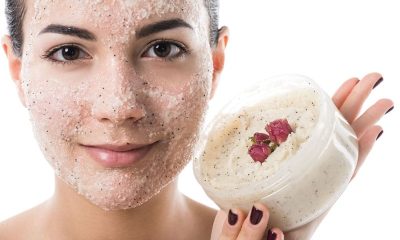
1.Physical Exfoliation: This involves using scrubs or tools (e.g., brushes or sponges) to manually remove dead skin cells.

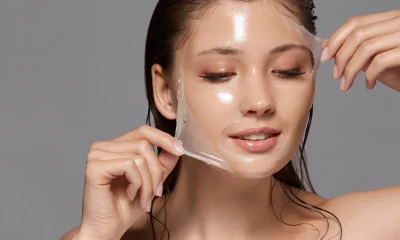
2.Chemical Exfoliation: This involves using products formulated with acids (e.g., AHAs, BHAs, PHAs) or enzymes to dissolve dead skin cells without manual scrubbing.
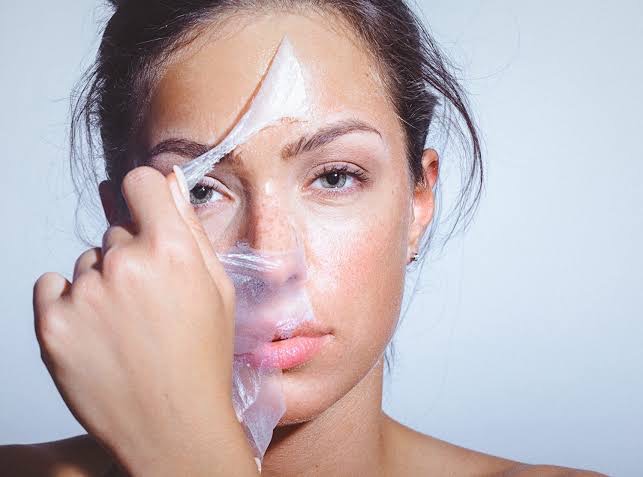
Choosing the Right Exfoliation for Your Skin Type:
1. Oily or Acne-Prone Skin:
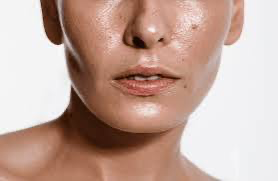
•Recommended: Opt for chemical exfoliants containing salicylic acid (a BHA) to penetrate and unclog pores, helping to reduce acne and blackheads.
•Physical Exfoliation: If preferred, choose gentle scrubs with fine particles to avoid further irritation or breakouts.
2. Dry Skin:

•Recommended: Choose chemical exfoliants with alpha hydroxy acids (AHAs) like lactic acid or glycolic acid. These help remove dead skin cells and promote cell turnover while providing hydration.
•Frequency: Limit exfoliation to 1-2 times per week to avoid over-drying the skin.
3. Sensitive Skin:
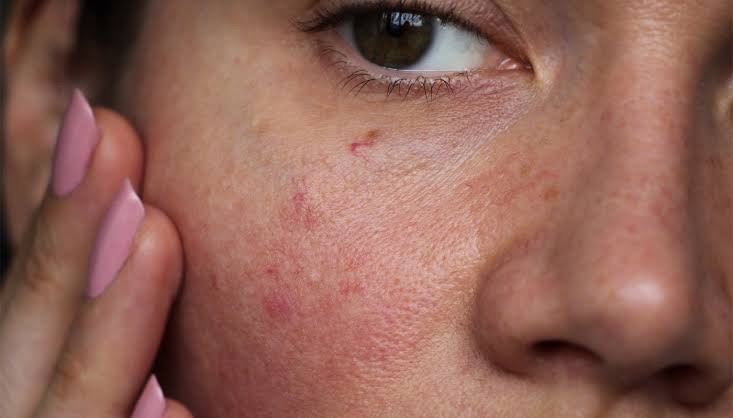
•Recommended: Stick to gentle chemical exfoliants like polyhydroxy acids (PHAs) or products with mild enzyme exfoliants. PHAs are less likely to penetrate deeply, minimizing irritation.
•Avoid: Harsh physical exfoliants that can trigger redness and sensitivity.
4. Combination Skin:

•Recommended: Use a combination of AHAs for drier areas and BHAs for oilier zones. Dual-purpose chemical exfoliants can help balance the skin without over-exfoliating.
•Approach: Alternate between different types of exfoliants or apply them to specific areas as needed.
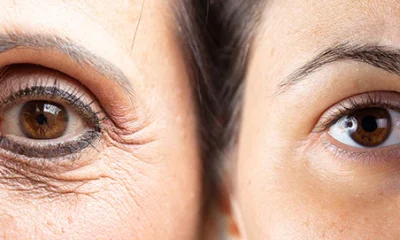
5. Mature or Aging Skin:
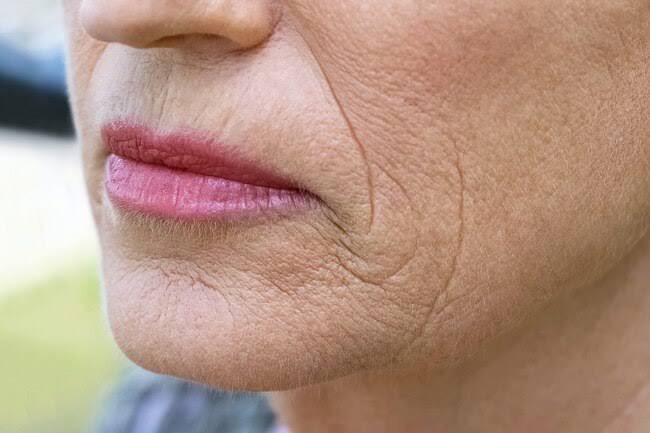
Mature skin
•Recommended: AHAs, especially glycolic acid, are beneficial as they promote cell turnover and reduce the appearance of fine lines and age spots.
•Additional Tip: Look for face exfoliating products with added anti-aging benefits like antioxidants to support skin renewal.
General Tips for Safe face Exfoliations:
•Start Slowly: Introduce exfoliation gradually, starting with once a week and increasing as your skin adapts.
•Moisturize Post-Exfoliation: Always follow up with a moisturizer to hydrate and protect your freshly exfoliated skin.
•Avoid Over-Exfoliation: Too much face exfoliation can damage the skin barrier, leading to sensitivity and dryness. Listen to your skin and adjust your routine accordingly.
Conclusion
Choosing the right face exfoliations method tailored to your skin type can make a significant difference in achieving radiant, smooth, and healthy-looking skin.









Routine Anti-Aging Skincare. Sun protection, hydration, and active substances that increase collagen and cell turnover are essential components of a successful anti-aging regimen. To avoid UV-induced damage, which accounts for up to 80% of visible aging, dermatologists advise using a broad-spectrum SPF 30+ every day. To brighten the skin and minimize wrinkles, use a retinol at night with a vitamin C serum in the morning.
ROUTINE ANTI-AGING SKINCARE
Our skin changes as we age, so we often need to adjust our skincare routine to maximize the effectiveness of our products. We’ve put together a guide with the best ingredients, high-performing products, and expert guidance to help you address skin issues like wrinkles, increased dryness, loss of elasticity, and fine lines.

What are the Essential Components?
Take into account these widely used anti-aging skincare products when creating your regimen to help you tackle frequent issues. The vitamin A derivative retinol helps lessen the visibility of wrinkles, fine lines, and uneven skin tone. Vitamin C: As a potent antioxidant, vitamin C can help shield your skin from harmful free radicals when administered topically.
Routine;
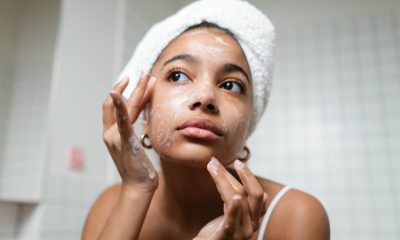
1. Make use of a mild cleaner Every age group must practice daily cleansing, and the first step in providing the finest face care for aging skin is selecting a gentle cleanser.
2. Use an exfoliant frequently There are numerous advantages to using this on your skin, including clearing your pores, reducing the accumulation of dead skin cells, and encouraging the appearance of radiant, new skin.

Routine Anti-Aging Skincare
3. Use a concentrated face serum. After cleansing and/or exfoliating your skin, use a serum for your face. If you have any particular worries about aging, these recipes are excellent for addressing them.
4. For under-eye issues, apply an eye cream. Regardless of age, you also need to take care of the sensitive skin beneath your eyes. Search for a nourishing eye cream recipe that can assist in treating the obvious indications of aging around your eyes, like bags under your eyes and dark circles.
5. Apply moisturizer often Since mature skin is typically dry, the best course of action is usually a rich, profoundly moisturizing moisturizer.

Routine Anti-Aging Skincare
6. Also, Examine a facial oil. Depending on the formula you select, facial oils can be applied as the sixth step in your anti-aging treatment, following moisturizer. How do I prevent skin cancer?
Summary
The four main components of a basic daily skincare regimen are washing to eliminate pollutants, wearing sunscreen to prevent UV damage, moisturizing to hydrate, and treating with serums. To get healthy, radiant skin, customize these products to your particular skin type (oily, dry, or combo).

Glowing Skin Tips. It’s essential for radiant skin. Many people want to accomplish this. While some people aspire to have luminous skin for cosmetic reasons, others see it as an outward sign of health.There are several methods to improve the skin’s brightness.To improve the health of their skin, people might make dietary and lifestyle changes.There are also several skincare and cosmetic items that can give the appearance of glowing skin.
GLOWING SKIN TIPS
Locking in moisture on damp skin, protecting with daily SPF, and applying brightening serums like Vitamin C in the morning are all ways to get glowing skin. Internally, consume foods high in antioxidants, such as leafy greens and berries, drink eight to ten glasses of water each day, and get seven to eight hours of good sleep.
Definition;

Healthy-looking skin is usually referred to as glowing skin. A person can attempt skin care products and lifestyle modifications, such as getting enough sleep and eating a balanced diet, to get radiant skin.
Tips;
1. Also, tidy up Products for cleaning aid in clearing the skin of debris,
makeup, and extra oil. Selecting a mild cleanser has a pH balance, and doesn’t include any harsh chemicals or soap is crucial.
2. Although, hydrating Moisturizing products hydrate the skin.
To seal moisture in the skin, the American Academy of Dermatology advises using a moisturizer right away after cleansing for optimal effects.

Glowing Skin Tips
3. Meanwhile, sun defense UV light; is found in sunlight and can result in burning, sun damage, and outward symptoms of aging.
However, using sunscreen before venturing outside is a simple method of lowering the danger.
For More Tips;
4. Meanwhile, additional goods Various products can aid in achieving healthy skin, contingent on an individual’s particular skin conditions.
Chemical exfoliants, for instance, are widely used products that remove the outermost layer of skin cells to reveal new ones beneath. These can help people’s skin look and feel better.

Glowing Skin Tips
5. However, cutting Shaving dermatitis, ingrowing hairs, and discomfort are all common side effects of hair removal.
To steer clear of this: Wet the skin and hair; lubricate the skin with a shaving cream or balm; and use a clean. different skin types.
Summary
Combine healthy behaviors with a regular skincare regimen to achieve radiant skin. Cleanse twice a day, lighten dark spots with a vitamin C serum, and seal in moisture with a hyaluronic acid moisturizer. Wear SPF 30 or higher every day, and drink plenty of water from within.

Creams that Causes Skin Breakage. The biggest organ in the human body is the skin. It is sturdy enough to withstand tearing or breaking, but supple enough to permit movement. The thickness and texture of it differ according on the area of the body. The epidermis and dermis are its two primary layers. The surface layer, or epidermis, is composed of several sheets of skin cells. Beneath, the dermis is made up of protein fibers for strength and elastic fibers for suppleness. The dermis contains blood vessels, hair follicles, sebaceous glands, and nerves.
CREAMS THAT CAUSES SKIN BREAKAGE
Even while skincare creams can significantly improve your appearance, it’s crucial to understand the possible risks connected to specific substances. If handled improperly, harsh exfoliants, perfumes, alcohol, over-the-counter steroids, and potent acne treatments can all cause skin damage. Always read product labels, take your time trying new therapies, and seek advice from a dermatologist if you have any doubts about a product’s safety. You can prevent harm to your skin and maintain its healthy, glowing appearance by adopting these steps.
1. Harsh Exfoliants;

Creams containing strong exfoliating agents like alpha hydroxy acids (AHAs), beta hydroxy acids (BHAs), or retinoids can sometimes cause skin breakage, especially if used too frequently or in high concentrations. These ingredients are designed to remove dead skin cells and promote cell turnover, but overuse can strip the skin of its natural moisture barrier, leading to dryness, irritation, and breakage.
How to Avoid:
If you’re using creams with exfoliating ingredients, start with a lower concentration and gradually increase as your skin builds tolerance. Always follow up with a good moisturizer to replenish your skin’s barrier.
2. Fragrance and Alcohol;

Fragrances and certain types of alcohol (like denatured alcohol) in skincare products can cause irritation and skin breakage, especially for those with sensitive skin. These ingredients can dry out the skin, leading to cracks and increased sensitivity.
How to Avoid:
Opt for fragrance-free and alcohol-free skincare products, especially if you have sensitive skin. Always check the ingredient list before purchasing a new cream.
3. Over-the-Counter Steroid Creams;

Creams that Causes Skin Breakage
While steroid creams are effective for treating inflammation and certain skin conditions, prolonged use can thin the skin, making it more prone to breakage and bruising. Overuse of these creams without medical supervision can lead to serious skin damage.
How to Avoid:
Use steroid creams only as prescribed by a healthcare provider and for the duration recommended. If you need long-term treatment, discuss safer alternatives with your doctor.
4. Inappropriate Use of Acne Treatments;

Creams that Causes Skin Breakage
Some acne treatment creams contain benzoyl peroxide or salicylic acid, which can be very drying and cause the skin to peel. While these ingredients are effective for clearing acne, they can also lead to skin breakage if applied too often or over large areas of the skin.
How to Avoid:
Use acne treatments as directed, applying them only to affected areas and following up with a hydrating moisturizer. If your skin starts to feel excessively dry or irritated, reduce the frequency of application.
Summary
Although the goal of skincare products is to protect and improve your skin, not all creams are made equally. Certain creams, particularly those with harsh ingredients or improper use, can cause skin breakdown, irritation, and damage. Maintaining resilient, healthy skin requires knowing what triggers these reactions and how to prevent them.

Treatment Tips for Multiple Sclerosis

Treatment Tips for CAD

Epilepsy Management Tips

A Step-by-Step Guide to Deleting Reels on Instagram

A Comprehensive Guide to Setting Up a YouTube Premiere












Pingback: Understanding Combination Skin: Tips for Balanced Care - SimplExplainer
Pingback: How to Get an Even Skin Tone Naturally - SimplExplainer