School
Sports and School Curriculum


Sports and school curriculum. Incorporating sports into the curriculum is essential for the holistic development of students. It improves academic performance, mental health, and physical health through teamwork, discipline, leadership, and stress relief. It also teaches critical life skills like sportsmanship and resilience that enhance traditional book learning for well-rounded individuals.
SPORTS AND SCHOOL CURRICULUM
Sport is a physical exercise or game that maintains or enhances physical ability and skills. It is frequently structured and competitive. Participants and spectators may find fun in sports.A sport can have hundreds of participants or just one.
1. Health Improvement;

Outdoor sports can improve your fitness and are fantastic for kids. Frequent exercise can strengthen your heart, bones, and lungs. It also aids in the prevention of chronic illnesses. Blood circulation, stress reduction, weight loss, and diabetes management can all be aided by sports. Sports can help build and tone bones and muscles because of the confluence of cerebral and physical growth.
2. A boost to confidence;

Sports and school curriculum
Winning isn’t everything in sports. Instead, it’s about reaching objectives and cooperating with others. In most sports, the goal is friendly competition. PE teachers must capitalize on the inherent excitement and competitiveness of sports to assist kids develop their confidence and enjoy and learn how to play peacefully.
3. Leadership Ability;

Whether playing with the national team or a small group of pals, every team requires a leader. As students grow, they are given the chance to assume leadership roles. They gain confidence and are more equipped to make wise decisions as a result. Sports can help you develop these skills because they demand you to make judgments and share them with your teammates often for the sake of the team as a whole.
4. Collaboration;

Sports and school curriculum
Although, People who can work effectively together make up effective teams. For many kids, physical education is their first introduction to teamwork. Individuals are not as essential as the team as a whole, according to several clubs. Your youngster will be able to work as a team and observe directly.
5. Sport’s discipline;

However, This component, which incorporates failure, is underappreciated. You need to be persistent and disciplined to achieve in life. Athletes are one example of this. Naturally occurring highs are caused by the sport’s basic nature, which clearly defines winners and losers. Young athletes need to be prepared for this in adulthood.
6. Performance in the classroom;

Also, Participating in athletic activities instills discipline, which is advantageous in many facets of life. Students gain physical, mental, and tactical skills through athletics. Pupils can concentrate more effectively and see more clearly.
Summary
Beyond their physical benefits, sports have several educational benefits. This blog will examine how student athletes enhance their academic achievement, health, and way of life.



Schools and religion. These in the public education system involve a complicated balance between enabling personal expression of faith and preserving secular norms that ban state-sponsored, mandated, or forced religious activities. Students generally have the right to pray and debate religion willingly, but schools must remain neutral, avoid discrimination, and educate religion objectively, not devotionally.
SCHOOLS AND RELIGION
In many areas, teaching of religion in public schools is allowed by the constitution as long as it is done objectively, academically, and without endorsing or discouraging any specific belief system. While devotional activities, such as prayer, are prohibited, schools can teach “about” religion to improve cultural awareness by emphasizing literature, history, and many worldviews instead of teaching doctrine.
Impacts;
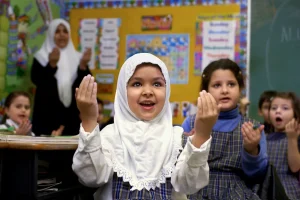
1. Moral and Conscience Guidance Religions frequently offer moral and ethical frameworks that direct people’s behavior and uphold moral principles like justice, compassion, and honesty. These ideas support the development of accountability in society.
2. Cohesion in Society Because of its common rituals, beliefs, and traditions, religion fosters a sense of belonging and community. As a result, community members are encouraged to work together.
3. Assistance during Difficulties. When people are going through terrible circumstances, such illness, loss, or financial troubles, religious communities frequently offer them both practical and emotional assistance. Religious organizations may provide resources and aid to those in need.
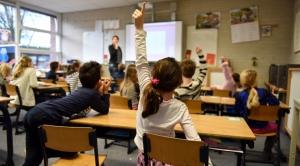
Schools and religion
4. Encouragement of Volunteering and Giving Numerous faiths place a high value on giving to the less fortunate and serving others, encouraging people to do so. Religion-related groups frequently take part in charitable endeavors that benefit society as a whole, such as feeding the hungry and housing the homeless.
More Impacts;

Schools and religion
5. Preservation of Culture Rituals, tales, and customs are passed down from generation to generation through the help of religion, which is crucial in maintaining cultural history and traditions. It enhances the diversity of society by preserving cultural identity.
6. Encouragement of Harmony and Acceptance Though religious teachings of compassion, forgiveness, and understanding have been linked to conflicts throughout history, religion also serves as a catalyst for peace.

Schools and religion
7. Building Moral Principles Instilling moral principles in students is one of the main goals of religious education. The majority of religions instill values like integrity, compassion, kindness, and respect for others. These principles are essential to the formation of moral character. Creating a Feeling of Identity and Acceptance of Students who receive religious instruction may feel more like they belong. Service learning
Summary
Also, religious education is crucial in many societies around the world. It’s a subject that helps us better comprehend different religions and imparts valuable life lessons. In order to guarantee understanding, the justification for the importance of religious education is explained in an uncomplicated way.
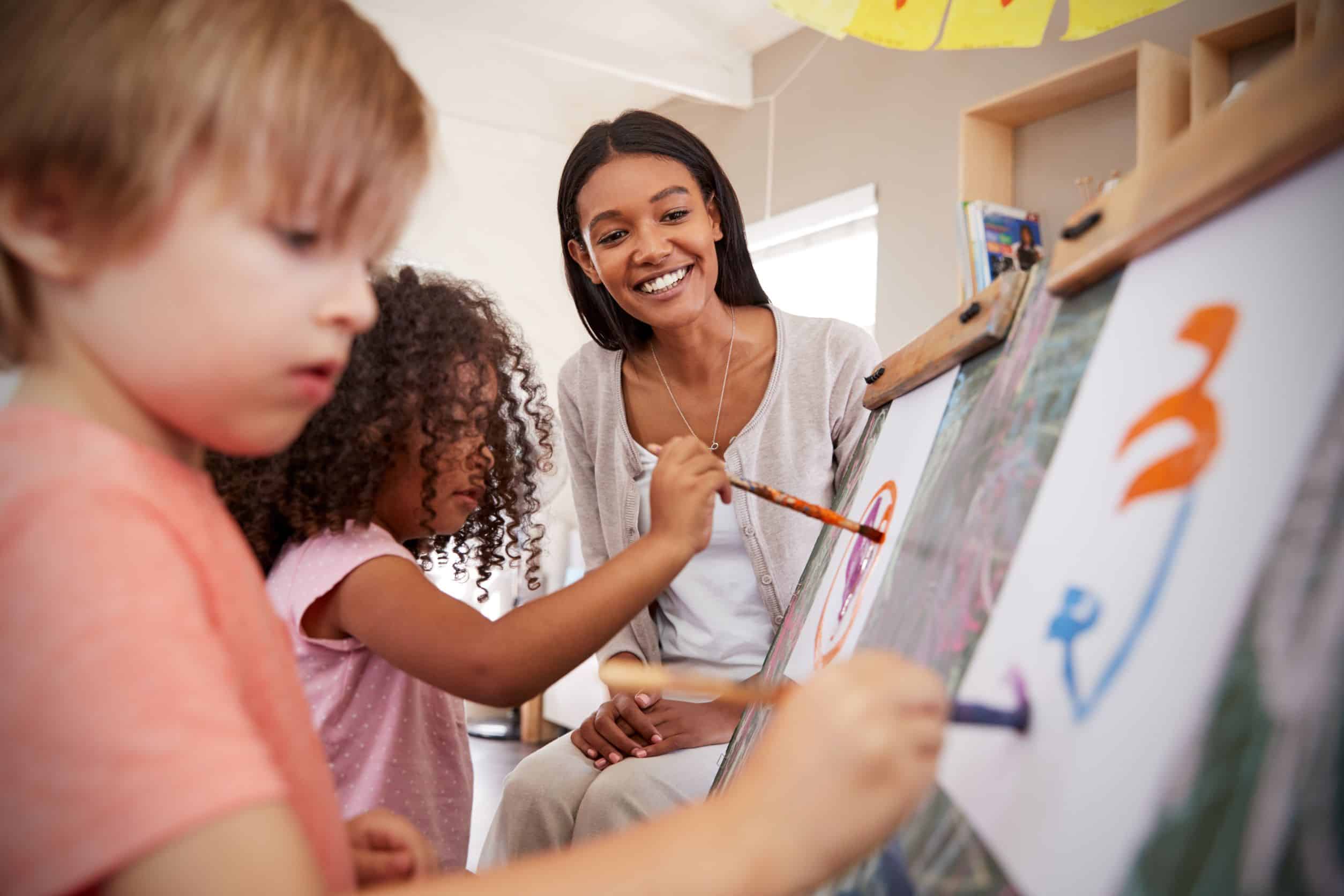
Benefits of teaching arts education. Through the integration of artistic disciplines to improve learning across the curriculum and create well-rounded individuals, arts education teaches subjects like music, drama, dance, and visual arts (drawing, painting, sculpture) to foster creativity, critical thinking, cultural awareness, and problem-solving abilities. It goes beyond technical proficiency to promote social and emotional development, providing all-encompassing experiences that increase motivation and equip students for challenging global issues by encouraging creativity and community involvement.
BENEFITS OF TEACHING ARTS EDUCATION
By fostering creativity, critical thinking, and motor abilities as well as increasing academic performance, mental health, and social skills, teaching arts education promotes overall student development. By encouraging pupils to see errors as teaching opportunities, it fosters resilience, self-assurance, and a growth mentality. Additionally, arts education fosters empathy, cultural understanding, and useful, transferable skills like problem-solving and teamwork, all of which are essential for future professional success.
1. Further improvement and creativity;
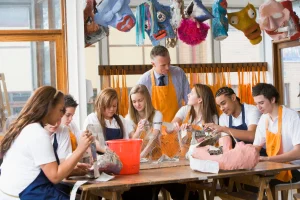
In addition to building creativity and invention abilities that are useful in a variety of academic subjects and future occupations, art education gives pupils the chance to express their thoughts and feelings in original and inventive ways.
2. Positive effects on brain development;
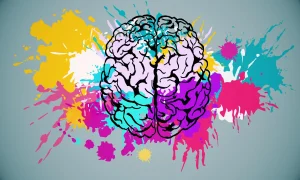
This have been demonstrated by research on the subject of art education. Students’ brains develop holistically when they participate in art-related activities because they activate several brain regions, including the motor and visual areas.
3. Knowledge of Cultural Diversity;

teaching arts education
Art is a useful instrument for learning about and appreciating various cultures. Students gain knowledge of the artistic mediums, fashions, and customs of many countries through art education, which promotes cross-cultural understanding.
4. Delivering critical thinking;
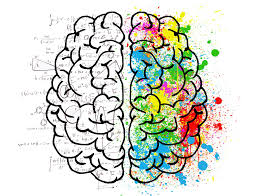
teaching arts education
Critical thinking and visual information analysis are fostered in art education. Through art, kids are able to develop critical thinking abilities that are beneficial in many facets of life, such as asking questions and making judgments.
5. Emotional Intelligence;
Students may express and control their emotions in a positive and healthy way through art education. Students can explore their ideas and grow in self-awareness, and find authentic ways to express themselves via art.
6. Advances mental health;

teaching arts education
Students who may be dealing with stress, anxiety, or other mental health issues can find solace in art lessons offered at schools. Students can express themselves safely and constructively by channeling their emotions via art instruction. As a result, they may experience improved mental health outcomes and be able to better control their emotions. They may also feel more accomplished and valuable. improvements for overall motivation, thinking, and academic achievement.
Summary
Art education is still frequently seen as an elective or extracurricular activity, despite evidence showing that it has many positive effects on mental health, brain development, cultural awareness, general learning, and more. Let’s examine ten reasons why art education is essential to students’ entire development.
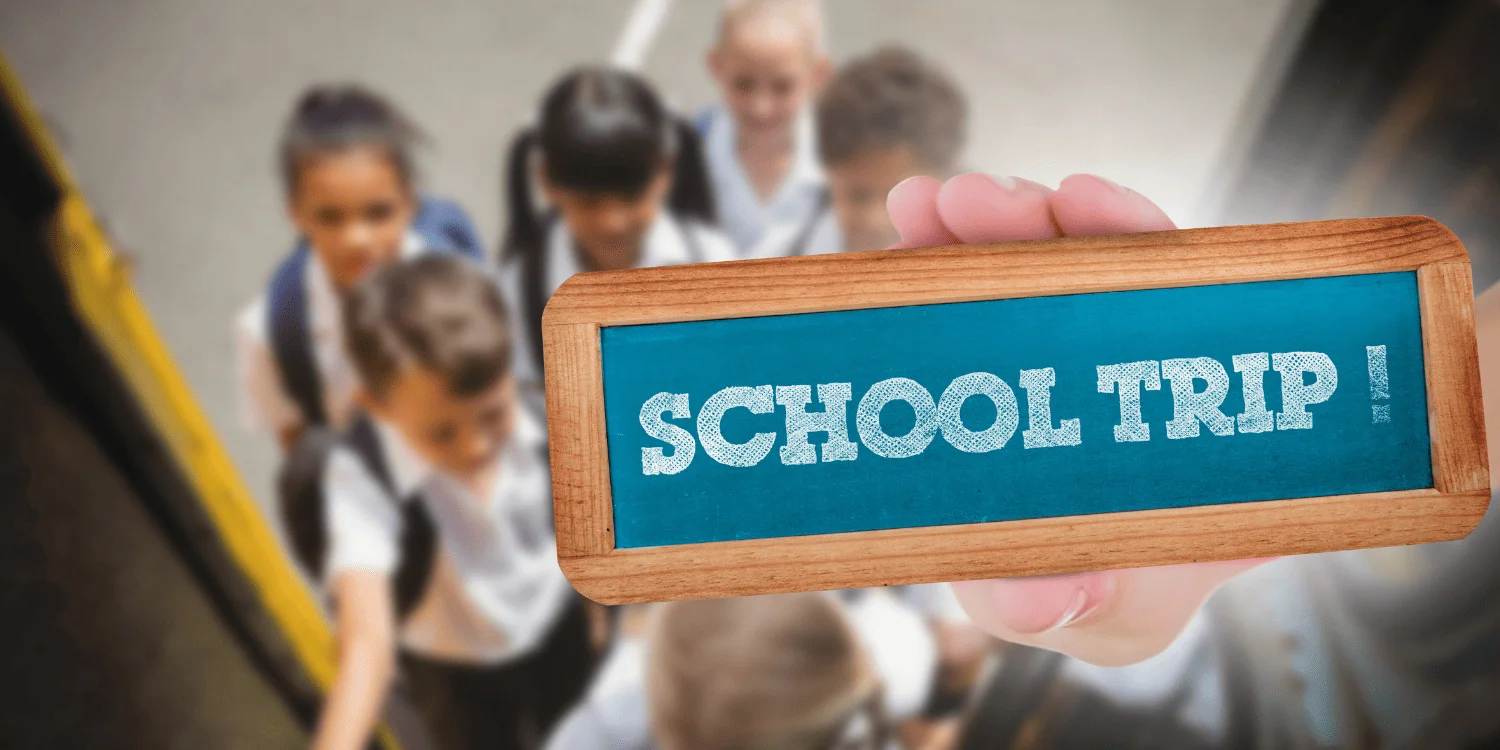

School trip safeguards. Pre-trip preparation, on-site rules like staying together and listening to adults, post-trip review, and health and safety (first aid, allergies, hydration), security (buddy systems, designated meeting places, avoiding strangers), and logistical checks (transport, emergency contacts) are all part of school trip safeguards, which include thorough planning, clear communication, and stringent supervision.
SCHOOL TRIP SAFEGUARDS
A field trip or excursion is a trip taken by a group of related peers, such as coworkers or students, to a location outside of their regular surroundings for fun or education, either domestically or overseas. It is also referred to as a school tour in Ireland and a school trip in the UK, Australia, Kenya, New Zealand, and Bangladesh when it is organized for pupils by the school administration.
Meaning of Safeguard;

A safeguard is an action or precaution used to stop, damage, or injury.
Trip to School Definition;
School travels, sometimes referred to as field trips, are planned expeditions that allow students to experience and see new things.
Safeguards;

SCHOOL TRIP SAFEGUARDS
1. Pick a secure area and safe pursuits. The venue and activities selected should be suitable for the participants’ age and typically free of any risks or hazards 2. Request the signing of a no objection form from parents or legal guardians to confirm that they have been informed about and agree to their child’s involvement in the trip.
2. Make sure the teacher is accompanied by a capable helper. Having multiple adults accompany the field trip would be much more beneficial. 4. Split up the class into groups, then designate group prefects. Group prefects are responsible for monitoring their fellow group members, helping to resolve conflicts, and handling unforeseen circumstances.

SCHOOL TRIP SAFEGUARDS
3. Also, describe to the pupils the locations they will be going. Students can better prepare for the field trip by dressing appropriately and bringing appropriate footwear, for example, if they are aware of the destination. Inform pupils of what to do if they split off from the group. This can assist them in maintaining their composure and attention, which helps lessen any fear or confusion that could otherwise occur.
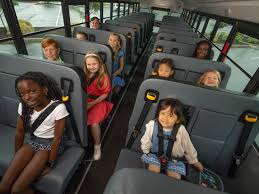
SCHOOL TRIP SAFEGUARDS
4. Meanwhile, bring refreshments and energy drinks. Students are less likely to get hurt or have accidents when they have access to proper nourishment and water, which helps them stay focused and alert.
8. Pack first aid supplies. Having basic medical supplies on hand can help save minor injuries
Summary
safeguards for field trips. Field trips provide students with chances for experiential learning that are not available in the classroom. However, these outings also expose students to a variety of potentially hazardous environments and situations.

Holidays and Vacations

Bilingual Education Impacts

Career Tips

A Step-by-Step Guide to Deleting Reels on Instagram

How to Create a WhatsApp Group