Exercise
Stability Exercises


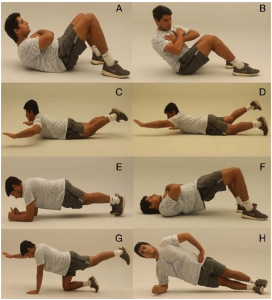
Stability exercises. You may greatly increase your core strength, balance, and fall prevention by doing these balancing stability exercises in your training regimen. To get the best results, try to complete these exercises on a regular basis because consistency is essential. As your balance improves, keep in mind to start out slowly, concentrate on good technique, and advance gradually.
STABILITY EXERCISES
Compound motions like squats and lunges, balancing tests like single-leg stands and the heel-to-toe walk, and core-strengthening exercises like planks and bird-dog are examples of stability exercises. These exercises can be adjusted for varying fitness levels and enhance balance, lower the chance of injury, and develop stabilizer muscles throughout the body. Below are effective balance stability exercises to help enhance your core strength and prevent falls.
1. Single-Leg Stance;
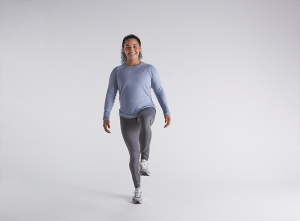
The single-leg stance is a simple yet powerful exercise to improve balance and stability.
How to Do It:
– Stand tall with your feet hip-width apart.
– Slowly lift one foot off the ground, bending your knee to a 90-degree angle.
– Hold the position for 10-30 seconds, keeping your torso upright and your eyes focused on a fixed point.
– Repeat on the other leg.
– Aim for 2-3 sets per leg.
Benefits:
This exercise strengthens the muscles around your ankles and knees, which are essential for maintaining balance.
2. Heel-to-Toe Walk;
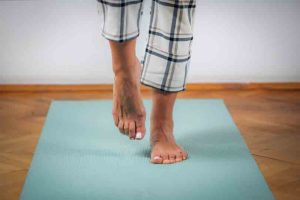
Also known as the tandem walk, this exercise mimics a sobriety test and is excellent for improving gait and balance.
How to Do It:
– Stand upright with your feet together.
– Place one foot directly in front of the other, so the heel of your front foot touches the toes of your back foot.
– Walk forward in a straight line, taking slow and deliberate steps.
– Continue for 10-20 steps, turn around, and return to the starting point.
– Perform 2-3 sets.
Benefits:
This exercise improves coordination, balance, and strengthens the leg muscles.
3. Bosu Ball Squats;
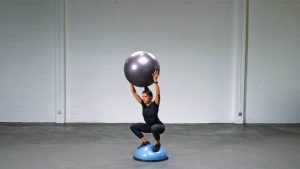
stability exercises
Using a Bosu ball for squats introduces an element of instability, challenging your balance and engaging your core.
How to Do It:
– Stand on the flat side of a Bosu ball with your feet shoulder-width apart.
– Slowly lower into a squat, keeping your back straight and your knees behind your toes.
– Push through your heels to return to standing.
– Perform 10-15 repetitions for 2-3 sets.
Benefits:
Bosu ball squats enhance proprioception (awareness of body position), leg strength, and core stability.
4. Bird Dog;
The bird dog exercise targets the core, lower back, and glutes while improving balance and stability.
Benefits:
This exercise enhances core strength, improves coordination, and promotes better balance.
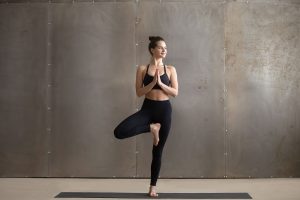
5. Standing Yoga Tree Pose;
stability exercises
The tree pose is a classic yoga position that requires balance and concentration.
How to Do It:
– Stand tall with your feet together.
– Shift your weight onto your left foot and place the sole of your right foot against your left inner thigh or calf.
– Bring your hands together in a prayer position in front of your chest.
– Hold the position for 20-30 seconds, then switch legs.
– Aim for 2-3 sets per leg.
Benefits:
Tree pose improves balance, strengthens the legs, and enhances mental focus.
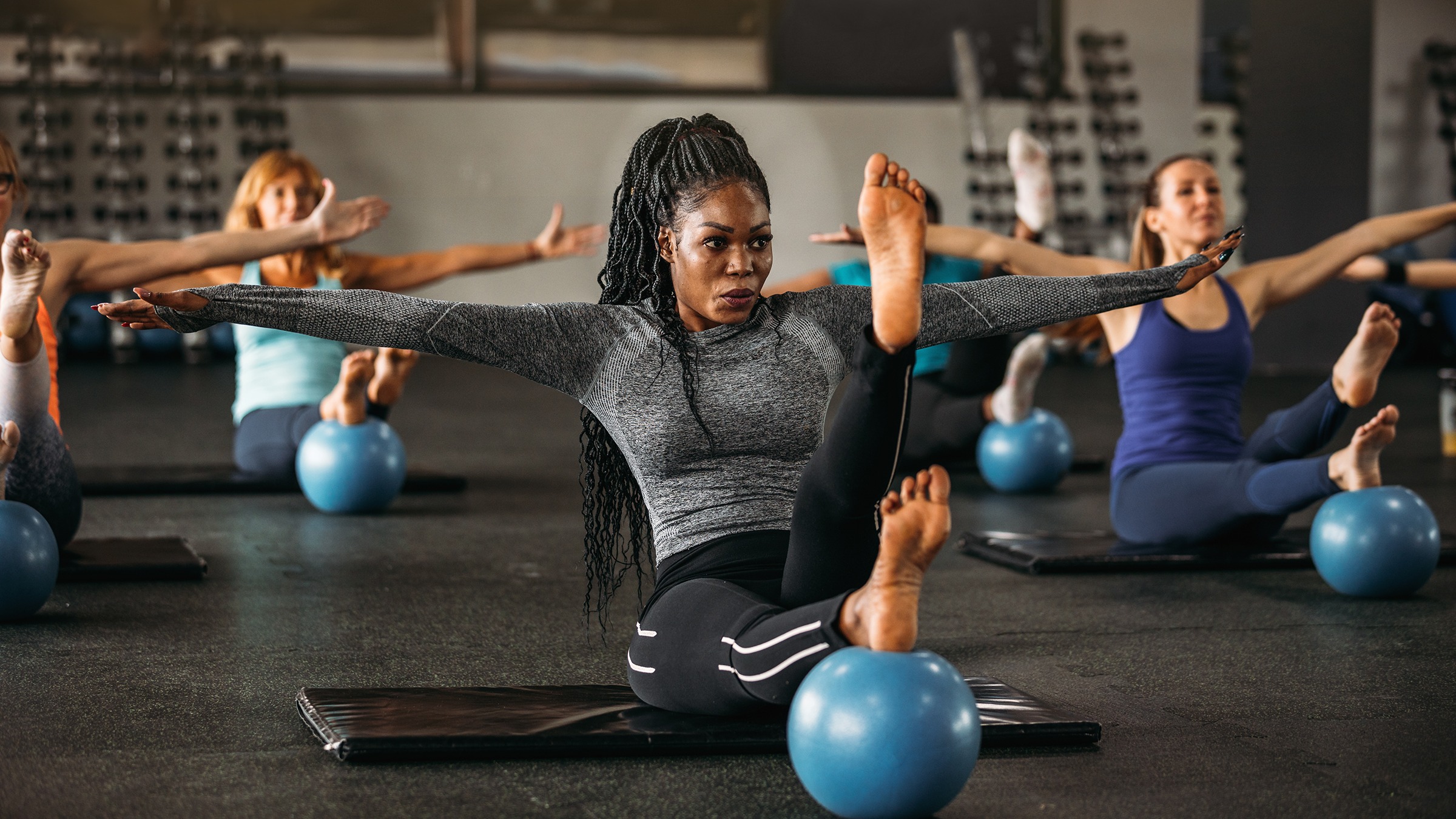
6. Stability Ball Pass;
Using a stability ball, this exercise targets your core and helps enhance balance.
Benefits:
This exercise engages the core muscles deeply, improving balance and stability.
7. Tai Chi;

stability exercises
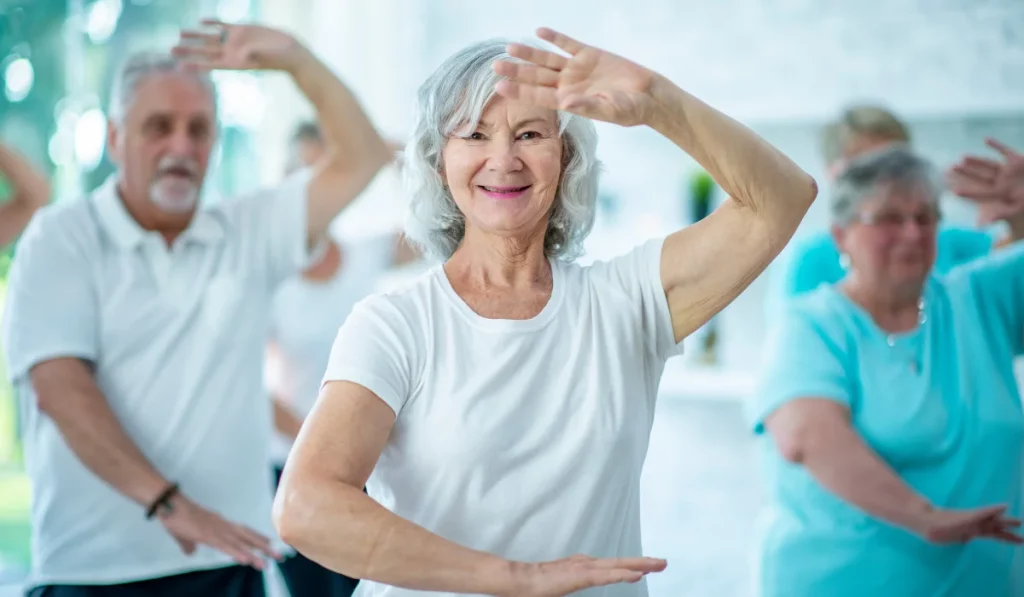
Tai Chi is a form of martial arts that involves slow, deliberate movements and is excellent for balance.
Summary
For everyday functioning, injury prevention, and general fitness, maintaining stability and balance is essential. Exercises for balance or stability can be quite beneficial, whether you’re an athlete trying to get better or someone who wants to maintain an active and independent lifestyle.
Tips for aerobic exercise. Start cautiously and progressively increase the intensity, duration, or frequency of aerobic exercise to get the most out of it. To prevent damage, always warm up before and cool down after your workout, and pay attention to your body, particularly if you have nausea, dizziness, or chest pain. Drink plenty of water to stay hydrated, and make sure you’re using the right tools and methods for safety.
TIPS FOR AEROBIC EXERCISE
Aerobic exercise, often known as cardiovascular or cardio exercise, is any type of physical activity that works your large muscle groups and raises your heart rate and respiration. Walking, running, swimming, and cycling are among examples. Maintaining cardiovascular health, increasing endurance, and promoting general well being all depend on regular aerobic exercise.
Benefits of Aerobic Exercise

Aerobic exercise strengthens the heart muscle, improving its efficiency and reducing the risk of heart disease.
2. Boosts Endurance:
Regular cardio workouts enhance your stamina and energy levels, making everyday tasks easier.
3. Supports Weight Management:

Aerobic activities burn calories and can aid in weight loss or maintenance when combined with a healthy diet.
4. Enhances Mood:
TIPS FOR AEROBIC EXERCISE
Exercise releases endorphins, which can elevate your mood and reduce symptoms of anxiety and depression.
Tips for Effective Aerobic Exercise;
1. Choose Activities You Enjoy:
Whether it’s dancing, hiking, or biking, picking an activity you find fun increases the likelihood of sticking with it.
2. Start Slow:
If you’re new to exercise, begin with shorter sessions and gradually increase the duration and intensity as your fitness improves.
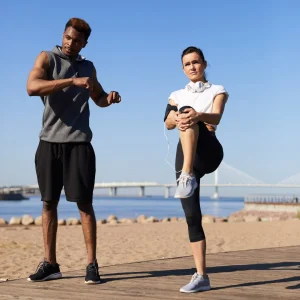
3. Warm Up and Cool Down:
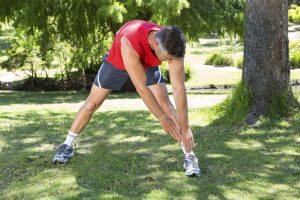
TIPS FOR AEROBIC EXERCISE
Begin each session with a warm-up to prepare your body and end with a cool-down to help with recovery and flexibility.
4. Mix It Up:
To prevent boredom and target different muscle groups, incorporate a variety of aerobic activities into your routine.
5. Stay Consistent:

Aim for at least 150 minutes of moderate-intensity aerobic exercise or 75 minutes of vigorous-intensity exercise per week, as recommended by health guidelines.
How to Get Started;
1. Set Goals:
Define what you want to achieve, whether it’s improved fitness, weight loss, or stress reduction. Setting clear goals helps you stay motivated.
2. Create a Schedule:
Plan your workouts around your daily routine. Consistency is key, so find a time that works best for you.
3. Monitor Intensity:

Use a heart rate monitor or perceived exertion scale to ensure you’re working within your target heart rate zone for optimal benefits.
4. Stay Hydrated:
Drink plenty of water before, during, and after exercise to stay hydrated and support performance.
5. Listen to Your Body:

Pay attention to how your body responds to exercise and make adjustments as needed to prevent injury.
Summary
Your health and quality of life can significantly improve if you incorporate aerobic exercise into your regular routine. You may develop a long-lasting fitness habit and enjoy the many advantages of a heart-healthy lifestyle by using these suggestions and discovering fun hobbies.
Stress reduction activities. An essential component of stress management is looking after your long-term physical and mental well-being. But sometimes there isn’t time to read a novel, hike a fourteener, or take a sleep. Here are 25 stress-reduction techniques that take five minutes or less. Everyone can find a quick stress-relieving method, whether it’s eating chocolate or practicing meditation.
STRESS REDUCTION ACTIVITIES
Even in normal, non-chaotic situations, I can tell when I’m nervous because my shoulders tense and blend with my ears, my digestion becomes erratic, and my kids and boyfriend claim that I become a lot of fun to be around. Stress usually shows up as your body and brain inexplicably fighting what you’re trying to control, though everyone’s experience is unique.
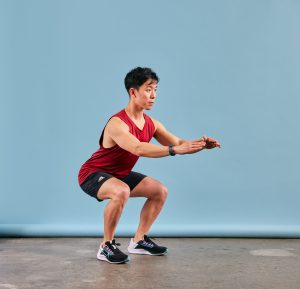
stress reduction activities
If you feel nervous or that your heart is acing quicker than usual due to stress, short burst of activity, even if it’s just ten pushups or situps, or twenty jumping jacks, will activate several neurotransmitter, including dopamine, serotonin, and norepinephrine that enhance your mood and help cushion some of that anxiety and stress, the author says.
According to Kissen, returning to the present moment can be achieved by turning your attention from your thoughts to your senses—in this example, your touch sense. It helps you get back into your body, whether you’re popping bubble wrap, sorting your change jar to cash in at the bank, or using the littles to make homemade slime. Alternatively, try this short workout. “What is one thing you can taste, smell, touch, etc.?” is the question Kissen poses to the audience. “Using all of your senses is a grounded technique that works well.”

stress reduction activities
You have the ability and willingness to release the tension in your muscles; nobody else can. ” it also helps you become more conscious of the tense areas in your body so you can intentionally relax those area.” Some good locations include your shoulders, the hinge of your jaw, the large ropy muscle in the front of your neck, and pressure points in the palm of your hand. If you are unable to visualize it, view some of Nagle’s amazing movies
Give yourself a specific job, like sorting your shoes or solving a word puzzle, if you are experiencing more mental than physical stress and feel like your mind is racing.

stress reduction activities
Of course, turning on your favourite music and having a good time is a great way to release tension and is recommend workout According to Kissen, “it also stimulates the mind and inspire feelings of creativity ” You can destress by dancing to music that reminds you of joyful times and places in your past. Dancing can also bring back happy memories.

Take a bath and relax. “The entire sensory slowing down its like rebooting a computer that has all these windows open performing too much processing is what happens when the body temperature changes,” you can get unstuck by turning it off and starting again.
Summary
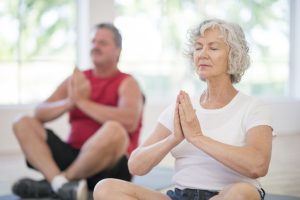
Social activities like spending time with loved ones or pets, relaxation methods like deep breathing, meditation, and guided imagery, and physical activities like swimming, yoga, and walking are all ways to reduce stress. Other beneficial measures involve hobbies, journaling, spending time outside, and maintaining a balanced diet.
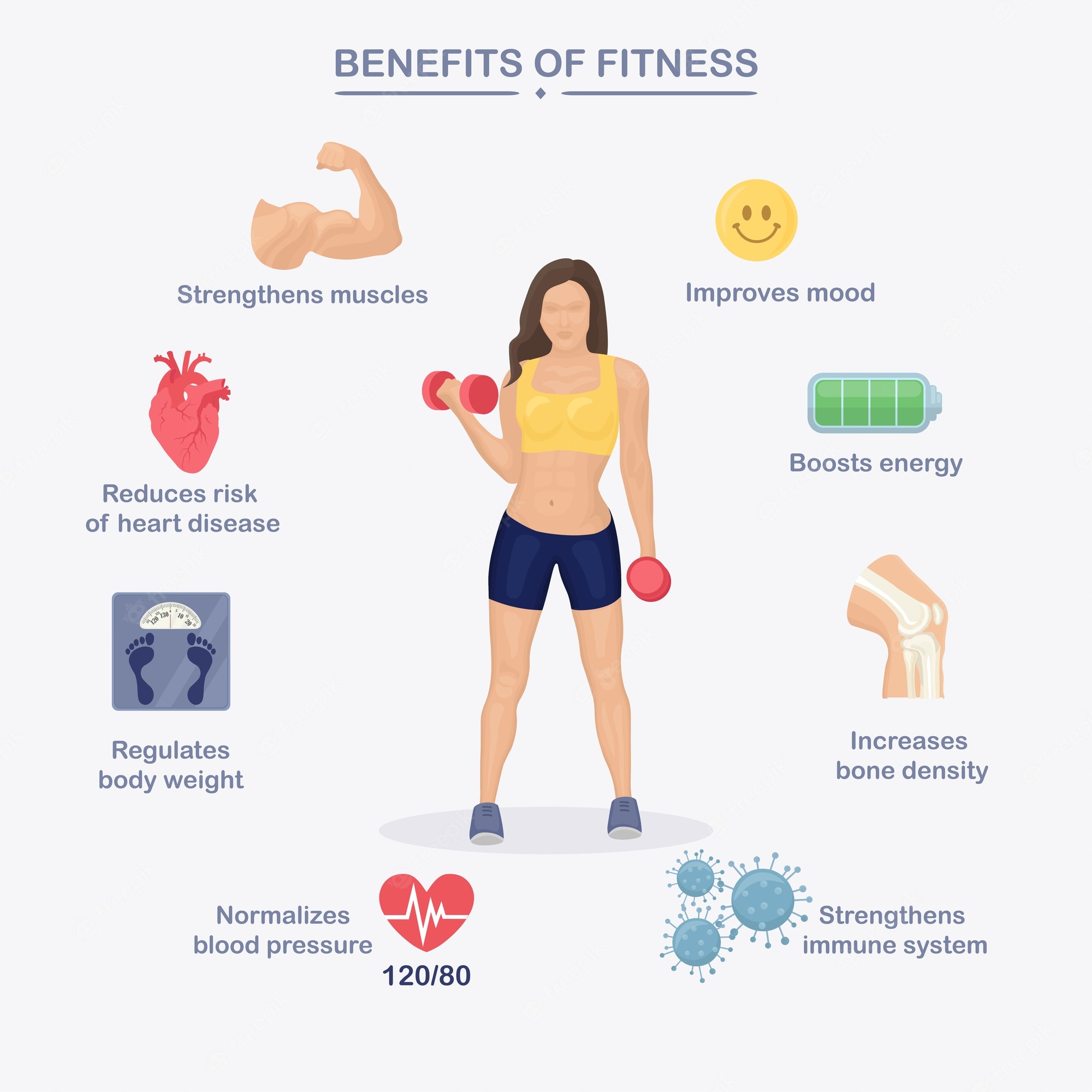
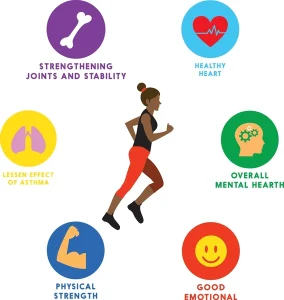
Merits of regular physical activities. Do you want to live a longer life, feel better, and have more energy? Simply move. It’s challenging. Do you want to live a longer life, feel better, and have more energy? Simply move. The benefits of regular exercise and physical activity on your health are hard to dispute. Regardless of age, gender, or degree of physical condition, exercise is beneficial for all. To get started, more convincing is required. Check out these seven ways that exercising can improve your self-esteem.
MERITS OF REGULAR PHYSICAL ACTIVITIES
Following a period of moderate-to-intense physical activity, there are certain advantages of physical activity for brain health. Benefits include decreased short-term anxiety in adults and enhanced thinking or cognition in youngsters aged 6 to 13. As you age, regular exercise can help maintain your cognitive, learning, and decision-making abilities. Additionally, it can improve your quality of sleep and lower your risk of anxiety and sadness.
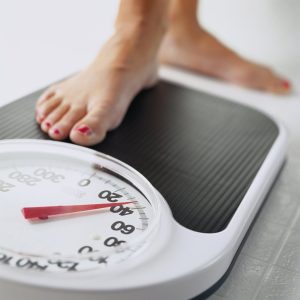
1. Exercise controls weight;
MERITS OF REGULAR PHYSICAL ACTIVITIES
Engaging in physical activity can aid in preventing weight gain or maintaining weight loss. You burn calories when you engage in physical exercise.
You burn more calories when you engage in more strenuous activities. Frequent gym visits are fantastic, but of you can’t find significant amount of time each day to work out, don’t stress. Any activity at all is preferable to none at all.
All you have to do to reap the benefits of exercise is up your daily activity level. For instance, prioritize your domestic tasks or choose to use the stairs rather than the elevator.
consistency is essential.
2. Improves mood;
MERITS OF REGULAR PHYSICAL ACTIVITIES
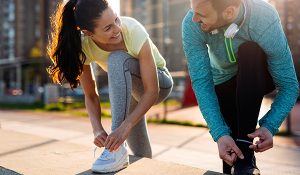
In need of some emotional support? or require stress or go the gym can assist. numerous brain chemicals are stimulated when you exercise, which may make you feel happier, more at ease, and less nervous.
Regular exercise can also make you feel better about your appearance and yourself, which can increase your confidence and self-esteem.
3. Exercise combats health conditions and diseases;
Concerned about cardiovascular disease? Want to avoid having high blood pressure? Being active raise “good’ cholesterol, or high density lipoprotein (HDL), and lowers bad cholesterol, or triglycerides, regardless of your present weight. These two benefit work together to maintain healthy blood flow, which reduces the risk of cardiovascular disorders, which affect the heart and blood vessels.
4. Promotes better sleep;

MERITS OF REGULAR PHYSICAL ACTIVITIES
Not being able to sleep? Frequent exercise can improve and deepen your sleep and help you fall asleep more quickly. Just be careful not to work out right before bed because you could be too motivate to fall asleep.
5. It can be fun and social;
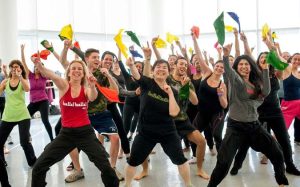
Physical activity and exercise can be enjoyable. They provide you with an opportunity to relax, take in the scenery, or just engage in enjoyable activities. Engaging in physical activity can facilitate social interactions with family and friends.
Summary
Frequent exercise has many positive effects on both physical and mental health, such as a lower chance of developing chronic conditions like heart disease and type 2 diabetes, enhanced mood and cognitive function, better weight control, and stronger bones and muscles. Additionally, it enhances sleep, boosts vitality, lowers blood pressure, and may even lengthen life.
Multiple System Atrophy

Key Relevance of Monounsaturated Fats

Best Proteinous Fruits

A Step-by-Step Guide to Deleting Reels on Instagram

How to Create a WhatsApp Group