
Health
Steam Therapy on Respiratory Health


Steam therapy, also known as steam inhalation, is a natural remedy used to alleviate respiratory issues. This simple treatment involves inhaling water vapor to open airways and relieve congestion. Here are four key benefits of steam therapy for respiratory health and a guide on how to perform it safely.
Benefits of Steam Therapy on Respiratory Health
1. Relieves Congestion:
Steam inhalation helps to loosen mucus in the nasal passages, throat, and lungs. This can alleviate congestion and make it easier to breathe, especially during a cold, sinus infection, or allergies.
2. Soothes Irritated Airways:
The warm, moist air from steam can soothe irritated and inflamed tissues in the respiratory tract. This is particularly beneficial for conditions such as bronchitis and asthma, where inflammation can cause discomfort and breathing difficulties.
3. Improves Breathing:
By reducing congestion and soothing the airways, steam therapy can improve overall breathing quality. This is helpful not only during respiratory infections but also for chronic conditions like chronic obstructive pulmonary disease (COPD).
4. Promotes Sinus Drainage:
Steam can help to open the sinuses and promote drainage. This can reduce the pressure and pain associated with sinusitis and prevent the buildup of bacteria that can lead to further infection.
How to Do Steam Therapy
1. Boil Water:
Start by boiling a pot of water. Once the water reaches a rolling boil, remove it from the heat. You can enhance the steam with essential oils like eucalyptus or peppermint, which have additional respiratory benefits. 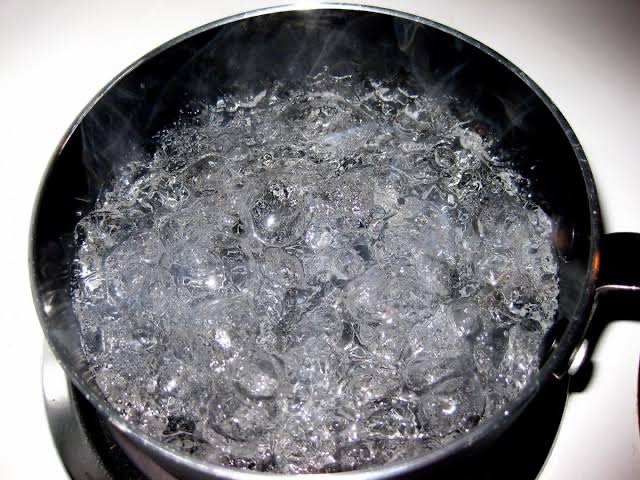
2. Prepare a Safe Setup:
Pour the hot water into a large bowl placed on a stable, flat surface. Make sure the bowl is secure and there is no risk of spilling hot water. 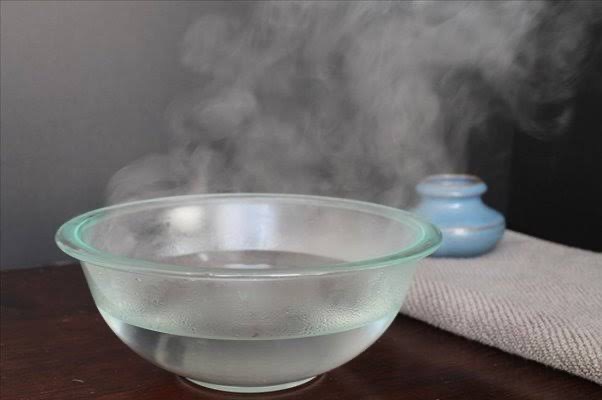
3. Create a Steam Tent:
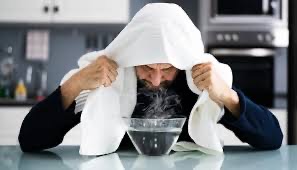
Sit comfortably and lean over the bowl. Drape a towel over your head and the bowl to trap the steam, creating a tent. Be cautious to keep your face at a safe distance (about 10-12 inches) from the hot water to avoid burns.
4. Inhale the Steam:
Close your eyes and breathe deeply through your nose and mouth for 5-10 minutes. Take breaks if needed, and do not exceed 10 minutes to avoid overheating or lightheadedness. 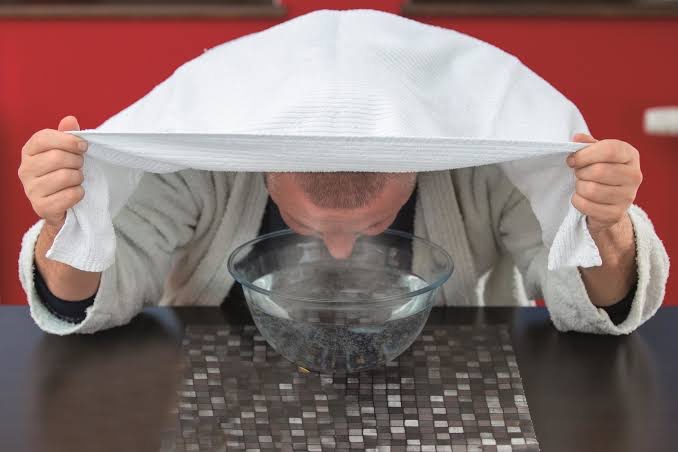
5. Post-Therapy Care:
After steam therapy, gently blow your nose to clear out loosened mucus. Stay hydrated by drinking water, as steam can cause slight dehydration.
6. Frequency:
Steam therapy can be done once or twice a day during illness or congestion. For chronic conditions, consult with a healthcare provider to determine an appropriate frequency.
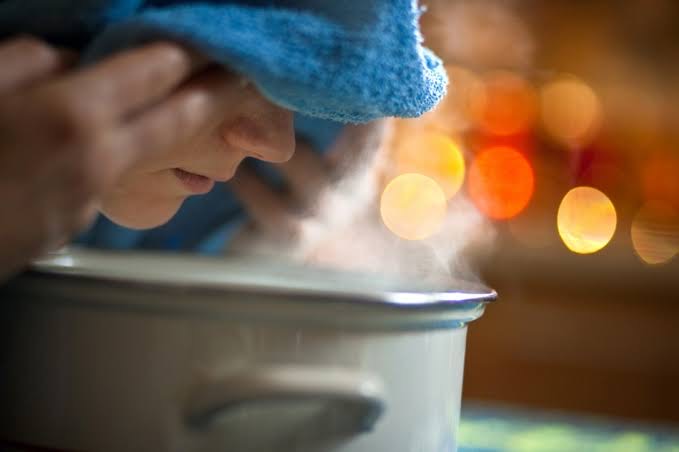
Steam therapy is a natural and effective way to support respiratory health by relieving congestion, soothing irritated airways, improving breathing, and promoting sinus drainage. By following the proper steps for steam inhalation, you can safely and effectively use this remedy to alleviate respiratory discomfort and enhance your overall well-being. Always consult with a healthcare provider if you have chronic respiratory issues or if symptoms persist.




Calluses causes. Usually on the hands or feet, calluses are thickened, hardened, and frequently painless patches of skin brought on by constant pressure or friction, such as from wearing poorly fitted shoes, going barefoot, or using tools. Skin that is flaky, dry, or rough can be treated by soaking, lightly filing with a pumice stone, and wearing appropriate footwear. While consequences are uncommon but can include infection, particularly in people with diabetes or poor circulation, risk factors include wearing shoes that are excessively thin or going barefoot.
CALLUSES CAUSES
By decreasing friction and pressure on the skin through the use of orthotics, moisturizer, and well-fitting, cushioned shoes, calluses can be avoided. Wearing gloves when performing hard labor, utilizing pads (moleskin) to protect sensitive regions, and switching up footwear every day are important tactics. Additionally, regular, mild exfoliation with a pumice stone aids in preventing accumulation.
Causes of it;
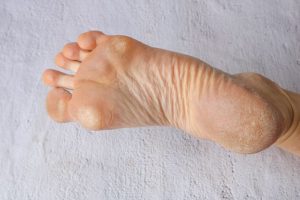
Calluses often develop on the hands and feet, as these areas are most exposed to repetitive activities. Common causes include:
– Wearing tight or ill-fitting shoes.
– Walking barefoot or in high heels.
– Manual labor or activities like gardening, weightlifting, or playing musical instruments.
How to Prevent;

CALLUSES CAUSES
Prevention is key to avoiding discomfort. Here are some tips:
– Wear Proper Footwear: Ensure shoes fit well and provide adequate cushioning.
– Use Gloves: Protect your hands during activities that involve gripping tools or equipment.
– Moisturize Regularly: Keep your skin hydrated to prevent dryness and cracking.
Caring for Calluses;
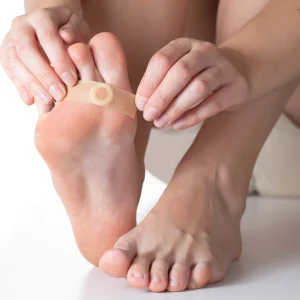
CALLUSES CAUSES
If you already have calluses, these steps can help:
– Soak and Exfoliate: Soak the affected area in warm water to soften the skin, then gently scrub with a pumice stone.
– Apply Moisturizers: Use lotions containing urea or salicylic acid to soften the skin.
– Avoid Cutting: Do not attempt to cut or pick at calluses, as this can lead to infection.

CALLUSES CAUSES
If a callus becomes painful or shows signs of infection, consult a healthcare provider for treatment.
With proper care and attention, you can manage calluses and keep your skin healthy.
Summary
Thickened patches of skin known as calluses develop naturally as a result of constant pressure, friction, or discomfort. Although they are usually not dangerous, if addressed, they can be unpleasant and ugly.
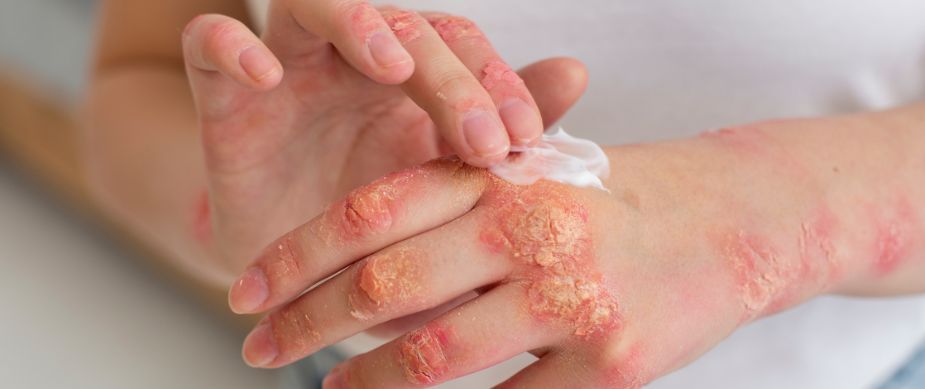
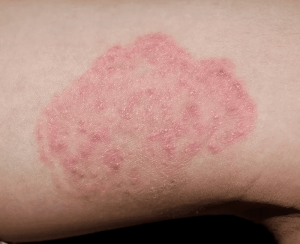
Signs of Fungal infections. Mycosis, another name for fungal infection, is a condition brought on by fungi. Traditionally, different varieties are classified as superficial, subcutaneous, or systemic based on the bodily portion that is impacted. Yeast infections like pityriasis versicolor and common tinea of the skin, including tinea of the body, groin, hands, feet, and beard, are examples of superficial fungal diseases. Eumycetoma and chromoblastomycosis are examples of subcutaneous kinds that typically affect tissues in and beneath the skin.
SIGNS OF FUNGAL INFECTIONS
Common skin problems known as fungal infections are brought on by fungi that prefer warm, humid settings. The skin, nails, and even internal organs can all be impacted by these illnesses. Yeast infections, ringworm, and athlete’s foot are typical occurrences.Cryptococcosis, histoplasmosis, pneumocystis pneumonia, aspergillosis, and mucormycosis are examples of more dangerous systemic fungal infections. There is a wide range of signs and symptoms.
Why Are Fungal Infections Important to Address?
1. Contagious Nature:
SIGNS OF FUNGAL INFECTIONS
Many fungal infection, such as ringworm and athlete’s foot, are highly contagious and can spread through direct contact or contaminated surfaces. Prompt treatment helps prevent spreading to others.
2. Discomfort and Irritation:

SIGNS OF FUNGAL INFECTIONS
Fungal infection often cause uncomfortable symptoms like itching, redness, and flaking. Addressing them quickly reduces discomfort and prevents the condition from worsening.
3. Potential Complications:
If left untreated, some fungal infection can lead to more severe complications, including deeper skin infection and damage to the affected area.
Prevention and Treatment of fungal infections;
SIGNS OF FUNGAL INFECTIONS
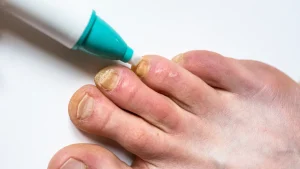
Practicing good hygiene, keeping skin dry, and using antifungal creams or medications are key to managing and preventing fungal infection. Seeking early treatment from a healthcare provider ensures effective recovery and reduces the risk of spreading.
Summary
Maintaining healthy skin and general wellbeing can be facilitated by being aware of fungal infections and taking preventative action. Although fungi are present everywhere, only a few of them can cause illness. Spores can enter the body through the skin, such as by an injection, cut, or wound, or they can be inhaled. People with weakened immune systems are more likely to experience it. This includes those suffering from diseases like HIV/AIDS and those using medications like steroids or cancer therapies.

Skincare and anti-aging products. The technique of preserving and enhancing the appearance and health of the skin is known as skincare. It involves cleansing, hydrating, UV protection, and managing skin issues including dryness and acne. Skin care is an essential component of everyday hygiene and can help avoid infections and discomfort. Skin care lies at the intersection of dermatology and cosmetics. In contrast to dermatology, skin care involves non-medical workers like nurses and estheticians. Individual behavioral changes, as well as changes to the workplace and surroundings, are all part of skin care. Radiation therapy, wound healing, and the administration of some drugs all depend on proper skin care.
SKINCARE AND ANTI-AGING PRODUCTS
Maintaining the youthfulness and vibrancy of your skin requires using anti-aging products in your skincare regimen. Using these products from an early age can help postpone the appearance of aging symptoms. However, as you age, consistent use can preserve and enhance the health of your skin. It is completely feasible to age gracefully and keep a glowing, healthy complexion with the correct products that are suited to your skin type and requirements.
What Are Anti-Aging Products?
Anti-aging products encompass a range of skincare items, including creams, serums, masks, and lotions. These products are rich in active ingredients such as retinol, hyaluronic acid, peptides, antioxidants, and vitamins that target the root causes of skin aging.
Why Are Anti-Aging Products Important?
1. Reduces Fine Lines and Wrinkles:

Ingredients like retinol and peptides in anti-aging products boost collagen production, which helps reduce the appearance of fine lines and wrinkles, keeping the skin firm and smooth.
2. Improves Skin Elasticity: With age, the skin loses elasticity due to a decrease in collagen and elastin. Anti-aging products are formulated to stimulate the production of these essential proteins.

SKINCARE AND ANTI-AGING PRODUCTS
3. Enhances Hydration:
Dry skin often accentuates signs of aging. Anti-aging creams and serums usually contain moisturizing ingredients such as hyaluronic acid. And ceramides that deeply hydrate the skin, promoting a plump and youthful look.
4. Protects Against Damage:
Antioxidants like vitamin C and E in these products help protect the skin from environmental stressors. Such as UV rays and pollution, which contribute to premature aging.
5. Improves Skin Tone and Texture:

SKINCARE AND ANTI-AGING PRODUCTS
Anti-aging products can help diminish age spots, hyperpigmentation, and uneven skin texture, promoting a brighter, more even complexion.
Summary
Although aging is a natural process, skincare breakthroughs have made it easier than ever to preserve young, healthy skin as we age. To help maintain a more youthful appearance for longer, anti-aging treatments are specifically designed to address indications of aging, such as wrinkles, fine lines, sagging, and dullness.

Holidays and Vacations

Bilingual Education Impacts

Career Tips

A Step-by-Step Guide to Deleting Reels on Instagram

How to Create a WhatsApp Group





Pingback: Benefits of Steam Therapy on Skin and How to Do It
Pingback: Aerosol sprays
Pingback: Infections Caused by Poor Hand Hygiene - SimplExplainer
Pingback: Airborne Diseases: Causes, Transmission, and Prevention - SimplExplainer
Pingback: Five Negative Effects of Generator Smoke on Health - SimplExplainer