Exercise
Strength exercise and muscles building

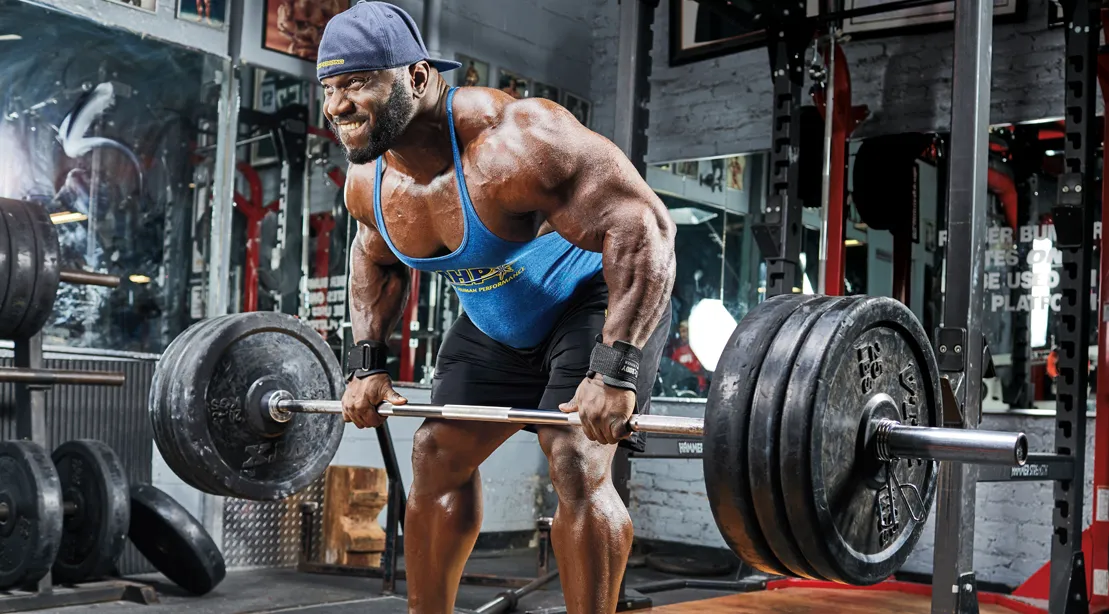
Strength exercise and muscles building. You may develop your strength, gain muscle, and enhance your general fitness by incorporating these fundamental strength training exercises into your exercise regimen. Keep in mind to concentrate on good form, begin with small weights, and gradually increase the intensity of your exercises. These exercises can offer a thorough full-body workout to help you reach your fitness objectives, whether you’re working out at home or at the gym.
STRENGTH EXERCISE AND MUSCLES BULDING
An essential part of a comprehensive fitness program is strength training. In addition to aiding in muscle growth, it also increases bone density, speeds up metabolism, and enhances general physical performance. Including a range of strength training routines can offer comprehensive benefits, regardless of your level of fitness expertise. You may increase your strength and gain muscle by performing these basic strength training routines.
1. Squats;
Squats are a fundamental lower body exercise that targets the quads, hamstrings, glutes, and core.
How to Do It:
– Stand with your feet shoulder-width apart.
– Lower your body by bending your knees and hips, keeping your back straight and your chest up.
– Go down until your thighs are parallel to the floor.
– Push through your heels to return to the starting position.
– Perform 3 sets of 10-15 repetitions.
Benefits:
Squats enhance lower body strength, improve balance, and boost overall muscle endurance.
2. Deadlifts;
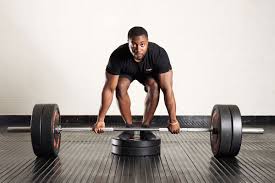
Deadlifts are a compound exercise that targets the entire posterior chain, including the back, glutes, hamstrings, and core.
How to Do It:
– Stand with your feet hip-width apart, with a barbell in front of you.
– Bend at the hips and knees to grasp the barbell with an overhand grip.
– Keep your back straight and lift the barbell by straightening your hips and knees.
– Lower the barbell back to the ground in a controlled manner.
– Perform 3 sets of 8-12 repetitions.
Benefits:
Deadlifts increase overall strength, improve posture, and enhance functional movement patterns.
3. Bench Press;
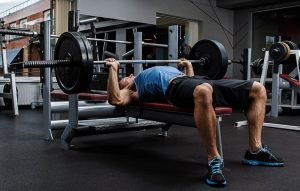
The bench press is a classic upper body exercise that targets the chest, shoulders, and triceps.
How to Do It:
– Lie on a bench with your feet flat on the floor.
– Grip the barbell with your hands slightly wider than shoulder-width apart.
– Lower the barbell to your chest, keeping your elbows at a 45-degree angle.
– Press the barbell back up to the starting position.
– Perform 3 sets of 8-12 repetitions.
Benefits:
The bench press builds upper body strength, enhances muscle mass, and improves pushing power.
4. Pull-Ups;
Strength exercise and muscles building
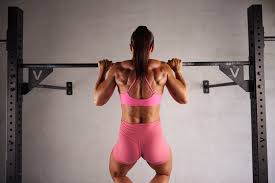
Pull-ups are an excellent bodyweight exercise that targets the back, shoulders, and biceps.
How to Do It:
– Grip a pull-up bar with your palms facing away from you and your hands shoulder-width apart.
– Hang with your arms fully extended.
– Pull yourself up until your chin is above the bar.
– Lower yourself back to the starting position in a controlled manner.
– Perform 3 sets of as many repetitions as possible.
Benefits:
Pull-ups enhance upper body strength, improve grip strength, and develop a muscular back.
5. Lunges;
Strength exercise and muscles building
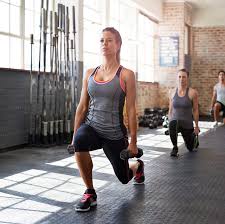
Lunges are effective for targeting the quads, hamstrings, glutes, and calves.
How to Do It:
– Stand with your feet together.
– Step forward with one leg, lowering your hips until both knees are bent at a 90-degree angle.
– Push through the heel of your front foot to return to the starting position.
– Alternate legs and repeat.
– Perform 3 sets of 10-15 repetitions per leg.
Benefits:
Lunges improve leg strength, enhance balance, and increase hip flexibility.
Summary
Resistance training, often known as strength training, stimulates the breakdown of muscular tissue by making your muscles work against an outside force.
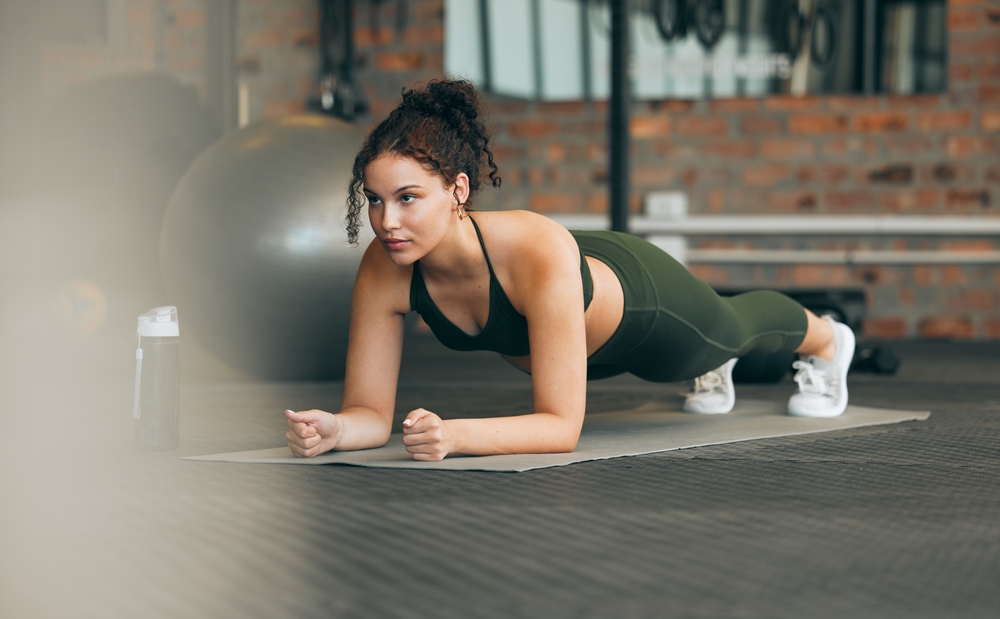
Enhancement and exercises. Many people who want to improve their bodies want to get a more defined and curved shape. Although heredity is a major factor in body shape, specialized exercises can assist tone and sculpt certain parts of the body, especially the thighs, glutes, and hips. Including the appropriate activities in your fitness regimen can make a significant difference, whether your goal is to highlight your curves or develop more rounded hips.
ENHANCEMENT AND EXERCISES
We’ll look at a number of efficient workouts in this post that are intended to improve curves and give the lower body more shape. These exercises, which range from squats and lunges to hip thrusts and glute bridges, target important muscle groups and help you safely and successfully reach your desired aesthetic goals. Prepare to accept your inherent beauty and mold your curves with these empowering exercises. Several exercises target the muscles around the hips, thighs, and glutes, helping to enhance curves and create a more shapely silhouette. Here are some effective exercises for enhancing curves:
1. Squats;
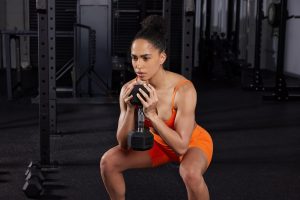
Squats are one of the most effective exercises for building and shaping the muscles of the lower body, including the hips, thighs, and glutes. To perform a squat, stand with your feet hip-width apart, engage your core, and lower your body as if sitting back into a chair. Keep your chest up and knees tracking over your toes. Push through your heels to return to the starting position and repeat.
2. Lunges;
Lunges target the quadriceps, hamstrings, and glutes, helping to tone and sculpt the muscles of the lower body. To perform a lunge, step forward with one foot and lower your body until both knees are bent at a 90-degree angle. Keep your front knee aligned with your ankle and your back knee hovering just above the floor. Push through your front heel to return to the starting position and repeat on the other side.
3. Hip Thrusts;
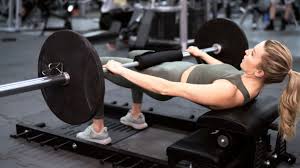
Enhancement and exercises
Hip thrusts specifically target the glutes, helping to build strength and enhance the shape of the buttocks. To perform a hip thrust, sit on the floor with your upper back against a stable bench or elevated surface. Place a barbell or weight across your hips and plant your feet flat on the floor. Push through your heels to lift your hips toward the ceiling, squeezing your glutes at the top of the movement. Lower your hips back down and repeat. It helps enhance body curves
4. Glute Bridges;
Glute bridges are similar to hip thrusts but can be performed without weights. Lie on your back with your knees bent and feet flat on the floor. Engage your core and lift your hips toward the ceiling, squeezing your glutes at the top of the movement. Lower your hips back down and repeat.
5. Side Leg Lifts;
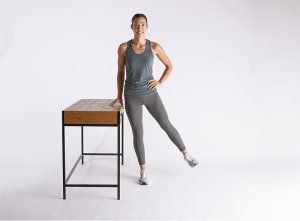
Enhancement and exercises
Side leg lifts target the muscles of the outer thighs and hips, helping to create a more defined hip line. Lie on your side with your legs straight and stacked on top of each other. Lift your top leg toward the ceiling, keeping it straight and in line with your body. Lower your leg back down and repeat on the other side.
Summary
You may sculpt a more defined lower body and improve body curves by including these exercises in your daily exercise regimen. To get the most out of each workout and avoid injury, it’s crucial to use the right form and technique. In order to get the intended results, consistency and progressive overload—gradually increasing weight or intensity are also essential.
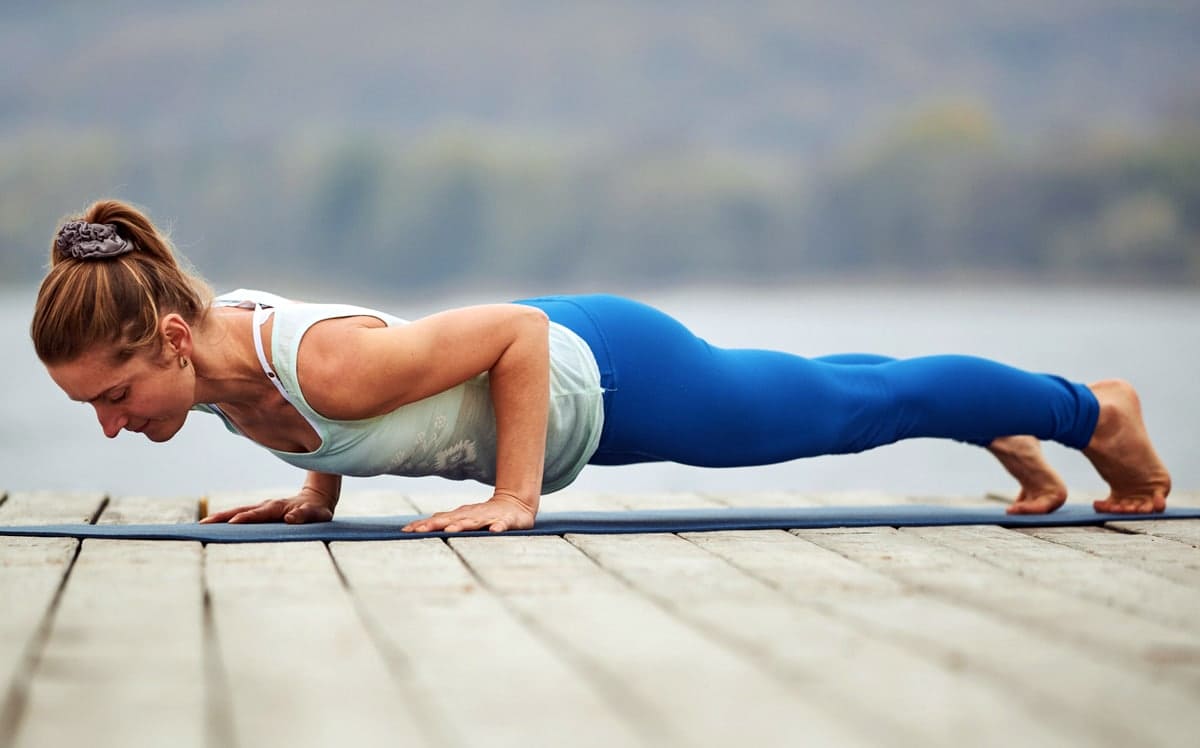
Pushups advantages. They are effective and adaptable exercise that has several advantages for mental and physical well-being. They promote mental discipline, improve functional fitness, strengthen and extend muscles, and support cardiovascular health. Pushups are an accessible and useful supplement to any exercise routine because of their ease of use and versatility. Including pushups in your exercise regimen can result in notable and long-lasting health benefits, regardless of your level of experience.
PUSHUPS ADVANTAGES
Pushups are a common exercise in fitness regimens all around the world, and their ease of use and efficiency have long been praised. This workout has several health advantages, doesn’t require any equipment, and can be done practically anyplace. Pushups, despite their simplicity, have a significant effect on strength, endurance, cardiovascular health, and even mental wellness.
Building Muscular Strength and Endurance;
One of the most apparent benefits of pushups is their ability to build muscular strength and endurance, particularly in the upper body. Pushups primarily target the pectoral muscles, triceps, and shoulders. However, they also engage the core muscles, including the abdominals and lower back, making them a compound exercise that promotes overall strength.
Regularly performing pushups can lead to hypertrophy, the enlargement of muscle fibers, which contributes to increased muscle mass. Additionally, pushups enhance muscular endurance, enabling muscles to sustain prolonged periods of activity without fatigue. This dual benefit makes pushups a valuable exercise for athletes and fitness enthusiasts aiming to improve performance and stamina.
Cardiovascular Health;
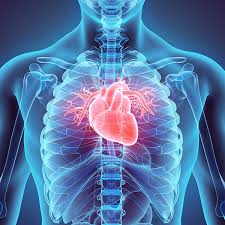
Though pushups are primarily a strength exercise, they also offer cardiovascular benefits. When performed at a moderate to high intensity, pushups can elevate the heart rate, thereby providing a cardiovascular workout. This increase in heart rate helps improve heart health by promoting better circulation and reducing the risk of heart disease. Incorporating pushups into a high-intensity interval training (HIIT) routine has great impact and good cardiovascular benefits, contributing to overall heart health and endurance.
Functional Fitness;
Functional fitness refers to the ability to perform daily activities with ease and without risk of injury. Pushups have good impact and are an excellent functional exercise because they mimic the natural movements of pushing and stabilizing the body. This makes pushups highly practical, as they strengthen muscles used in everyday activities such as lifting, pushing, and carrying objects.
Mental Health and Discipline;

Pushups advantages
The benefits of pushups extend beyond physical fitness, positively impacting mental health as well. Exercise, in general, is known to release endorphins, the body’s natural mood elevators. The sense of accomplishment that comes from completing a challenging set of pushups can boost self-esteem and confidence.
Furthermore, pushups require mental discipline and focus. Consistently incorporating pushups into a workout routine fosters a sense of commitment and resilience. Over time, this can translate to improved mental toughness, better stress management, and enhanced overall well-being.
Customizability and Variations;
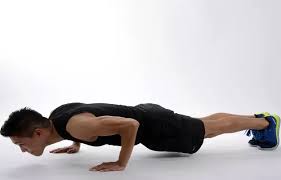
Pushups advantages
Another significant advantage of pushups is their versatility. There are numerous variations of pushups that can be adjusted to suit different fitness levels and goals. Beginners can start with modified versions, such as knee pushups or wall pushups, to build foundational strength. As strength and confidence grow, individuals can progress to standard pushups and more advanced variations like decline pushups, plyometric pushups, or one-arm pushups.
Summary
Push-ups are a very effective bodyweight workout that strengthens the upper body without the need for any equipment. They provide advantages ranging from better posture and enhanced bone density to better cardiovascular health by concurrently engaging the chest, shoulders, triceps, and core muscles.
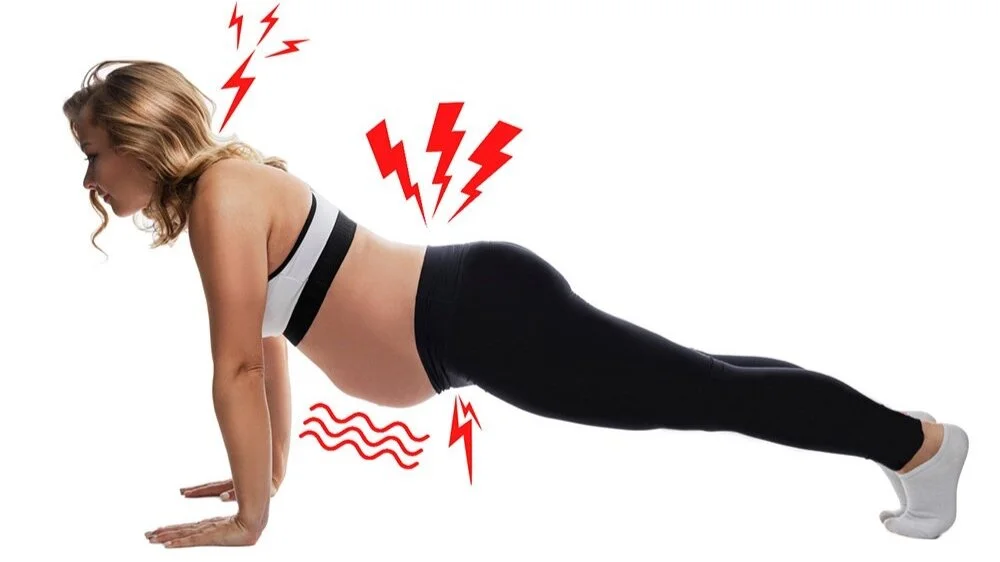
Plank exercise implications for pregnancy. Pregnant women can benefit from plank exercises in a number of ways, such as better posture, stronger core, and less lower back pain. To guarantee comfort and safety, it is essential to carry them out with the appropriate adjustments and safety measures. Before beginning any fitness regimen while pregnant, always see a healthcare professional so that the workouts can be customized to each woman’s needs and situation.
PLANK EXERCISE IMPLICATIONS FOR PREGNANCY
Plank exercise can be beneficial for pregnant women when performed with proper precautions and modifications. They can help maintain core strength, support posture, and reduce back pain. However, it’s essential to consult with a healthcare provider before starting any exercise routine during pregnancy. Here are some impacts of plank exercises on pregnant women:
Benefits
1. Improved Core Strength
• Plank exercises engage the entire core, including the transverse abdominis, which is crucial for maintaining abdominal support during pregnancy. Strengthening these muscles can help support the growing uterus and reduce strain on the lower back.
2. Enhanced Posture
• As the pregnancy progresses, the shift in the center of gravity can lead to postural changes. Planks help maintain proper alignment and strengthen the muscles that support good posture, potentially reducing the likelihood of back pain and other discomforts associated with poor posture.
3. Reduced Lower Back Pain
• Strengthening the core muscles through plank exercise can help alleviate lower back pain, a common issue during pregnancy. A strong core provides better support for the spine and reduces the load on the lower back.
4. Preparation for Labor
• Maintaining core strength and overall fitness during pregnancy can aid in the physical demands of labor and delivery. Strong abdominal and pelvic muscles can contribute to more effective pushing during childbirth.
Precautions and Modifications
1. Avoid Overstraining;
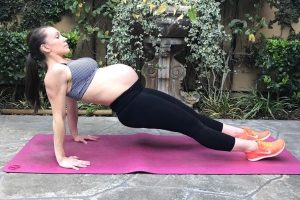
• It’s important not to overstrain the abdominal muscles, especially as the pregnancy progresses. Overexertion can lead to diastasis recti, a condition where the abdominal muscles separate. Modifications, such as performing plank exercise on the knees or against a wall, can reduce strain.
2. Modify as Needed;
• As the pregnancy progresses, modifications may be necessary to ensure comfort and safety. Side planks or modified planks (e.g., on knees) can be gentler alternatives while still providing core benefits.
3. Focus on Proper Form;
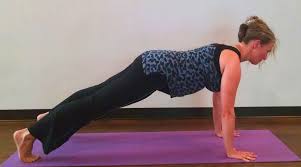
Plank exercise implications for pregnancy
• Proper form is crucial to avoid unnecessary strain on the lower back and abdominal muscles. Keeping the body in a straight line, engaging the core, and avoiding sagging or arching the back are essential for performing planks safely.
4. Listen to the Body;
• Pregnant women should pay close attention to their bodies and stop exercising if they experience any pain, discomfort, or unusual symptoms. It’s essential to prioritize comfort and safety over intensity.
5. Consult Healthcare Providers;

Plank exercise implications for pregnancy
• Before starting or continuing any exercise routine during pregnancy, it’s vital to consult with a healthcare provider or a prenatal fitness specialist. They can provide personalized advice and ensure that the exercises are safe and appropriate for the individual’s stage of pregnancy and health condition.
Summary
During pregnancy, planks can be a safe and beneficial core workout, but as your belly swells, you’ll need to adjust your technique. In order to safeguard your pelvic floor and avoid abdominal muscle separation (diastasis recti), controlling intra-abdominal pressure (IAP) is crucial.

How to turn off iphone

Techniques for stress management

Fingernails common diseases

A Step-by-Step Guide to Deleting Reels on Instagram

A Comprehensive Guide to Setting Up a YouTube Premiere