Health
Swelling and Edema Early Signs

Swelling and Edema Early Signs. Before obvious swelling appears, the first symptoms of edema (fluid retention) are usually mild physical changes including tighter-fitting jewelry, puffiness around the eyes when awake, and a heavy feeling in the limbs. You can detect fluid accumulation before it develops into a more excruciating or serious clinical condition by being aware of these early signs.
SWELLING AND EDEMA EARLY SIGNS
Edema and swelling can be caused by a number of illnesses and have a major negative influence on comfort and health. In order to manage symptoms and address any underlying health issues, it is important to understand the causes and seek appropriate therapy.
Causes;
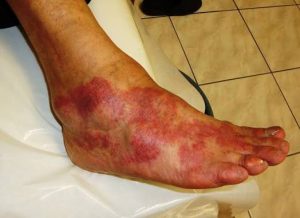

Swelling often occurs in response to injury or inflammation, such as sprains, strains, or infections. The body’s inflammatory response can lead to fluid accumulation in the affected area.
2. Heart Failure: Congestive heart failure can cause edema, particularly in the lower extremities, due to the heart’s reduced ability to pump blood effectively. This leads to fluid buildup in the legs, ankles, and feet.
3. Kidney Problems: Kidney conditions, such as chronic kidney disease or nephrotic syndrome, can impair the body’s ability to filter and remove excess fluid, leading to swelling in various parts of the body.
4. Liver Disease:


Liver conditions like cirrhosis can affect the production of proteins necessary for fluid balance, causing fluid to leak into the tissues and result in abdominal swelling (ascites) and leg edema.
5. Venous Insufficiency: When veins in the legs are unable to return blood to the heart effectively, often due to damaged valves, fluid can accumulate in the lower limbs, leading to swelling.
6. Medications: Certain medications, including those used to treat high blood pressure, diabetes, or hormonal imbalances, can have side effects that include fluid retention and swelling.
Symptoms and Diagnosis;

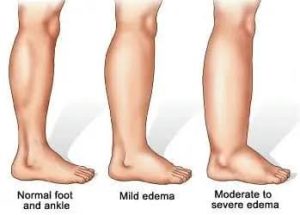
Swelling and Edema Early Signs
Common symptoms of edema include noticeable swelling in the affected area, skin that may appear stretched or shiny, and discomfort or pain. Diagnosis typically involves a physical examination, medical history review, and sometimes imaging tests or blood work to identify the underlying cause of the swelling.
Management and Treatment
1. Lifestyle Changes: Elevating the affected limbs, reducing salt intake, and maintaining a healthy weight can help manage and reduce swelling. Regular exercise can also improve circulation and reduce fluid retention.
2. Medications: Diuretics, often prescribed by healthcare providers, can help reduce fluid buildup by increasing urine output.
3. Compression Therapy:


Swelling and Edema Early Signs
Compression stockings or bandages can help manage swelling in the legs and improve blood flow.
4. Addressing Underlying Conditions: Treating the underlying health issue causing the edema, such as managing heart, kidney, or liver conditions, is crucial for effective long-term management.
Summary
An abnormal buildup of fluid in the body’s tissues is the hallmark of swelling, also known as edema. It may be an indication of an underlying medical condition and can affect the hands, face, legs, ankles, and other regions of the body.