
Environmental pollution
The Hidden Dangers of Plastic Water Bottles

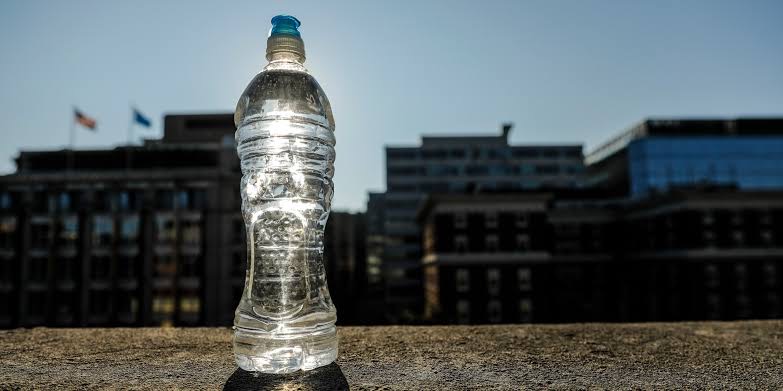
Plastic water bottles have become ubiquitous in modern society, offering convenience and portability for staying hydrated on the go. However, the widespread use of plastic bottles comes with hidden dangers that can impact both human health and the environment. In this article, we’ll explore the harmful effects of using plastic water bottles and provide insights into safer and more sustainable alternatives.
1. Chemical Leaching: One of the primary concerns associated with plastic water bottles is the potential leaching of harmful chemicals into the water. Most plastic bottles are made from polyethylene terephthalate (PET) or polycarbonate, both of which can release chemicals like bisphenol A (BPA) and phthalates into the water, especially when exposed to heat or sunlight. These chemicals have been linked to various health issues, including hormonal disruption, reproductive problems, and increased risk of certain cancers.
2. Environmental Pollution:
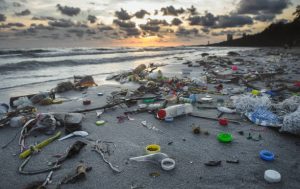
The production, use, and disposal of plastic water bottles contribute significantly to environmental pollution. Plastic bottles are made from non-renewable fossil fuels, and their manufacturing process generates greenhouse gas emissions and toxic byproducts. Additionally, billions of plastic bottles end up in landfills or pollute oceans and waterways each year, posing serious threats to marine life and ecosystems.
3. Microplastics Contamination:
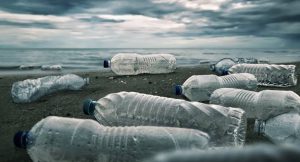 Over time, plastic water bottles can degrade and release microplastics into the water. Especially when exposed to heat or mechanical stress. These tiny plastic particles can leach harmful chemicals and contaminants, which may be ingested by humans and animals, leading to potential health risks. Microplastics have been found in drinking water sources worldwide, raising concerns about their long-term effects on human health.
4. Health Risks:
In addition to chemical leaching, plastic water bottles may harbor harmful bacteria and pathogens. Especially if they are reused without proper cleaning and sanitation. Studies have found that reusable plastic bottles can become breeding grounds for bacteria like E. coli and Salmonella, posing risks of foodborne illness and gastrointestinal infections.
5. Negative Impact on Marine Life:
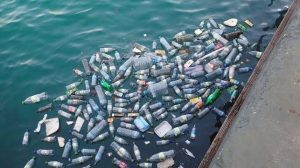 Plastic water bottles that end up in oceans and waterways pose serious threats to marine life. Marine animals can become entangled in plastic debris or ingest it, leading to injury, suffocation, and death. Additionally, the toxins released by plastic pollution can accumulate in the food chain. Potentially harming marine ecosystems and endangering human health through seafood consumption.

While plastic water bottle offer convenience and accessibility, their hidden dangers cannot be ignored. From chemical leaching and environmental pollution to health risks and harm to marine life. The negative effects of plastic bottles extend far beyond their immediate use. To protect both human health and the environment, it’s crucial to reduce reliance on single-use plastics and opt for safer and more sustainable alternatives. Such as reusable stainless steel or glass water bottles. By making conscious choices to reduce plastic waste and promote eco-friendly alternatives, we can all play a part in creating a healthier and more sustainable future.
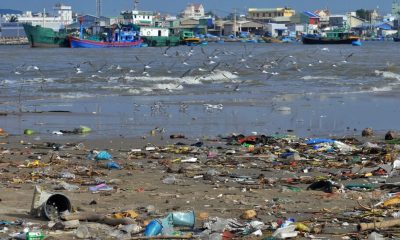


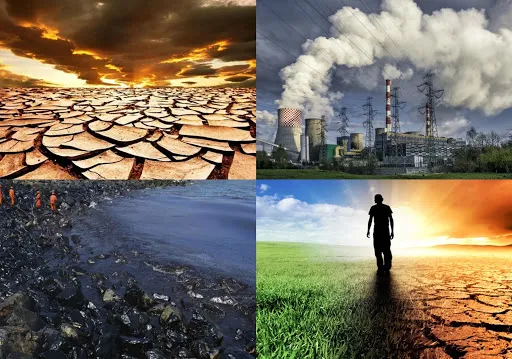
Environment and pollutions. Environmental contaminants are foreign materials that contaminate soil, water, and air, upsetting ecological equilibrium and endangering human health. They are mostly categorized as either natural events like volcanic ash and desert dust, or man-made (anthropogenic) emissions from factories, automobiles, and agriculture.
ENVIRONMENT AND POLLUTIONS
Environmental pollution is the term used to describe any undesired substance that is introduced into the environment as a result of human activities that negatively impacts the ecology and environment. Sewage water seeping into pure water sources like rivers, tanks, etc. is one example of water contamination.
What are Pollutants?
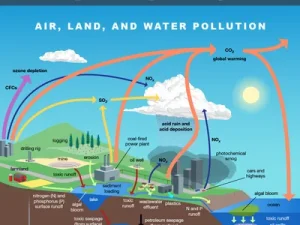
Pollutants are the various substances that contaminate the environment. Chemicals, biological materials, and physical objects that unintentionally enter the environment and endanger humans and other living things directly or indirectly are all considered pollutants.
Classification of the Pollution;
Primary Pollutants
They endure in the form that they are introduced to the environment, such as plastic and DDT.
Secondary Pollutants:
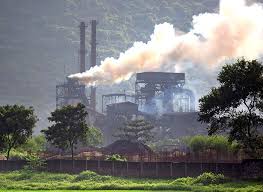
Environment and pollutions
Created by the primary pollutants interacting, such as when nitrogen oxides and hydrocarbons combine to form peroxyacetyl nitrate, or PAN.
Natural
Natural occurrences like volcanic eruptions, forest fires, grass fires, etc. emit these toxins.
Anthropogenic
These pollutants are emitted during human activity, such burning fossil fuels and producing CO2.
Effects of Environmental Pollution;
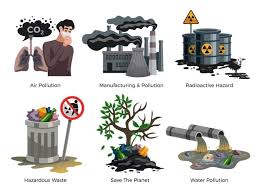
Environment and pollutions
The very elements that sustain life on Earth, such as the water and air we drink, to a greater extent, the ecosystems we depend on, are all impacted by pollution. it therefore presents a risk to earthly life. One of the biggest threats to human and other living things health is pollution. Even while it has an impact on society as a whole, it disproportionately impacts vulnerable groups including the impoverished, women, and children. Additional socio economic effects of pollution include forced migration brought on by water crises, reduced agricultural yield, and food insecurity.
Causes of Environmental Pollution;
The swift rise in human population has led to a multiplicity of anthropogenic activities. The majority of these activities alter the environment in a way that is undesirable.
Summary
Rapid urbanization has led to an increase in building activity recently. As a result, there are several ways in which this is causing environmental contamination, such as the production of waste and the release of dust into the atmosphere.
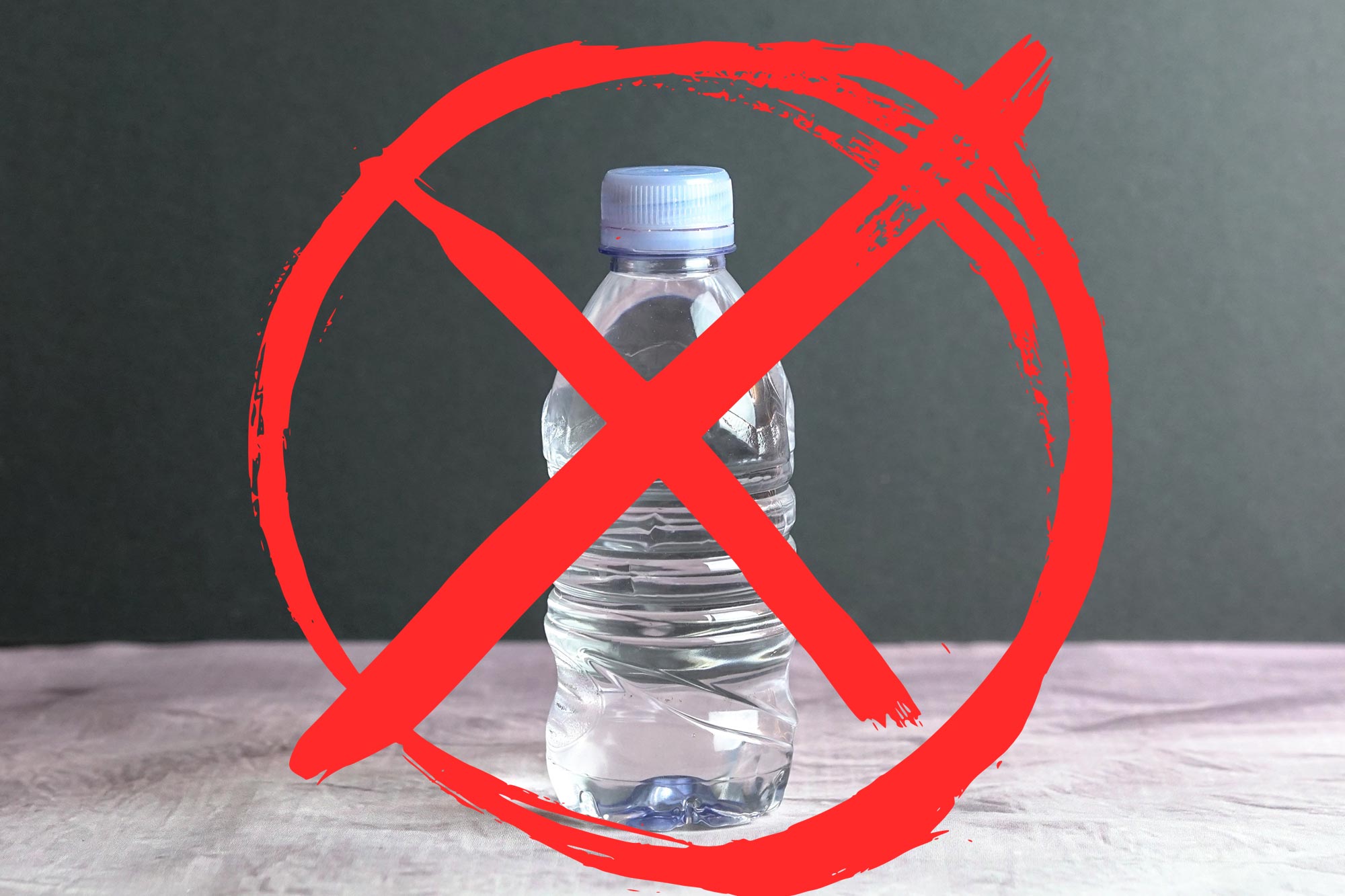
Plastic water bottle hazards. Although plastic water bottles are accessible and convenient, it is impossible to overlook the risks they pose. from health hazards and damage to marine life to chemical leaks and environmental contamination. Plastic bottles have detrimental repercussions that go well beyond their initial use. Reducing reliance on single-use plastics and choosing cleaner, more sustainable alternatives is essential to safeguarding both human health and the environment. like reusable water bottles made of glass or stainless steel. We can all contribute to building a healthier and more sustainable future by making thoughtful decisions that lessen plastic waste and encourage eco-friendly substitutes.c
PLASTIC WATER BOTTLE HAZARDS
Plastic water bottles have become ubiquitous in modern society, offering convenience and portability for staying hydrated on the go. However, the widespread use of plastic bottles comes with hidden dangers that can impact both human health and the environment. In this article, we’ll explore the harmful effects of using plastic water bottles and provide insights into safer and more sustainable alternatives.
1. Chemical Leaching:
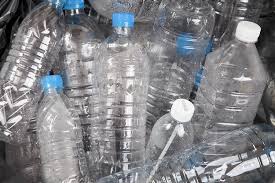
One of the primary concerns associated with plastic water bottles is the potential leaching of harmful chemicals into the water. Most plastic bottles are made from polyethylene terephthalate (PET) or polycarbonate, both of which can release chemicals like bisphenol A (BPA) and phthalates into the water, especially when exposed to heat or sunlight. These chemicals have been linked to various health issues, including hormonal disruption, reproductive problems, and increased risk of certain cancers.
2. Environmental Pollution:
The production, use, and disposal of plastic water bottles contribute significantly to environmental pollution. Plastic bottles are made from non-renewable fossil fuels, and their manufacturing process generates greenhouse gas emissions and toxic byproducts. Additionally, billions of plastic bottles end up in landfills or pollute oceans and waterways each year, posing serious threats to marine life and ecosystems.
3. Microplastics Contamination:
Plastic water bottle hazards
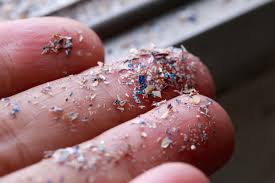
Over time, plastic water bottles can degrade and release microplastics into the water. Especially when exposed to heat or mechanical stress. These tiny plastic particles can leach harmful chemicals and contaminants, which may be ingested by humans and animals, leading to potential health risks. Microplastics have been found in drinking water sources worldwide, raising concerns about their long-term effects on human health.
4. Health Risks:
In addition to chemical leaching, plastic water bottles may harbor harmful bacteria and pathogens. Especially if they are reused without proper cleaning and sanitation. Studies have found that reusable plastic bottles can become breeding grounds for bacteria like E. coli and Salmonella, posing risks of foodborne illness and gastrointestinal infections.
5. Negative Impact on Marine Life:
Plastic water bottle hazards
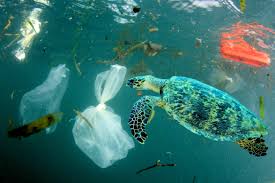
Plastic water bottles that end up in oceans and waterways pose serious threats to marine life. Marine animals can become entangled in plastic debris or ingest it, leading to injury, suffocation, and death. Additionally, the toxins released by plastic pollution can accumulate in the food chain. Potentially harming marine ecosystems and endangering human health through seafood consumption.
Summary
The leaching of endocrine-disrupting substances like BPA and phthalates, which are connected to cancer and infertility, is one of the major health and environmental risks associated with plastic water bottles. Up to 90,000 microplastic particles can be consumed annually as a result of daily use. Additionally, they negatively impact marine life by significantly contributing to environmental contamination.
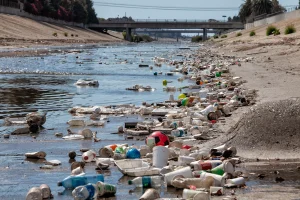
Meaning of water pollution. This is the term used to describe the contamination of a water source, typically as a result of industrial activity. The process known as “eutrophication” occurs when pollution and its aftereffects cause water to lose oxygen. Eutrophication, which is disastrous for aquatic life, is almost often the cause of dead rivers and ocean dead zones, where very little aquatic life may exist. This is being caused directly by contaminated water.
MEANING OF WATER POLLUTION
To happen to some of our most valuable and diverse marine area, rivers and lake, Industries including animal agriculture, textiles, fossil fuel extraction, and transportation employ harmful chemicals in their operations and permit contaminated waste water to flow off into nearby water sources, contaminating rivers, lakes, reservoirs, and seas.
CAUSES OF WATER POLLUTION
Water contamination is caused by a variety of enterprises and activities, some considerably more than others;
1) The clearing of forests;
MEANING OF WATER POLLUTION
The capacity of the land to retain water and retain topsoil is diminished when we clear trees from naturally wooded areas and convert them to livestock farms. Due to increased floods and runoff from agricultural areas into rivers and oceans, our water sources will be exposed to an increased amount of chemicals and animal waste.
2) ) Global Warming;
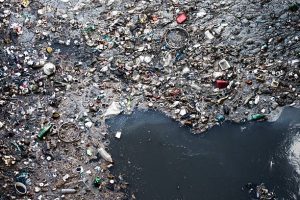
One of the most concerning impacts of global heating is ocean acidification. When our oceans warm by even 1-2 degrees celsius, the oxygen content reduces, which hugely decreases the oceans’ ability to cope with pollution. Warming also results in coral bleaching, which can happen extremely quickly, resulting in huge numbers of fish species dying in a short period of time, causing increased water pollution.
3) Plastic Waste;
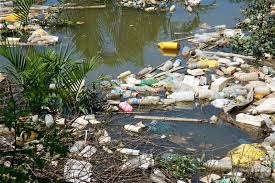
its a common Knowledge that plastic waste ends up in our rivers and seas. However, fishing gear rather than straws, plastics bottles, or any other single use item is the real cause of the majority of the plastic pollution in our oceans
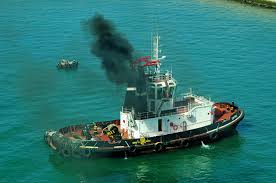
4) Transportation of ships;
MEANING OF WATER POLLUTION
Summary
Contamination of water bodies that negatively affects their uses is known as water pollution (or aquatic pollution). Usually, human activity is to blame. Lakes, rivers, seas, aquifers, reservoirs, and groundwater are examples of water bodies. When pollutants come into contact with these bodies of water, pollution occurs.
Foods Rich in Zinc

Appetite Enhancement Tips

Nutritional Value of Rolled Oats

A Step-by-Step Guide to Deleting Reels on Instagram

A Comprehensive Guide to Setting Up a YouTube Premiere

How to Create a WhatsApp Group
-

 Health4 weeks ago
Harmful side effects of earphones
-

 Self esteem4 weeks ago
Tips for self esteem improvement
-

 Exercise4 weeks ago
Regular physical activities importance
-

 Business3 weeks ago
Local business promotion
-

 Health4 weeks ago
Headphones safety tips
-

 Entertainment3 weeks ago
Women and British dance music
Pingback: The Hidden Dangers of Plastic Plates - SimplExplainer