Uncategorized
The Relevance of Stress Test

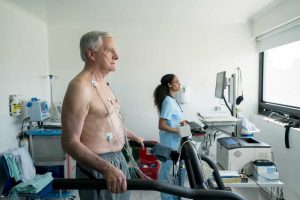

The relevance of stress test. In order to ensure resilience and prevent catastrophic failures by pushing beyond normal limits to find breaking points, stress tests are essential for evaluating how systems (like the heart or financial institutions) perform under pressure, identifying vulnerabilities, diagnosing issues (like coronary artery disease), assessing the efficacy of treatment, and directing future decisions. In banking, they monitor bank stability during recessions; in health, they monitor cardiac function during physical activity.
THE RELEVANCE OF STRESS TEST
With options for imaging (echo, nuclear) for detailed views, a stress test, most commonly a cardiac stress test, assesses your heart’s function under physical exertion (treadmill/bike) or medication, monitoring heart rate, blood pressure, and ECG to check blood flow, detect blockages (like in coronary artery disease), or assess arrhythmias. It helps determine safe exercise levels and heart health. It is used in finance to test the resilience of institutions by simulating economic crises.

The relevance of stress test
A Stress Test, also known as an exercise stress test or treadmill test, is a medical examination used to evaluate how well the heart functions under physical exertion. This test is commonly used to diagnose heart conditions, assess exercise tolerance. And monitor the effectiveness of treatment in patients with known heart issues.
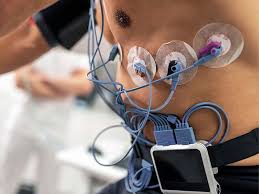
During a stress tests, the patient is typically asked to walk on a treadmill or pedal a stationary bike. Gradually increasing the intensity of the exercise. While the patient exercises, their heart rate, blood pressure, and breathing are closely monitored. At the same time, an electrocardiogram (ECG) records the heart’s electrical activity. In some cases, imaging tests like echocardiography or nuclear imaging are also used in conjunction to provide detailed views of the heart’s structure and function.
Why Stress Test?


The relevance of stress test
The goal of the stress test is to make the heart work harder and pump faster. Which can reveal problems that might not be visible when the heart is at rest. For instance, it can help identify areas of the heart muscle that are not receiving enough blood flow due to blocked or narrowed arteries. A condition known as coronary artery disease. It can also help detect arrhythmias, or irregular heartbeats, that may only occur during physical exertion.


The relevance of stress test
Stress tests are valuable in diagnosing and managing heart conditions. They help determine the appropriate level of physical activity for a patient, guide treatment decisions, and assess the risk of future heart-related events.
Summary
In conclusion, a stress test is an essential cardiology technique that assesses how well the heart functions under pressure. supplying crucial data for the diagnosis and management of cardiac disorders.