Health
Tips for Addressing Hypoglycemia

Tips for addressing hypoglycemia. Maintaining general health and avoiding hypoglycemia-related problems depend on identifying and treating it. See a healthcare provider for individualized advice and direction if you frequently have low blood sugar episodes or are worried about your health. People can effectively control and handle blood sugar levels, improving their well-being and peace of mind, by being proactive and prepared.
TIPS FOR ADDRESSING HYPOGLYCEMIA
Hypoglycemia, or low blood sugar, When blood glucose levels fall below the typical range, it is referred to as a low sugar level. Understanding the origins, symptoms, and proper reactions to low blood sugar is essential whether you’re managing diabetes or just trying to maintain general health. The causes of low blood sugar, possible symptoms, and useful methods for treating hypoglycemia will all be covered in this article.
Causes:
1. Skipping Meals;


: Going without food for an extended period or delaying meals can lead to a drop in blood sugar levels.
2. Excessive Physical Activity:
Intense or prolonged exercise without adequate carbohydrate intake can contribute to hypoglycemia.
3. Too Much Insulin:


Overdosing on insulin or certain medications intended to lower the level of sugar can result in hypoglycemia.
4. Alcohol Consumption:
Drinking alcohol, especially on an empty stomach, can lead to a drop in sugar levels.
5. Medical Conditions:
Certain medical conditions or hormonal imbalances may contribute to hypoglycemia
Symptoms:
1. Shakiness or Trembling:
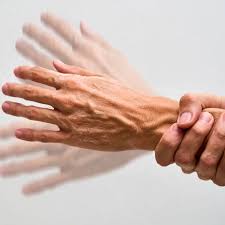

Feeling shaky or having tremors is a common symptom of low blood sugar.
2. Sweating:
Experiencing excessive sweating, even when not engaged in physical activity.
3. Irritability or Mood Swings:


Sudden changes in mood, including irritability or anxiety.
4. Confusion:
Difficulty concentrating, confusion, or feeling disoriented.
5. Hunger:


TIPS FOR ADDRESSING HYPOGLYCEMIA
Intense hunger, often accompanied by a feeling of weakness.
6. Pale Skin: Skin may appear pale, and there may be a noticeable change in complexion.
How to Address Low Blood Sugar:
1. Consume Fast-Acting Carbs:
Eat or drink a quick source of glucose, such as fruit juice, a glucose gel, or a few pieces of hard candy.
2. Follow with a Balanced Snack:


TIPS FOR ADDRESSING HYPOGLYCEMIA
After addressing the immediate need for glucose, consume a snack that includes a combination of carbohydrates and protein to help stabilize blood sugar levels.
3. Regular Monitoring:
Individuals with diabetes should regularly monitor their blood sugar levels and follow the guidance of healthcare professionals to prevent hypoglycemia.
4. Carry Emergency Supplies:


TIPS FOR ADDRESSING HYPOGLYCEMIA
Carry a source of fast-acting glucose, like glucose tablets or gel, for situations where blood sugar levels drop unexpectedly
5. Inform Others:
Make those around you aware of your condition, especially if you’re prone to hypoglycemia, so they can assist in case of an emergency. Stay tuned for more updates.
Summary
People with diabetes are frequently affected by hypoglycemia, a disease in which blood sugar (glucose) falls below 70 mg/dL (3.9 mmol/L). Shakiness, lightheadedness, perspiration, and disorientation are among the symptoms. Usually, excessive insulin, missing meals, or vigorous exercise are the causes. Consuming 15–20 grams of fast-acting carbs is part of the immediate treatment.