
Health
Tips for swallowing difficulty


Tips for swallowing difficulty. For an accurate diagnosis and suitable treatment, it is crucial to comprehend the several circumstances that might lead to swallowing issues. Treatment options may include dietary adjustments, swallowing therapy, medication, surgery, or lifestyle changes, depending on the underlying reason. For those with dysphagia, early detection and treatment can improve swallowing function and improve quality of life.
TIPS FOR SWALLOWING DIFFICULTY
The feeling of food or drink sticking in the throat or chest is known as dysphagia (difficulty swallowing), and it frequently results in pain, coughing, or choking. Esophageal strictures, Parkinson’s disease, stroke, and neurodegenerative illnesses are common causes. Swallowing therapy, dietary modifications (softer foods, thicker liquids), and treating underlying problems are common components of treatment.
1. Neurological Conditions:

Neurological disorders affecting the brain or nerves involved in swallowing can lead to dysphagia. Conditions such as stroke, Parkinson’s disease, multiple sclerosis, amyotrophic lateral sclerosis (ALS), and dementia can impair the coordination of swallowing muscles and disrupt the swallowing reflex.
2. Structural Abnormalities:
Structural abnormalities or anatomical defects in the mouth, throat, or esophagus can cause swallowing difficulties. Examples include cleft palate, enlarged tonsils or adenoids, tumors or growths in the throat or esophagus, and narrowing of the esophagus (esophageal stricture).
3. Gastroesophageal Reflux Disease:
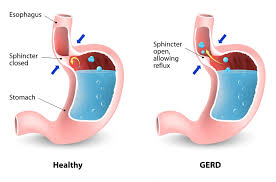
GERD is a digestive disorder characterized by the backflow of stomach acid into the esophagus, causing irritation and inflammation of the esophageal lining. Chronic GERD can lead to esophageal narrowing, scarring, and difficulty swallowing (dysphagia).
4. Muscle Weakness or Dysfunction:
Weakness or dysfunction of the muscles involved in swallowing (such as the tongue, throat, and esophagus) can result in dysphagia. Muscle weakness may be caused by conditions such as myasthenia gravis, muscular dystrophy, or aging-related muscle loss (sarcopenia).
5. Esophageal Motility Disorders:
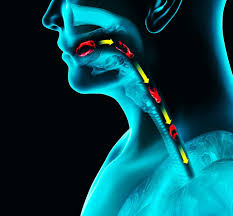
Disorders that affect the motility or movement of the esophagus can cause swallowing difficulties. Examples include achalasia (a condition characterized by impaired esophageal muscle relaxation) and esophageal spasm (abnormal contractions of the esophageal muscles).
6. Side Effects of Medications:
Certain medications, particularly those that affect muscle function or cause dry mouth, can contribute to swallowing difficulties. Examples include muscle relaxants, anticholinergic drugs, and medications used to treat psychiatric disorders.
7. Radiation Therapy and Surgery:

Tips for swallowing difficulty
Radiation therapy and surgical procedures involving the head, neck, or chest can cause scarring, inflammation, or damage to the structures involved in swallowing, leading to dysphagia as a side effect of treatment.
8. Psychological Factors:
Psychological factors such as anxiety, depression, or fear of choking can also contribute to swallowing difficulties, particularly in individuals with psychogenic dysphagia.
9. Age-Related Changes:

Tips for swallowing difficulty
Aging is associated with changes in swallowing function, including decreased muscle strength and coordination, reduced saliva production, and changes in the structure of the throat and esophagus. These age-related changes can contribute to swallowing difficulties in older adults
10. Dental Problems:
Dental issues such as missing teeth, ill-fitting dentures, or oral infections can affect chewing and swallowing, leading to dysphagia. Poor dental hygiene and untreated dental problems can exacerbate swallowing difficulties.
14. Trauma or Injury:

Tips for swallowing difficulty
Trauma or injury to the head, neck, or chest can damage structures involved in swallowing, leading to temporary or permanent dysphagia. Traumatic brain injury, spinal cord injury, or injuries resulting from accidents or surgery may affect swallowing function..
Summary
People of all ages might experience dysphagia, or difficulty swallowing, for a variety of reasons. A person’s capacity to safely eat, drink, and swallow can be affected by dysphagia, which can range from minor discomfort to significant disability. Accurate diagnosis and successful treatment of swallowing difficulties depend on an understanding of the common causes.

Salt water gargle and soothing relief. Gargling with warm saltwater is an easy and affordable way to treat a variety of throat conditions. You can make and utilize a warm saltwater gargle to relieve pain, lessen inflammation, and aid in healing by following the simple instructions provided in this article. For a natural and efficient way to maintain throat health, include this tried-and-true solution in your self-care regimen.
SALT WATER GARGLE AND SOOTHING RELIEF
A straightforward yet efficient treatment for a range of throat conditions, from mild oral infections to sore throats, is a warm saltwater gargle. By lowering inflammation, eliminating bacteria, and releasing mucus, this traditional treatment can offer immediate relief. We’ll look at how to make and use a warm saltwater gargle for calming relief in this article.
Ingredients:
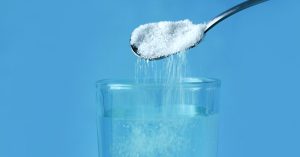
– Warm water
– Salt
Instructions:
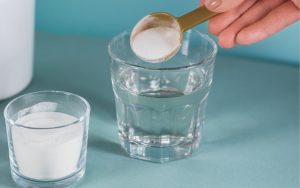
1. Start by boiling water to ensure its purity. Let it cool slightly until it’s comfortably warm to the touch but not scalding hot. Hot water can cause burns, so it’s essential to test the temperature before use.
2. Measure out approximately one cup (8 ounces) of warm water. This amount is sufficient for a single gargle session.
3. Add salt to the warm water. The ideal ratio is about 1 teaspoon of salt per cup of water. This concentration helps create an isotonic solution, which means it matches the salt concentration inside your cells and won’t cause irritation.
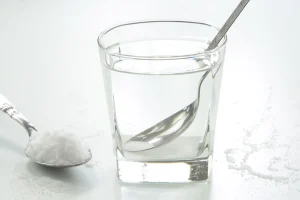
4. Stir the mixture until the salt is completely dissolved. This ensures an even distribution of salt throughout the water.
5. Once the salt is dissolved, the warm saltwater gargle solution is ready for use.
How to Use Warm Saltwater Gargle:
1. Take a small sip of the warm saltwater solution and tilt your head back slightly.
2. Gargle the solution in the back of your throat for about 30 seconds to one minute. Make sure to swish it around your mouth and throat thoroughly.
3. Spit out the saltwater solution into the sink. Do not swallow it, as it may contain bacteria and debris from your throat.
4. Repeat the gargling process with the remaining solution if needed.
5. For optimal results, gargle with warm saltwater several times a day, especially when experiencing throat discomfort or irritation.
Benefits of Warm Saltwater Gargle:
– Reduces inflammation: Saltwater helps to soothe inflamed tissues in the throat, providing relief from soreness and discomfort.
– Kills bacteria: The saline environment created by saltwater gargle can help kill bacteria and viruses, reducing the risk of infection.

Salt water gargle and soothing relief
– Loosens mucus: Gargling with warm saltwater can help loosen mucus and phlegm, making it easier to expel from the throat and nasal passages.
– Promotes healing: Saltwater gargle can aid in the healing process of minor mouth irritations, such as canker sores and gum inflammation.
Precautions:

Salt water gargle and soothing relief
– Avoid using excessively hot water, as it can cause burns to the mouth and throat.
– Do not swallow the saltwater solution, as it may contain bacteria and debris from your throat.
– If you have high blood pressure or other medical conditions, consult with your healthcare provider before using saltwater gargle regularly.
Summary
A salt water gargle is a cheap, safe, and very efficient home cure for alleviating oral discomfort, lowering inflammation, and soothing a sore throat. Through a process known as osmosis, the salt extracts fluids from inflammatory tissues and forms a barrier that keeps water and dangerous germs out.

Relevance of urinating after sex. Even if it could appear to be a small part of the post-coital routine. A basic yet essential practice that can have a big impact on urogenital health is urinating after sex. by pausing after intercourse to relieve the bladder. urine tract infections, various genital infections, and urine health can all be prevented by individuals. Therefore, keep in mind the significance of putting your health and wellbeing first the next time you’re tempted to omit this step.
RELEVANCE OF URINATING AFTER SEX
It’s common to desire to just curl up or go to sleep after having intimate sex. Urinating, however, is an essential action that is frequently disregarded. Urinating after sex is crucial, even if it may not seem like a glamorous subject. One’s health and well-being can be greatly impacted by this straightforward yet important habit.
The importance;

Relevance of urinating after sex
First and foremost, urinating after sex helps to prevent urinary tract infections (UTIs). During intercourse, bacteria from the genital area can be pushed into the urethra. If not flushed out promptly, these bacteria can multiply and lead to an infection. By urinating after sex, one can effectively expel any bacteria that may have entered the urinary tract, reducing the risk of developing a UTI.
Moreover, urinating after sex can also help to prevent other genital infections. For individuals with vaginas, emptying the bladder after intercourse can help to flush out any potential irritants or pathogens that may have been introduced during sex, reducing the likelihood of developing conditions such as bacterial vaginosis or yeast infections.
For those with penises, urinating after sex can help to clear the urethra of any residual semen or bacteria, decreasing the risk of urethritis or other infections.

Relevance of urinating after sex
In addition to reducing the risk of infections, urinating after sex can also promote overall urinary health. Holding urine in the bladder for an extended period can increase the likelihood of developing urinary retention or bladder issues. By emptying the bladder after intercourse, one can help maintain proper urinary function and prevent discomfort or complications down the line.
Note the following;
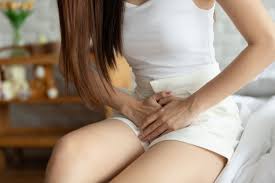
It’s important to note that while urinating after sex is crucial for maintaining urogenital health. It’s not a foolproof method of preventing infections or other complications. Practicing good hygiene, using protection during intercourse, and seeking medical attention if experiencing symptoms of infection are all important aspects of sexual health.
Summary
In order to eliminate bacteria from the urethra and lower the risk of urinary tract infections (UTIs), it is advised that people with vaginas urinate after sexual activity. It does not prevent pregnancy or sexually transmitted infections (STIs), although it works best when done within around 30 minutes.
Energy and muscle building tips. Maintaining energy levels, muscle growth, and general performance all depend on proper diet. You can feed your body efficiently and get the most out of your workouts by making protein a priority, eating complex carbs, and include healthy fats in your diet. To make sure you’re getting enough nutrients, keep your attention on entire, nutrient-dense foods and pay attention to your body’s hunger and satiety signals. You’ll be well on your way to reaching your fitness objectives and developing a robust, healthy physique with the correct mix of nutrients and regularity in your diet.
ENERGY AND MUSCLE BUILDING TIPS
It takes more than just going to the gym on a regular basis to reach your fitness objectives. A healthy diet is essential for maintaining energy levels, muscle growth, and general performance. Including the correct nutrients in your diet is crucial if you want to gain muscle mass or enhance your athletic performance. We’ll look at three important dietary strategies to efficiently boost energy and gain muscle in this post.
1. Prioritize Protein Intake;

Protein is often hailed as the cornerstone of muscle building, and for a good reason. It provides the essential amino acids necessary for muscle repair, growth, and maintenance. To optimize muscle growth and recovery, aim to include a source of protein in every meal and snack throughout the day. Lean protein sources such as chicken breast, turkey, fish, eggs, tofu, and legumes are excellent choices. Additionally, consider incorporating protein-rich snacks like Greek yogurt, cottage cheese, or protein shakes to fuel your muscles between meals.
2. Consume Complex Carbohydrates;
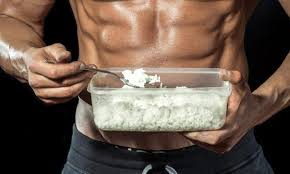
Carbohydrates are the body’s primary source of energy, making them essential for fueling workouts and supporting muscle glycogen replenishment. However, not all carbohydrates are created equal. Focus on incorporating complex carbohydrates into your diet, which provide sustained energy without causing blood sugar spikes and crashes. Whole grains like quinoa, brown rice, oats, and whole wheat bread are excellent choices. Additionally, include plenty of fruits, vegetables, and legumes, which provide fiber, vitamins, minerals, and antioxidants that support overall health and muscle function.
3. Don’t Forget Healthy Fats;

Energy and muscle building tips
While protein and carbohydrates often take center stage in muscle-building diets, healthy fats are equally important for supporting energy levels and overall health. Incorporate sources of healthy fats such as avocados, nuts, seeds, olive oil, and fatty fish like salmon into your meals. These fats provide essential fatty acids that support hormone production, joint health, and nutrient absorption. Including a moderate amount of healthy fats in your diet can help optimize energy levels, promote muscle growth, and support overall well-being.
Summary
Focus on progressive resistance exercise (2–3 times per week) together with a small calorie surplus (100–300 over maintenance) and a high protein intake (per kg of body weight) to gain muscle and boost energy. Consume meals high in nutrients, such as eggs, salmon, and oats, and make getting seven to nine hours of sleep a priority for healing.

Leaning tower of pisa

Tips for removing pimples

Countries and vacations

A Step-by-Step Guide to Deleting Reels on Instagram

A Comprehensive Guide to Setting Up a YouTube Premiere

How to Create a WhatsApp Group
-

 Social media4 weeks ago
How to Delete Reels on IG
-

 Photography3 weeks ago
Photography and Outdoors
-

 Music3 weeks ago
Lyrics for Iké Nilé
-

 Social media3 weeks ago
Tips for likes and Followers on Facebook
-

 Social media4 weeks ago
Guidelines for Uploading Videos on Youtube
-
 Social media3 weeks ago
Guidelines for Creating a Facebook Page