Face hygiene
Treatment for facial drooping

Treatment for facial drooping. There are several reasons why people droop their faces. ranging from transient ailments like Bell’s palsy to more severe underlying medical diseases like neurological disorders or stroke. Effective management of face drooping requires prompt diagnosis and proper therapy, regardless of the underlying reason. People with facial drooping can frequently see a major improvement in their condition with the right medical attention and assistance. and recover self-assurance in their appearance and day-to-day activities.
TREATMENT FOR FACIAL DROOPING
Loss of voluntary muscle control in one or both sides of the face is the hallmark of this illness, which is sometimes referred to as facial paralysis or facial weakness. It can be a distressing event that affects one’s looks, self-esteem, and even everyday activities like speaking and eating. For an accurate diagnosis and course of therapy, it is essential to comprehend the causes of face drooping.
Here are some common factors that can lead to facial drooping:
1. Bell’s Palsy:


Bell’s Palsy is one of the most common causes of facial drooping. It occurs when the facial nerve, which controls the muscles on one side of the face, becomes swollen or inflamed. Resulting in sudden weakness or paralysis. The exact cause of Bell’s Palsy is not always clear, but viral infections, such as the herpes simplex virus, are believed to play a role.
2. Stroke: A stroke, which occurs when blood flow to the brain is disrupted, can also cause facial drooping. In this case, the drooping typically occurs on one side of the face and may be accompanied by other symptoms such as weakness or numbness on one side of the body, difficulty speaking, and confusion.
3. Trauma or Injury:


Trauma or injury to the face or head, such as a car accident, fall, or surgical procedure, can damage the facial nerves and lead to temporary or permanent facial drooping.
4. Infections: Certain infections, including Lyme disease, HIV, and herpes zoster (shingles), can affect the facial nerves and result in facial drooping.
5. Tumors: Tumors, both benign and malignant, that develop in or around the brain or facial nerves can exert pressure on the nerves and cause face drooping as a symptom.
6. Neurological Disorders:
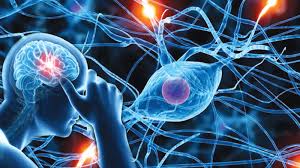

Various neurological disorders, such as multiple sclerosis, Guillain-Barré syndrome, and Moebius syndrome, can affect nerve function and lead to facial drooping.
7. Congenital Conditions: Some individuals may be born with congenital conditions that affect facial nerve function, resulting in facial drooping from birth or early childhood.
While face drooping can be concerning, there are treatment options available depending on the underlying cause. These may include:
– Medication:


Treatment for facial drooping
In cases of Bell’s Palsy or certain infections, medication such as corticosteroids or antiviral drugs may be prescribed to reduce inflammation and speed up recovery.
– Physical Therapy: Physical therapy exercises and techniques can help strengthen facial muscles and improve muscle control and coordination.
– Surgery: In some cases, surgery may be necessary to relieve pressure on the facial nerves or to repair nerve damage.
– Botulinum Toxin (Botox) Injections:

Treatment for facial drooping
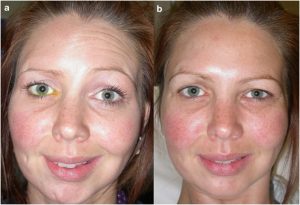
Botox injections can be used to temporarily paralyze specific facial muscles. Helping to reduce the appearance of asymmetry caused by facial drooping. By targeting the overactive muscles on the unaffected side of the face. Botox injections can help create a more balanced and symmetrical appearance.
– Nerve Stimulation: Techniques such as electrical stimulation or biofeedback may be used to help retrain the facial muscles and improve nerve function.
– Supportive Measures: Using techniques such as facial taping or wearing a splint at night can help support the affected side of the face and prevent further drooping.
– Emotional Support:

Treatment for facial drooping
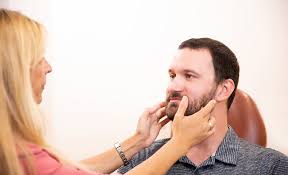
Dealing with facial drooping can take an emotional toll, affecting self-esteem and confidence. Seeking support from loved ones, joining support groups, or talking to a therapist can help individuals cope with the psychological impact of facial paralysis.
It’s essential for individuals experiencing face drooping to seek medical attention promptly for an accurate diagnosis and appropriate treatment. Early intervention can help improve outcomes and prevent complications. Additionally, practicing good overall health habits, such as managing stress. Also getting enough sleep, and maintaining a healthy diet, can support the body’s natural healing processes.
Summary
In order to minimize nerve swelling, early management with corticosteroids (such as prednisone) should ideally begin within 72 hours. Antiviral drugs, lubricating eye drops or patches, physical therapy (neuromuscular retraining), and occasionally Botox to control muscle spasms or involuntary movements are further treatments.