Skin health
Treatment of Blisters


TREATMENT OF BLISTERS
Treatment of blisters. Blisters are painful skin conditions caused by fluid filling in the spaces between skin layers. They develop when something continually presses against your skin, such as tight shoes. You can easily treat these fluid-filled bubbles at home, but they are a pain. The epidermis, dermis, and subcutaneous (under the skin) fat are the three layers that make up your skin. A blister is a fluid-filled sac that develops beneath the epidermis.
TREATMENT OF BLISTERS
Usually, it contains either blood or a clear liquid, depending on the type of accident that caused the skin damage. Itchy or painful blisters are possible. A blister will fill with milky-white pus if it becomes infected. Although they can develop anywhere on the body, blisters most frequently arise on the hands or feet.
Types
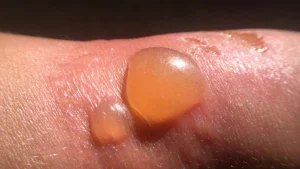

Blisters can occur from a variety of causes, including certain illnesses. The following are the most typical kinds of blisters:
Blood blisters
When your skin is pinched, you may develop blood blisters. Broken blood vessels and injury to the lower layers of the skin cause blood to flood the area instead of clear fluids. A blister is created as the blood pools.
Friction blisters: These are brought on by rubbing on the skin and develop when a clear fluid accumulates in the epidermis’ outermost layers. Walking too much in shoes that don’t fit well or without wearing socks can cause friction blisters in many people. Additionally, you can get them on your hands from gripping tools like shovels.
Heat blisters: burns or sunburn can cause these blisters. They might also appear after recovering from frostbite. A second-degree burn includes blistering skin.
Treatment
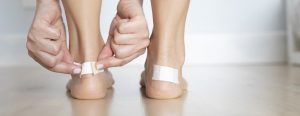

In most cases, blisters go away on their own in a few days. To make them more comfortable, you can perform the following at home:
Use a light soap to gently wash the area.
Put on antibiotic ointment or cream.
Use gauze or a bandage to cover the blister.
Ensure that the bandage is changed at least once every day. Additionally, avoid the urge to burst, pop, or peel off a blister. Deeper skin layers are shielded from infection by the blister’s skin.
Prevention


Verify that your shoes fit properly and don’t rub.
New shoes should be broken in before being worn for long periods of time.
If a lot of manual labor is in your future, put on gloves to protect your hands.
To avoid chafing, which can result in blisters on other areas of your body, wear clothing that fits properly.
When utilizing tools or objects that have the potential to pinch, be mindful.
When handling strong pliers, pruners, or other tight spaces, put on gloves.
If you intend to spend a lot of time in the sun, apply sunscreen.
When working near a fire or handling hot objects, exercise extreme caution.
To prevent frostbite, dress appropriately for the weather. Use lukewarm water to gradually increase your body temperature if you experience frostbite.
Summary
Although blisters are rather common, this doesn’t lessen how painful they are. Blisters may be quite annoying for runners, hikers, and anybody else who spends a lot of time on their feet. It should heal itself in a few days if you have a blister. Consult your doctor if your blister seems infected.