Eyes health
Understanding Glaucoma: The Silent Thief of Sight

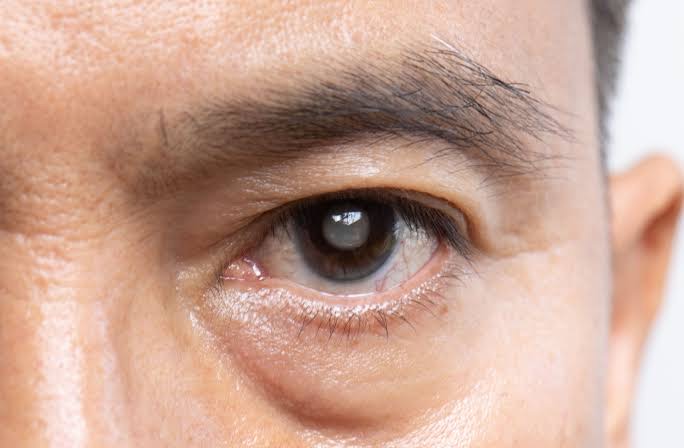
Glaucoma, often termed the “silent thief of sight,” is a group of eye diseases that progressively damage the optic nerve, which is crucial for vision. This condition is one of the leading causes of irreversible blindness worldwide, affecting millions, particularly those over the age of 60. What makes glaucoma particularly dangerous is its stealthy nature — most people do not notice any symptoms until significant vision loss has occurred.
Types of Glaucoma
There are two main types of glaucoma: primary open-angle type and angle-closure type.
– Primary Open-Angle type: This is the most common form and develops slowly, often without any early warning signs. By the time vision changes are noticeable, irreversible damage has usually already taken place.
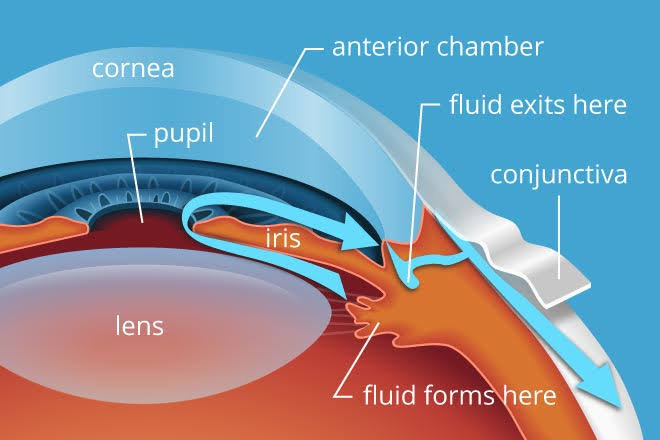
– Angle-Closure type: This type can develop suddenly and is considered a medical emergency that demands immediate attention. Symptoms may include severe eye pain, nausea, blurred vision, and seeing halos around lights.

Causes and Risk Factors
The exact cause of glaucoma is not always clear, but it is often linked to increased pressure within the eye, known as intraocular pressure (IOP). This elevated pressure can damage the optic nerve over time. Key risk factors include:
– Family history of glaucoma
– Age (more common in people over 60)
– High eye pressure
– Ethnic background (African, Hispanic, and Asian populations have higher risks)
– Conditions like diabetes
The Importance of Early Detection
Early detection through routine eye exams is crucial for preventing glaucoma-related blindness. Comprehensive eye tests, including measuring eye pressure and examining the optic nerve, can help identify the condition before significant damage occurs.
Treatment Options
Treatments range from prescription eye drops to laser therapy and surgery. These methods aim to reduce eye pressure and preserve the remaining vision.
Glaucoma may be silent, but with proactive care, it doesn’t have to be devastating. Regular check-ups and awareness are key to maintaining healthy eyesight for years to come.


Tips for healthy eye lashes. To maintain healthy lashes, gently remove makeup with an oil-based remover, nourish with a diet high in vitamins, omega-3 fatty acids, lash serums, or natural oils (coconut, castor), brush every day with a clean spoolie, refrain from harsh rubbing, take breaks from waterproof mascara and extensions, and drink plenty of water.
TIPS FOR HEALTHY EYE LASHES
In addition to enhancing your eyes, healthy, lush lashes shield them from perspiration, dust, and dirt. To keep your lashes strong and avoid breakage, it is essential to maintain their health. These are some crucial pointers to maintain the health and beauty of your lashes.
1. Remove Makeup Gently;

TIPS FOR HEALTHY EYE LASHES
One of the most important steps in eyelashes care is removing makeup, especially mascara, at the end of the day. Use a gentle eye makeup remover or micellar water, and avoid rubbing or tugging at your lashes. Patience is key—let the remover soak in for a few seconds to dissolve the makeup, then gently wipe it away.
2. Avoid Using Expired Products
Using old or expired eye makeup, particularly mascara, can lead to infections that damage your lashes. Replace your mascara every three months to ensure it’s safe and effective. Always avoid sharing eye makeup with others to reduce the risk of cross-contamination.
3. Moisturize Your Lashes;

TIPS FOR HEALTHY EYE LASHES
Just like your skin and hair, your lashes need moisture to stay healthy. Applying a small amount of natural oils like castor oil, coconut oil, or olive oil to your lashes before bed can nourish and strengthen them. These oils are rich in vitamins and fatty acids that condition your lashes and promote growth.
4. Be Mindful of Your Diet;
A balanced diet that includes vitamins and minerals essential for hair health, like biotin, vitamin E, and omega-3 fatty acids, can help keep your lashes strong. Foods like salmon, eggs, nuts, and leafy greens are excellent choices for supporting lash health from within.
5. Use a Lash Serum;

TIPS FOR HEALTHY EYE LASHES
If you’re looking for an extra boost, consider using a lash serum. Many over-the-counter serums contain ingredients like peptides, biotin, and panthenol, which can help strengthen lashes and encourage growth. Consistent application is key to seeing results, so be sure to follow the instructions.
6. Be Gentle with Your Lashes;

Rubbing your eyes, curling your lashes too often, or using harsh eyelash extensions can lead to breakage and loss of lashes. When using an eyelash curler, make sure to do so gently and avoid tugging. If you use eyelash extensions, give your natural lashes a break between applications to avoid damage.
7. Protect Your Lashes from the Elements
Just like your skin, your lashes can be affected by environmental factors like sun exposure and pollution. Wearing sunglasses when outdoors can help protect your lashes from UV rays and dust, keeping them healthy and reducing the risk of breakage.
8. Regularly Clean Your Eyelash Tools;
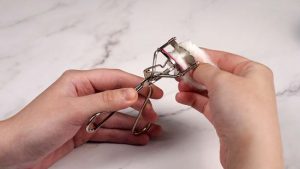
Eyelash curlers and mascara wands can harbor bacteria if not cleaned regularly. Make it a habit to sanitize these tools to prevent infections that could harm your lashes. A quick wipe with rubbing alcohol can do the trick.
Summary
You can keep your eyelashes strong, healthy, and attractive by implementing these easy yet powerful suggestions into your cosmetic regimen. Your lashes will continue to flawlessly frame your eyes and accentuate your inherent beauty with a little maintenance.
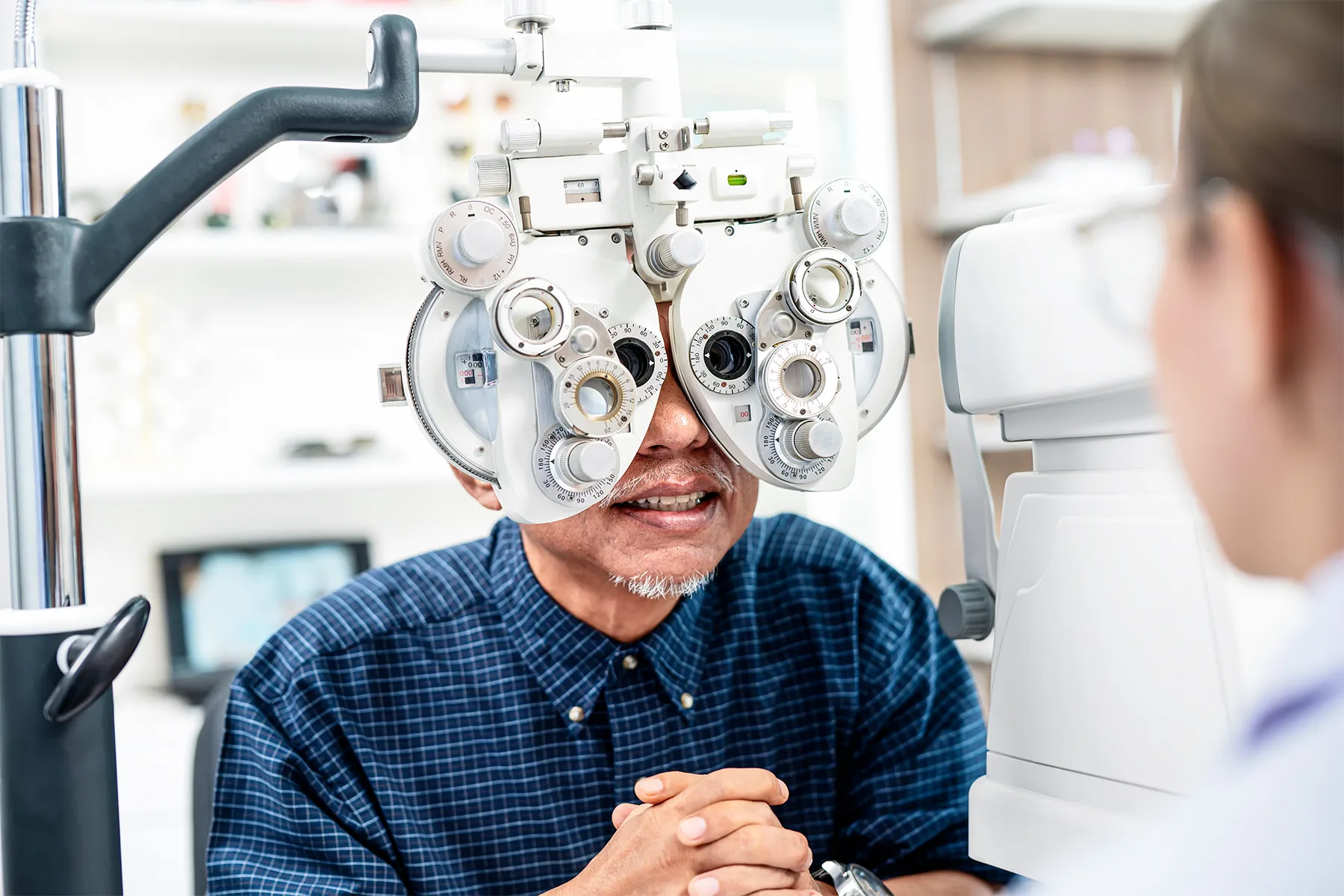

Tips for eye health care. Get regular eye exams, wear protective eyewear and UV-blocking sunglasses, eat a diet high in berries, fish, and leafy greens, drink plenty of water, follow the 20-20-20 rule for screen time, manage chronic conditions like diabetes, and abstain from smoking to prevent problems like cataracts and macular degeneration. Maintaining healthy vision also requires optimal lighting, adequate sleep, and good cleanliness.
TIPS FOR EYE HEALTH CARE
People’s quality of life is significantly impacted by vision impairment or degeneration. You should always remember that maintaining eye health and preventing potential disorders are healthy lifestyle habits. Given how much time is spent in front of screens in today’s world, taking care of one’s eyes is very crucial. You may prolong the health of your eyes by adopting these easy behaviors.
How to Ensure Good Eye Health;
Never undervalue the use of your sight. To maintain healthy eyesight, follow these simple measures;
1. Consume healthfully:

What’s on your plate is the first step toward good eye health. Omega-3 fatty acids, zinc, lutein, and vitamins C and E are among the nutrients that may help prevent age-related vision issues like cataracts and macular degeneration. Once you have them, top your platter with them. Maintaining a healthy weight is facilitated by eating a well-balanced diet.
2. Give Up Smoking:

TIPS FOR EYE HEALTH CARE
Among many other health issues, it increases the risk of cataracts and visual nerve damage. If you’ve already attempted to break the habit but gave up, persevere. Your chances of success increase with the number of attempts you make to give up. Consult your physician for assistance.
3. Put on some sunglasses:

TIPS FOR EYE HEALTH CARE
Your eyes can be shielded from the sun’s ultraviolet rays by wearing the appropriate sunglasses. An excessive amount of UV exposure increases the risk of macular degeneration and cataracts.
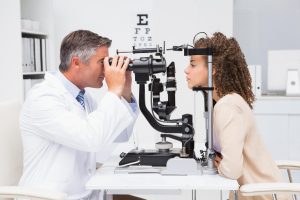
TIPS FOR EYE HEALTH CARE
Select a pair that provides 99% to 100% UVA and UVB ray blocking. Your eyes are better shielded from the side by wraparound lenses. While driving, polarized glasses lessen glare, but they may not provide any additional protection.
4. However, put on safety glasses: Wear safety glasses or protective eyewear if you work with or are around dangerous or airborne items.
How to Ensure Eye Health Care;
Meanwhile, ocular injuries can also result from sports including lacrosse, racquetball, and ice hockey. Put on safety goggles. Your eyes will be protected by sports goggles with polycarbonate lenses or helmets with face masks.
5. Also, avert Your Gaze From the Computer Display:
Too much time spent staring at a phone or computer screen might lead to eye fatigue and blurry vision. Zilpah Sheikh, MD , Global Health Commission on Global Eye Health
Summary
How to guarantee eye health care. The condition of ocular eyesight is known as eye health care. Maximizing health and functional capacity promotes general health and well-being, social inclusion, and quality of life.
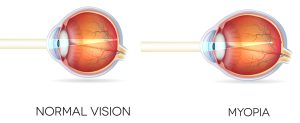
Reviewing shortsightedness. Myopia, often known as shortsightedness, is a common eye disorder in which light focuses in front of the retina rather than on it, making distant objects look hazy. The symptoms include headaches, squinting, eye strain, sitting near TVs or phones, and trouble seeing distant objects. It is frequently brought on by an excessively large eyeball or a sharply curved cornea. In order to delay the progression of myopia, particularly in youngsters, treatment options include glasses, contact lenses, and myopia management therapies including low-dose atropine eye drops or special multifocal contact lenses.
REVIEWING SHORTSIGHTEDNESS
Developing preventative and management measures for shortsightedness can be aided by an understanding of its complex causes. Myopia is caused by a combination of environmental variables, lifestyle choices, genetics, and eye strain. The dangers of shortsightedness can be reduced by promoting outdoor activities, taking regular breaks from close-up work, and keeping an eye on eye health. To identify and treat myopia early on, routine eye exams are very crucial. Here are five possible reasons for the development of shortsightedness:
1. Genetic Factors;

REVIEWING SHORTSIGHTEDNESS
Description:
Genetics play a significant role in the development of myopia. If one or both parents are shortsighted, there is a higher likelihood that their children will also develop myopia.
Evidence:
Studies have shown that the risk of myopia increases significantly if there is a family history of the condition. Research indicates that specific genes related to eye growth and development can influence the onset of myopia .
2. Environmental Factors and Lifestyle;
Description:
Prolonged near work activities, such as reading, writing, and using digital devices, can contribute to the development of myopia. Limited exposure to outdoor activities and natural light is also a factor.
Evidence:
Research has demonstrated a correlation between increased screen time and close-up work with higher rates of myopia, especially in children and adolescents. Outdoor activities, on the other hand, expose the eyes to natural light and help reduce the risk of myopia progression .
3. Excessive Eye Strain;

REVIEWING SHORTSIGHTEDNESS
Description:
Constantly straining the eyes to focus on nearby objects for extended periods can lead to myopia. This is particularly common in individuals who spend a lot of time reading or working on computers without taking breaks.
Evidence:
Eye strain can cause temporary myopia, which may become permanent if the strain is chronic and continuous. The “20-20-20 rule” (looking at something 20 feet away for 20 seconds every 20 minutes) is often recommended to reduce eye strain .
4. Lack of Adequate Outdoor Time;
Description:
Spending insufficient time outdoors has been linked to an increased risk of developing myopia. Natural light exposure is crucial for eye health.
Evidence:
Several studies suggest that children who spend more time outdoors have a lower incidence of myopia compared to those who spend more time indoors. Natural light is believed to help regulate eye growth and prevent excessive elongation of the eyeball, which causes myopia .
5. Abnormal Eye Growth;
REVIEWING SHORTSIGHTEDNESS
Description:
Myopia occurs when the eyeball grows too long, or the cornea is too curved, causing light entering the eye to focus incorrectly on the retina.
Evidence:
There are two possible causes of this aberrant growth: genetic and environmental. Although the precise processes are still being investigated, it is known that blurred distance vision results from images being focused in front of the retina rather than directly on it due to eyeball elongation.
Summary
Myopia, often known as shortsightedness, is a common visual impairment in which close items are plainly visible but distant objects appear hazy. Myopia can be prevented and managed with an understanding of its possible causes.

AI and the Future

Essence of Time Management

Personal Finances

A Step-by-Step Guide to Deleting Reels on Instagram

How to Create a WhatsApp Group