Uncategorized
Understanding Techniques for Editing and Filming


Understanding techniques for editing and filming. Do you want to use the screen to tell gripping stories? Editors with experience will tell you that learning the basics is the first step. Audiences naturally comprehend the common visual language of film and video editing processes. Every technique expresses a particular concept or elicits a feeling. The true art of being a film editor is knowing when and how to use them. Once you understand the guidelines, you can defy them by using unconventional film editing techniques to astonish, enthrall, or challenge your viewers. to hold them accountable.
UNDERSTANDING TECHNIQUES FOR EDITING AND FILMING
In the realm of visual storytelling, controlling focus and attention is paramount. Sometimes, it’s necessary to emphasize a particular subject while subtly obscuring others. This can be achieved through the artful application of blurring techniques, both during the filming process and in the editing room. In this article, we’ll explore various methods for achieving selective object blurring and the advantages of each approach.
1. Blurring During Filming
• Depth of Field

UNDERSTANDING TECHNIQUES FOR EDITING AND FILMING
Utilizing a shallow depth of field by adjusting aperture settings on the camera can naturally blur objects in the foreground or background while keeping the main subject sharp.
• Physical Obstructions
Strategically placing objects, such as foliage or furniture, between the camera and unwanted elements can create a natural blur effect, adding depth and interest to the composition.
2. Blurring During Editing
• Software Tools

Video editing software offers a myriad of tools for applying blur effects. Gaussian blur, lens blur, and radial blur filters can be precisely applied to specific areas of the frame to achieve the desired effect.
• Masking and Rotoscoping
Advanced editing techniques involve masking or rotoscoping to isolate objects or areas within the frame. Once isolated, blur effects can be applied selectively, allowing for precise control over which elements are blurred and to what extent.
3. Advantages of Each Approach
• Filming

Blurring during filming can provide a more organic and authentic look, as it captures the blur effect in-camera. It also saves time in post-production, as less editing is required.
• Editing

Understanding Techniques for Editing and Filming
Post-production blurring offers greater flexibility and control over the final result. Editors can fine-tune the blur effect, adjust its intensity, and even animate blurs for dynamic storytelling.
4. Considerations for Choosing the Right Method
• Creative Vision
Consider the desired aesthetic and narrative impact of the blur effect. Sometimes, a natural, in-camera blur may be more appropriate, while other situations may call for the precision and control of post-production editing.
• Time and Resources

Understanding Techniques for Editing and Filming
Evaluate the time constraints and resources available for the project. Blurring during filming may be more efficient for quick turnaround projects, while editing offers greater flexibility for more intricate effects.
Summary
Whether achieved through careful planning during filming or meticulous editing in post-production, mastering the art of object blurring is essential for visual storytellers seeking to control focus and guide the viewer’s attention. By understanding the techniques available and the advantages of each approach, filmmakers and editors can elevate their craft and create compelling narratives that captivate and engage audiences.


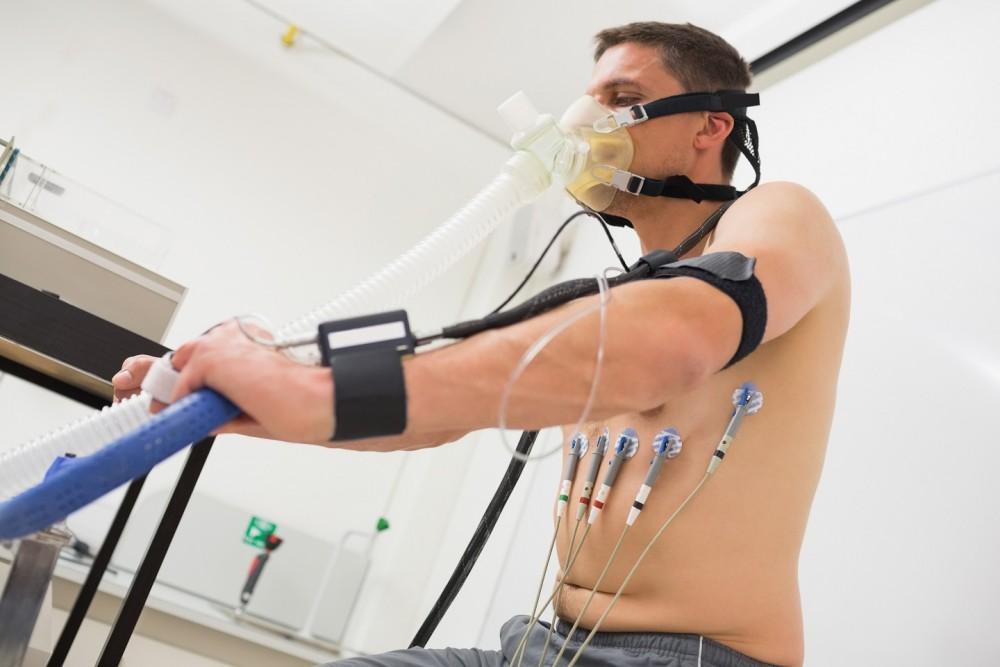

The relevance of stress test. In order to ensure resilience and prevent catastrophic failures by pushing beyond normal limits to find breaking points, stress tests are essential for evaluating how systems (like the heart or financial institutions) perform under pressure, identifying vulnerabilities, diagnosing issues (like coronary artery disease), assessing the efficacy of treatment, and directing future decisions. In banking, they monitor bank stability during recessions; in health, they monitor cardiac function during physical activity.
THE RELEVANCE OF STRESS TEST
With options for imaging (echo, nuclear) for detailed views, a stress test, most commonly a cardiac stress test, assesses your heart’s function under physical exertion (treadmill/bike) or medication, monitoring heart rate, blood pressure, and ECG to check blood flow, detect blockages (like in coronary artery disease), or assess arrhythmias. It helps determine safe exercise levels and heart health. It is used in finance to test the resilience of institutions by simulating economic crises.

The relevance of stress test
A Stress Test, also known as an exercise stress test or treadmill test, is a medical examination used to evaluate how well the heart functions under physical exertion. This test is commonly used to diagnose heart conditions, assess exercise tolerance. And monitor the effectiveness of treatment in patients with known heart issues.
During a stress tests, the patient is typically asked to walk on a treadmill or pedal a stationary bike. Gradually increasing the intensity of the exercise. While the patient exercises, their heart rate, blood pressure, and breathing are closely monitored. At the same time, an electrocardiogram (ECG) records the heart’s electrical activity. In some cases, imaging tests like echocardiography or nuclear imaging are also used in conjunction to provide detailed views of the heart’s structure and function.
Why Stress Test?

The relevance of stress test
The goal of the stress test is to make the heart work harder and pump faster. Which can reveal problems that might not be visible when the heart is at rest. For instance, it can help identify areas of the heart muscle that are not receiving enough blood flow due to blocked or narrowed arteries. A condition known as coronary artery disease. It can also help detect arrhythmias, or irregular heartbeats, that may only occur during physical exertion.
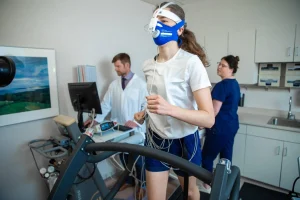
The relevance of stress test
Stress tests are valuable in diagnosing and managing heart conditions. They help determine the appropriate level of physical activity for a patient, guide treatment decisions, and assess the risk of future heart-related events.
Summary
In conclusion, a stress test is an essential cardiology technique that assesses how well the heart functions under pressure. supplying crucial data for the diagnosis and management of cardiac disorders.


Multiple sclerosis. There is hope for more strong treatments and possibly even a cure thanks to ongoing research into the causes and management of multiple sclerosis. Better management of MS is being made possible by developments in our understanding of the immune system’s role in the disease as well as the creation of novel DMTs. Future treatments for multiple sclerosis may also benefit from initiatives to protect nerve cells and heal myelin loss.For the time being, increasing the quality of life for those with MS requires early diagnosis, efficient treatment, and all-encompassing care.
MULTIPLE SCLEROSIS
Although the precise etiology of multiple sclerosis is unknown, a mix of genetic and environmental factors are thought to be responsible. A genetic predisposition is suggested by the increased risk in those with a family history of multiple sclerosis. An increased chance of developing multiple sclerosis has also been associated with environmental variables, including smoking, low levels of vitamin D, and infections, especially those caused by the Epstein-Barr virus.
Types of MS and Symptoms;

MS presents in different forms, with the most common being Relapsing-Remitting MS (RRMS), characterized by periods of new or worsening symptoms (relapses) followed by periods of partial or complete recovery (remissions). Other forms include Primary Progressive MS (PPMS), where symptoms gradually worsen without relapses, and Secondary Progressive MS (SPMS), which can develop after an initial period of RRMS, with symptoms steadily worsening over time.
The symptoms of MS can vary widely, depending on the areas of the central nervous system affected. Common symptoms include:
– Fatigue
– Numbness or tingling in the limbs
– Muscle weakness or spasms
– Difficulty with coordination and balance
– Vision problems, such as blurred or double vision
– Cognitive issues, including memory loss and difficulty concentrating
Diagnosis and Treatment;

multiple sclerosis
Diagnosing MS involves a combination of clinical evaluation, MRI scans to detect brain and spinal cord lesions, and tests such as lumbar punctures to analyze cerebrospinal fluid. Blood tests may also be conducted to rule out other conditions that mimic MS symptoms.
While there is no cure for Multiple Sclerosis MS, several treatments can help manage the disease and reduce the frequency and severity of relapses. Disease-modifying therapies (DMTs), such as interferons and monoclonal antibodies. Can slow the progression of Multiple Sclerosis MS and reduce the accumulation of disability over time. Corticosteroids are often used to manage acute relapses, while various medications. And therapies can address specific symptoms like muscle spasms, fatigue, and depression.
Living with Multiple Sclerosis;
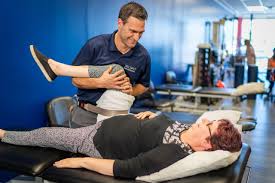
multiple sclerosis
Living with Multiple Sclerosis MS can be challenging, but many people with the condition lead active, fulfilling lives with the right support and management strategies. Regular physical activity, a balanced diet, stress management, and adequate rest are essential for maintaining overall health. Support from healthcare professionals, family, and MS support groups. Can also make a significant difference in managing the emotional and practical aspects of living with the disease.
Summary
The central nervous system, which includes the brain and spinal cord, is impacted by multiple sclerosis (MS), a chronic autoimmune illness. Myelin, the protective covering of nerve fibers, is wrongly attacked by the immune system in multiple sclerosis (MS), resulting in inflammation and damage. Numerous neurological symptoms might result from this breakdown in brain-to-body communication.

Home garden and weed control. A home garden is a private outdoor area close to a house that is used to grow plants (vegetables, fruits, flowers, and herbs) for food, aesthetics, or enjoyment. It can range in size from small pots to large plots and offers fresh produce, stress relief, and biodiversity. It can be started with preparation, good soil, water, sun, and plants that are suitable for your climate and space.
HOME GARDEN AND WEED CONTROL
Using techniques like mechanical removal (hoeing, pulling, tilling), mulching, cultural practices (cover crops, proper watering), biological agents, and herbicides (chemical control)—often combined for best results weed control aims to prevent, reduce, and manage unwanted plant growth. It focuses on stopping weeds before they seed to minimize competition with desired plants.
Guidelines for Weed Control;

1. Prevention The first step in providing effective control is to keep weeds out of the garden. Controlling weeds becomes much more difficult once they germinate and establish themselves.
* Although, chemical Not everyone will want to employ chemical weed management, but for those who do, there are options available for home gardens. Most garden centers sell pre-emergent herbicides that can be applied around particular veggies.
Other Tips;

HOME GARDEN AND WEED CONTROL
* Mulch is excellent in preventing weeds in gardens. Mulch is an organic matter-based barrier that has been applied. materials commonly used include wheat straw and pine straw.
*Weed Fabric Barriers A variety of products have been developed to help build. Some of these weed-blocking products are constructed of impermeable.
while others are built of mesh that allows moisture..
More Tips for Weed Control;

HOME GARDEN AND WEED CONTROL
* Meanwhile, Polarization This is a technique that uses the natural heat created throughout the summer to help reduce weed populations.
2. Chemical-based eradication There are various challenges to using chemical controls in the home garden. When it comes to post–emergent weed control in the home garden, there are very few herbicide options.
Hence, home gardeners must carefully read the given labels to determine where and how to apply post-emergent herbicides.

HOME GARDEN AND WEED CONTROL
* Mechanical Mechanical weed management, while probably the most intensive, can be extremely successful. Weeds can be pulled by hand or eradicated with a hand rake.
3. Soil Polarization A lot of weed seeds can be killed by heating soil to high temperatures. When temperatures and sun radiation are high, unprotected, wet soil can be solarized by covering it with clear plastic. Garden Bugs: Insect Pest Management in Home Vegetable Gardens.
Summary
Also, weed management for backyard gardening. The popularity of home gardening has increased. For a novice gardener, weeds can be a major inconvenience. Preventing weeds in the garden is simpler than getting rid of them. Fortunately, gardeners can fight weeds in a number of ways.

Tips for Skin Breakage
Lip Breakage Causes and Treatments

Can Tremor be Cured?

A Step-by-Step Guide to Deleting Reels on Instagram

How to Create a WhatsApp Group