Uncategorized
Understanding Techniques for Editing and Filming

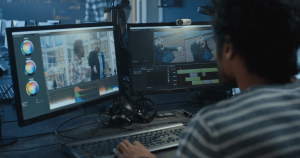

Understanding techniques for editing and filming. Do you want to use the screen to tell gripping stories? Editors with experience will tell you that learning the basics is the first step. Audiences naturally comprehend the common visual language of film and video editing processes. Every technique expresses a particular concept or elicits a feeling. The true art of being a film editor is knowing when and how to use them. Once you understand the guidelines, you can defy them by using unconventional film editing techniques to astonish, enthrall, or challenge your viewers. to hold them accountable.
UNDERSTANDING TECHNIQUES FOR EDITING AND FILMING
In the realm of visual storytelling, controlling focus and attention is paramount. Sometimes, it’s necessary to emphasize a particular subject while subtly obscuring others. This can be achieved through the artful application of blurring techniques, both during the filming process and in the editing room. In this article, we’ll explore various methods for achieving selective object blurring and the advantages of each approach.
1. Blurring During Filming
• Depth of Field


UNDERSTANDING TECHNIQUES FOR EDITING AND FILMING
Utilizing a shallow depth of field by adjusting aperture settings on the camera can naturally blur objects in the foreground or background while keeping the main subject sharp.
• Physical Obstructions
Strategically placing objects, such as foliage or furniture, between the camera and unwanted elements can create a natural blur effect, adding depth and interest to the composition.
2. Blurring During Editing
• Software Tools


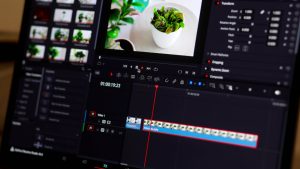
Video editing software offers a myriad of tools for applying blur effects. Gaussian blur, lens blur, and radial blur filters can be precisely applied to specific areas of the frame to achieve the desired effect.
• Masking and Rotoscoping
Advanced editing techniques involve masking or rotoscoping to isolate objects or areas within the frame. Once isolated, blur effects can be applied selectively, allowing for precise control over which elements are blurred and to what extent.
3. Advantages of Each Approach
• Filming


Blurring during filming can provide a more organic and authentic look, as it captures the blur effect in-camera. It also saves time in post-production, as less editing is required.
• Editing


Understanding Techniques for Editing and Filming
Post-production blurring offers greater flexibility and control over the final result. Editors can fine-tune the blur effect, adjust its intensity, and even animate blurs for dynamic storytelling.
4. Considerations for Choosing the Right Method
• Creative Vision
Consider the desired aesthetic and narrative impact of the blur effect. Sometimes, a natural, in-camera blur may be more appropriate, while other situations may call for the precision and control of post-production editing.
• Time and Resources

Understanding Techniques for Editing and Filming
Evaluate the time constraints and resources available for the project. Blurring during filming may be more efficient for quick turnaround projects, while editing offers greater flexibility for more intricate effects.
Summary
Whether achieved through careful planning during filming or meticulous editing in post-production, mastering the art of object blurring is essential for visual storytellers seeking to control focus and guide the viewer’s attention. By understanding the techniques available and the advantages of each approach, filmmakers and editors can elevate their craft and create compelling narratives that captivate and engage audiences.