Vaccines
Vaccine Applications

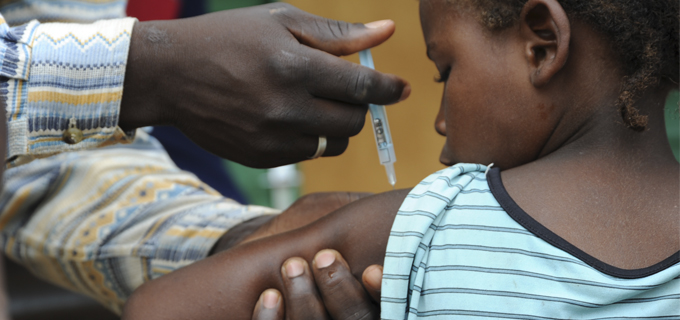
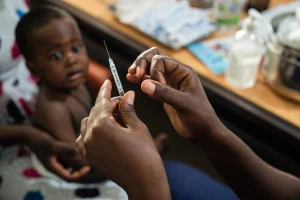
Vaccine applications. It teach your body to fend off dangerous invaders that cause illness. These dangerous intruders, which include bacteria and viruses, are referred to as pathogens (or germs). Vaccines can help limit the spread of disease and keep you from contracting a serious illness. The word “vaccine” is derived from the word “vacca,” which means “cow.” The phrase was coined by Edward Jenner, who used cowpox to stop smallpox. Anything that triggers the body’s immune system to identify and combat a dangerous material is now considered a vaccination.
VACCINE APPLICATIONS
Vaccines help prevent diseases by supporting the immune system, which is our body’s natural defense against harmful and often fatal illnesses. Vaccines mimic what happens in the body when a germ—typically a virus or bacteria—attacks us without really making us sick. Most vaccines contain dead or weakened germs, which neither hurt the kid nor create the disease they are intended to prevent.
1. Myth:
A lot of dangerous substances are in vaccines.
Fact:
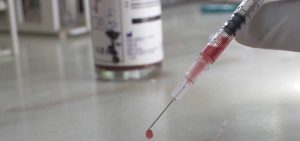
Although, vaccines are made with components that enable safe administration of the medicine. Any material, even water, can be dangerous in dangerously high concentrations. Even lower doses of the chemicals found in vaccines than those we are exposed to in our surroundings are present. Often employed as a preservative for vaccinations produced in multi-dose vials, thimerosal is a mercury-containing substance. Mercury can be found in milk, shellfish, and contact lens solutions naturally. Vaccines include thimerosal, however there is no proof that this level is harmful to human health.
2. Myth:
Autism and SIDS are brought on by vaccinations.
Verdict:
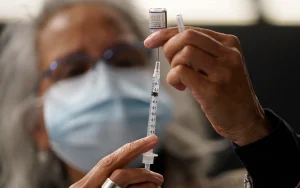
Meanwhile, Vaccines are extremely safe. The majority of vaccination responses, including fever or arm pain, are often mild and transient. Though they are closely watched and looked at, extremely serious health issues after vaccinations are uncommon. A vaccine has a much lower chance of causing substantial harm than a disease that can be prevented by vaccination. Diseases prevented by vaccination may even be fatal.
3. Myth:
Childhood illnesses that can be prevented by vaccination are normal. Having the illness is preferable to receiving vaccinations that will make you immune.
Verdict:
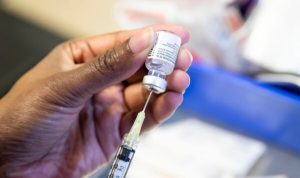
However, Immunization can prevent many of the major side effects of vaccine-preventable diseases. Vaccines trigger an immunological response that is comparable to that of a natural infection.
4. Myth:
Meanwhile, my child is already immune, so I don’t need to vaccinate them like the other kids in their immediate vicinity.
Verdict:
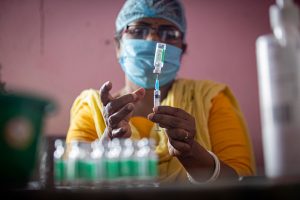
Vaccine applications
Also, Herd immunity lowers the likelihood of an outbreak by preventing a broad section of a community from contracting an infectious disease. Vaccine-incompatible immunocompromised individuals, pregnant women, and infants rely on this kind of protection. However, herd immunity will quickly vanish if enough individuals depend on it to protect them from contracting diseases.
Summary
Also, vaccines aid in preventing bacterial and viral illnesses. By triggering an immunological reaction, they teach your body to combat dangerous invaders. They employ either live or dead pathogens, pathogen fragments, or mRNA. Before being made available to the general public, vaccines must pass a rigorous battery of safety tests. Vaccines have been administered for ages.


Review for saint laurent black

Varieties of perfumes for women

Feminine body mists

A Step-by-Step Guide to Deleting Reels on Instagram

A Comprehensive Guide to Setting Up a YouTube Premiere