
Travelling guide
5 Temples to Visit in Chiang Mai


Chiang Mai, a city nestled in the verdant hills of northern Thailand, is renowned for its rich cultural heritage and spiritual ambiance. Among its many attractions, the city boasts an array of magnificent temples, each telling a story of faith, history, and architectural splendor. Here are five temples you shouldn’t miss when exploring Chiang Mai:
1. Wat Phra That Doi Suthep Temple

Perched atop Doi Suthep mountain, Wat Phra That Doi Suthep is one of Chiang Mai’s most sacred and iconic temples. Legend has it that the temple was founded in 1383 to enshrine a relic of the Buddha. Brought to the area by a wandering monk. Visitors ascend a staircase adorned with intricately carved nagas (serpents) or can take a cable car to reach the temple complex. Which offers panoramic views of the city below. The golden chedi (stupa) gleams in the sunlight, and the temple’s serene atmosphere invites quiet contemplation.
2. Wat Chedi Luang Temples
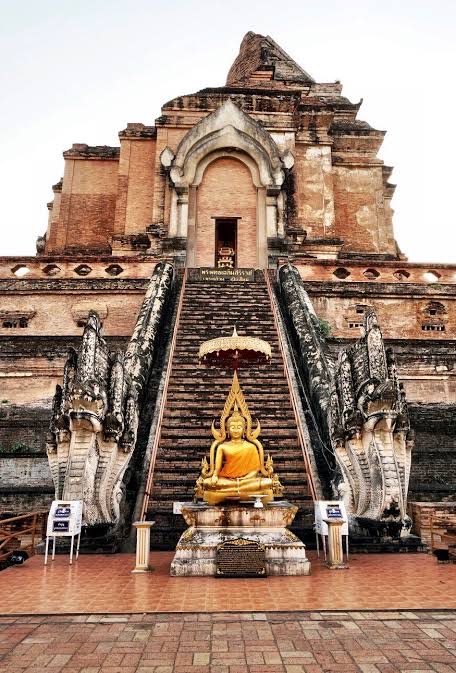
Dating back to the 14th century, Wat Chedi Luang is a testament to the architectural prowess of the Lanna Kingdom. The temple’s towering chedi once stood at nearly 280 feet tall, making it one of the tallest structures in ancient Chiang Mai. Despite suffering damage from an earthquake in the 16th century, the chedi remains an impressive sight, surrounded by weathered stone elephants and intricate relief carvings. Within the temple grounds, visitors can also explore the city pillar shrine and the monk chat program, offering insight into Buddhist teachings and local culture.
3. Wat Phra Singh Temples
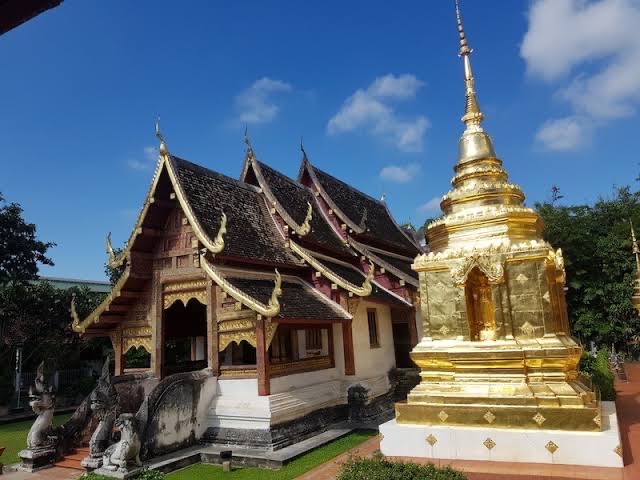
Situated within the old city walls of Chiang Mai, Wat Phra Singh is home to some of the finest examples of Lanna architecture and craftsmanship. The temple’s main attraction is the elegant Lai Kam assembly hall, adorned with exquisite stucco reliefs and a gilded facade. Inside, the Phra Singh Buddha statue, revered for its beauty and grace, sits in serene repose. The temple complex also includes a tranquil garden and several smaller shrines, offering visitors a peaceful retreat from the bustling city streets.
4. Wat Umong

Tucked away in a forested enclave just outside the city center, Wat Umong exudes an aura of tranquility and seclusion. Believed to have been founded in the late 14th century, the temple is renowned for its ancient tunnels, which lead to hidden meditation chambers adorned with centuries-old murals. The expansive grounds of Wat Umong are dotted with moss-covered statues, serene ponds, and lush greenery, providing a serene setting for contemplation and reflection.
5. Wat Suan Dok

Meaning “flower garden temple,” Wat Suan Dok. Is renowned for its striking white chedi and expansive grounds dotted with ornate mausoleums. The temple was founded in the 14th century by King Keu Na. He intended it to serve as a retreat for a revered monk from Sukhothai. Today, Wat Suan Dok remains an active monastery and center for Buddhist studies. Attracting visitors with its serene atmosphere and panoramic views of the surrounding countryside.
Exploring the temples of Chiang Mai offers not only a glimpse into Thailand’s rich religious heritage. But also a chance to connect with the spiritual essence of this enchanting city. Whether you seek solace in ancient meditation chambers or marvel at the architectural wonders of centuries past. These temples are sure to leave a lasting impression on your journey through Chiang Mai.

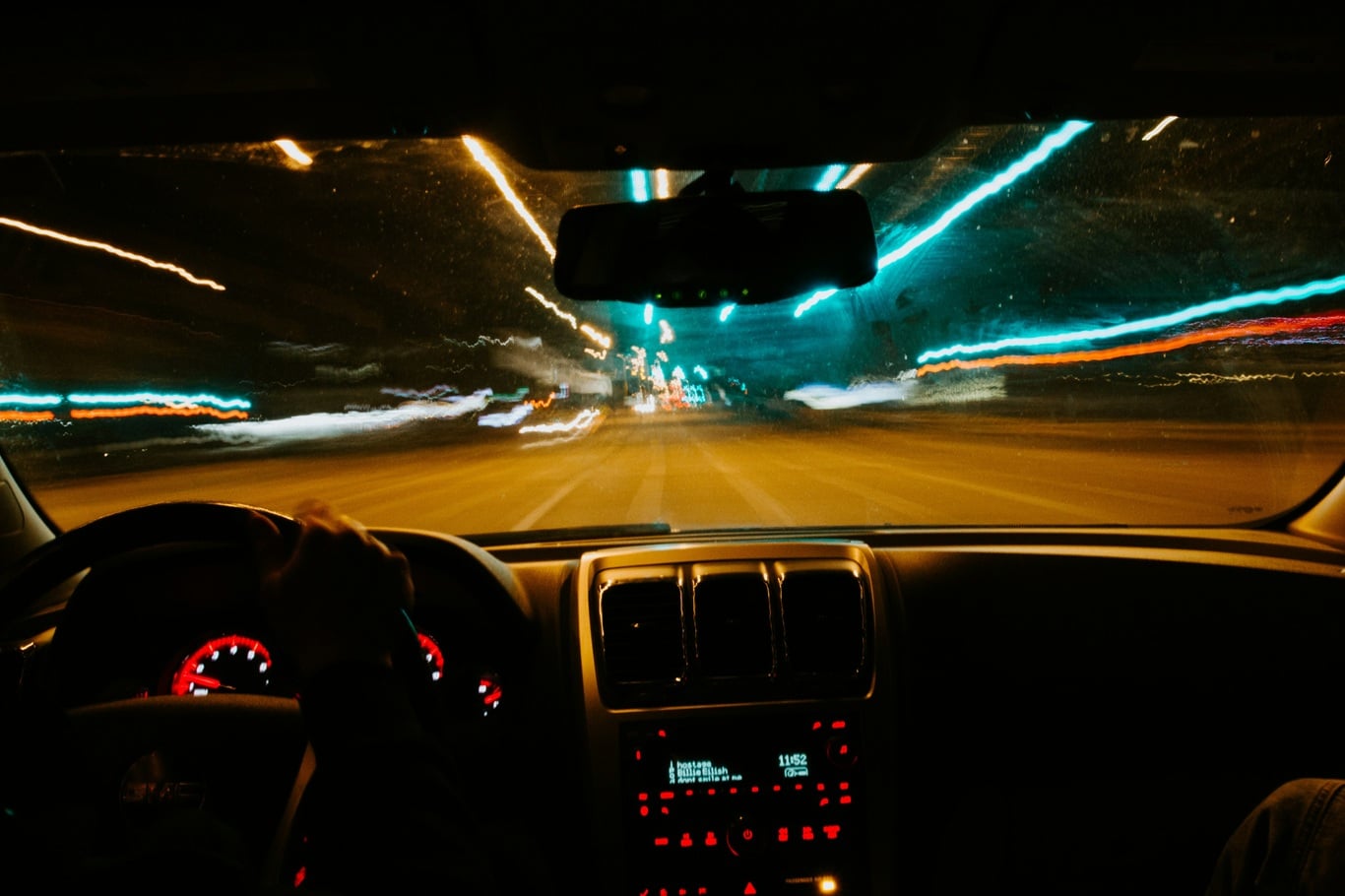
Disadvantages of night road trip. There is a certain allure to traveling by car at night since it offers a sense of adventure and an opportunity to view the world from a different angle. However, the darkness that covers the roads also raises a unique set of issues that should be properly taken into account. Road trips at night can present challenges, such as blurry vision and fatigue-related errors, which necessitate taking precautions to ensure a fun and safe journey.
DISADVANTAGES OF NIGHT ROAD TRIP
Road excursions at night are less congested, but they also carry significant risks, such as sharply decreased visibility, unexpected exhaustion, restricted access to emergency services, and increased security risks. Being aware of these risks enables you to plan your next trip wisely.
1. Reduced Visibility:

When driving at night, the lack of natural light might result in noticeably decreased vision. This makes it difficult to see roadblocks, pedestrians, and even other cars. Low light levels can also slow down your reaction time.
2. Fatigue and Drowsiness:
Our bodies naturally yearn for sleep at night, which increases the likelihood of driving weariness and drowsiness. You can significantly reduce your reaction times, focus, and ability to make decisions when you drive when tired.
3. Glare from Oncoming Headlights:
Disadvantages of night road trip
Drivers may become momentarily blinded from headlight glare from approaching cars, making it challenging to keep eyes on the road ahead. This condition, also referred to as “night blindness,” can be harmful.
4. Navigational Challenges and Road Mishaps:
It might be intimidating to navigate unknown routes at night, which can result in missed exits and incorrect turns. Roadside incidents like breakdowns and accidents can also be extremely upsetting, particularly if you’re far from home and in need of help.
5. Drunk and Drowsy Drivers:

Disadvantages of night road trip
The likelihood of accidents is greatly increased at night when there are frequently more inebriated or sleep deprived drivers on the road. These drivers put themselves and other road users in serious danger when they swerve, brake quickly, or drive at uneven speeds.
6. Impaired Depth Perception:
Our ability to perceive depth is impaired at night, making it difficult to determine the precise distances between your car and other vehicles and objects on the road.
Summary
A nighttime road trip necessitates meticulous preparation and increased concentration. Prioritize vehicle preparation, planned rest periods, and optimal in-car entertainment to guarantee a safe and comfortable ride.
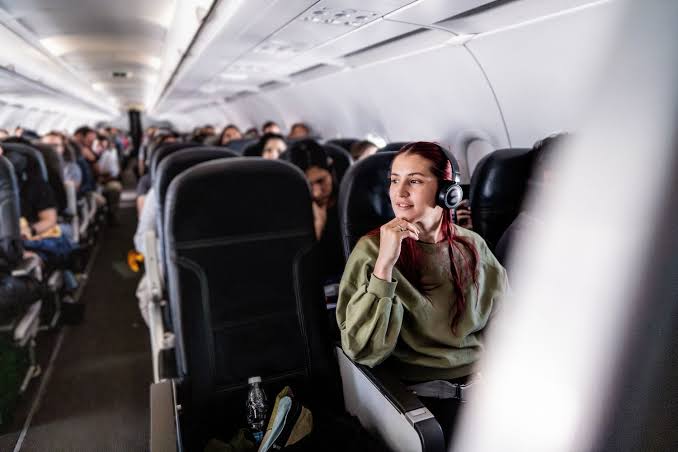
Tips for flights journey. Arrive at the airport at least two hours early, check in online 24 hours prior to departure, and dress comfortably in layers to guarantee a smooth journey. Include gadgets, travel documents, and prescription drugs in your carry-on. Don’t forget to pack an empty water bottle and noise-canceling headphones.
TIPS FOR FLIGHT JOURNEY
There are various strong reasons to fly late at night or early in the morning, as previously noted. However, if you travel after 10:00 at night and before 6:00 in the morning, your internal body clock may be thrown off, and you can arrive hungry and weary.The main disadvantages of flying when most people are asleep are as follows:
1) A lack of sleep;

You should get to the airport no later than 3:00 a.m if your flight is scheduled to depart at 5:00 a.m you should be up and getting ready for your vacation no later then 1:30 a.m. assuming you only need an hour to get ready for your 30-minute travel to the airport. Getting by on a few hours of sleep alone will wear you out and possibly cause you become forgetful. And the last thing you want to happen is misplace your phone or identity!
2) Minimal food and beverage choices;
Many airport restaurants, including some of the biggest in the world, are closed from the biggest in the world, are closed from midnight to five in the morning Even while there might be a vending machine with soft drinks and snacks, you’ll have to bring your own or wait to eat a sit down meal until you get to your destination.
3) Missed flights;

Tips for flights journey
There is a greater chance that you will oversleep and miss your flight when you go early in the morning. Additionally, it may be expensive and difficult to find another flight. If you have a history of sleeping in late, you should take extra care to ensure that you don’t miss your flight.
What can you do to make early morning and late night travel less stressful?
1) Learn how to travel light;
You may reduce your stress level at the airport by bringing everything you need in a carry on bag, whether you are travelling for a well earned holiday or a crucial work trip if you are infamous for packing everything but the kitchen sink, this might seem like a challenging task! But with a little forethought and thoughtful packing, you can become an expert at packing light.
2) Plan well in advance if you are traveling with children;

Tips for flights journey
When travelling with young children or toddlers, the difficulties mentioned above may become much more daunting. Being early for every part of your trip is essential for a trouble free early morning or late night flight with kids. If you have rented a car service to bring you to the airport quickly, you are already off to a good start. Make sure snacks and entertainment are readily available and take advantage of the early boarding benefit once you reach the gate.
Summary
A flying journey entails going by air from one place to another. Whether arranging a domestic trip from Murtala Muhammed International Airport in Lagos or an international route, contemporary technologies streamline ticketing, scheduling, and baggage management for a seamless experience
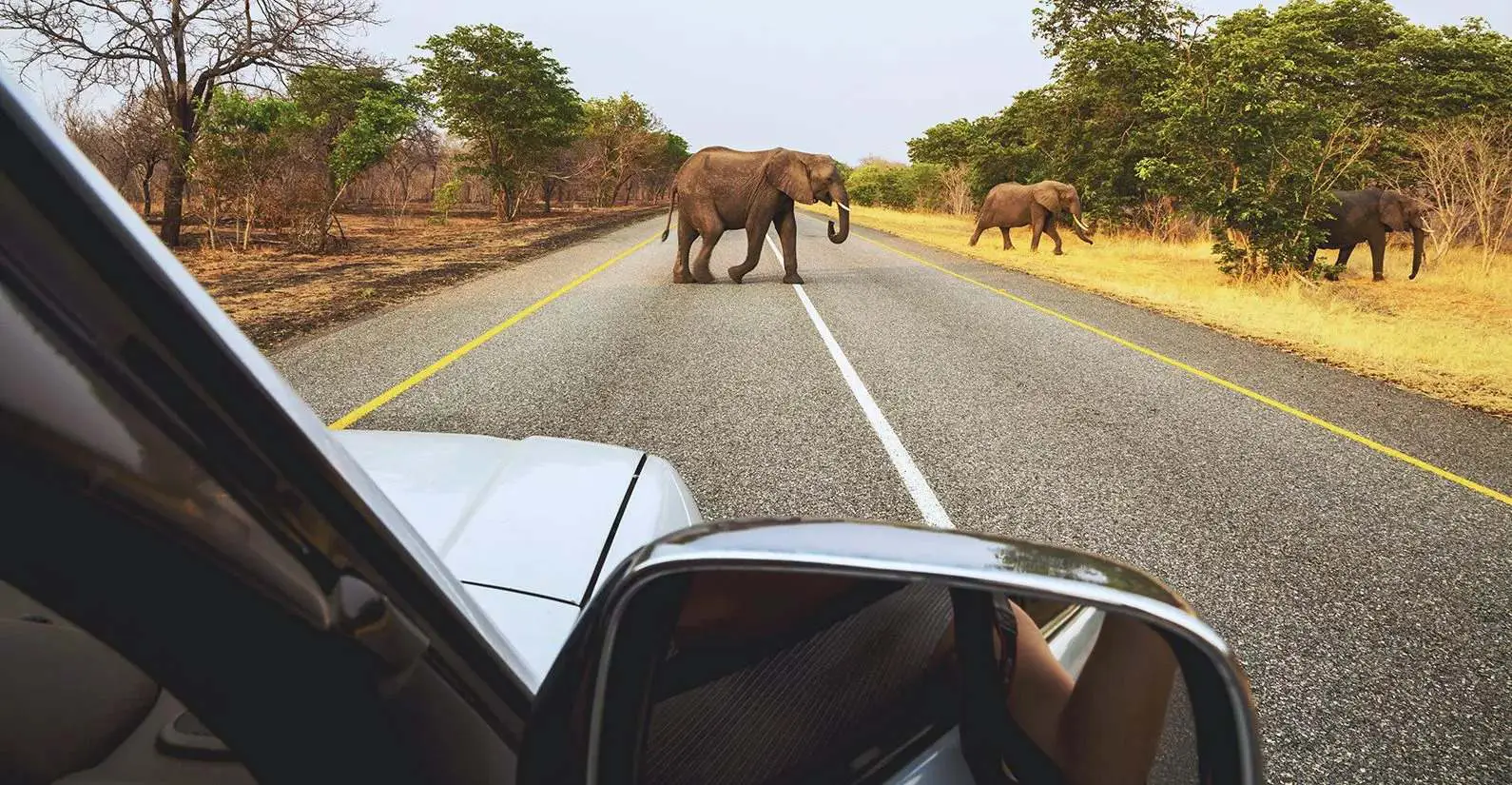
Important road trip tips. key pillars should be prioritized in order to guarantee a safe, easy, and pleasurable road trip: in-car comfort, route mapping, and vehicle preparation. Plan to switch drivers every two to three hours, download offline maps and tickets, prepare an emergency kit with food and drink, and always get your car serviced before you go.
IMPORTANT ROAD TRIP TIPS
A successful road trip requires balancing flexibility with smart preparation. Prioritize fluid routing (download offline maps and reserve motels in advance for peace of mind), vehicle readiness (check tire pressure and fluids), and strategic packing (have an ice-filled cooler, hydration, and a small “overnight bag” easily available).
1. Prepare Your Car;

Don’t forget to get your car ready for trip. It will serve as your second home. Any unplanned repairs should be scheduled at least one month in advance. Examine and modify the following as necessary:
- Coolant
- Oil
- Tire Pressure
- Spare Tire
- Brakes
- Belts, caps, hoses and filters
2. Prepare Yourself;
Keep in mind that you must be as prepared to drive as your car is. Get a good night’s sleep the night before your vacation and let folks know where you’re heading. It’s crucial to confirm that you can reach emergency operators from wherever you are travelling by checking the range of your cell phone. Learn about the routes you’ll be taking and the weather prediction before you go. Make sure to bring the essentials and dress comfortably :
- First aid kit
- Water and snacks
- Blankets and pillows
- Jumper cables and flares
- Travel brochures and maps
- Tool kit and cutting tool
3. Make Reservations or Check Hotels in the Area;

Important road trip tips
If you have an idea of where you want to spend the night, make bookings. what happens if there’s a music festival or concert nearby? It important to confirm that a reasonable rate for a room can be obtained. Make reservations for hotels in advance. Not having to get on and off exits and stop at several motels to check rates and availability will save you time and petrol.
4. Be Smart With Gas Mileage;
Reduce the speed at which you accelerate. For instance, you can save 30% on gas mileage if you reduce the acceleration time from 0 to 60 mph to 15 seconds.
5. Be Safe and Alert While Traveling;
Important road trip tips
Being cautious and vigilant when driving is the last step to a safe road trip. Recall that you want to stay away from all of the crises that you have just prepared for.
Summary
A road trip is a long-distance drive that gives you flexibility, independence, and the opportunity to find hidden treasures at your own speed. A good vacation takes some route planning, vehicle preparation, and astute packing, regardless of whether you are organizing a weekend escape or a cross-country expedition.
Foods Rich in Zinc

Appetite Enhancement Tips

Nutritional Value of Rolled Oats

A Step-by-Step Guide to Deleting Reels on Instagram

A Comprehensive Guide to Setting Up a YouTube Premiere

How to Create a WhatsApp Group
-

 Health4 weeks ago
Harmful side effects of earphones
-

 Self esteem4 weeks ago
Tips for self esteem improvement
-

 Exercise4 weeks ago
Regular physical activities importance
-

 Health4 weeks ago
Headphones safety tips
-

 Business3 weeks ago
Local business promotion
-

 Entertainment3 weeks ago
Women and British dance music