
Lifestyle
Overcoming Negative Perceptions: Transforming Perspectives for a Positive Life

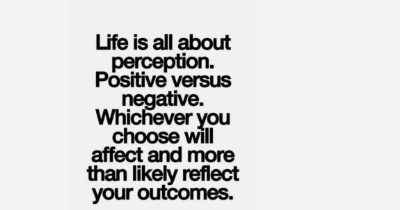
Overcoming Negative perceptions is needed because, Perceptions, whether directed towards ourselves or others, can be insidious obstacles that hinder personal growth and interpersonal relationships. Understanding the origins of these perceptions and adopting strategies to overcome them is key to fostering a more positive and fulfilling life.
Understanding Negative Perceptions:
1. Internal Reflection:
 Negative perceptions often stem from internal biases, past experiences, or self-doubt. Take time to reflect on the root causes of these perceptions to gain clarity.
2. Cognitive Distortions:
Identify and challenge cognitive distortions – distorted thought patterns that contribute to negative perceptions. These may include black-and-white thinking, overgeneralization, and catastrophizing.
3. Cultural and Social Influences:
Recognize the impact of cultural and societal influences on perceptions. Sometimes, negative beliefs are ingrained through external sources, and questioning these influences can be a powerful step.
Strategies to Overcome Negative Perceptions:
1. Practice Self-Compassion:
Treat yourself with the same kindness and understanding you would offer to a friend. Acknowledge imperfections as part of being human, fostering a healthier self-image.
2. Challenge Assumptions:
Question assumptions about others or situations. Often, negative perceptions are based on assumptions that may not accurately reflect reality. Seek evidence and challenge your initial judgments.
3. Empathy and Understanding:
Develop empathy by considering the perspectives and experiences of others. Understanding different viewpoints can dissolve negative perceptions and pave the way for more meaningful connections.
4. Positive Affirmations:
Counteract negative thoughts with positive affirmations. Affirmations can reshape thought patterns and cultivate a more optimistic mindset over time.
5. Seek Feedback:
Actively seek constructive feedback from trusted individuals. Others may provide insights that challenge your negative perceptions and offer a more balanced perspective.

Photo credits:thrive-cm
6. Mindfulness and Present Moment Awareness:
Practice mindfulness to stay present and observe thoughts without judgment. This can help break the cycle of negative thinking and foster a greater sense of peace and acceptance.
7. Focus on Solutions, Not Problems:
Shift your mindset from dwelling on problems to seeking solutions. By focusing on what can be done to improve a situation, you empower yourself to overcome challenges.
8. Continuous Learning:
Embrace a mindset of continuous learning and growth. Viewing mistakes and setbacks as opportunities for learning rather than as failures can reshape your perception of self and others.
9. Surround Yourself with Positivity:
Engage with positive influences, whether through supportive friends, inspiring literature, or uplifting activities. Creating a positive environment can help in Overcoming Negative Perceptions.

Photo credit: freepik
Overcoming negative perceptions is an ongoing process that requires self-awareness, commitment, and a willingness to embrace change. By adopting these strategies, individuals can transform their perspectives, fostering a more positive outlook on themselves, others, and the world around them.
Stay tuned for more tips.













Sedentary lifestyles. These are defined as spending more than 30 minutes a day on low-energy activities like sitting, lying down, or reclining, are frequently linked to long-term health hazards like obesity, heart disease, and weakened muscles. People spend a large portion of their day inactive, which has an impact on both work and pleasure.
SEDENTARY LIFESTYLES
In today’s fast-paced world, sedentary behaviors have become increasingly prevalent, with profound implications for physical and mental health. From desk-bound jobs to screen-centric leisure activities, modern lifestyles often involve prolonged periods of sitting or reclining. Understanding the effects of sedentary behaviors is crucial in addressing this growing public health concern and promoting healthier living.
Sedentary Behavior Defined;

Sedentary behavior refers to any waking activity characterized by low energy expenditure while in a sitting, reclining, or lying posture. This includes activities such as watching television, working at a desk, using electronic devices, and driving. Unlike physical inactivity, which refers to not meeting recommended levels of physical activity. Sedentary behavior focuses on prolonged periods of sitting, regardless of whether physical activity goals are met.
Health Effects of Sedentary Behaviors
1. Increased Risk of Chronic Diseases: Prolonged sedentary behavior has been linked to an increased risk of chronic diseases, including obesity, type 2 diabetes, cardiovascular disease, and certain cancers. Sitting for extended periods slows down metabolism, reduces calorie expenditure, and impairs blood sugar regulation, contributing to the development of these conditions.
2. Musculoskeletal Issues:

Sitting for prolonged periods can lead to musculoskeletal issues such as neck and back pain, tight hip flexors, and poor posture. Maintaining a static posture for extended periods places excessive stress on the spine and joints, leading to discomfort and decreased mobility.
3. Negative Impact on Mental Health: Sedentary behavior has been associated with an increased risk of depression, anxiety, and poor mental well-being. Spending excessive time sitting indoors, isolated from social interactions and outdoor environments. Can exacerbate feelings of loneliness, stress, and low mood.
4. Reduced Physical Fitness:

Sedentary lifestyles contribute to reduced physical fitness and functional capacity. Lack of regular movement and physical activity leads to muscle weakness, decreased flexibility. And diminished cardiovascular endurance, increasing the risk of injury and impairing overall physical performance.
5. Shortened Lifespan: Studies have shown that prolonged sedentary behavior is associated with an increased risk of premature mortality. Sedentary lifestyles contribute to the development of chronic diseases and health conditions that can shorten lifespan. Highlighting the importance of reducing sedentary time for longevity and quality of life.
Strategies to Reduce Sedentary Behaviors;
1. Break Up Prolonged Sitting:

Sedentary lifestyles
Incorporate regular breaks and movement throughout the day, aiming to stand, stretch, or walk for a few minutes every hour.
2. Engage in Regular Physical Activity: Aim for at least 150 minutes of moderate-intensity aerobic activity or 75 minutes of vigorous-intensity activity per week, along with muscle-strengthening exercises on two or more days per week.
3. Limit Screen Time: Set boundaries on screen time, including television, computer, and smartphone use, especially during leisure hours. Allocate time for physical activities, hobbies, and social interactions that do not involve screens.
4. Create an Active Environment:

Sedentary lifestyles
Foster environments that promote physical activity, such as walking or cycling paths, active transportation options, and accessible recreational facilities.
Summary
Consistently spending six or more hours a day sitting or lying down with little to no physical activity is a sign of a sedentary lifestyle. It is often called “sitting disease” and is linked to increased risks of obesity, cardiovascular disease, type 2 diabetes, and depression
Obesity and lifestyles. The primary cause of obesity, a worldwide health issue when excess fat builds up as a result of calorie intake surpassing expenditure, is lifestyle factors. Major reasons include poor eating habits (processed foods, sugar-filled beverages), inactivity, excessive screen time, sleep deprivation (less than seven hours), and chronic stress. It can be managed with dietary changes, behavior therapy, and more than 150–300 minutes of moderate exercise each week.
OBESITY AND LIFESTYLES
A complicated and multifaceted disorder, obesity is impacted by a number of lifestyle variables. A comprehensive strategy that prioritizes getting enough sleep, encourages regular physical activity, promotes healthy eating habits, and successfully manages stress is needed to address the underlying causes of obesity. Individuals and communities may fight obesity and improve health by adopting healthy lifestyle choices and creating surroundings that promote wellbeing.
Sedentary Behavior

Modern lifestyles often involve prolonged periods of sitting, whether at work, during leisure time, or while commuting. Sedentary behavior reduces energy expenditure and contributes to weight gain, especially when coupled with excessive calorie intake. Lack of physical activity not only leads to weight gain but also increases the risk of chronic diseases such as heart disease, diabetes, and certain cancers.
Poor Dietary Habits
Unhealthy dietary habits, characterized by the consumption of calorie-dense, nutrient-poor foods, are major contributors to obesity. Diets high in processed foods, sugary beverages, fast food, and snacks laden with salt, sugar, and unhealthy fats promote weight gain and undermine overall health. Additionally, oversized portions and frequent eating out contribute to excessive calorie intake, making it difficult to maintain a healthy weight.
Lack of Sleep

Obesity and lifestyles
Sleep plays a crucial role in regulating appetite, metabolism, and energy balance. Chronic sleep deprivation disrupts these regulatory mechanisms, leading to increased hunger and cravings for high-calorie foods. Moreover, tiredness and fatigue may reduce motivation for physical activity, further exacerbating weight gain. Poor sleep quality and inadequate sleep duration have been linked to obesity and metabolic disorders, highlighting the importance of prioritizing sleep for overall health.
Stress and Emotional Eating
Stressful lifestyles and emotional upheavals can trigger overeating and unhealthy eating behaviors. Many individuals turn to food as a coping mechanism to alleviate stress, anxiety, or boredom, often consuming calorie-rich comfort foods high in sugar and fat. Emotional eating can lead to a vicious cycle of weight gain and negative emotions, perpetuating unhealthy habits and increasing the risk of obesity-related health complications.
Environmental Factors

Obesity and lifestyles
Environmental factors, such as food accessibility, affordability, and marketing, also influence dietary choices and obesity rates. The ubiquity of fast food outlets, vending machines, and convenience stores makes unhealthy food options readily available, while healthier alternatives may be less accessible or more expensive. Moreover, pervasive food advertising, especially targeting children, promotes the consumption of unhealthy foods, further exacerbating the obesity epidemic.
Summary
Lifestyle factors are the main cause of obesity, a global health concern when extra fat accumulates due to calorie consumption exceeding expenditure. Poor eating habits (processed foods, sugar-filled beverages), inactivity, excessive screen time, insufficient sleep (less than seven hours), and long-term stress are major causes. Dietary adjustments, behavior treatment, and 150–300+ minutes of moderate activity per week are necessary to manage it.

Minimalist living guidelines. The goal of minimalist living is to live with less in order to prioritize experiences, lower stress levels, and make space rather than occupy it. Regular decluttering, embracing the “one-in, one-out” rule for belongings, practicing mindful consumption, and prioritizing quality over number are important rules. To live a more purposeful life, the objective is to declutter both mentally and physically.
MINIMALIST LIVING GUIDELINES
The deliberate practice of decluttering and minimizing material belongings in order to concentrate on what gives life meaning, purpose, and worth is known as minimalist living. By getting rid of not only material possessions but also pointless commitments and habits, it encourages less stress, more financial independence, and more time for relationships.
What is minimalism?
The goal of minimalism is to clear out both mental and physical clutter. Minimalists take an intentional approach to minimalist living, reducing their possessions and honing their organizational abilities.
Tips
1. Establish your priorities;

There isn’t a single minimalist ideology that works for everyone. Learn about your ideals and aspirations first. Whether it’s investing in a minimalist home or reducing your possessions, make deliberate choices. Zen habits can help you declutter your mind and body and concentrate on what matters.
2. Make a modest start
A simple lifestyle takes time to develop. Concentrate on minor adjustments, such as tidying your workspace or purging your wardrobe. The freedom of living a minimalist lifestyle will gradually become apparent to you. Keep in mind that living a simple life is about being deliberate and conscious of your decisions rather than getting rid of everything.
3. Give thanks for what you have;

MINIMALIST LIVING GUIDELINES
You may be deceived by toxic people or social media algorithms into comparing yourself to others. Instead, try to put yourself first. Start your day by writing down something for which you are grateful, such as having a fulfilling career or spending time with your loved ones. The habit of gratitude can lift your spirits and help you remember what matters most in life.
4. Clear up the clutter every day;
Maintaining a minimalist lifestyle’s simplicity requires daily decluttering routines. Eliminating extraneous items from your surroundings enables you to live a simpler life and concentrate on what is important.
5. Arrange your area;

MINIMALIST LIVING GUIDELINES
z
Keep your minimalist house orderly once you’ve downsized. Routines, clear storage containers, and spaces for each item all help you live more efficiently by preventing you from having to do everything at once.
6. Create a wardrobe that is capsule-shaped;

MINIMALIST LIVING GUIDELINES
A minimalist wardrobe reduces clutter and helps you live a purposeful, minimalist life by having classic, adaptable pieces that you can mix and match. A range of adaptable pieces prioritizes individuality and practicality over fads.
Summary
Maintaining a minimalist lifestyle can help you declutter both your physical and mental environment. A key component of the minimalist lifestyle is making deliberate choices about the objects we surround ourselves with. By focusing on the essentials, a minimalist approach reduces stress and enhances overall wellbeing.

Nivea body wash for men

Business maintenance

Athlete conviction of murder

A Step-by-Step Guide to Deleting Reels on Instagram

A Comprehensive Guide to Setting Up a YouTube Premiere

How to Create a WhatsApp Group
-

 Health4 weeks ago
Carbonated drinks side effects
-

 Business4 weeks ago
Smart ideas for business startups
-

 Deodorants3 weeks ago
Reviewing tom ford oud
-

 Deodorants4 weeks ago
Reasons for wearing deodorants
-

 Deodorants4 weeks ago
Review for saint laurent black
-

 Deodorants3 weeks ago
Varieties of perfumes for men