
vegetables
Advantages of Horseradish

ADVANTAGES OF HORSERADISH
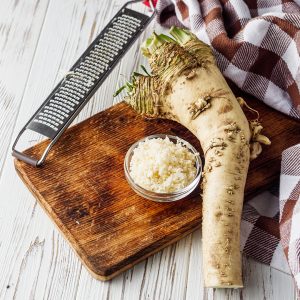
Advantages of Horseradish. The mustard family includes the peppery root vegetable horseradish. Colder climates are ideal for growing this vegetable, which is seeded in early spring or late fall. Horseradish is frequently used to season everything from fish to burgers and is often manufactured into a readymade sauce of the same name.
ADVANTAGES OF HORSERADISH
However, it tastes a lot like wasabi, which is a popular sushi garnish. The pungent, sharp flavor of horseradish makes it stand out from other vegetables. Horseradish sauce is produced by combining vinegar and shredded or pureed horseradish root with sour cream, radish or mayonnaise.
1. cuts down on inflammation

Also, a substance known as sinigrin is present in horseradish, just like in other plants in the mustard family. The immune system components that induce inflammation are blocked or altered by sinigrin, according to research. The same findings imply that sinigrin may alleviate atherosclerotic symptoms, but further research is necessary before any firm conclusions can be made.
2. protects against cell damage
Meanwhile, orseradish root is naturally rich in antioxidants, which can help protect your body from cellular harm by attaching themselves to free radicals. Additionally, preliminary study indicates that horseradish may inhibit the formation of stomach, lung, and colon cancer cells; nevertheless, more human studies are required by researchers and medical professionals.
3. antimicrobial qualities

According to early study, the phytochemical isothiocyanates found in horseradish may be able to eliminate the bacteria and fungi that cause food poisoning, stomach ulcers, and skin and nail fungus.
4. Assists with Digestion

Horseradish has a delicious flavor and aids in a healthy digestive system. For example, it supports the function of the liver. Horseradish belongs to a class of foods known as cholagogues because it causes the gallbladder to release bile, which is an essential part of digestion and keeps your entire body functioning properly.
5. Diuretic Properties
Also, because of its diuretic qualities, horseradish encourages urination. This is crucial for maintaining the cleanliness of your liver and for routinely eliminating toxins from your body.
6. Aid for Weight Loss

Meanwhile, horseradish is a safe addition to dishes because it is high in fiber and low in calories. Horseradish is therefore the solution if you want to add flavor without increasing your calorie intake. We enjoy adding it to sauces and salad dressings to enhance their flavor and cut down on the quantity of dressing or sauce required.
7. Inherently antimicrobial
However, according to studies, allyl isothiocyanate, an antibacterial component of horseradish, is present. This has been demonstrated in recent research to eradicate pathogenic bacteria and microorganisms that cause diseases. Additionally, horseradish may be useful in the treatment of UTIs. This is as a result of its dual diuretic and antibacterial qualities.
8. Increases Blood Flow and Eliminates Mucus
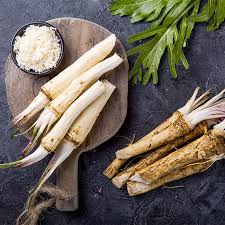
Although, horseradish may be your best buddy if you have a cold or sinus infection. Its high sulfur content has been demonstrated to aid in mucus removal and nasal channel clearing. Horseradish’s biocompounds can also encourage drainage and help with face circulation.
Summary
The root vegetable horseradish is well-known for its strong taste and smell. Its constituents may offer a range of health advantages, including the prevention of infections, cancer, and respiratory disorders. The most common way to eat horseradish is as a condiment. The ideal way to take supplements is under a doctor’s supervision.
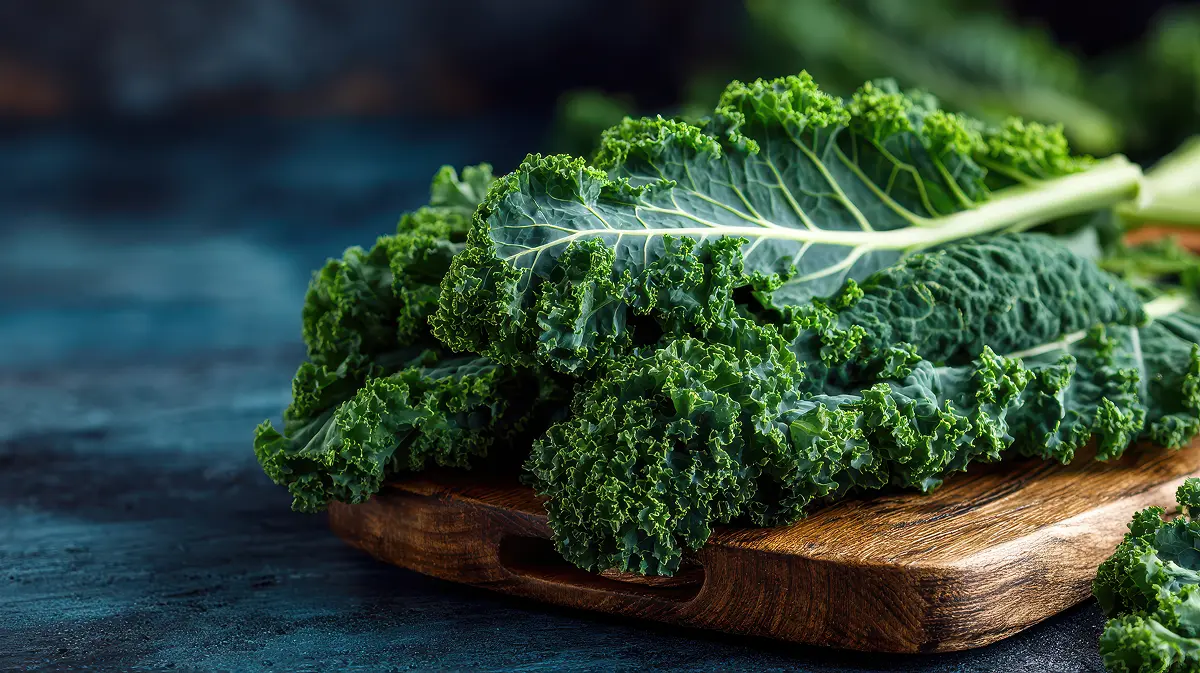
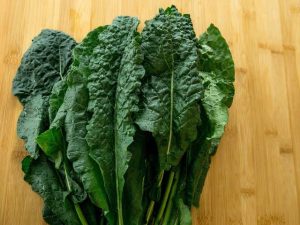
Nutritional Profile of Kale. More than just a popular superfood, kale is a nutrient-dense, adaptable vegetable that may greatly improve your diet. It is a beneficial addition to any meal because of its remarkable variety of vitamins, minerals, and antioxidants, which promote general health and wellbeing. Kale is a tasty method to increase your nutritional intake, whether it’s consumed raw, boiled, or mixed into smoothies.
NUTRITIONAL PROFILE OF KALE
In recent years, kale has become increasingly popular and has gained a reputation as a nutritious powerhouse. This leafy green vegetable, which is a member of the Brassica family, is praised for its many health advantages and rich nutrient profile. Kale is a useful and adaptable complement to your meals, whether you want to increase your vitamin intake or diversify your diet.
Nutritional Profile;
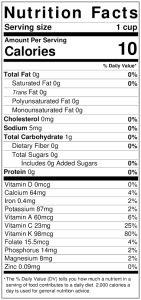
Kale is incredibly nutrient-dense, offering a wide array of vitamins and minerals in each serving:
Also, Kale is an excellent source of vitamins A, C, and K. Vitamin A supports vision and immune function. Vitamin C acts as a powerful antioxidant and boosts skin health, and vitamin K is crucial for blood clotting and bone health.
Alrhough, It provides significant amounts of calcium, potassium, and magnesium. All of which are essential for maintaining strong bones, muscle function, and cardiovascular health.
– Antioxidants: Kale is rich in antioxidants such as quercetin and kaempferol. This help protect the body from oxidative stress and inflammation.
– Fiber: High in dietary fiber, kale aids digestion, promotes a healthy gut, and can help lower cholesterol levels.
Health Benefits;
1. Improved Eye Health: The high content of vitamin A and antioxidants like lutein and zeaxanthin in kale support good vision and can help prevent age-related eye conditions.
2. Strong Bones: With substantial amounts of vitamin K and calcium, kale plays a crucial role in maintaining bone density and reducing the risk of osteoporosis.
3. Heart Health:

Nutritional Profile of Kale
Meanwhile, the fiber, potassium, and antioxidants in kale contribute to cardiovascular health by lowering blood pressure. Reducing cholesterol levels, and protecting against heart disease.
4. Anti-inflammatory Properties: The antioxidants and omega-3 fatty acids in kales help reduce inflammation, which is linked to chronic diseases such as arthritis, diabetes, and heart disease.
5. Cancer Prevention: Compounds in kales, like sulforaphane and indole-3-carbinol, have been shown to have anti-cancer properties, helping to protect against certain types of cancer.
Culinary Uses;
Nutritional Profile of Kale
Kale’s versatility makes it easy to incorporate into various dishes:
Also, Salads are raw kales can be massaged with olive oil and lemon juice to soften its texture and reduce bitterness, making it a hearty base for salads.
– Smoothies: Add a handful of kales to your morning smoothie for an extra nutrient boost without compromising on taste.
-Although, for Soups and Stews, kales can be added to soups, stews, and chilis, where it retains its texture and adds nutritional value.
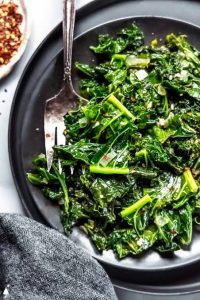
– Sautéed or Steamed: Sautéing or steaming kales with garlic and olive oil makes for a delicious and nutritious side dish.
However, Baked kale chip can be seasoned with salt and spices, provide a healthy alternative to traditional snacks.
Summary
Meanwhile, kale is a low-calorie leafy green that is incredibly nutrient-dense. About 7 calories, less than 1 gram of carbs, and an abundance of vitamins A, C, and K may be found in one raw cup (21 grams). Additionally, it has potent antioxidants that promote heart health and reduce inflammation.
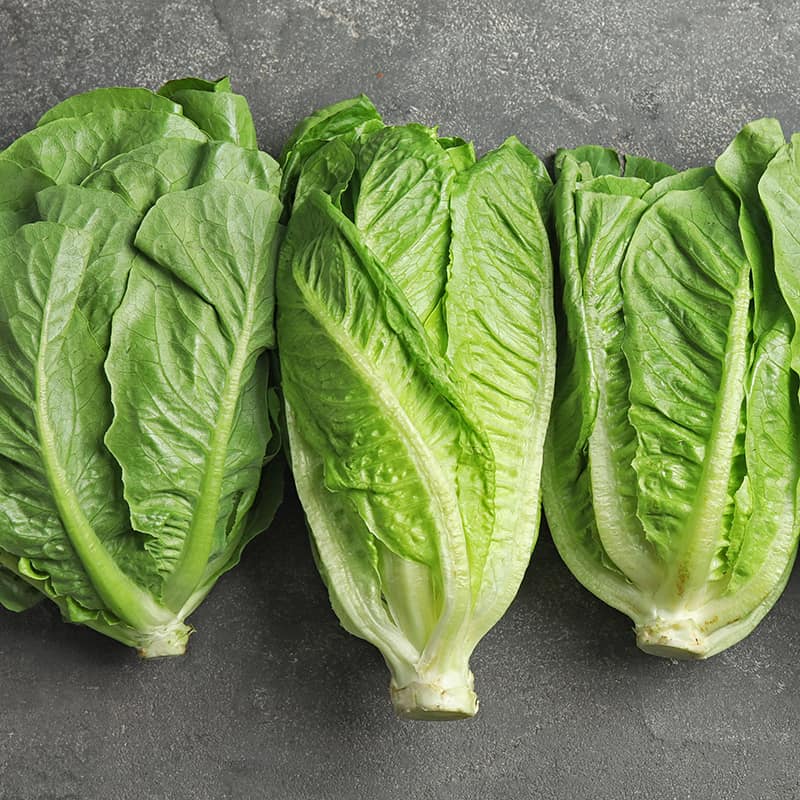
Nutritional impacts of Romaine Lettuce. It is a nutrient-rich leafy green with several health advantages, from improving digestion and heart health to supporting bone and eye health. It may be used in a variety of recipes, from salads and sandwiches to wraps and smoothies, thanks to its mild flavor and crisp texture. Adding romaine lettuce to your diet is a simple and tasty method to increase your consumption of important vitamins and minerals.
NUTRITIONAL IMPACTS OF ROMAINE LETTUCE
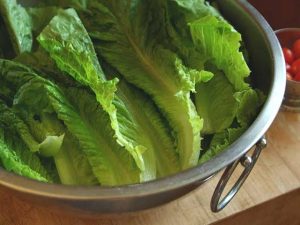
Romaine lettuce, sometimes referred to as cos lettuce, is a well-liked leafy green vegetable with a moderate flavor and crisp texture. Romaine lettuce, which is frequently used in salads and sandwiches, is not only tasty but also full of vital elements that support a balanced diet. Here’s a closer look at the unique qualities of romaine lettuce.
Nutritional Profile;
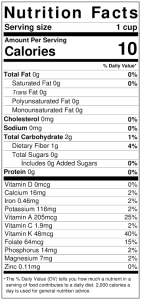
cos lettuce is low in calories but high in vitamins and minerals. A one-cup serving of chopped romaine lettuce provides:
– Calories: Approximately 8
– Vitamin A: 81% of the daily recommended intake
– Vitamin K: 60% of the daily recommended intake
– Folate: 16% of the daily recommended intake
– Vitamin C: 15% of the daily recommended intake
Additionally, romaine lettuce contains small amounts of calcium, potassium, magnesium, and dietary fiber.
Health Benefits;
1. Supports Eye Health:
• Cos lettuce is rich in vitamin A and beta-carotene, which are essential for maintaining healthy vision. These nutrients help protect the eyes from age-related conditions such as macular degeneration and cataracts.
2. Boosts Immune System:

• The high vitamin C content in romaine lettuce helps boost the immune system, supporting the body’s ability to fight off infections and diseases.
3. Promotes Heart Health:
• cos lettuce contains folate, a B-vitamin that helps lower levels of homocysteine, an amino acid associated with an increased risk of heart disease. Additionally, the potassium in romaine lettuce helps regulate blood pressure, further supporting cardiovascular health.
4. Aids Digestion:
• The fiber in cos lettuce promotes healthy digestion by adding bulk to the stool and preventing constipation. It also supports a healthy gut microbiome, which is essential for overall digestive health.
5. Bone Health:

• Vitamin K, abundant in cos lettuce, is crucial for bone health. It helps in the synthesis of proteins necessary for bone formation and mineralization, reducing the risk of osteoporosis and fractures.
Culinary Uses;
Nutritional impacts of Romaine Lettuce
Cos lettuce is highly versatile and can be used in a variety of dishes:
– Salads: cos lettuce is a key ingredient in classic salads like Caesar salad. Its crisp texture makes it perfect for fresh, crunchy salads.
– Wraps: Use romaine leaves as a low-carb alternative to tortillas for wraps and tacos.
– Sandwiches: Add romaine to sandwiches and burgers for added crunch and nutrition.
– Smoothies: Blend romaine into green smoothies for an extra boost of vitamins and minerals.
– Grilled: Lightly grill romaine hearts for a unique and flavorful side dish.
Growing Romaine Lettuce;
Nutritional impacts of Romaine Lettuce
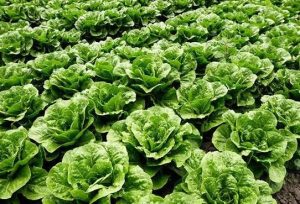
Romaine lettuce is relatively easy to grow in home gardens. It thrives in cool weather and can be planted in spring and fall. Romaine prefers well-drained soil and regular watering. It can be harvested by cutting the outer leaves, allowing the plant to continue producing new growth.
Summary
It is rich in minerals, including calcium, phosphorus, magnesium, and potassium, despite having little fiber. It has a low salt content by nature. Additionally, romaine lettuce is a great source of folate, vitamin K, and vitamin C. It is a good source of beta carotene, which the body uses to make vitamin A.

Nutritional Facts of Pumpkin. A classic autumnal icon, the pumpkin is more than just a festive decoration. This adaptable squash is a great addition to your diet all year round because it is nutrient-rich and has many health advantages. It is a nutrient-dense food with many health advantages, not merely a seasonal delight. Adding pumpkin to your diet can improve your nutrition and promote general wellbeing, whether you’re eating it in a festive pie or a cozy soup.
NUTRITIONAL FACTS OF PUMPKIN
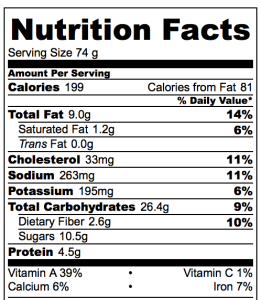
Packed with vitamins, minerals, and antioxidants, pumpkin is a low-calorie, high-nutrient vegetable. About 49 calories, 12g of carbs, and 3g of fiber are found in one cup (245g) of cooked pumpkin. It provides more than 200% of the daily required amount of vitamin A, as well as potassium and vitamin C.
Nutritional Profile;
Pumpkins are low in calories but rich in essential vitamins and minerals, including:
– Vitamin A: Pumpkins are an excellent source of beta-carotene, which the body converts into vitamin A. This nutrient supports vision, immune function, and skin health.
– Vitamin C:

Helps boost the immune system, aids in collagen production, and acts as a powerful antioxidant.
– Fiber: High in dietary fiber, which supports digestive health and can aid in weight management by promoting feelings of fullness.
– Potassium: Contributes to heart health by helping regulate blood pressure and balance fluids in the body.
Health Benefits;
1. Vision Health:

Nutritional Facts of Pumpkin
The high vitamin A content in pumpkin supports healthy vision and may help prevent age-related macular degeneration.
2. Immune Support: Vitamin C boosts the immune system, helping to fend off illnesses and infections.
3. Digestive Health:

Nutritional Facts of Pumpkin
The fiber in pumpkin aids in digestion, helps maintain bowel regularity, and can contribute to a healthy digestive tract.
4. Heart Health: Potassium helps regulate blood pressure, reducing the risk of cardiovascular issues.
Culinary Uses;

Pumpkin is incredibly versatile in the kitchen. It can be enjoyed in a variety of forms, including roasted, pureed, or in soups and stews. Pumpkin is also a popular ingredient in baked goods such as pies, muffins, and bread. Its natural sweetness and rich texture make it a perfect addition to both savory and sweet dishes.
Summary
A pumpkin has a thick, ribbed orange rind and is a big, round winter squash. It is highly valued as a nutritious culinary element and for cultural events, particularly as carved jack-o’-lanterns for Halloween. It is a member of the gourd family (Cucurbitaceae).
Foods Rich in Zinc

Appetite Enhancement Tips

Nutritional Value of Rolled Oats

A Step-by-Step Guide to Deleting Reels on Instagram

A Comprehensive Guide to Setting Up a YouTube Premiere

How to Create a WhatsApp Group
-

 Health4 weeks ago
Harmful side effects of earphones
-

 Self esteem4 weeks ago
Tips for self esteem improvement
-

 Exercise4 weeks ago
Regular physical activities importance
-

 Business3 weeks ago
Local business promotion
-

 Health4 weeks ago
Headphones safety tips
-

 Entertainment3 weeks ago
Women and British dance music