plants
Advantages of Jade Plants

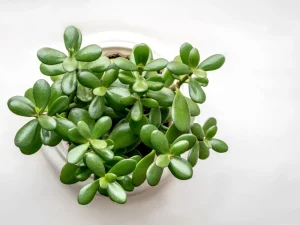
Advantages of jade plants. Jade plants are common in gardens and homes because of their robust growth and thick, glossy leaves. Even though they are valued for their symbolic meaning and visual appeal, it’s critical to recognize both their advantages and disadvantages. Six important factors to take into account when adding a jade plant to your collection will be covered in this guide.
ADVANTAGES OF JADE PLANTS
Commonly referred to as the Jade plants, Crassula ovata is also known as the Money Plant, Dollar Plant, Lucky Plant, and Friendship tree. You must have one in your home because of how well-liked houseplants are. And after reading this article’s list of advantages forJade plants, , you’ll be growing them indoors if you haven’t already!
1. improves indoor air quality
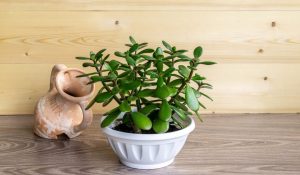
Recent studies have shown that indoor air can be just as polluted and lethal as outdoor air. Symptoms include headache, nausea, dizziness, allergies, and lack of concentration, and it can even result in the “Sick Building Syndrome.” Although the best defense against this is adequate ventilation, air-purifying houseplants such as the jade plant, spider plant, golden pothos, snake plant, dracaena, and aloe vera can also be used.
2. It Enhances Humidity

Low indoor relative humidity can impact your health and appearance. Symptoms such as dry skin, chapped lips, an itchy throat, static electricity, colds and flu, and allergies can arise. Furthermore, dry air allows infectious bacteria and viruses to thrive for extended periods. While humidifiers are excellent for raising indoor humidity levels, houseplants can also contribute; the best options include Pothos, peace lily, spider plant, jade plant, and philodendron.
3. Simple Upkeep
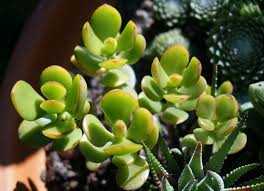
The Jade Plant’s low maintenance requirements are one of its key benefits. It thrives on the “drench and dry” technique, which involves giving it a full watering and then letting the soil dry entirely before giving it another one. Although they prefer a sunny location, jade plants can also tolerate a range of light levels, including low light and bright, indirect sunshine.
4. A lucky charm

The jade plant is a symbol of wealth, success, and good fortune in many civilizations. According to feng shui experts, putting a jade plant in the southeast corner of your house or place of business will draw prosperity and good vibes. Because of this notion, the jade plant is known as the “money plant.” It is a well-liked housewarming gift because of its connections to prosperity and good fortune.
5. Lessens Stress

Numerous studies have demonstrated the positive effects of indoor plants on mental health and stress reduction. Having a jade plant in your house can help to create a relaxing atmosphere that lowers anxiety and encourages relaxation.
6. Extended Lifespan

Jade plants have a reputation for being long-lived. They can live for many years, even decades, if given the right care. Because of this, they are a long-term investment for your house that will pay you for many years to come. A well-maintained jade plant can become a treasured feature of your home, unlike some that need to be replaced often.
Summary
From raising your home’s visual appeal to lowering stress and boosting air quality, the jade plant has several advantages. It is a great option for any home because of its long lifespan and low maintenance requirements. Whether you want to bring good fortune and positive energy into your home or just add a little greenery,


The sensitivity of aloe vera. It is a succulent plant with gel-filled leaves that is used for a variety of skincare and medical applications because of its calming and restorative qualities. Although it is said to have originated in the Arabian Peninsula, it may today be found growing in many warm-climate regions, including as sections of the Americas, Africa, and Asia.
THE SENSITIVITY OF ALOE VERA
Although aloe vera is typically harmless and calming, some people may be sensitive to it, which could produce skin irritation, redness, burning, or stinging sensations. Allergic reactions (contact dermatitis) are uncommon but can happen, especially to people who are allergic to plants of the Liliaceae family (garlic, onions, and tulips). Before broad use, a patch test is advised.
Aloe vera is used for the following:
1. Skincare:

It is used in skincare products like lotions and creams due to its hydrating and soothing properties. It helps moisturize the skin without a greasy feel.
2. Sunburn Relief: The gel from aloe vera leaves is often applied topically to soothe sunburned skin. It provides a cooling sensation and may aid in reducing inflammation.
3. Wound Healing:

Aloe vera has been used traditionally to promote wound healing. Its gel contains compounds that may assist in accelerating the healing process for minor cuts and burns.
4. Anti-Inflammatory: The plant’s anti-inflammatory properties make it useful for alleviating skin conditions such as eczema or psoriasis.
5. Hair Care: Aloe vera is sometimes used in hair care products for its moisturizing qualities. It may help reduce dandruff and promote a healthier scalp.
6. Cosmetic Products:

The sensitivity of aloe vera
Aloe vera is included in various cosmetics like makeup, cleansers, and moisturizers for its beneficial effects on the skin.
7. Digestive Health:
Some people consume the juice for potential digestive benefits. However, this should be done cautiously, as excessive ingestion may lead to adverse effects.
Always ensure the quality and purity of aloe vera products, and if you have specific health concerns, consult with a healthcare professional before use.
While it is generally considered safe for topical use, it can have side effects, especially when ingested.
1. Tropical Use:

The sensitivity of aloe vera
Some individuals may be allergic to it, leading to skin irritation or redness. It’s advisable to do a patch test before widespread use.
2. Ingestion: Consuming It’s products internally, especially in large amounts, can cause digestive discomfort, cramps, and diarrhea. The latex layer, found just under the skin of the leaf, contains compounds that can be harsh on the digestive system.
3. Pregnancy:

The sensitivity of aloe vera
Also, pregnant women are advised to avoid ingesting it, as it may stimulate uterine contractions. Stay tuned for more informations.
Summary
Particularly before taking aloe vera internally, it’s critical to adhere to suggested usage guidelines, be mindful of personal sensitivities, and speak with a healthcare provider.


Plants and climates. Heat, drought, extreme weather) stresses plants, forcing them to adapt, migrate, or face extinction, affecting ecosystem services like food and carbon storage. In turn, plants have a significant impact on weather and climate through their ability to absorb CO2 (photosynthesis), release moisture (transpiration), and change land surfaces. This produces a feedback loop in which the climate is moderated by healthy vegetation, but plants are harmed by climate disruption, which further affects the climate.
PLANTS AND CLIMATES
Use mulch to keep soil moisture, especially in hot or dry conditions, water deeply in the morning, and avoid wetting foliage while caring for plants in different regions. For arid regions, select drought-tolerant plants, while for humid regions, make sure there is adequate drainage. Maintain healthy, compost-rich soil for resistance, provide shade during extreme heat, and fertilize sparingly during heatwaves.
Tips for Choosing the Right Plant;

PLANTS AND CLIMATES
1. Recognize Your Hardiness Zone: Establishing your hardiness zone should be one of your priorities. Knowing your hardiness zone will help you choose plants that will thrive in the variety of temperatures in your location.
2. Recognize Temperature Extremes: Whether it’s sweltering summers or bitterly cold winters, every climate has temperature extremes. When choosing plants, it is imperative to take these extremes into account. Choose plants that can survive in the least and maximum typical temperatures in your region.

PLANTS AND CLIMATES
3. Take Temperature Preferences into Account: Knowing the different plants’ preferred temperatures is just as vital as knowing about temperature extremes. While some plants need warmer temperatures to thrive, others do best in cooler settings.
4. Evaluate Rainfall Patterns: varying regions have somewhat varying rainfall patterns. While some regions have distinct rainy and dry seasons, others see year-round adequate rainfall. Selecting plants that are suited to the local water availability will be made easier if you are aware of the patterns of rainfall in your area.

PLANTS AND CLIMATES
5. Assess Soil Conditions: The fertility and composition of the soil have a big impact on plant growth. Consider the pH level, drainage ability, and nutritional content of your soil before selecting plants to grow in it. While some plants favor neutral or alkaline soil, others flourish in acidic soil.
Summary
selecting a plant that is appropriate for your climate. Choosing plants for your yard may be an enjoyable and fulfilling endeavor. However, it’s crucial to select suitable plants. By keeping your climate, rainfall, and temperature in mind, you can ensure the long-term success of your garden. In this blog post, we’ll go over some key recommendations to help you choose the ideal plants for your surroundings.


Plants and winter season. When a hemisphere tilts away from the Sun, winter is the coldest season, with shorter days and longer nights. It usually lasts from December to February in the Northern Hemisphere and from June to August in the Southern Hemisphere. It begins astronomically with the Winter Solstice (around December 21/June 21) and meteorologically in December/June. Since Earth is truly closest to the Sun in early January, it brings with it chilly temperatures, the possibility of snowfall, plant dormancy (bare deciduous trees), animal hibernation, and cultural festivals.
PLANTS AND WINTER SEASON
From mosses to trees, plants are a variety of vital living things in the kingdom Plantae. They are mainly known for producing their own food through photosynthesis, which uses sunlight, water, and CO2 for energy and oxygen. They also form the foundation of most food webs, providing oxygen, food, medicine, and soil stability. The word “plant” can also refer to something that is placed in the ground to grow, industrial machinery, or even a spy.
Guidelines;

PLANTS AND WINTER SEASON
1. Spread a layer of mulch. Mulch is a garden miracle worker at any time of year and an essential component of winter care. Consider mulch to be a blanket that protects the garden from the elements during the winter. A typical winter problem is a soil heaving or uplift produced by freeze-thaw cycles. Soil heaving can physically lift shallow-rooted plants, such as heuchera and gaillardia, out of the earth, exposing their vulnerable crowns and roots to frigid temperatures. Mulch helps to keep soils consistently cool, reducing disruptive freeze-thaw cycles.
2. Watering during the winter It may seem senseless to water gardens when many plants are dormant, but there are several solid reasons to do so.
Evergreen trees and bushes lose much water during cold, dry weather, especially on windy days. If rainfall is insufficient, these plants require additional irrigation at least once per month during the winter to keep soils moist.

PLANTS AND WINTER SEASON
3. Guard Sensitive Trees Trees with thin or smooth bark may benefit from a trunk wrap in late fall to protect against a condition known as southwest damage or sunburn. This sort of damage is produced by the freezing and thawing of water in the trunk and appears on the southwest section of the trunk that is exposed to the warm afternoon light.
4. Container Plants in Winter Some plants may survive winter in pots, but others need protection. We use USDA winter hardiness ratings to identify plants that can withstand our winter temperatures when planting in the garden.
Gardening in a changing climate.
Summary
While many hardy plants, such as Hellebores, Winter Jasmine, Snowdrops, and some kale/broccoli varieties, bloom or provide interest, gardeners must protect them with mulch and prepare for spring by planting hardy seeds during cold periods for late germination. In the winter, I am preserving plants. Winter weather is erratic. Particularly in the South, unforeseen cold spells and frequent temperature fluctuations can harm landscaping plants. Plants can be preserved and damage reduced with a few easy tasks.

Agricultural sector of the economy

Agricultural forms

Tips for successful proofreading

A Step-by-Step Guide to Deleting Reels on Instagram

A Comprehensive Guide to Setting Up a YouTube Premiere