adventure
Adventure Survival Tips


ADVENTURE SURVIVAL TIPS
Adventure survival tips. The most important rule for successful traveling is to be ready for everything, whether you’re heading to the mountains or starting your longest hike to yet. It might be thrilling to discover the beauties of nature, but in order to have a safe and fun journey, you must be prepared with outdoor survival skills.
ADVENTURE SURVIVAL TIPS
We’ll explore crucial advice in this post that every intrepid traveler needs to be aware of in order to survive and thrive in the wild. Before you put on your boots and venture into the wilderness, let’s quickly review some essential survival advice. We go over everything you might need to know to meet any obstacle head on, from preparation to mastering key skills.
1. Get ready and make a plan in advance
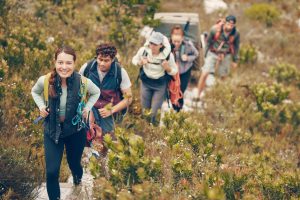
Examine the climate and surroundings. Spend some time learning about the local climate and environment before venturing into the bush. You can make better decisions and be more ready for what’s ahead if you have a thorough understanding of the terrain, fauna, and potential threats. Check the trail conditions, weather predictions, and any other pertinent information for the area you plan to explore.
2. Learn how to navigate
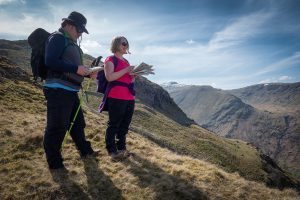
Learn how to use GPS devices, maps, and compasses. For navigating in the outdoors, maps, compasses, and GPS units are necessary equipment. Learn how to read topographic maps and become familiar with the scale, contour lines, and symbols. To find your direction and orient yourself, learn how to use a compass. Additionally, before your excursion, spend some time learning how GPS devices work and practicing their use. These resources will serve as your traveling companions, assisting you in staying on course and arriving at your intended locations.
3. Construct a shelter
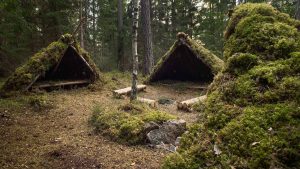
Finding appropriate shelter sites Selecting the ideal site for your shelter is essential. Seek out places that offer natural defense, like the leeward side of cliffs or hills. Steer clear of low-lying, flood-prone places. Make a note of any possible dangers, such as fallen trees or loose stones. You may improve your shelter’s efficiency and protect yourself from environmental dangers by picking a good spot.
4. Locate and clean water
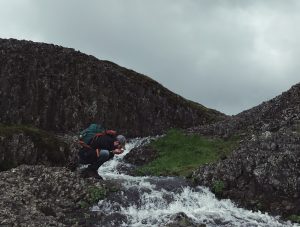
In the wild, locating water sources can save lives. Look for evidence of water, such as plants, animal traces, or sunk earth, which could point to the existence of subterranean springs. You may be able to locate a nearby stream or river by listening for the sound of flowing water. Melting snow or ice can potentially be used as a source of water if you’re close to mountains. Always look for water as soon as you can, and be proactive in your search. Avoid dehydration.
5. Light a fire

In a survival scenario, fire has several uses. It helps with food preparation, serves as a signal for rescuers, provides warmth on chilly evenings, and provides psychological support. Additionally, fire can offer a sense of security in the dark and deter hazardous creatures. Knowing the value of fire and its many uses can help you prioritize it in your survival attempts.
6. Keep an optimistic attitude

Having a positive outlook can be your greatest strength in survival situations. Here are some tips for developing mental toughness and maintaining concentration during adventures.
Summary
Keep in mind that this is only the start of your survival quest. Regular practice and improvement of these abilities are crucial. Remain inquisitive, keep learning, and look for chances to expand your understanding of surviving.
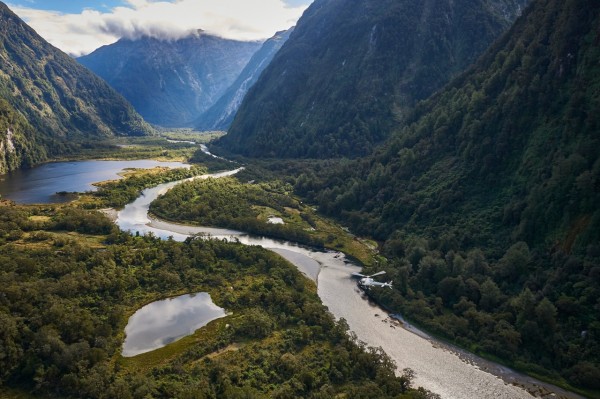
Fiordiland national park. The strength and beauty of nature are demonstrated by Fiordland National Park. A spot where peaceful beauty blends with untamed wilderness. Whether trekking through its old forests or visiting its mist-covered fjords. Visitors to Fiordland will undoubtedly be enthralled by its captivating scenery and timeless charm, whether they are just admiring its magnificent waterfalls. considered one of the most cherished natural treasures in New Zealand. Everyone who enters Fiordland National Park is welcome to discover the wonders of nature.
FIORDILAND NATIONAL PARK
Nestled in the remote southwestern corner of New Zealand’s South Island. Fiordland National Park stands as a testament to the raw beauty and untamed wilderness of Aotearoa. Renowned for its rugged fjords, cascading waterfalls, and ancient forests, this UNESCO World Heritage Site offers a haven for adventurers and nature enthusiasts alike. Let us embark on a journey to uncover the wonders of Fiordland National Park.
A Tapestry of Landscapes;
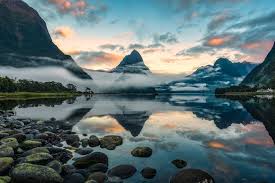
Fiordland National Park is a land of contrasts, where towering peaks meet deep fiords and lush rainforests merge with windswept coastline. At the heart of the park lies Milford Sound, one of the most iconic and visited fjords in New Zealand. Carved by glaciers during the last Ice Age, Milford Sound’s sheer cliffs rise dramatically from the dark waters, creating a spectacle of natural grandeur.
Waterfalls and Wildlife;
The fiords of Fiordland are adorned with countless waterfalls, their waters cascading from towering heights to the depths below. Among the most famous is Stirling Falls, a majestic waterfall that plummets over 500 feet into Milford Sound. The park is also home to a diverse array of wildlife, including fur seals, dolphins, and Fiordland crested penguins, which thrive in the park’s pristine marine and terrestrial habitats.
Tramping Trails and Treks;
Fiordiland national parkFor those seeking adventure on foot, Fiordland National Park offers a network of tramping trails and treks. That wind through its rugged landscapes. The Milford Track, often referred to as the “finest walk in the world,” takes hikers on a journey from Lake Te Anau to Milford Sound. Passing through ancient beech forests, alpine meadows, and alongside cascading rivers. Other popular tracks include the Kepler Track, Routeburn Track, and Hollyford Track, each offering its own unique blend of scenery and challenges.
Preservation and Conservation;
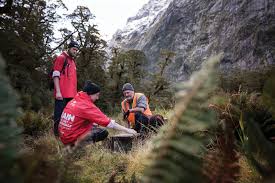
Fiordland National Park is not only a place of extraordinary beauty but also a sanctuary for conservation and preservation. Its remote location and rugged terrain have helped protect its ecosystems from many of the threats facing other natural areas. Efforts are ongoing to protect and restore native species and habitats. Ensuring that future generations can continue to marvel at the park’s natural wonders.
Cultural Significance;
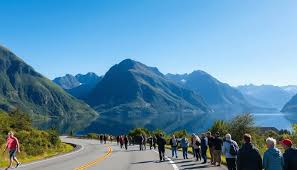
Fiordiland national park
Fiordland National Park holds deep cultural significance for the indigenous Māori people, who have inhabited the region for centuries. The park’s landscapes are steeped in Māori legends and traditions, with many landmarks and features holding names and stories passed down through generations. Visitors to the park have the opportunity to learn about Māori culture and history through guided tours and interpretive displays.
Summary
Numerous endangered natural wildlife, including dolphins, bats, reptiles, insects, and endangered bird species that are native to New Zealand, such the takahē, mōhua, kākāpō, and southern brown kiwi, find sanctuary in the park.
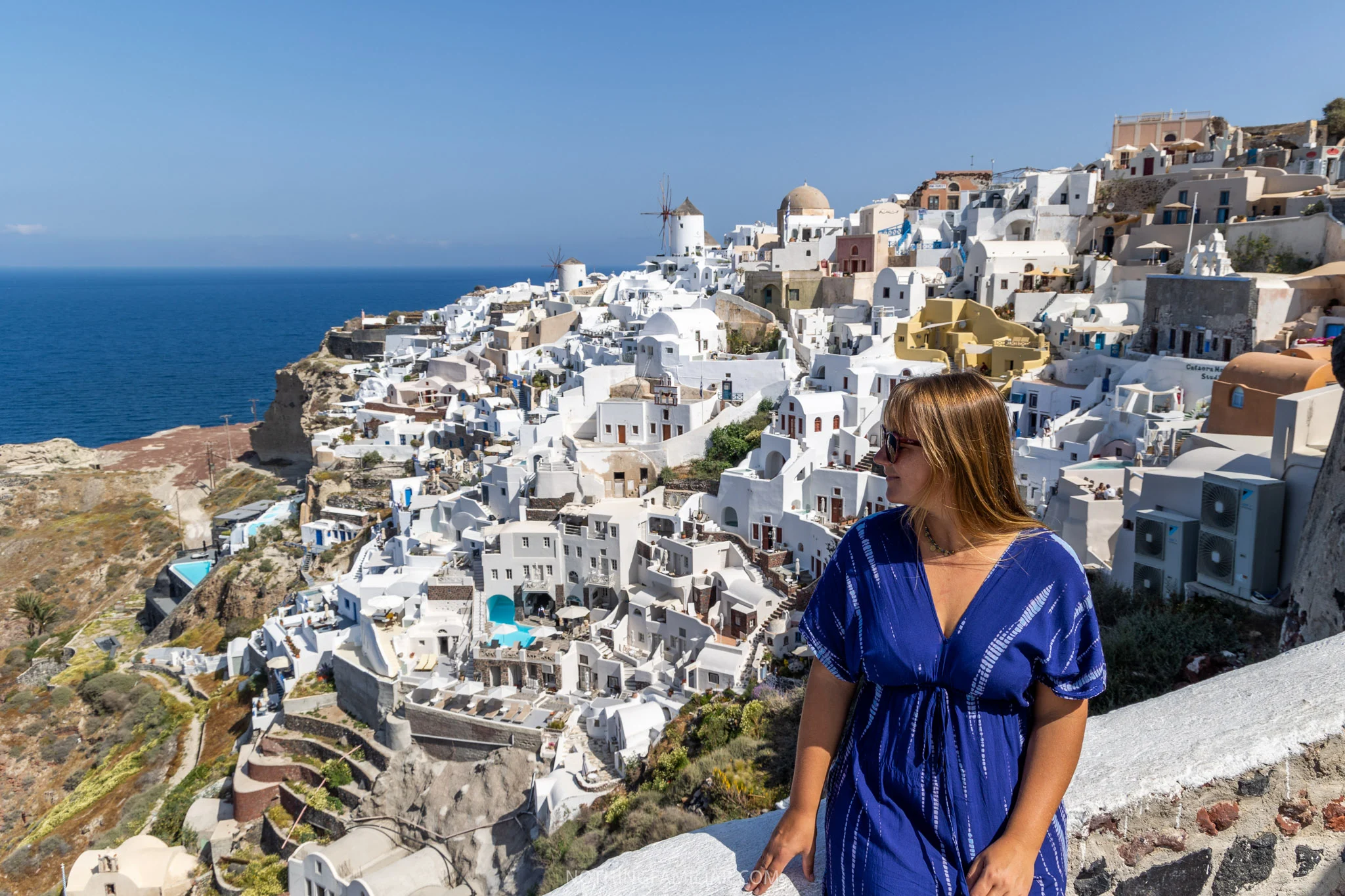
What to do in Santorini. It offers a wide range of experiences that honor the island’s natural beauty and rich history, from breathtaking sunsets to cultural treasures and outdoor adventures. Whether you’re looking for adventure, romance, or relaxation, Santorini’s captivating landscapes and friendly locals are sure to make a lasting impression on your heart and soul.
WHAT TO DO IN SANTORINI
it offers a wide range of experiences that honor the island’s natural beauty and rich history, from breathtaking sunsets to cultural treasures and outdoor adventures. Whether you’re looking for adventure, romance, or relaxation, Santorini’s captivating landscapes and friendly locals are sure to make a lasting impression on your heart and soul.
1. Watch the Sunset in Oia;
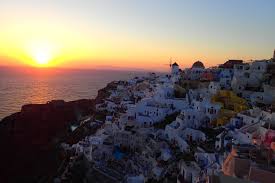
No trip to Santorini is complete without witnessing the iconic sunset in Oia. Perched atop the island’s northern cliffs, Oia offers unparalleled views of the sun sinking into the horizon, painting the sky in hues of orange and pink. Join the crowds gathered at the castle ruins or find a secluded spot along the caldera for a truly magical sunset experience.
2. Explore the Picturesque Villages;
Take a leisurely stroll through the island’s charming villages, characterized by narrow cobblestone streets, whitewashed buildings, and vibrant bougainvillea. Explore the labyrinthine alleys of Fira, discover the traditional architecture of Pyrgos, and wander through the blue-domed churches of Imerovigli.
3. Visit the Ancient City of Akrotiri;
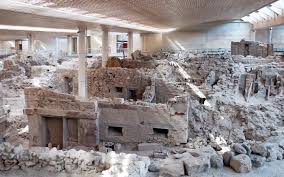
Step back in time with a visit to the ancient city of Akrotiri, often referred to as the “Minoan Pompeii.” This remarkably well-preserved archaeological site offers insights into the advanced civilization that thrived on Santorini over 3,500 years ago. Marvel at the excavated ruins, including multi-story buildings, frescoes, and pottery.
4. Relax on Red Beach in Santorini;
Unwind on the unique shores of Red Beach, where crimson cliffs contrast with the deep blue waters of the Aegean Sea. While swimming and sunbathing are popular activities here, be sure to take in the striking natural beauty of the volcanic landscape and dramatic rock formations.
5. Sample Local Cuisine in Santorini;

What to do in Santorini
Indulge in Santorini’s delectable cuisine, which showcases fresh seafood, locally grown produce, and traditional Greek flavors. Savor dishes such as fava, a creamy yellow split pea puree, grilled octopus drizzled with olive oil and lemon, and moussaka, a hearty eggplant and meat casserole.
6. Experience Wine Tasting in Santorini;
Explore Santorini’s flourishing wine scene with a visit to one of its many wineries. Taste distinctive varietals such as Assyrtiko, Athiri, and Aidani, which thrive in the island’s volcanic soil. Enjoy panoramic views of the vineyards and the sea as you sample award-winning wines accompanied by local cheeses and delicacies.
7. Sail around the Caldera;
What to do in Santorini
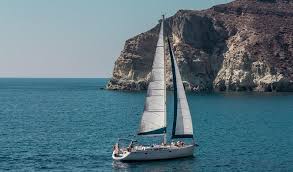
Embark on a scenic boat tour around the caldera, the submerged crater that gives Santorini its dramatic landscape. Admire the sheer cliffs rising from the sea, explore hidden caves and coves, and take a refreshing dip in the crystal-clear waters. Don’t miss the opportunity to snorkel or dive in this underwater paradise.
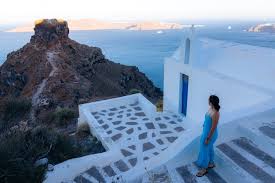
8. Climb to the Top of Skaros Rock in Santorini;
What to do in Santorini
Hike to the summit of Skaros Rock, a rocky outcrop near Imerovigli offering panoramic views of the caldera and surrounding islands. This scenic trek takes you past remnants of a medieval fortress and rewards you with breathtaking vistas of the azure sea and Santorini’s iconic whitewashed architecture.
Summary
Hiking from Fira to Oia, visiting the distinctive black sand beaches, sailing the volcanic caldera on a catamaran, and witnessing the well-known sunset in Oia are all top activities in Santorini. Explore the historic remains of Akrotiri, visit the charming, vibrant Ammoudi Bay, and sample regional wines at vineyards.
World of Iceland Glaciers. Iceland’s, 269 glaciers, which make up around 10% of the country, are enormous, unstable ice caps and outlet glaciers, with Vatnajökull being the largest by volume in Europe. Sõheimajěull, Falljökull, and Langjökull are important glaciers that are accessible for hiking and ice caves. These locations are frequently reached through trips offered by Guide to Iceland or itineraries offered by Iceland ProTravel.
WORLD OF ICELAND GLACIERS
Nestled in the frigid embrace of the North Atlantic, Iceland is a land of stark contrasts and breathtaking natural beauty. While its landscapes are renowned for their volcanic majesty, another force of nature reigns supreme – the mighty glaciers that blanket this rugged island nation. From Europe’s largest glacier to dynamic ice formations sculpted by millennia of frozen evolution, Iceland’s glaciers offer a glimpse into a world both enchanting and imperiled.
1. Vast Glacier Coverage;
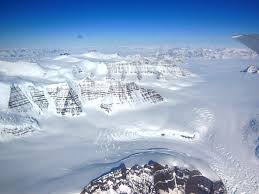
Iceland is home to Europe’s largest glacier, Vatnajökull, covering approximately 8% of the country’s landmass. In total, glaciers cover about 11% of Iceland’s surface area.
2. Dynamic Ice Formations;
Iceland’s glaciers are constantly changing due to shifting temperatures and precipitation patterns. They feature spectacular ice formations, including ice caves, crevasses, and towering icefalls.
3. Melting Rate;
World of Iceland Glaciers
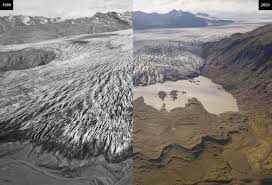
Like many glaciers around te world, Iceland’s glaciers are experiencing accelerated melting due to climate change. Scientists estimate that Iceland’s glaciers lose about 11 billion tons of ice annually.
4. Glacial Rivers;
Iceland’s glaciers feed numerous glacial rivers, which carve their way through volcanic landscapes, creating stunning waterfalls and canyons. These rivers also play a vital role in hydroelectric power generation.
5. Glacial Lakes;
World of Iceland Glaciers
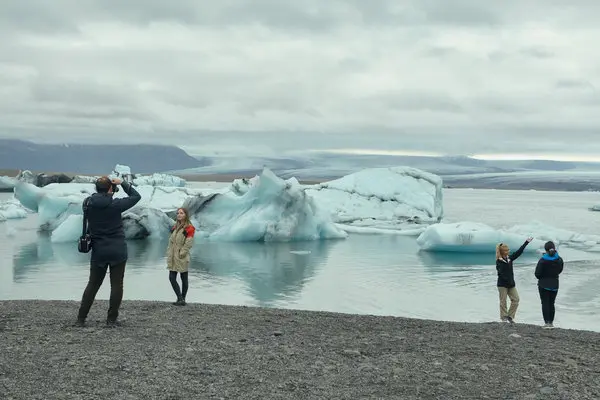
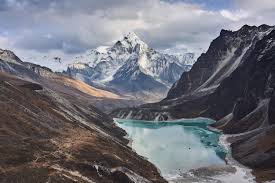
As glaciers retreat, they leave behind glacial lakes known as “iceberg lagoons.” One of the most famous is Jökulsárlón, where visitors can witness icebergs breaking off from the glacier and drifting into the lagoon.
6. Glacial Hiking and Ice Climbing;
Iceland’s glacier offer unique opportunities for adventure seekers to explore their icy realms. Guided tours provide the chance to hike on the glaciers’ surface or even try ice climbing under the supervision of experienced guides.
7. Glacial Volcanism;
World of Iceland Glaciers
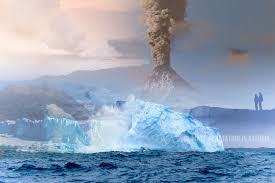
Iceland’s glacier sit atop a geologically active region, resulting in the interaction between ice and volcanic activity. Glacial outburst floods, known as jökulhlaups, can occur when volcanic eruptions melt large quantities of ice, releasing immense amounts of water.
Summary
About 10% of Iceland is covered by glaciers, such as Vatnajökull and Langjökull, which are enormous ice caps that provide year-round trekking, snowmobiling, and natural blue ice cave exploring. Iceland’s topography depends on these quickly melting, active volcanic, and “living” ice formations, the biggest of which are located in the central and southeast highlands.

Agricultural sector of the economy

Agricultural forms

Tips for successful proofreading

A Step-by-Step Guide to Deleting Reels on Instagram

A Comprehensive Guide to Setting Up a YouTube Premiere