Health
Alligator Pepper Usage

Alligator pepper usage. Aframomum melegueta, the technical name for alligator pepper, is a tiny seed with a potent flavor and array of health advantages. Originally from West Africa, this spice is highly valued for its distinct blend of heat, spice, and mild sweetness. It is closely linked to ginger and cardamom. In addition to being prized for its culinary applications, alligator pepper is an important component of traditional medicine and cultural customs.
ALLIGATOR PEPPER USAGE
More than just a spice, alligator pepper is a multipurpose natural wonder with culinary, therapeutic, and cultural value. Alligator pepper can help you connect with rich traditions, boost your health, or provide a blast of flavor to your cuisine. You can discover its numerous advantages and embrace the tradition it represents by incorporating it into your daily practice.
1. Culinary Delight;
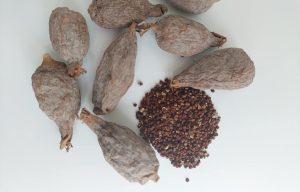

Alligator peppers are prized for its intense flavor, which can transform a dish from ordinary to extraordinary. The seeds are often ground and used as a seasoning to add depth and warmth to soups, stews, and sauces. In many West African cuisines, alligator pepper is used to spice up meat and fish dishes, giving them a distinct, peppery kick. The flavor profile is complex, offering a mix of earthy and citrusy notes that can enhance both sweet and savory recipes.
2. Rich in Nutrients and Antioxidants;
Alligator peppers are packed with beneficial nutrients and antioxidants that promote overall health. The seeds contain vitamins such as vitamin A, C, and E, along with essential minerals like magnesium, zinc, and calcium. The antioxidants in alligator pepper help fight free radicals in the body, supporting the immune system and potentially reducing the risk of chronic diseases.
3. Traditional Medicinal Uses;
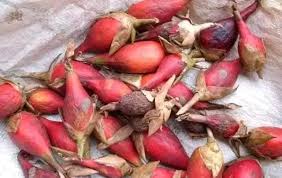

For centuries, alligator peppers has been used in traditional African medicine to treat a range of ailments. It is known for its anti-inflammatory and antimicrobial properties, which make it effective in easing digestive issues, such as indigestion, bloating, and stomach pain. Chewing the seeds or consuming them in a tea can also help soothe sore throats and relieve coughs.
4. Cultural and Social Significance;
Alligator pepper holds cultural significance in various African traditions. It is often used during significant ceremonies, including births, weddings, and funerals, symbolizing warmth, hospitality, and respect. Offering alligator pepper is a gesture of goodwill and welcome in some communities. Additionally, it is sometimes included in rituals and spiritual practices as a protective agent against negative energy.
5. Aphrodisiac Properties;

Alligator pepper usage
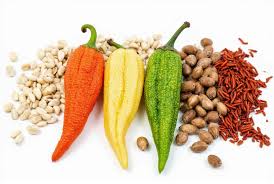
In addition to its health benefits, alligator peppers has long been considered an aphrodisiac. Traditional beliefs hold that consuming the seeds can help boost energy and libido. While scientific evidence is limited, anecdotal accounts continue to celebrate alligator pepper’s stimulating effects.
6. How to Use Alligator Pepper;

Alligator pepper usage
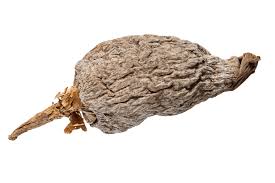
Using alligator pepper is simple but may require some preparation. The seeds are encased in a pod, which must be opened to access them. Once extracted, the seeds can be ground into a powder or used whole, depending on the dish. A small amount goes a long way due to the spice’s potency, so it’s best to start with a minimal quantity and adjust as needed.
Summary
The spicy West African spice known as alligator pepper (Aframomum melegueta) is used in traditional medicine for inflammatory and digestive disorders, in Igbo and Yoruba cultural rites, and in rice, stews, and other culinary preparations. It functions as an antibacterial, antioxidant, and possible digestive help. It is occasionally used to treat hypertension.