Skincare
Amla Oil: The Ultimate Elixir for Healthy Hair and Skin

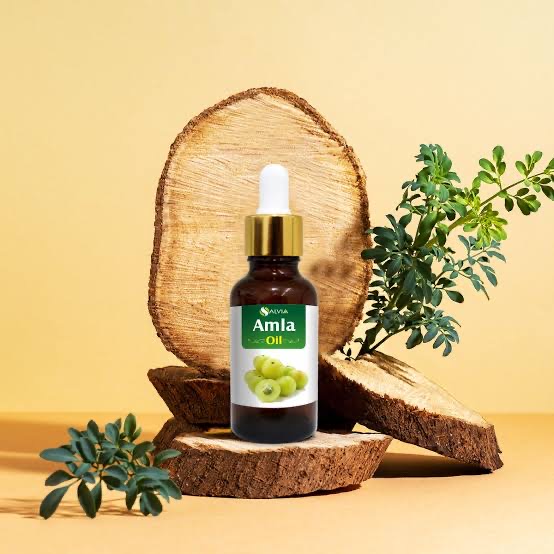
Amla oil, derived from the Indian gooseberry (Emblica officinalis), has been a prized ingredient in Ayurvedic medicine for centuries. Known for its ability to nourish hair, rejuvenate the scalp, and enhance skin health, this natural oil is packed with vitamins, antioxidants, and essential fatty acids.
Benefits of Amla Oil for Hair
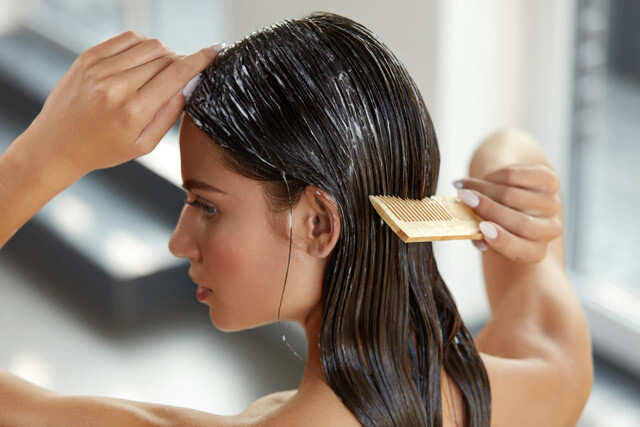
1. Promotes Hair Growth
Amla oil strengthens hair follicles, reduces hair fall, and stimulates healthy hair growth by improving scalp circulation.
2. Prevents Premature Graying
Rich in antioxidants and Vitamin C, the oil helps maintain the natural color of hair and delays graying.
3. Reduces Dandruff and Scalp Irritation
With its antibacterial and antifungal properties, Amla oils combats dandruff, soothes an itchy scalp, and prevents infections.
4. Adds Shine and Softness
Regular application makes hair shinier, smoother, and more manageable by deeply conditioning and hydrating the strands.
5. Strengthens Hair Strands
Amla’s oil reduces split ends, prevents breakage, and enhances hair thickness and volume.
How to Use Amla Oil for Hair
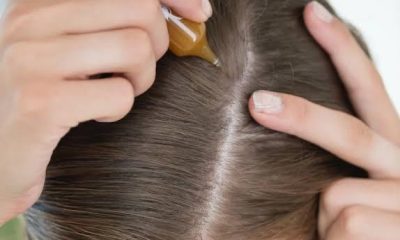
– As a Scalp Massage: Warm the oil and massage it into the scalp for 10-15 minutes, then leave it overnight for deep nourishment.
– Hair Mask: Mix the oil with coconut or castor oil for extra hydration and apply it to your hair before washing.
– As a Leave-in Treatment: Apply a few drops to the ends of your hair to reduce frizz and add shine.
Benefits of Amla Oil for Skin
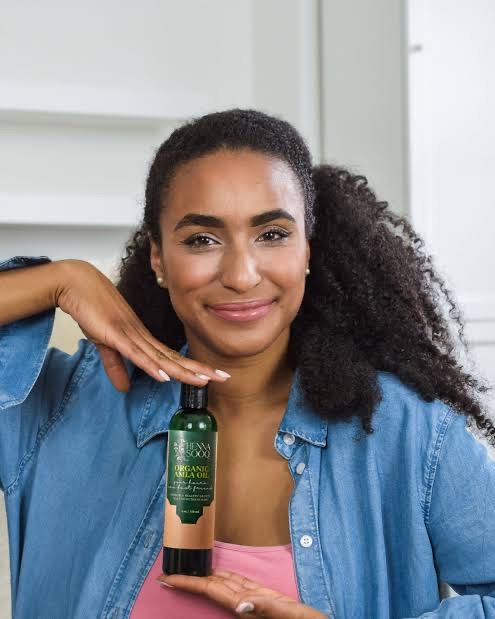
1. Moisturizes and Hydrates
Amla oils keeps the skin soft and supple, preventing dryness and flakiness.
2. Fights Signs of Aging
Its antioxidants help reduce wrinkles, fine lines, and sagging skin by boosting collagen production.
3. Brightens the Skin
Amla oils helps fade dark spots, pigmentation, and uneven skin tone for a natural glow.
4. Soothes Inflammation
With its anti-inflammatory properties, Amla oil helps calm skin conditions like acne, eczema, and redness.
How to Use the Oil for Skin
– As a Face Oil: Apply a few drops to your face before bed for overnight hydration.
– As a Massage Oil: Use it for a relaxing body massage to improve skin texture and elasticity.
– For Spot Treatment: Dab onto dark spots or blemishes to lighten them over time.
Final Thoughts
Amla oil is a natural powerhouse for both hair and skin, offering deep nourishment and protection. Whether you want stronger hair, a healthier scalp, or radiant skin, incorporating Amla oil into your routine can bring noticeable benefits. Try it today and experience the magic of this Ayurvedic elixir!







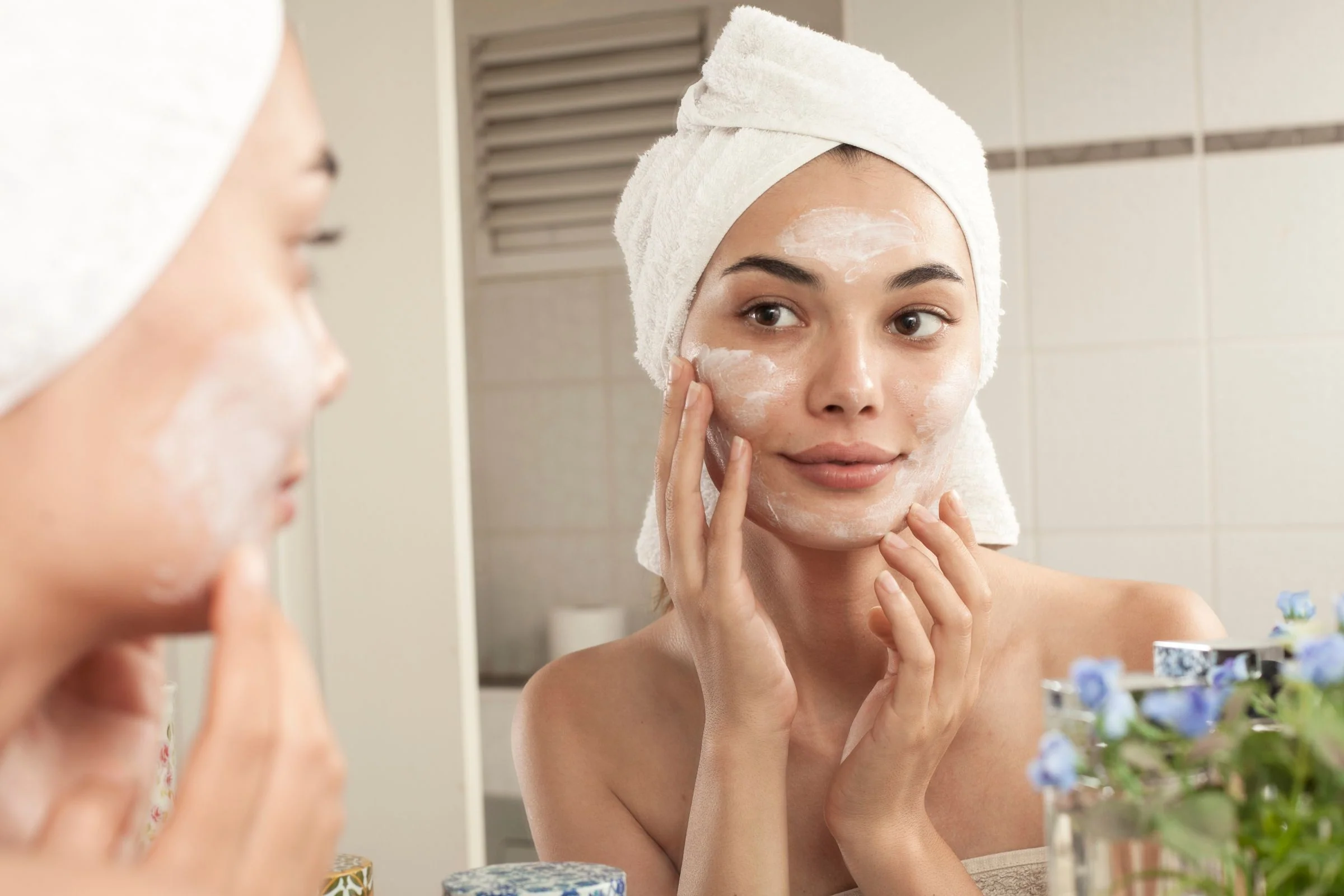
Skincare Routine Maintenance Tips. Regardless of your skin type, a regular skin care routine can help you keep your skin healthy generally and address specific issues like dark spots, scars, and acne. Do you really know what your skin type is? You might think you have sensitive, oily, or dry skin. The next time you’re in the cosmetics department, it could be helpful to know your true skin type. Acne, dryness, and other skin problems can be made worse by using the incorrect products or even well-known online advice for your skin type.
SKINCARE ROUTINE MAINTENANCE TIPS
Keep up your skincare regimen by using a broad-spectrum sunscreen with SPF 30 or higher every morning, layering products from thinnest to thickest, and gently cleaning twice a day. Maintaining a strong and healthy skin barrier requires consistency and sensitive care.
Creating a Daily Routine;
A daily skincare routine consists of four fundamental stages that you can complete once in the morning and once before bedtime.
1. Cleansing: Use a cleanser that does not leave your skin tight after washing. Clean your face at most twice a day, or once if you have dry skin, and don’t apply makeup.
2. Serums:

Apply a serum containing vitamin C, growth factors, or peptides in the morning beneath sunscreen. Retinol or prescription retinoids are more effective at night
3. Moisturizer: Even oily skin requires moisturizer; however, choose one that is lightweight, gel-based, non-comedogenic, or does not clog your pores. Dry skin may benefit from using more cream-based moisturizers.
4. Sunscreen:

Skincare Routine Maintenance Tips
Apply sunscreen with a minimum SPF of 30 to 15 minutes before going outside, as sunscreen takes time to activate. Darker skin tones require extra sun protection because hyperpigmentation is harder to treat. Begin with a basic, uncomplicated routine to see how your skin reacts. Once you’re at ease, you can add additional products like exfoliants, masks, and spot treatments to help your skin’s health.
How to Treat Skin Problems;
Skincare Routine Maintenance Tips
There are ways to treat skin problems without harming your skin. Just remember the first rule of skin care: don’t pick. Picking at pimples, blackheads can result to skin problems.
Summary
The everyday practice of washing, softening, and protecting your skin to maintain its health and brightness is known as skincare. A moisturizing moisturizer, a mild face wash, and daily sun protection are necessary for a basic daily routine.

Routine Anti-Aging Skincare. Sun protection, hydration, and active substances that increase collagen and cell turnover are essential components of a successful anti-aging regimen. To avoid UV-induced damage, which accounts for up to 80% of visible aging, dermatologists advise using a broad-spectrum SPF 30+ every day. To brighten the skin and minimize wrinkles, use a retinol at night with a vitamin C serum in the morning.
ROUTINE ANTI-AGING SKINCARE
Our skin changes as we age, so we often need to adjust our skincare routine to maximize the effectiveness of our products. We’ve put together a guide with the best ingredients, high-performing products, and expert guidance to help you address skin issues like wrinkles, increased dryness, loss of elasticity, and fine lines.

What are the Essential Components?
Take into account these widely used anti-aging skincare products when creating your regimen to help you tackle frequent issues. The vitamin A derivative retinol helps lessen the visibility of wrinkles, fine lines, and uneven skin tone. Vitamin C: As a potent antioxidant, vitamin C can help shield your skin from harmful free radicals when administered topically.
Routine;
1. Make use of a mild cleaner Every age group must practice daily cleansing, and the first step in providing the finest face care for aging skin is selecting a gentle cleanser.
2. Use an exfoliant frequently There are numerous advantages to using this on your skin, including clearing your pores, reducing the accumulation of dead skin cells, and encouraging the appearance of radiant, new skin.

Routine Anti-Aging Skincare
3. Use a concentrated face serum. After cleansing and/or exfoliating your skin, use a serum for your face. If you have any particular worries about aging, these recipes are excellent for addressing them.
4. For under-eye issues, apply an eye cream. Regardless of age, you also need to take care of the sensitive skin beneath your eyes. Search for a nourishing eye cream recipe that can assist in treating the obvious indications of aging around your eyes, like bags under your eyes and dark circles.
5. Apply moisturizer often Since mature skin is typically dry, the best course of action is usually a rich, profoundly moisturizing moisturizer.

Routine Anti-Aging Skincare
6. Also, Examine a facial oil. Depending on the formula you select, facial oils can be applied as the sixth step in your anti-aging treatment, following moisturizer. How do I prevent skin cancer?
Summary
The four main components of a basic daily skincare regimen are washing to eliminate pollutants, wearing sunscreen to prevent UV damage, moisturizing to hydrate, and treating with serums. To get healthy, radiant skin, customize these products to your particular skin type (oily, dry, or combo).

Glowing Skin Tips. It’s essential for radiant skin. Many people want to accomplish this. While some people aspire to have luminous skin for cosmetic reasons, others see it as an outward sign of health.There are several methods to improve the skin’s brightness.To improve the health of their skin, people might make dietary and lifestyle changes.There are also several skincare and cosmetic items that can give the appearance of glowing skin.
GLOWING SKIN TIPS
Locking in moisture on damp skin, protecting with daily SPF, and applying brightening serums like Vitamin C in the morning are all ways to get glowing skin. Internally, consume foods high in antioxidants, such as leafy greens and berries, drink eight to ten glasses of water each day, and get seven to eight hours of good sleep.
Definition;

Healthy-looking skin is usually referred to as glowing skin. A person can attempt skin care products and lifestyle modifications, such as getting enough sleep and eating a balanced diet, to get radiant skin.
Tips;
1. Also, tidy up Products for cleaning aid in clearing the skin of debris,
makeup, and extra oil. Selecting a mild cleanser has a pH balance, and doesn’t include any harsh chemicals or soap is crucial.
2. Although, hydrating Moisturizing products hydrate the skin.
To seal moisture in the skin, the American Academy of Dermatology advises using a moisturizer right away after cleansing for optimal effects.

Glowing Skin Tips
3. Meanwhile, sun defense UV light; is found in sunlight and can result in burning, sun damage, and outward symptoms of aging.
However, using sunscreen before venturing outside is a simple method of lowering the danger.
For More Tips;
4. Meanwhile, additional goods Various products can aid in achieving healthy skin, contingent on an individual’s particular skin conditions.
Chemical exfoliants, for instance, are widely used products that remove the outermost layer of skin cells to reveal new ones beneath. These can help people’s skin look and feel better.

Glowing Skin Tips
5. However, cutting Shaving dermatitis, ingrowing hairs, and discomfort are all common side effects of hair removal.
To steer clear of this: Wet the skin and hair; lubricate the skin with a shaving cream or balm; and use a clean. different skin types.
Summary
Combine healthy behaviors with a regular skincare regimen to achieve radiant skin. Cleanse twice a day, lighten dark spots with a vitamin C serum, and seal in moisture with a hyaluronic acid moisturizer. Wear SPF 30 or higher every day, and drink plenty of water from within.

Earth Frozen Frontiers

Natural Majestic Wonders

Daily Life Hacks

A Step-by-Step Guide to Deleting Reels on Instagram

A Comprehensive Guide to Setting Up a YouTube Premiere