Health
Analyzing injectable contraceptives

Analyzing injectable contraceptives. For women looking for long-term contraception without the need for daily tablets, injectable contraceptives like Depo-Provera, Noristerat, and Sayana Press provide easy and effective solutions. Discussing personal health needs and preferences with a healthcare expert is crucial to selecting the best approach because each has distinct characteristics and possible negative effects. Depending on the formulation, injectable contraceptives are extremely effective birth control shots that solely contain progestogen and are given every one to three months
ANALYZING INJECTABLE CONTRACEPTIVES
They function by weakening the uterine lining, thickening cervical mucus, and inhibiting ovulation. Despite being over 99% effective when used correctly, they do not offer STI protection. Injectable contraceptives are a convenient and effective option for many women. They typically involve receiving a hormone injection every few months to prevent pregnancy. Here are three commonly used injectable contraceptives:
1. Depo-Provera;
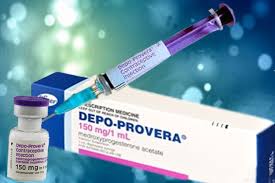

Mechanism: Depo-Provera contains the hormone progestin, which prevents ovulation, thickens cervical mucus to block sperm, and thins the uterine lining to prevent implantation.
Effectiveness: Over 99% effective with perfect use, about 94% effective with typical use.
Administration: An injection is given every three months (12 weeks) in the buttock or upper arm.
Side Effects:
– Irregular bleeding or spotting, especially in the first 6-12 months
– Weight gain (more common than with other contraceptive methods)
– Decreased bone density with long-term use (reversible upon discontinuation)
– Possible delay in return to fertility after stopping the injections
Suitability: Ideal for women who prefer not to take daily pills and are looking for a long-term but reversible contraceptive method.
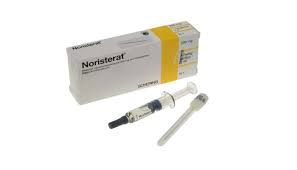
2. Noristerat;

Analyzing injectable contraceptives
Mechanism: Noristerat is another progestin-only injectable contraceptive. It works similarly to Depo-Provera by preventing ovulation, thickening cervical mucus, and thinning the uterine lining.
Effectiveness: Over 99% effective with perfect use, about 97% effective with typical use.
Administration: An injection is given every eight weeks (two months) in the buttock or upper arm.
Side Effects:
– Irregular menstrual bleeding or spotting
– Weight gain
– Headaches
– Mood changes
– Breast tenderness
Suitability: Suitable for short-term contraception, particularly for women who are waiting for a more permanent contraceptive method or those who need a temporary contraceptive solution.
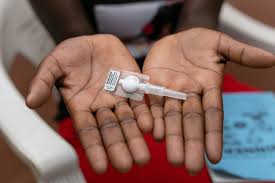
3. Sayana Press;
Analyzing injectable contraceptives
Mechanism: Sayana Press contains the same hormone (medroxyprogesterone acetate) as Depo-Provera but comes in a pre-filled, single-use injector for subcutaneous (under the skin) administration. It prevents ovulation, thickens cervical mucus, and thins the uterine lining.
Effectiveness: Over 99% effective with perfect use, about 94% effective with typical use.
Administration: An injection is given every three months (12 weeks), but it is designed for self-administration at home, providing more convenience and privacy.
Side Effects:
– Irregular menstrual bleeding or spotting
– Weight gain
– Decreased bone density with long-term use
– Headaches
– Possible delay in return to fertility after stopping the injections
Suitability: Ideal for women who prefer self-administration and seek a long-term but reversible contraceptive method.
Summary
Progestin-only birth control shots given every one to three months are an extremely effective method of birth control. By halting ovulation, thickening cervical mucus, and weakening the uterine lining, they prevent conception. They provide covert, dependable security that requires no regular upkeep and are over 99% efficient when used correctly.