Health
Ankylosing Spondylitis


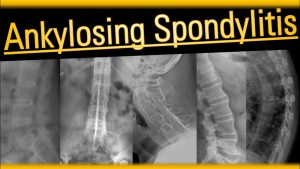
ANKYLOSING SPONDYLITIS
Ankylosing spondylitis. The arthritis condition known as ankylosing spondylitis affects the joints in your spine. Your sacroiliac joints, which connect your pelvis and bottom of your spine, are typically where it begins. It can cause weight loss, rashes, and digestive problems in addition to the usual arthritic symptoms of pain and stiffness.
ANKYLOSING SPONDYLITIS
Spinal joints can be impacted by ankylosing spondylitis, a kind of arthritis. Physicians may refer to it as axial spondylarthritis. Also impacted by ankylosing spondylitis are the sacroiliac joints, which connect the base of your spine to your pelvis. Your sacroiliac joints serve as the link between your pelvis and spine. They are specifically the point where the ilium, or upper and rear portion of your pelvis, and the sacrum, or triangle-shaped last segment of your spine, meet.
Symptoms
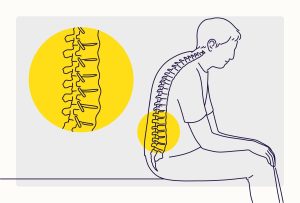

Every person with ankylosing spondylitis has a different set of symptoms. The most prevalent AS symptom is lower back discomfort brought on by sacroiliitis, which is painful inflammation of the sacroiliac joints. The discomfort may radiate. Other forms of pain that you may encounter include hip discomfort.
You feel pain in your butt.
discomfort in the neck.
stomach or abdominal ache.
Additional symptoms of ankylosing spondylitis may include: stiffness or difficulty moving your lower back and hips, particularly in the morning or after spending a lot of time resting in one position.
Fatigue (constantly feeling exhausted).
Shortness of breath (dyspnea).
losing weight for no apparent reason or losing your appetite.
Diarrhea.
Rashes on the skin.
issues with vision.
Causes
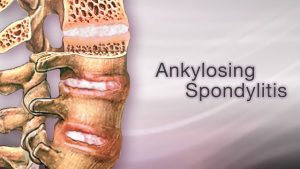

An autoimmune condition is ankylosing spondylitis. When your immune system targets your body rather than defending it, autoimmune illnesses result. The exact cause of ankylosing spondylitis is unknown to experts. Research has shown a strong correlation between AS and certain genetic mutations. When your cells split to create copies of themselves, your DNA sequence changes, resulting in genetic mutations.
Treatment


Exercise: Frequent exercise helps prevent AS from getting worse and reduce stiffness. Many folks find that their discomfort gets worse when they are not moving. To assist strengthen the muscles that support your back and spine, a physical therapist can recommend particular stretches and exercises. Nonsteroidal anti-inflammatory drugs: Ibuprofen and naproxen are examples of over-the-counter (OTC) NSAIDs that reduce pain and inflammation. Before taking NSAIDs for more than ten days in a row, consult your doctor. DMARDs, or biologic disease-modifying anti-rheumatic medications: Prescription drugs called biologic DMARDs are used to treat pain and inflammation. They may also prevent AS from worsening.
Corticosteroids: These anti-inflammatory drugs are prescribed by doctors. Cortisone shots, which involve injecting corticosteroids directly into the afflicted joints, may be necessary for you.
Surgery: Surgery is rarely required to treat AS. Usually; your doctor would only recommend it if you have significant symptoms that don’t improve with other therapies.
Summary
It can be tough to manage arthritis of any kind. Ankylosing spondylitis is a crippling discomfort in the back. Although daily energy levels might be negatively impacted by pain, stiffness, and other symptoms, AS is treatable. Finding therapies that lessen the degree to which AS symptoms disrupt your daily activities is something your healthcare practitioner will assist you with. Talk to them about your therapies and don’t be scared to ask questions. You are the best arbiter of your own emotions.